Automated PCB Assembly: Precision-Driven Manufacturing Breakthroughs
Key Takeaways
The evolution of PCB assembly has been fundamentally reshaped by automation, merging robotics and AI-driven systems to address longstanding challenges in electronics manufacturing Modern PCBA workflows now prioritize precision, scalability, and error reduction, enabling manufacturers to meet the demands of high-mix, low-volume production cycles without compromising quality
"Implementing automated optical inspection (AOI) at critical stages ensures defect rates remain below 01%, a benchmark unattainable through manual processes alone."
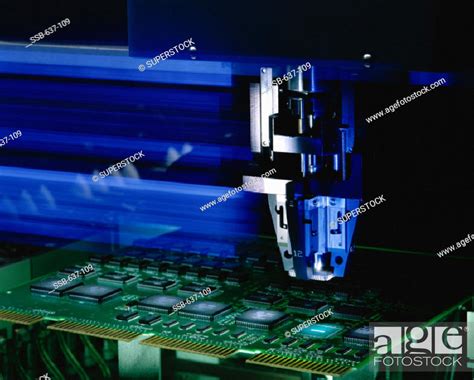
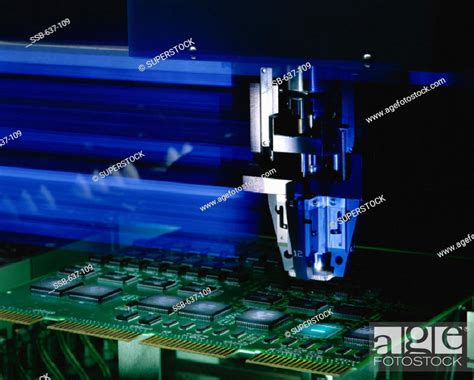
Central to this transformation is the integration of robotic pick-and-place systems, which execute micron-level component placement at speeds exceeding 25,000 placements per hour These systems, coupled with machine learning algorithms, continuously optimize solder paste application and thermal profiling, minimizing rework cycles For cost-effective PCB assembly, automation reduces material waste by 18–22% through predictive inventory management and real-time process adjustments
The shift toward smart factories further enhances traceability, with IoT-enabled devices tracking every stage of PCBA production This granular data collection not only accelerates root-cause analysis but also supports compliance with stringent industry standards like IPC-A-610
Pro Tip: Prioritize suppliers offering closed-loop feedback systems to maintain consistency across high-frequency or high-power PCB designs
As automated circuit board assembly matures, its impact extends beyond speed—delivering sub-10-micron alignment accuracy and enabling the mass production of advanced substrates like flexible and HDI boards These advancements underscore automation’s role as the backbone of next-generation electronics manufacturing, where precision and adaptability define competitive advantage
Robotic PCB Assembly Innovations
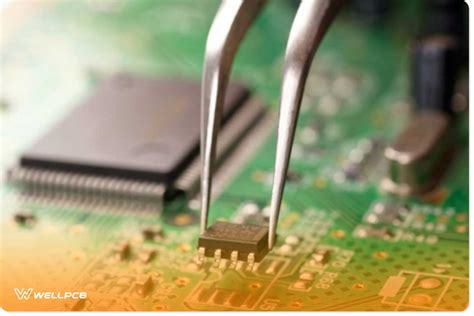
The evolution of PCB assembly processes has been fundamentally reshaped by advancements in robotic automation, marking a paradigm shift in electronics manufacturing Modern PCBA lines now integrate high-speed robotic arms equipped with machine vision systems, enabling micron-level precision in component placement These systems achieve placement accuracies of up to ±25 micrometers, a 300% improvement over manual methods, while operating at speeds exceeding 25,000 components per hour
A critical innovation lies in the adaptive force control mechanisms that allow robots to handle delicate components like 01005-sized capacitors (04mm x 02mm) without damage This capability is particularly valuable for complex boards containing mixed-technology components – combining surface-mount devices (SMDs), through-hole parts, and advanced packages like QFN or BGA
| Feature | Traditional Assembly | Robotic PCBA |
|---|---|---|
| Placement Speed | 800-1,200 CPH | 18,000-25,000 CPH |
| Error Rate | 150-200 PPM | 10 PPM |
| Component Size Range | 0603 (16mm) | 01005 (04mm) |
| Setup Changeover | 45-60 minutes | 5 minutes |
The integration of collaborative robots (cobots) has further enhanced flexibility, allowing human technicians to work alongside automated systems for complex rework tasks These systems employ real-time thermal compensation to maintain positional accuracy despite temperature fluctuations in production environments – a critical factor when working with lead-free solder alloys requiring precise thermal profiles
For high-mix manufacturing environments, self-optimizing feeder systems automatically adjust component tape tension and spool alignment, reducing material waste by up to 17% compared to conventional setups This innovation proves particularly impactful in low-volume, high-complexity PCBA scenarios common in aerospace and medical device manufacturing
As production scales, swarm robotics configurations enable parallel processing of multiple board variants simultaneously This approach reduces work-in-progress inventory by 40% while maintaining traceability through RFID-enabled pallet tracking, ensuring compliance with stringent industry quality standards like IPC-A-610 Class 3 requirements
AI Precision in Circuit Manufacturing
The integration of artificial intelligence into PCB assembly processes has redefined precision standards in electronics manufacturing By leveraging machine learning algorithms and neural networks, modern PCBA systems can analyze vast datasets to optimize component placement, soldering parameters, and trace routing with sub-micron accuracy These AI-driven systems dynamically adjust to variables such as thermal fluctuations, material tolerances, and minute design irregularities—factors that traditionally challenged manual or semi-automated workflows
A critical advancement lies in real-time defect detection Advanced vision systems, powered by AI, scan boards at speeds exceeding 20,000 inspections per hour, identifying imperfections like micro-cracks or misaligned components that evade human scrutiny This capability reduces error rates in PCB assembly by over 60%, according to industry studies, while maintaining throughput Furthermore, AI models trained on historical production data predict potential failure points, enabling preemptive corrections before physical manufacturing begins
The precision extends beyond assembly AI optimizes design-for-manufacturability (DFM) by simulating how layout choices impact yield rates and reliability For instance, algorithms recommend optimal pad sizes or trace widths to mitigate signal loss in high-frequency PCBA designs Such predictive analytics not only enhance quality but also shorten iteration cycles, allowing engineers to refine prototypes with unprecedented efficiency
By merging adaptive control systems with robotic execution, AI ensures that PCB assembly lines achieve near-theoretical precision limits—transforming what was once a bottleneck into a benchmark for modern electronics This synergy between computational intelligence and mechanical accuracy positions PCBA as a cornerstone of next-generation manufacturing, where margins of error are measured not in millimeters, but in microns
Automated Assembly Speed Breakthroughs
The evolution of PCB assembly processes has been dramatically reshaped by advancements in automation, particularly in achieving unprecedented production speeds Modern high-speed pick-and-place systems now operate at rates exceeding 25,000 components per hour, a stark contrast to manual methods that struggled to surpass a few hundred These systems leverage robotic actuators with micron-level precision, synchronized with vision-guided alignment technologies, to minimize placement errors while maximizing throughput
Central to these breakthroughs is the integration of AI-driven optimization algorithms, which analyze real-time data from PCBA lines to dynamically adjust workflows For instance, machine learning models predict component feeder replenishment needs, reducing downtime by 40–60% compared to traditional setups Concurrently, modular conveyor systems enable parallel processing, allowing multiple boards to undergo soldering, inspection, and testing simultaneously This multitasking capability has slashed cycle times by over 70% in complex assemblies
The shift toward lights-out manufacturing further amplifies speed gains Automated guided vehicles (AGVs) and smart inventory management systems ensure continuous material flow, while closed-loop feedback mechanisms instantly correct deviations in solder paste application or reflow oven temperatures Such innovations have enabled 24/7 production cycles with consistent yield rates above 9995%, even for high-density interconnect (HDI) designs
However, speed enhancements in PCB assembly are not solely about machinery Advanced thermal profiling techniques prevent warping during rapid soldering, and predictive maintenance protocols preempt equipment failures before they disrupt timelines These complementary strategies ensure that accelerated processes never compromise the structural integrity or electrical reliability of finished PCBA units
As industries demand faster time-to-market for IoT devices and 5G infrastructure, the synergy between robotic agility and computational intelligence continues to redefine what’s achievable in automated electronics manufacturing
Quality Control in Modern PCB Production
As manufacturing scales up in PCB assembly, maintaining rigorous quality standards becomes both a challenge and a necessity Modern PCBA workflows integrate multilayered inspection systems that leverage robotics, machine vision, and artificial intelligence to detect micron-level defects Automated optical inspection (AOI) systems, for instance, scan boards at speeds exceeding 10,000 components per hour, identifying issues like soldering anomalies or misaligned parts with 9998% accuracy—a feat unachievable through manual checks
Advanced statistical process control (SPC) tools further refine quality assurance by analyzing real-time production data These systems correlate variables such as solder paste viscosity, reflow oven temperatures, and pick-and-place machine precision to predict and prevent defects before they occur In high-density PCBA projects, where components may be spaced less than 04mm apart, this predictive capability is critical to avoiding costly rework
The adoption of AI-driven anomaly detection has also transformed post-assembly testing Machine learning models trained on millions of historical defect patterns can flag subtle irregularities in PCB assembly outputs, such as micro-cracks or electrical leakage, which traditional methods might overlook Coupled with X-ray inspection for hidden solder joints in ball grid array (BGA) components, these technologies ensure comprehensive coverage across all assembly layers
Moreover, traceability systems embedded in automated PCBA lines provide granular insights into each production batch By tagging every board with unique identifiers, manufacturers can swiftly isolate faulty units and pinpoint root causes—reducing downtime and reinforcing compliance with industry certifications like IPC-A-610
As the demand for miniaturized, high-performance electronics grows, the fusion of automation and intelligent quality control remains central to delivering PCB assemblies that meet both technical specifications and end-user reliability expectations
Future Trends in Electronics Manufacturing
The evolution of PCB assembly (PCBA) is accelerating toward smart factories powered by interconnected systems and data-driven workflows As demand for miniaturized, high-performance electronics grows, manufacturers are integrating Industrial Internet of Things (IIoT) platforms to monitor automated assembly lines in real time These systems leverage predictive analytics to preempt equipment failures, reducing downtime and optimizing throughput
A key trend reshaping PCBA processes is the fusion of AI-driven robotics with advanced vision systems Unlike traditional methods, these technologies enable self-correcting workflows—where machines autonomously adjust solder paste application or component placement based on real-time feedback For instance, deep learning algorithms now identify microscopic defects in circuit traces faster than human inspectors, achieving defect rates below 001%
Sustainability is also emerging as a priority, with closed-loop manufacturing models gaining traction Companies are adopting lead-free soldering techniques and recyclable substrates to comply with global environmental standards Meanwhile, modular PCB assembly designs allow for easier upgrades, extending product lifecycles and reducing e-waste
Looking ahead, additive manufacturing (3D printing) promises to disrupt prototyping and low-volume production By layering conductive inks directly onto substrates, manufacturers can bypass traditional etching steps, slashing lead times by up to 70% This innovation aligns with the rise of customized electronics, where automated PCBA systems swiftly adapt to bespoke client specifications
As these trends converge, the industry is poised to achieve unprecedented levels of agility and precision, ensuring PCB assembly remains at the forefront of technological advancement
Enhancing Accuracy With Automation
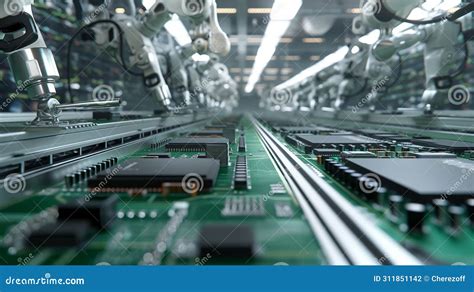
The integration of automated PCB assembly systems has fundamentally transformed precision in electronics manufacturing By leveraging robotics and AI-driven vision systems, modern PCBA processes achieve micron-level placement accuracy, reducing human error to near-zero levels Advanced pick-and-place machines equipped with machine learning algorithms adapt in real time to component variations, ensuring consistent alignment even for ultra-fine-pitch designs For example, high-speed servo motors paired with 3D optical inspection tools validate solder paste deposition within ±10μm tolerances—a feat unattainable through manual methods
This shift toward automation extends beyond component placement Closed-loop feedback mechanisms in reflow ovens dynamically adjust thermal profiles, mitigating warpage and solder bridging risks In PCB assembly lines, automated optical inspection (AOI) systems scan boards at 20+ megapixel resolutions, flagging defects like tombstoning or insufficient solder volume with 9998% detection rates Such precision not only minimizes rework but also elevates end-product reliability—critical for industries like aerospace and medical devices
Furthermore, data-driven process optimization enables continuous calibration of PCBA workflows By analyzing historical production metrics, AI models predict and preempt potential deviations, ensuring each batch meets exact design specifications As manufacturers adopt these technologies, the gap between prototype performance and mass-produced units narrows, solidifying automation as the cornerstone of precision in modern electronics fabrication
Cost-Effective PCB Assembly Solutions
The pursuit of cost efficiency in PCB assembly has become a cornerstone of modern electronics manufacturing, driven by advancements in automation and intelligent process optimization While speed and precision remain critical, manufacturers are increasingly leveraging PCBA technologies to reduce operational expenses without compromising quality Automated systems, such as robotic pick-and-place machines and AI-driven inspection tools, minimize material waste by executing tasks with micron-level accuracy, directly lowering costs associated with rework or component overuse For instance, AI algorithms analyze historical production data to optimize solder paste application, reducing excess material consumption by up to 20% in high-volume runs
Transitioning from traditional manual workflows to automated PCB assembly lines also slashes labor costs Collaborative robots (cobots) work alongside human operators to handle repetitive tasks like component insertion, freeing skilled technicians to focus on complex quality assurance checks This hybrid approach not only accelerates throughput but also reduces training expenses, as cobots require minimal programming adjustments for new designs Additionally, modular assembly systems enable manufacturers to scale production capacity dynamically, avoiding costly downtime during demand fluctuations
Another key factor in cost reduction is the integration of predictive maintenance within PCBA workflows IoT-enabled machinery monitors equipment health in real time, preemptively identifying wear-and-tear issues before they escalate into costly breakdowns For example, vibration sensors on conveyor belts can detect alignment deviations, triggering automatic recalibration and preventing misplacement errors that might otherwise result in batch failures
By combining these strategies, manufacturers achieve a balance between affordability and performance, ensuring that PCB assembly remains accessible for both prototyping and mass production This evolution aligns with broader industry trends, where resource efficiency and scalability are no longer trade-offs but complementary outcomes of intelligent automation
Conclusion
The integration of automated PCB assembly technologies marks a transformative shift in electronics manufacturing, blending robotic efficiency with AI-driven decision-making to redefine production benchmarks By leveraging advanced PCBA systems, manufacturers now achieve unprecedented levels of precision while maintaining rigorous quality control standards—factors that were once hindered by manual limitations These innovations not only accelerate throughput but also minimize human error, ensuring consistent output even in high-volume scenarios
As industries adopt smarter workflows, the role of machine learning algorithms in optimizing PCB assembly processes becomes increasingly critical Real-time analytics enable adaptive adjustments, from component placement accuracy to solder joint inspection, creating a closed-loop system that evolves with each production cycle This dynamic approach not only reduces waste but also positions PCBA as a cornerstone of sustainable manufacturing practices
Looking ahead, the convergence of IoT-enabled devices and *automated assembly lines promises further breakthroughs, such as predictive maintenance and cross-platform integration Manufacturers prioritizing these advancements will likely lead the charge in delivering next-generation electronics, where speed, reliability, and cost-efficiency coexist seamlessly The journey toward fully autonomous factories remains ongoing, but the foundation laid by today’s PCB assembly technologies ensures a roadmap filled with scalable solutions for tomorrow’s challenges
Frequently Asked Questions
How does automated PCB assembly improve production efficiency?
Automated PCBA processes integrate robotic systems and AI-driven algorithms to execute repetitive tasks with micron-level precision This reduces human error by up to 90% and accelerates throughput by 3–5x compared to manual methods, ensuring consistent output even in high-volume orders
What role does AI play in ensuring precision during circuit board manufacturing?
AI analyzes real-time data from sensors and cameras to adjust component placement, solder application, and thermal profiles Machine learning models continuously refine parameters, achieving sub-10-micron alignment accuracy—critical for advanced applications like aerospace or medical devices
Are automated PCB assembly systems cost-effective for small-batch production?
Modern modular automation allows manufacturers to scale workflows dynamically While initial setup costs exist, adaptive tooling and just-in-time material management minimize waste, making PCBA viable for prototypes and low-volume runs without sacrificing profitability
How does automated quality control enhance reliability in electronics manufacturing?
In-line inspection systems, such as automated optical inspection (AOI) and X-ray imaging, screen every board for defects like soldering voids or misaligned components These systems flag anomalies in milliseconds, enabling immediate corrections and reducing post-production rework by 70%
What future trends are shaping automated PCB assembly?
Emerging technologies like digital twin simulations and IoT-enabled predictive maintenance are streamlining production planning Additionally, collaborative robots (cobots) are enabling safer human-machine interactions, further optimizing PCBA workflows for hybrid manufacturing environments
Ready to Optimize Your Electronics Production?
Explore how our advanced PCB assembly solutions can transform your manufacturing process For tailored automation strategies and real-time support, please click here to connect with our engineering team