Automotive PCB Manufacturers Enabling Smarter Vehicle Technologies
Key Takeaways
Modern automotive systems demand PCB assembly processes that meet stringent performance and durability requirements. As vehicles evolve into connected ecosystems, PCBA (Printed Circuit Board Assembly) technologies are adapting to support advanced driver-assistance systems (ADAS), electric vehicle (EV) powertrains, and V2X communication modules.
| Design Factor | Traditional Automotive PCBs | Next-Gen Automotive PCBs |
|---|---|---|
| Operating Temperature | -40°C to 105°C | -50°C to 150°C |
| Material Standards | FR-4 | High-Tg Epoxy, Ceramic-Filled |
| Reliability Certification | IPC-A-610 | IPC-6012DA + AEC-Q100 |
"The shift toward autonomous driving requires PCBs to handle high-frequency signals and thermal stress simultaneously," notes Dr. Elena Torres, a materials engineer at a Tier-1 automotive supplier.
Key innovations include:
- Embedded components in PCBA designs to reduce electromagnetic interference (EMI) in ADAS sensors.
- Thermal management solutions such as metal-core PCBs for EV battery monitoring systems.
- Adoption of high-reliability substrates to withstand vibrations and humidity in connected vehicle modules.
Pro Tip: When selecting automotive PCB manufacturers, verify their compliance with IATF 16949 and ISO 26262 functional safety standards to ensure longevity in harsh operating environments.
The integration of PCB assembly techniques with AI-driven testing protocols is accelerating the development of fail-safe architectures for self-driving systems and over-the-air (OTA) updatable vehicle platforms.
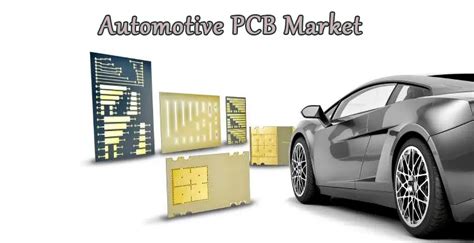
Auto PCB Innovation Trends 2024
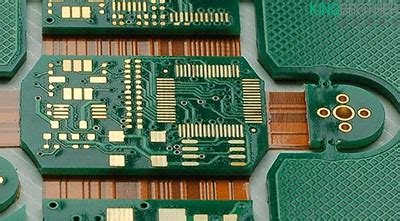
The automotive PCB sector is undergoing transformative shifts in 2024, driven by escalating demands for intelligent and energy-efficient vehicle technologies. As PCB assembly processes evolve, manufacturers are prioritizing high-density interconnect (HDI) designs to accommodate advanced driver-assistance systems (ADAS) and AI-driven functionalities. A key focus lies in optimizing PCBA workflows for electric vehicles (EVs), where thermal stability and vibration resistance are critical. Innovations like embedded component substrates and flex-rigid hybrid boards are gaining traction, enabling compact layouts for next-gen infotainment and vehicle-to-everything (V2X) communication modules.
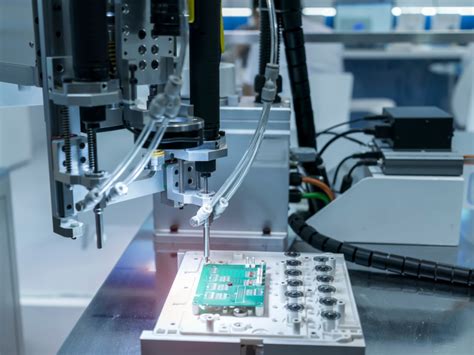
To meet stringent automotive reliability standards, automotive-grade laminates with enhanced thermal conductivity are replacing conventional materials. Simultaneously, advancements in laser-drilled microvias and automated optical inspection (AOI) systems are elevating precision in PCB assembly for safety-critical applications. Leading PCBA providers now integrate AI-powered quality control, reducing defect rates by up to 40% in high-voltage battery management systems. With the rise of zonal architectures in vehicles, expect accelerated adoption of multi-layer stackups and high-speed signal integrity solutions to support centralized computing platforms. These trends underscore the industry’s pivot toward smarter, more resilient circuit technologies that align with 2024’s vision for autonomous and connected mobility.
ADAS Systems Rely on Robust PCBs
Advanced Driver-Assistance Systems (ADAS) demand PCB assembly solutions that combine precision engineering with exceptional durability. These systems, which include collision avoidance, lane-keeping assist, and adaptive cruise control, require high-density interconnects and multilayer PCBA designs to process real-time data from sensors, cameras, and radar modules. Automotive-grade boards must withstand extreme temperatures, vibrations, and moisture while maintaining signal integrity—a critical factor for fail-safe operation in safety-critical applications.
Leading automotive PCB manufacturers employ specialized techniques like laser-drilled microvias and copper-filled trenches to enhance thermal management and reduce electromagnetic interference. Materials such as high-Tg laminates and halogen-free substrates ensure compliance with automotive reliability standards like AEC-Q100. For example, radar control modules in ADAS often utilize PCBA with embedded impedance-controlled traces to maintain millimeter-wave accuracy, even under harsh conditions.
As ADAS evolves toward full autonomy, the integration of AI processors and vehicle-to-everything (V2X) communication further underscores the need for PCB assembly innovations. Manufacturers are now developing hybrid rigid-flex boards that optimize space in compact electronic control units (ECUs), enabling faster data transmission between ADAS components. These advancements not only improve system responsiveness but also align with the automotive industry’s push for zero-defect manufacturing in safety systems.
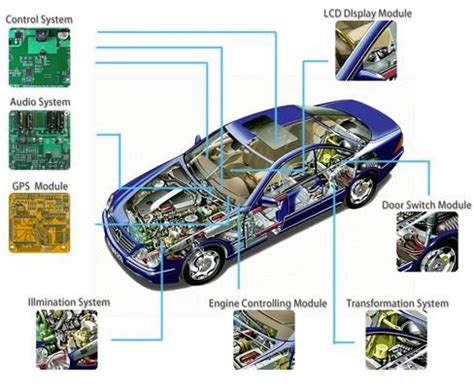
EVs Drive Specialized PCB Needs
The rapid adoption of electric vehicles (EVs) has reshaped design priorities for automotive PCB manufacturers, demanding solutions that balance power density, thermal resilience, and signal integrity. Unlike conventional combustion engines, EV powertrains rely on high-voltage battery management systems and multi-domain controllers, requiring PCBA designs capable of handling currents exceeding 800V. This shift has accelerated the use of heavy copper traces and insulated metal substrates in PCB assembly to mitigate thermal stress and ensure long-term reliability in harsh operating environments.
Additionally, bidirectional charging systems and regenerative braking technologies impose unique layout challenges, pushing manufacturers to adopt high-density interconnect (HDI) architectures with embedded components. These specialized boards must also comply with automotive-grade certifications like IATF 16949, ensuring resistance to vibrations, moisture, and temperature fluctuations ranging from -40°C to 150°C. As automakers integrate more silicon carbide (SiC) and gallium nitride (GaN) semiconductors into inverters, PCBA processes are evolving to accommodate finer pitch soldering and advanced thermal interface materials. Such innovations underscore how EV electrification is not merely expanding PCB demand but fundamentally redefining performance benchmarks for automotive electronics.
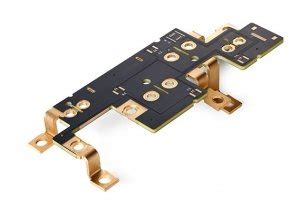
Smart PCBs for Connected Vehicles
The evolution of connected vehicles hinges on advanced PCB assembly solutions that integrate telematics, vehicle-to-everything (V2X) communication, and onboard infotainment systems. Modern PCBA designs incorporate high-frequency materials and miniaturized components to support 5G connectivity, real-time data processing, and sensor fusion. As vehicles transition into mobile IoT hubs, manufacturers prioritize rigid-flex PCBs that withstand vibrations while enabling compact layouts for radar modules and AI-powered navigation systems.
A critical challenge lies in balancing signal integrity with thermal performance, especially as edge computing demands escalate. Leading automotive PCB manufacturers now employ laser-drilled microvias and embedded passives to optimize space utilization in ADAS-enabled control units. The shift toward domain-centralized architectures further drives the need for multilayer PCBA configurations capable of handling high-speed CAN FD and Ethernet protocols.
To ensure reliability, these smart PCBs undergo stringent testing for electromagnetic compatibility (EMC) and thermal cycling, aligning with automotive-grade certifications like AEC-Q100. Innovations such as conductive ink printing and ceramic substrates are emerging to address power distribution challenges in next-gen connected mobility platforms. By advancing PCB assembly techniques, the industry is paving the way for seamless over-the-air updates and enhanced cybersecurity frameworks in tomorrow’s intelligent vehicles.
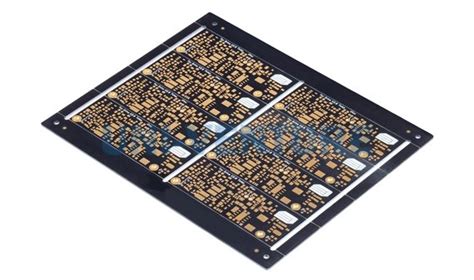
Auto PCB Reliability Standards Guide
Modern automotive systems demand PCB assembly (PCBA) processes that meet stringent reliability requirements, particularly as vehicles integrate more safety-critical electronics. Industry standards like AEC-Q100 and IPC-6012DA define rigorous testing protocols for thermal cycling, vibration resistance, and moisture protection—key factors given the extreme operating environments of automobiles. Leading automotive PCB manufacturers prioritize multilayer designs with enhanced copper thickness and advanced solder masks to ensure long-term durability in ADAS controllers and EV battery management systems.
Compliance with ISO 26262 functional safety standards further mandates traceability throughout the PCBA supply chain, from substrate material selection to final inspection. For instance, high-temperature laminates like polyimide are increasingly adopted to withstand under-the-hood conditions exceeding 150°C. Third-party certifications such as IATF 16949 validate manufacturers’ adherence to zero-defect targets, while accelerated life testing simulates decade-long operational stresses within weeks. These frameworks not only mitigate failure risks but also align with evolving connected vehicle architectures requiring seamless integration between infotainment PCBs and V2X communication modules.
As autonomous driving technologies advance, standardization bodies continue refining requirements for impedance control and signal integrity in high-frequency automotive PCBs, ensuring compatibility with next-gen radar and LiDAR systems.
Thermal Solutions for Auto PCBs
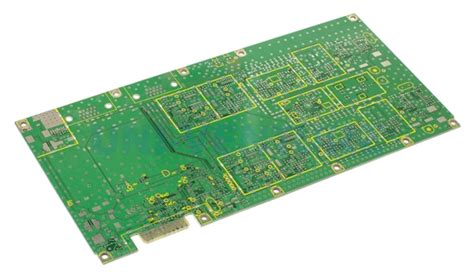
Effective thermal management is a cornerstone of modern automotive PCB assembly, ensuring reliability across increasingly complex vehicle systems. As electric powertrains and high-performance computing modules generate more heat, manufacturers are integrating advanced cooling strategies directly into PCBA designs. Multi-layered boards with thermal vias—microscopic channels filled with conductive material—enable efficient heat dissipation from critical components like power converters and motor controllers. For high-current applications in EVs, metal-core PCBs with aluminum or copper substrates provide superior thermal conductivity, reducing the risk of overheating in battery management systems.
To address uneven heat distribution, engineers leverage computational fluid dynamics (CFD) simulations during the PCB assembly phase, optimizing component placement and airflow pathways. Encapsulation materials with high glass transition temperatures (Tg) further enhance stability in underhood environments, where temperatures can exceed 125°C. Innovations such as embedded heatsinks and thermally conductive adhesives are becoming standard in PCBA units for ADAS sensors, ensuring consistent performance even during prolonged operation. By balancing miniaturization demands with rigorous thermal requirements, these solutions underscore the precision required to power next-generation automotive electronics.
Next-Gen Materials for Automotive PCBs
The evolution of automotive PCB manufacturing hinges on breakthroughs in material science, as modern vehicles demand circuit boards capable of withstanding extreme conditions while maintaining high-speed signal integrity. Leading PCB assembly providers now prioritize substrates like high-Tg (glass transition temperature) laminates and ceramic-filled PTFE composites, which offer superior thermal stability for PCBA in electric vehicle powertrains or ADAS sensor arrays. These materials reduce signal loss at frequencies above 24 GHz—critical for millimeter-wave radar systems—and resist degradation from automotive fluids or temperature fluctuations spanning -40°C to 150°C.
Emerging liquid crystal polymer (LCP) films are gaining traction in connected vehicle applications, enabling flexible PCB assembly designs for curved displays and compact telematics modules. Meanwhile, direct-bonded copper (DBC) substrates address heat dissipation challenges in high-current EV charging systems through their unmatched thermal conductivity. As automotive PCB manufacturers adopt these innovations, they simultaneously comply with stringent AEC-Q100 and IPC-6012DA standards, ensuring material choices align with automotive-grade reliability requirements. This material revolution not only enhances PCBA performance but also paves the way for thinner, lighter boards essential for next-gen autonomous driving architectures.
PCB Advances in Future Mobility
As vehicle autonomy progresses, automotive PCB manufacturers are pioneering innovations to meet the demands of next-generation mobility ecosystems. Advanced driver-assistance systems (ADAS) and vehicle-to-everything (V5X) communication require pcb assembly solutions that integrate high-density interconnects (HDI) and embedded components. These designs enable faster signal transmission while minimizing electromagnetic interference—a critical factor for real-time decision-making in autonomous driving.
The shift toward flexible and rigid-flex PCBs is reshaping pcba strategies, allowing circuits to conform to unconventional spaces within electric and connected vehicles. For instance, curved displays and sensor arrays now leverage ultrathin substrates with enhanced thermal stability. Innovations like liquid-cooled PCBs are also emerging to manage heat in high-power EV battery management systems, extending component lifespan under extreme operating conditions.
Moreover, automotive PCB manufacturers are adopting advanced materials such as ceramic-filled laminates and low-loss dielectrics to support millimeter-wave frequencies for 5G-enabled telematics. These materials, combined with stringent AEC-Q200 compliance, ensure reliability across temperature fluctuations and vibrational stresses. By optimizing pcb assembly processes for scalability and precision, manufacturers are laying the foundation for safer, smarter, and more interconnected mobility networks.
Conclusion
As automotive technologies continue to evolve, the role of specialized PCB assembly (PCBA) providers becomes increasingly pivotal in shaping the future of mobility. Manufacturers prioritizing high-reliability PCBs are not only meeting stringent automotive-grade standards but also enabling breakthroughs in ADAS functionalities, electric vehicle powertrains, and V2X communication systems. By leveraging advanced thermal management solutions and next-generation substrate materials, these suppliers ensure circuit boards withstand extreme operating conditions while maintaining signal integrity. The shift toward connected and autonomous vehicles further underscores the need for miniaturized, high-density PCBA designs that integrate seamlessly with AI-driven architectures. As automakers demand faster prototyping and scalable production, partnerships with automotive PCB manufacturers will remain critical to balancing innovation with cost-efficiency. Ultimately, the convergence of durability, performance, and sustainability in PCB technologies will define how quickly next-gen mobility solutions transition from concept to reality.
Frequently Asked Questions
What distinguishes automotive PCBs from standard circuit boards?
Automotive PCBs require high-reliability designs to withstand vibrations, temperature extremes, and prolonged operational cycles. They undergo rigorous PCBA processes to ensure compliance with mission-critical safety standards like AEC-Q100.
How do manufacturers ensure durability in extreme temperatures?
Advanced thermal management solutions, such as ceramic substrates or metal-core boards, are integrated during PCB assembly. These materials dissipate heat efficiently while maintaining signal integrity in high-stress environments.
What certifications are critical for automotive PCB production?
Leading manufacturers adhere to IATF 16949 for quality management and ISO 26262 for functional safety. These frameworks govern everything from PCBA workflows to final testing protocols for zero-defect tolerances.
Can existing PCB designs be adapted for electric vehicles (EVs)?
While some conventional layouts can be modified, EV-specific applications demand high-voltage systems and enhanced insulation. Collaborating with automotive PCB manufacturers ensures designs meet next-gen power distribution requirements.
How important are material selections for connected vehicle PCBs?
Material choice directly impacts performance in data-driven systems like V2X communication. High-frequency laminates (e.g., Rogers RO4000®) minimize signal loss, ensuring reliability in 5G-enabled PCBA configurations.
What’s the typical lead time for automotive PCB orders?
Lead times range from 2–6 weeks, depending on layer complexity and PCB assembly specifications. Prototyping phases often prioritize accelerated timelines for time-sensitive R&D projects.
Ready to Elevate Your Automotive Electronics?
For automotive-grade PCB assembly solutions that combine innovation with compliance, please click here to explore tailored services for ADAS, EVs, and smart mobility systems.