Baking pcb before assembly
Importance Of Baking PCBs Before Assembly
Baking printed circuit boards (PCBs) before assembly is a critical step in the manufacturing process that ensures the reliability and longevity of electronic devices. This pre-assembly procedure is often overlooked, yet it plays a pivotal role in preventing defects and enhancing the overall quality of the final product. Understanding the importance of baking PCBs involves delving into the reasons behind this practice and the benefits it offers to the assembly process.
Moisture absorption is a primary concern in PCB manufacturing.
PCBs are typically made from materials such as fiberglass and epoxy resin, which are hygroscopic in nature. This means they have a tendency to absorb moisture from the environment. When PCBs are exposed to humid conditions, they can absorb significant amounts of moisture, which can lead to a range of issues during the soldering process. For instance, the presence of moisture can cause delamination, where layers of the PCB separate, or it can lead to the formation of micro-cracks. These defects can severely compromise the structural integrity and functionality of the board.
To mitigate these risks, baking PCBs before assembly is essential.
The baking process involves heating the PCBs at a controlled temperature for a specified duration to effectively remove any absorbed moisture. By doing so, manufacturers can prevent the occurrence of defects such as delamination and micro-cracking. Moreover, baking helps in reducing the risk of soldering issues like solder balls and voids, which can occur when moisture trapped within the PCB vaporizes during the high-temperature soldering process. This vaporization can create pressure that leads to the formation of these defects, ultimately affecting the electrical performance of the board.
In addition to preventing physical defects, baking PCBs also contributes to improved solderability.
Moisture can interfere with the soldering process by causing oxidation on the surface of the PCB. Oxidation can hinder the proper adhesion of solder to the board, resulting in weak or unreliable solder joints. By removing moisture through baking, the risk of oxidation is minimized, thereby enhancing the solderability of the PCB and ensuring robust connections between components.
Furthermore, baking PCBs is a proactive measure that aligns with industry standards and best practices.
Many industry guidelines, such as those from the IPC (Institute for Printed Circuits), recommend baking as a standard procedure for moisture-sensitive components and assemblies. Adhering to these standards not only ensures compliance but also demonstrates a commitment to quality and reliability in the manufacturing process.
In conclusion, the importance of baking PCBs before assembly cannot be overstated. This crucial step addresses the challenges posed by moisture absorption, thereby preventing defects that could compromise the performance and durability of electronic devices. By ensuring the removal of moisture, baking enhances solderability and aligns with industry standards, ultimately contributing to the production of high-quality, reliable PCBs. As technology continues to advance and the demand for reliable electronic devices grows, the practice of baking PCBs before assembly remains an indispensable part of the manufacturing process, safeguarding the integrity and functionality of electronic products.
Step-By-Step Guide To Baking PCBs
Baking printed circuit boards (PCBs) before assembly is a crucial step in the manufacturing process, aimed at ensuring the reliability and longevity of electronic devices. This procedure is primarily undertaken to remove moisture that may have been absorbed by the PCBs during storage or transportation.
Moisture can lead to several issues, such as delamination, popcorning, and other defects during the soldering process.
Therefore, understanding the step-by-step guide to baking PCBs is essential for manufacturers and engineers who aim to produce high-quality electronic products.
To begin with, it is important to assess the condition of the PCBs upon receipt.
This involves inspecting them for any visible signs of moisture or damage. If the PCBs have been stored in a controlled environment with low humidity, baking might not be necessary.
However, if there is any doubt about their condition, it is prudent to proceed with the baking process.
The first step in this process is to preheat the oven to the recommended temperature, which typically ranges between 100°C and 125°C. This temperature is sufficient to evaporate any absorbed moisture without causing damage to the board or its components.
Once the oven reaches the desired temperature, the PCBs should be placed inside.
It is crucial to arrange them in a manner that allows for even heat distribution. This can be achieved by placing the boards on a wire rack, ensuring that they do not overlap or touch each other. The duration of the baking process depends on the thickness and material of the PCB, as well as the level of moisture absorption. Generally, a baking time of 2 to 8 hours is recommended. Thicker boards or those suspected of having absorbed more moisture may require longer baking times.
During the baking process, it is essential to monitor the temperature closely.
Fluctuations in temperature can lead to uneven drying, which might not effectively remove all the moisture. Therefore, using an oven with a reliable thermostat is advisable. Additionally, it is important to ensure that the oven is well-ventilated to allow moisture to escape. This can be achieved by slightly opening the oven door or using an oven with a built-in ventilation system.
After the baking process is complete, the PCBs should be allowed to cool gradually to room temperature.
Rapid cooling can lead to thermal shock, which may cause warping or other structural issues. Once cooled, the boards should be inspected again to ensure that they are free from any defects that might have occurred during the baking process. If any issues are detected, it may be necessary to repeat the baking process or consider alternative methods of moisture removal.
In conclusion, baking PCBs before assembly is a vital step in ensuring the quality and reliability of electronic devices. By following a systematic approach, manufacturers can effectively remove moisture and prevent potential defects during the soldering process. This not only enhances the performance of the final product but also extends its lifespan, thereby providing greater value to consumers. As technology continues to advance, adhering to best practices in PCB preparation will remain a cornerstone of successful electronic manufacturing.
Common Mistakes To Avoid When Baking PCBs
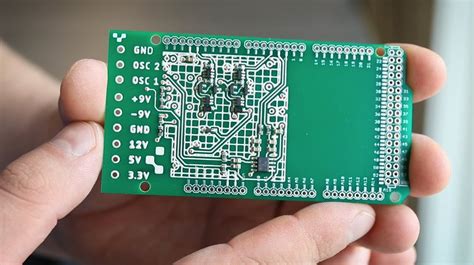
Baking printed circuit boards (PCBs) before assembly is a crucial step in the manufacturing process, aimed at removing moisture that can lead to defects during soldering. However, despite its importance, several common mistakes can undermine the effectiveness of this procedure. Understanding these pitfalls is essential for ensuring the integrity and performance of the final product.
One prevalent mistake is neglecting to assess the moisture sensitivity level (MSL) of the components.
Each component has a specific MSL rating that dictates how long it can be exposed to ambient conditions before it must be baked. Failing to adhere to these guidelines can result in insufficient moisture removal, leading to issues such as delamination or “popcorning” during reflow soldering. Therefore, it is imperative to consult the manufacturer’s specifications and ensure that the baking process aligns with the MSL requirements of all components involved.
Another common error is setting inappropriate baking temperatures and durations.
While it might seem intuitive to increase the temperature or extend the baking time to ensure thorough moisture removal, doing so can damage sensitive components or the PCB itself. Excessive heat can cause warping, degrade solderability, or even lead to the breakdown of certain materials. Consequently, it is vital to follow recommended temperature and time settings, typically around 105°C for 4 to 6 hours, unless specified otherwise by the component manufacturer.
Moreover, improper handling and storage of PCBs before and after baking can negate the benefits of the process.
Once baked, PCBs should be stored in a controlled environment to prevent reabsorption of moisture. This often involves using moisture barrier bags with desiccants and humidity indicator cards to monitor the moisture levels. Mishandling or exposing baked PCBs to humid conditions can quickly reverse the effects of baking, making it a futile exercise.
In addition to these technical considerations, overlooking the calibration and maintenance of baking equipment is another frequent oversight.
Ovens used for baking PCBs must be regularly calibrated to ensure they maintain consistent temperatures throughout the process. Inaccurate temperature readings can lead to uneven baking, where some areas of the PCB may remain moisture-laden while others are adequately dried. Regular maintenance checks and calibrations are essential to prevent such inconsistencies and ensure the reliability of the baking process.
Furthermore, failing to document and standardize the baking process can lead to variability and errors.
Establishing a clear protocol that outlines the steps, conditions, and parameters for baking PCBs is crucial for maintaining consistency across batches. This documentation should be accessible to all personnel involved in the process, ensuring that everyone adheres to the same standards and procedures.
In conclusion, while baking PCBs before assembly is a critical step in preventing moisture-related defects, it is fraught with potential pitfalls that can compromise the quality of the final product. By understanding and avoiding common mistakes such as ignoring MSL ratings, mismanaging baking conditions, mishandling PCBs, neglecting equipment maintenance, and failing to standardize procedures, manufacturers can enhance the reliability and performance of their PCBs. Through careful attention to these details, the baking process can effectively contribute to the overall success of PCB assembly and manufacturing.
Benefits Of Baking PCBs For Enhanced Durability
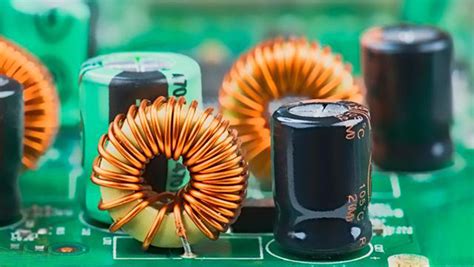
Baking printed circuit boards (PCBs) before assembly is a crucial step in the manufacturing process that significantly enhances the durability and reliability of electronic devices. This pre-assembly procedure involves subjecting the PCBs to controlled heat treatment, which serves multiple purposes, ultimately contributing to the longevity and performance of the final product. Understanding the benefits of this practice is essential for manufacturers aiming to produce high-quality electronics.
One of the primary advantages of baking PCBs is the removal of moisture.
PCBs are often stored in environments where they can absorb moisture from the air. This absorbed moisture can lead to several issues during the soldering process, such as delamination, blistering, and even catastrophic failure of the board. By baking the PCBs, manufacturers can effectively eliminate this moisture, thereby reducing the risk of defects. The heat treatment ensures that any absorbed water is evaporated, leaving the board in an optimal state for assembly.
In addition to moisture removal, baking PCBs also helps in stress relief.
During the manufacturing process, PCBs undergo various mechanical and thermal stresses that can lead to warping or distortion. Baking the boards allows for the relaxation of these stresses, ensuring that the PCBs maintain their intended shape and dimensions. This is particularly important for high-density boards where precision is critical. By stabilizing the board’s structure, manufacturers can ensure better alignment and fit during assembly, which is crucial for the functionality of complex electronic devices.
Moreover, baking PCBs can enhance the adhesion of solder masks and other coatings.
The heat treatment process can improve the surface energy of the board, allowing for better bonding of these protective layers. This improved adhesion not only enhances the durability of the solder mask but also provides better protection against environmental factors such as humidity and chemical exposure. Consequently, the electronic components mounted on the board are better shielded from potential damage, thereby extending the lifespan of the device.
Furthermore, baking PCBs can lead to improved solderability.
The process can help in activating the surface of the copper pads, making them more receptive to solder. This results in stronger and more reliable solder joints, which are less prone to failure. Reliable solder joints are essential for the electrical performance of the device, as they ensure stable connections between components and the board. By enhancing solderability, baking contributes to the overall robustness of the electronic assembly.
In conclusion, the practice of baking PCBs before assembly offers numerous benefits that collectively enhance the durability and reliability of electronic devices. By effectively removing moisture, relieving stress, improving adhesion, and enhancing solderability, this process addresses several potential issues that could compromise the performance and longevity of the final product. As the demand for high-quality electronics continues to grow, manufacturers must prioritize such practices to meet the expectations of consumers and ensure the success of their products in the competitive market. Embracing the benefits of baking PCBs is a testament to a commitment to quality and innovation in electronic manufacturing.