Baking Rigid Flex PCBs
Design Tips for Baking Rigid Flex PCBs
When designing and baking rigid-flex PCBs, it is crucial to consider several factors to ensure the final product meets the desired specifications and performs reliably
One of the most important aspects to focus on is the baking process, which plays a significant role in the overall quality and durability of the PCB.
To begin with, understanding the materials used in rigid-flex PCBs is essential. These PCBs combine rigid and flexible substrates, typically involving layers of polyimide and FR4. The polyimide layers provide flexibility, while the FR4 layers offer rigidity. This combination allows for complex designs and applications, but it also introduces challenges in the manufacturing process, particularly during baking.
The baking process is vital for removing moisture from the PCB materials.
Moisture can lead to several issues, such as delamination, blistering, and poor adhesion between layers. Therefore, it is imperative to follow a well-defined baking procedure. Initially, pre-baking the individual materials before lamination is recommended.
This step ensures that any absorbed moisture is eliminated, reducing the risk of defects during subsequent manufacturing stages.
Typically, pre-baking involves heating the materials at a controlled temperature, usually around 120°C to 150°C, for a specified duration, often ranging from 2 to 4 hours.
Once the materials are pre-baked and laminated, the next critical step is the post-lamination baking process.
This stage aims to further remove any residual moisture and to cure the adhesive layers fully. The post-lamination baking process generally involves a multi-stage heating cycle. Initially, the PCB is heated to a lower temperature, around 80°C to 100°C, to gradually remove moisture without causing thermal shock.
Subsequently, the temperature is increased to a higher range, typically between 150°C and 180°C, to ensure complete curing of the adhesive layers. This multi-stage approach helps in achieving a uniform and defect-free PCB.
In addition to temperature control, the duration of the baking process is equally important.
Over-baking can lead to thermal degradation of the materials, while under-baking may result in incomplete moisture removal and curing. Therefore, it is essential to follow the recommended baking times provided by material manufacturers. Typically, the post-lamination baking process lasts between 4 to 8 hours, depending on the complexity and thickness of the PCB.
Another critical aspect to consider is the environment in which the baking process takes place.
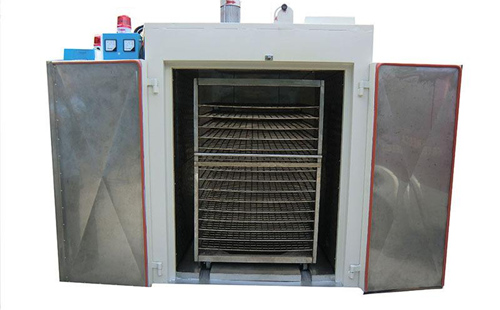
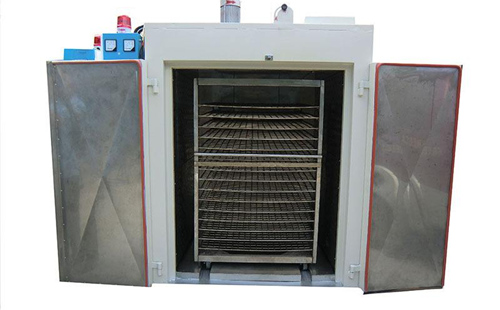
Maintaining a clean and controlled environment is crucial to prevent contamination and ensure consistent results. Using clean ovens with proper ventilation and temperature control systems is highly recommended. Additionally, monitoring the humidity levels in the baking area is essential, as high humidity can reintroduce moisture into the PCB materials.
Furthermore, it is important to consider the design aspects that can influence the baking process.
For instance, the layout and arrangement of the rigid and flexible sections can impact the heat distribution during baking. Ensuring an even distribution of heat across the entire PCB is crucial to avoid localized overheating or under-heating. Therefore, designing the PCB with uniform layer thickness and avoiding sharp transitions between rigid and flexible sections can help in achieving a more consistent baking process.
In conclusion, the baking process is a critical step in the manufacturing of rigid-flex PCBs. By understanding the materials, following a well-defined baking procedure, and considering design aspects, it is possible to achieve high-quality and reliable PCBs. Proper temperature control, duration, and environmental conditions are essential to ensure the removal of moisture and complete curing of adhesive layers. By paying attention to these details, manufacturers can produce rigid-flex PCBs that meet the desired performance and reliability standards.
Common Mistakes to Avoid When Baking Rigid Flex PCBs
Baking rigid flex PCBs is a critical step in the manufacturing process, ensuring the removal of moisture and enhancing the reliability of the final product. However, this process is fraught with potential pitfalls that can compromise the integrity and performance of the printed circuit boards.
One common mistake is failing to adequately pre-bake the materials.
Pre-baking is essential to eliminate any residual moisture that could lead to delamination or other defects during subsequent processing steps. Neglecting this step can result in compromised adhesion between layers, ultimately affecting the durability and functionality of the PCB.
Another frequent error is improper temperature control.
The baking process requires precise temperature settings to ensure that the materials are adequately cured without causing thermal damage. Overheating can lead to warping or even burning of the substrate, while insufficient heat may leave moisture trapped within the layers. Therefore, it is crucial to adhere to the recommended temperature profiles provided by material manufacturers. Additionally, the duration of the baking process must be carefully monitored. Extended baking times can degrade the material properties, while insufficient baking may not effectively remove all moisture.
Transitioning to another common issue, the uniformity of heat distribution within the oven is often overlooked.
Uneven heating can cause localized hot spots, leading to inconsistent curing and potential defects in the PCB. To mitigate this risk, it is advisable to use ovens with advanced temperature control systems that ensure uniform heat distribution. Regular calibration and maintenance of the oven are also essential to maintain optimal performance.
Furthermore, the handling of PCBs during the baking process is another area where mistakes frequently occur.
Improper handling can introduce contaminants or cause physical damage to the boards. It is important to use clean, non-abrasive tools and to follow proper handling procedures to avoid introducing defects. Additionally, the orientation of the PCBs within the oven can impact the effectiveness of the baking process. Ensuring that the boards are positioned to allow for adequate airflow and heat exposure is crucial for achieving uniform results.
Another critical aspect to consider is the selection of appropriate baking fixtures.
Using unsuitable fixtures can lead to mechanical stress or deformation of the PCBs during the baking process. It is important to choose fixtures that provide adequate support while allowing for thermal expansion and contraction. Moreover, the materials used for the fixtures should be compatible with the baking temperatures to avoid any adverse reactions.
In addition to these technical considerations, it is also important to maintain a clean and controlled environment during the baking process.
Contaminants such as dust, oils, or other foreign particles can compromise the quality of the PCBs. Implementing strict cleanliness protocols and using cleanroom facilities can help mitigate this risk. Regular inspection and cleaning of the oven and surrounding areas are also essential to maintain a contaminant-free environment.
Lastly, it is important to document and adhere to a standardized baking process.
Consistency is key to achieving reliable results, and having a well-documented process ensures that all steps are followed correctly. This includes recording temperature profiles, baking durations, and any observations or deviations encountered during the process. Regular training and updates for personnel involved in the baking process can also help maintain high standards and prevent common mistakes.
In conclusion, baking rigid flex PCBs is a complex process that requires careful attention to detail and adherence to best practices. By avoiding common mistakes such as inadequate pre-baking, improper temperature control, uneven heat distribution, improper handling, unsuitable fixtures, and maintaining a clean environment, manufacturers can ensure the production of high-quality, reliable PCBs.
The Importance of Temperature Control in Baking Rigid Flex PCBs
In the intricate world of electronics manufacturing, the production of rigid flex printed circuit boards (PCBs) stands out as a particularly demanding process. These hybrid circuits, which combine the best attributes of rigid and flexible PCBs, are essential in applications requiring both durability and flexibility.
One of the most critical aspects of manufacturing rigid flex PCBs is the baking process, where temperature control plays a pivotal role.
Understanding the importance of precise temperature management during this phase is crucial for ensuring the reliability and performance of the final product.
To begin with, the baking process in rigid flex PCB manufacturing serves multiple purposes. Primarily, it is employed to remove any residual moisture that may have been absorbed by the materials during storage or handling.
Moisture trapped within the PCB layers can lead to delamination, blistering, and other forms of structural damage when the board is subjected to high temperatures during soldering or operation.
Therefore, maintaining an optimal temperature during baking is essential to effectively eliminate moisture without compromising the integrity of the materials.
Moreover, temperature control during baking is vital for achieving the desired mechanical properties of the PCB.
The materials used in rigid flex PCBs, such as polyimide and FR4, have specific thermal characteristics that must be carefully managed. Excessive temperatures can cause these materials to degrade, leading to a loss of flexibility and mechanical strength. Conversely, insufficient temperatures may result in incomplete curing of adhesives and resins, which can affect the board’s overall performance. Thus, a well-regulated baking process ensures that the materials reach their optimal state, providing the necessary balance between rigidity and flexibility.
In addition to moisture removal and material conditioning, temperature control during baking also impacts the electrical performance of rigid flex PCBs.
The dielectric properties of the materials used in these boards are temperature-dependent. Any deviation from the recommended baking temperature can alter the dielectric constant and dissipation factor, which in turn affects signal integrity and impedance control.
For high-frequency applications, even minor variations in these parameters can lead to significant performance issues. Therefore, maintaining a consistent and precise temperature during baking is crucial for preserving the electrical characteristics of the PCB.
Furthermore, the complexity of rigid flex PCBs necessitates a multi-stage baking process, where different temperature profiles are applied at various stages. Each stage is designed to address specific requirements, such as initial moisture removal, adhesive curing, and final stress relief.
Transitioning smoothly between these stages requires meticulous temperature control to prevent thermal shock and ensure uniform heating across the entire board. Any abrupt changes in temperature can induce thermal stresses, leading to warping, cracking, or other forms of mechanical failure. Consequently, a carefully monitored and controlled baking process is indispensable for producing high-quality rigid flex PCBs.
In conclusion, the importance of temperature control in the baking of rigid flex PCBs cannot be overstated. It is a critical factor that influences moisture removal, material properties, electrical performance, and overall reliability of the final product. By adhering to precise temperature profiles and ensuring uniform heating, manufacturers can mitigate potential issues and produce robust, high-performance rigid flex PCBs. As the demand for these versatile circuits continues to grow, the emphasis on meticulous temperature management during the baking process will remain a cornerstone of successful PCB manufacturing.
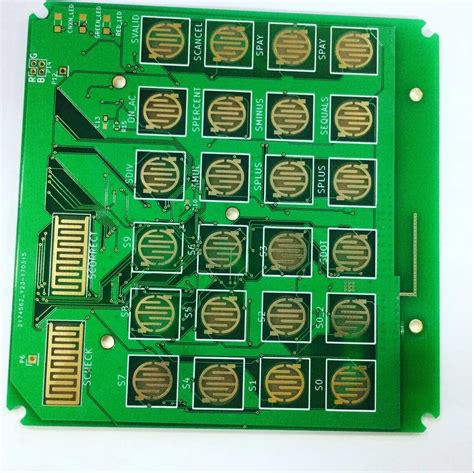
Step-by-Step Guide to Baking Rigid Flex PCBs at Home
Baking rigid flex PCBs at home is a meticulous process that requires precision, patience, and a keen understanding of the materials and techniques involved. To begin with, it is essential to gather all necessary materials and tools, including the rigid flex PCB, a reliable oven, a temperature controller, and appropriate safety gear.
The first step in this process is to prepare the PCB by ensuring it is clean and free from any contaminants.
This can be achieved by using isopropyl alcohol and a lint-free cloth to wipe down the surface, thereby removing any dust, oils, or residues that could interfere with the baking process.
Once the PCB is thoroughly cleaned, the next step involves preheating the oven to the required temperature.
It is crucial to follow the manufacturer’s specifications for the specific type of rigid flex PCB you are working with, as different materials may have varying temperature requirements. Typically, a temperature range of 120°C to 150°C is recommended for most rigid flex PCBs. Using a temperature controller can help maintain a consistent temperature throughout the baking process, ensuring that the PCB is evenly heated.
After the oven has reached the desired temperature, carefully place the PCB inside.
It is advisable to use a baking tray or a heat-resistant surface to support the PCB, preventing any direct contact with the oven’s heating elements. This step is critical to avoid any potential damage to the PCB. Additionally, it is important to monitor the temperature closely during the baking process, as fluctuations can lead to uneven curing or warping of the PCB.
The duration of the baking process can vary depending on the specific requirements of the rigid flex PCB.
Generally, a baking time of 30 to 60 minutes is sufficient to achieve the desired results. During this period, it is essential to avoid opening the oven door frequently, as this can cause temperature drops and affect the overall quality of the PCB. Instead, rely on the temperature controller and any built-in oven indicators to ensure that the process is proceeding as planned.
Once the baking time has elapsed, it is crucial to allow the PCB to cool gradually.
Rapid cooling can cause thermal shock, leading to potential damage or warping of the PCB. To facilitate gradual cooling, turn off the oven and leave the PCB inside for an additional 15 to 20 minutes. After this period, carefully remove the PCB from the oven and place it on a heat-resistant surface to continue cooling at room temperature.
Upon completion of the cooling process, it is important to inspect the PCB for any signs of defects or irregularities. Look for any warping, discoloration, or delamination that may have occurred during the baking process. If any issues are detected, it may be necessary to repeat the baking process or consult the manufacturer’s guidelines for further troubleshooting.
In conclusion, baking rigid flex PCBs at home requires careful attention to detail and adherence to specific guidelines to ensure optimal results. By following the steps outlined above, including thorough cleaning, precise temperature control, and gradual cooling, you can achieve a high-quality, reliable rigid flex PCB suitable for various applications. This process not only enhances the durability and performance of the PCB but also provides a cost-effective solution for hobbyists and professionals alike.
Design Tips for Baking Rigid Flex PCBs
When designing rigid-flex PCBs, it is crucial to consider several factors to ensure the final product meets the desired specifications and performs reliably.
One of the most important aspects to focus on is the baking process, which plays a significant role in the overall quality and durability of the PCB.
To begin with, understanding the materials used in rigid-flex PCBs is essential.
These PCBs combine rigid and flexible substrates, typically involving layers of polyimide and FR4. The polyimide layers provide flexibility, while the FR4 layers offer rigidity. This combination allows for complex designs and applications, but it also introduces challenges in the manufacturing process, particularly during baking.
The baking process is vital for removing moisture from the PCB materials.
Moisture can lead to several issues, such as delamination, blistering, and poor adhesion between layers. Therefore, it is imperative to follow a well-defined baking procedure. Initially, pre-baking the individual materials before lamination is recommended. This step ensures that any absorbed moisture is eliminated, reducing the risk of defects during subsequent manufacturing stages. Typically, pre-baking involves heating the materials at a controlled temperature, usually around 120°C to 150°C, for a specified duration, often ranging from 2 to 4 hours.
Once the materials are pre-baked and laminated, the next critical step is the post-lamination baking process.
This stage aims to further remove any residual moisture and to cure the adhesive layers fully. The post-lamination baking process generally involves a multi-stage heating cycle. Initially, the PCB is heated to a lower temperature, around 80°C to 100°C, to gradually remove moisture without causing thermal shock. Subsequently, the temperature is increased to a higher range, typically between 150°C and 180°C, to ensure complete curing of the adhesive layers. This multi-stage approach helps in achieving a uniform and defect-free PCB.
In addition to temperature control, the duration of the baking process is equally important. Over-baking can lead to thermal degradation of the materials, while under-baking may result in incomplete moisture removal and curing. Therefore, it is essential to follow the recommended baking times provided by material manufacturers. Typically, the post-lamination baking process lasts between 4 to 8 hours, depending on the complexity and thickness of the PCB.
Another critical aspect to consider is the environment in which the baking process takes place.
Maintaining a clean and controlled environment is crucial to prevent contamination and ensure consistent results. Using clean ovens with proper ventilation and temperature control systems is highly recommended. Additionally, monitoring the humidity levels in the baking area is essential, as high humidity can reintroduce moisture into the PCB materials.
Furthermore, it is important to consider the design aspects that can influence the baking process. For instance, the layout and arrangement of the rigid and flexible sections can impact the heat distribution during baking. Ensuring an even distribution of heat across the entire PCB is crucial to avoid localized overheating or under-heating. Therefore, designing the PCB with uniform layer thickness and avoiding sharp transitions between rigid and flexible sections can help in achieving a more consistent baking process.
In conclusion, the baking process is a critical step in the manufacturing of rigid-flex PCBs. By understanding the materials, following a well-defined baking procedure, and considering design aspects, it is possible to achieve high-quality and reliable PCBs. Proper temperature control, duration, and environmental conditions are essential to ensure the removal of moisture and complete curing of adhesive layers. By paying attention to these details, manufacturers can produce rigid-flex PCBs that meet the desired performance and reliability standards.
Common Mistakes to Avoid When Baking Rigid Flex PCBs
Baking rigid flex PCBs is a critical step in the manufacturing process, ensuring the removal of moisture and enhancing the reliability of the final product. However, this process is fraught with potential pitfalls that can compromise the integrity and performance of the printed circuit boards.
One common mistake is failing to adequately pre-bake the materials.
Pre-baking is essential to eliminate any residual moisture that could lead to delamination or other defects during subsequent processing steps. Neglecting this step can result in compromised adhesion between layers, ultimately affecting the durability and functionality of the PCB.
Another frequent error is improper temperature control.
The baking process requires precise temperature settings to ensure that the materials are adequately cured without causing thermal damage. Overheating can lead to warping or even burning of the substrate, while insufficient heat may leave moisture trapped within the layers. Therefore, it is crucial to adhere to the recommended temperature profiles provided by material manufacturers. Additionally, the duration of the baking process must be carefully monitored. Extended baking times can degrade the material properties, while insufficient baking may not effectively remove all moisture.
Transitioning to another common issue, the uniformity of heat distribution within the oven is often overlooked.
Uneven heating can cause localized hot spots, leading to inconsistent curing and potential defects in the PCB. To mitigate this risk, it is advisable to use ovens with advanced temperature control systems that ensure uniform heat distribution. Regular calibration and maintenance of the oven are also essential to maintain optimal performance.
Furthermore, the handling of PCBs during the baking process is another area where mistakes frequently occur.
Improper handling can introduce contaminants or cause physical damage to the boards. It is important to use clean, non-abrasive tools and to follow proper handling procedures to avoid introducing defects. Additionally, the orientation of the PCBs within the oven can impact the effectiveness of the baking process. Ensuring that the boards are positioned to allow for adequate airflow and heat exposure is crucial for achieving uniform results.
Another critical aspect to consider is the selection of appropriate baking fixtures.
Using unsuitable fixtures can lead to mechanical stress or deformation of the PCBs during the baking process. It is important to choose fixtures that provide adequate support while allowing for thermal expansion and contraction. Moreover, the materials used for the fixtures should be compatible with the baking temperatures to avoid any adverse reactions.
In addition to these technical considerations, it is also important to maintain a clean and controlled environment during the baking process.
Contaminants such as dust, oils, or other foreign particles can compromise the quality of the PCBs. Implementing strict cleanliness protocols and using cleanroom facilities can help mitigate this risk. Regular inspection and cleaning of the oven and surrounding areas are also essential to maintain a contaminant-free environment.
Lastly, it is important to document and adhere to a standardized baking process. Consistency is key to achieving reliable results, and having a well-documented process ensures that all steps are followed correctly. This includes recording temperature profiles, baking durations, and any observations or deviations encountered during the process. Regular training and updates for personnel involved in the baking process can also help maintain high standards and prevent common mistakes.
In conclusion, baking rigid flex PCBs is a complex process that requires careful attention to detail and adherence to best practices. By avoiding common mistakes such as inadequate pre-baking, improper temperature control, uneven heat distribution, improper handling, unsuitable fixtures, and maintaining a clean environment, manufacturers can ensure the production of high-quality, reliable PCBs.
The Importance of Temperature Control in Baking Rigid Flex PCBs
In the intricate world of electronics manufacturing, the production of rigid flex printed circuit boards (PCBs) stands out as a particularly demanding process. These hybrid circuits, which combine the best attributes of rigid and flexible PCBs, are essential in applications requiring both durability and flexibility. One of the most critical aspects of manufacturing rigid flex PCBs is the baking process, where temperature control plays a pivotal role. Understanding the importance of precise temperature management during this phase is crucial for ensuring the reliability and performance of the final product.
To begin with, the baking process in rigid flex PCB manufacturing serves multiple purposes.
Primarily, it is employed to remove any residual moisture that may have been absorbed by the materials during storage or handling. Moisture trapped within the PCB layers can lead to delamination, blistering, and other forms of structural damage when the board is subjected to high temperatures during soldering or operation. Therefore, maintaining an optimal temperature during baking is essential to effectively eliminate moisture without compromising the integrity of the materials.
Moreover, temperature control during baking is vital for achieving the desired mechanical properties of the PCB.
The materials used in rigid flex PCBs, such as polyimide and FR4, have specific thermal characteristics that must be carefully managed. Excessive temperatures can cause these materials to degrade, leading to a loss of flexibility and mechanical strength. Conversely, insufficient temperatures may result in incomplete curing of adhesives and resins, which can affect the board’s overall performance. Thus, a well-regulated baking process ensures that the materials reach their optimal state, providing the necessary balance between rigidity and flexibility.
In addition to moisture removal and material conditioning, temperature control during baking also impacts the electrical performance of rigid flex PCBs.
The dielectric properties of the materials used in these boards are temperature-dependent. Any deviation from the recommended baking temperature can alter the dielectric constant and dissipation factor, which in turn affects signal integrity and impedance control. For high-frequency applications, even minor variations in these parameters can lead to significant performance issues. Therefore, maintaining a consistent and precise temperature during baking is crucial for preserving the electrical characteristics of the PCB.
Furthermore, the complexity of rigid flex PCBs necessitates a multi-stage baking process, where different temperature profiles are applied at various stages.
Each stage is designed to address specific requirements, such as initial moisture removal, adhesive curing, and final stress relief. Transitioning smoothly between these stages requires meticulous temperature control to prevent thermal shock and ensure uniform heating across the entire board. Any abrupt changes in temperature can induce thermal stresses, leading to warping, cracking, or other forms of mechanical failure. Consequently, a carefully monitored and controlled baking process is indispensable for producing high-quality rigid flex PCBs.
In conclusion, the importance of temperature control in the baking of rigid flex PCBs cannot be overstated. It is a critical factor that influences moisture removal, material properties, electrical performance, and overall reliability of the final product. By adhering to precise temperature profiles and ensuring uniform heating, manufacturers can mitigate potential issues and produce robust, high-performance rigid flex PCBs. As the demand for these versatile circuits continues to grow, the emphasis on meticulous temperature management during the baking process will remain a cornerstone of successful PCB manufacturing.
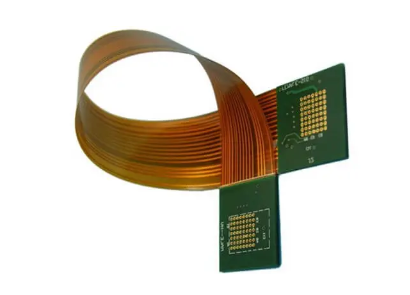
Step-by-Step Guide to Baking Rigid Flex PCBs at Home
Baking rigid flex PCBs at home is a meticulous process that requires precision, patience, and a keen understanding of the materials and techniques involved. To begin with, it is essential to gather all necessary materials and tools, including the rigid flex PCB, a reliable oven, a temperature controller, and appropriate safety gear. The first step in this process is to prepare the PCB by ensuring it is clean and free from any contaminants.
This can be achieved by using isopropyl alcohol and a lint-free cloth to wipe down the surface, thereby removing any dust, oils, or residues that could interfere with the baking process.
Once the PCB is thoroughly cleaned, the next step involves preheating the oven to the required temperature.
It is crucial to follow the manufacturer’s specifications for the specific type of rigid flex PCB you are working with, as different materials may have varying temperature requirements. Typically, a temperature range of 120°C to 150°C is recommended for most rigid flex PCBs. Using a temperature controller can help maintain a consistent temperature throughout the baking process, ensuring that the PCB is evenly heated.
After the oven has reached the desired temperature, carefully place the PCB inside.
It is advisable to use a baking tray or a heat-resistant surface to support the PCB, preventing any direct contact with the oven’s heating elements. This step is critical to avoid any potential damage to the PCB. Additionally, it is important to monitor the temperature closely during the baking process, as fluctuations can lead to uneven curing or warping of the PCB.
The duration of the baking process can vary depending on the specific requirements of the rigid flex PCB.
Generally, a baking time of 30 to 60 minutes is sufficient to achieve the desired results. During this period, it is essential to avoid opening the oven door frequently, as this can cause temperature drops and affect the overall quality of the PCB. Instead, rely on the temperature controller and any built-in oven indicators to ensure that the process is proceeding as planned.
Once the baking time has elapsed, it is crucial to allow the PCB to cool gradually.
Rapid cooling can cause thermal shock, leading to potential damage or warping of the PCB. To facilitate gradual cooling, turn off the oven and leave the PCB inside for an additional 15 to 20 minutes. After this period, carefully remove the PCB from the oven and place it on a heat-resistant surface to continue cooling at room temperature.
Upon completion of the cooling process, it is important to inspect the PCB for any signs of defects or irregularities.
Look for any warping, discoloration, or delamination that may have occurred during the baking process. If any issues are detected, it may be necessary to repeat the baking process or consult the manufacturer’s guidelines for further troubleshooting.
In conclusion, baking rigid flex PCBs at home requires careful attention to detail and adherence to specific guidelines to ensure optimal results. By following the steps outlined above, including thorough cleaning, precise temperature control, and gradual cooling, you can achieve a high-quality, reliable rigid flex PCB suitable for various applications. This process not only enhances the durability and performance of the PCB but also provides a cost-effective solution for hobbyists and professionals alike.