Budget PCB Prototyping Solutions for Small Batch Innovations
Key Takeaways
When exploring PCB manufacturing for small-batch projects, balancing cost and quality is critical. Many PCB manufacturing companies now cater specifically to innovators needing 1-5 units, with PCB manufacturing cost often falling below $150 for basic designs. These services typically include Gerber-to-PCB processing, enabling you to upload design files directly for rapid prototyping.
For ultra-low-volume needs, focus on vendors offering no minimum order requirements or low setup fees. Below is a comparison of budget-friendly options:
| Vendor | Min. Order | Cost Range | Key Features |
|---|---|---|---|
| ProtoQuick | 1 unit | $50–$130 | Free DFM checks, 48h turnaround |
| CircuitSeed | 2 units | $70–$150 | Integrated assembly options |
| HobbyPCB | 1 unit | $45–$120 | Hobbyist discounts, Gerber support |
Tip: To reduce PCB manufacturing business expenses, simplify designs by minimizing layer counts and avoiding oversized boards. Directly communicate your project’s scope—some vendors offer hidden discounts for early-stage innovators.
If you’re assembling boards yourself, prioritize suppliers providing pre-tinned pads or stencils to streamline soldering. For more insights on balancing affordability and functionality, explore this guide to cost-effective prototyping. By aligning your needs with specialized services, you can iterate designs without exceeding tight budgets.

Low-Cost PCB Prototyping Under 150
When refining early-stage designs, balancing PCB manufacturing cost and quality becomes critical. Many PCB manufacturing companies now cater specifically to innovators needing 1-5 units, offering streamlined processes that keep prototypes under $150. By focusing on essential features like 2-layer boards and standard FR-4 materials, you can avoid unnecessary expenses while testing core functionality.
Key to affordability is selecting vendors with transparent pricing models. Some providers specialize in PCB manufacturing business strategies that prioritize low-volume orders, eliminating setup fees for batches under 10 units. Uploading Gerber files directly to their platforms often triggers instant quotes, letting you compare PCB manufacturing options side-by-side. For example, certain services include free DFM checks, ensuring your design aligns with cost-effective production parameters.
Hobbyists should also explore panelization-sharing programs, where multiple designs are grouped on a single panel to split costs. While this extends lead times slightly, it dramatically reduces per-unit expenses. Pairing these strategies with basic PCB assembly services (like solder paste stencils) keeps total prototyping budgets lean. Always verify vendor capabilities—look for ISO-certified partners offering 24-hour turnaround guarantees to maintain momentum in your project timeline.
Affordable Small-Batch PCB Assembly Solutions
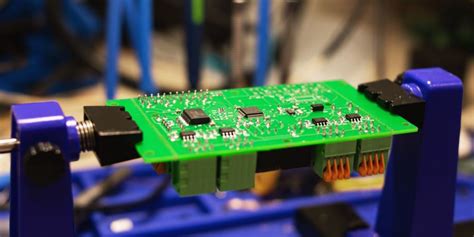
When refining early-stage designs, balancing PCB manufacturing cost with quality becomes critical for innovators working on tight budgets. Many PCB manufacturing companies now specialize in small-batch services (1-5 units), offering assembly options that align with limited production runs. By leveraging economies of scale through shared panelization or opting for standardized materials, these providers reduce per-unit expenses without compromising functionality. For instance, some vendors integrate low-cost surface-mount technology (SMT) with basic soldering processes to keep assembly fees under $50 for simple designs.
To minimize upfront investment, prioritize vendors that waive tooling fees or offer discounted rates for first-time customers. Platforms like JLCPCB or PCBWay provide transparent pricing calculators, allowing you to estimate PCB manufacturing business expenses based on board size, layer count, and component sourcing requirements. If your design uses common ICs or passives, consider in-stock component programs to avoid markup costs from specialty parts. Always verify whether your chosen supplier supports partial panel orders—this flexibility prevents material waste when prototyping ultra-low volumes.
Remember, optimizing your Gerber files for manufacturability (DFM) can further reduce PCB manufacturing surprises. Tools like KiCad’s Design Rule Checker help identify potential issues before submission, saving you from costly revisions. By aligning your design choices with budget-friendly assembly practices, even complex multi-layer prototypes can stay within the $150 threshold.
Gerber-to-PCB Services for Hobbyist Innovators
When refining small-batch designs, you need PCB manufacturing solutions that balance precision with affordability. Modern PCB manufacturing companies specializing in hobbyist projects now offer streamlined Gerber-to-PCB workflows, eliminating complex setup processes. By uploading your Gerber files directly, you bypass manual quoting stages, reducing PCB manufacturing cost by up to 40% compared to traditional methods.
These services cater to innovators requiring 1-5 units, with features like FR-4 material options and 1-2 layer boards optimized for prototyping. Vendors such as JLCPCB or PCBWay provide instant quotes based on board dimensions and layer counts, ensuring transparency in pricing. For example, a 100mm x 100mm two-layer board often stays under $50, including basic silkscreen and solder mask—ideal for testing functional designs before scaling.
To further align with PCB manufacturing business models targeting hobbyists, many platforms integrate design rule checks (DRC) directly into their upload portals. This minimizes errors that could delay production, while low-volume discounts or bundled assembly options help stretch tight budgets. Always verify vendor capabilities for plated through-holes or surface-mount compatibility if your design includes mixed components.
By leveraging these specialized services, you gain access to industrial-grade PCB manufacturing without the overhead of bulk orders—perfect for iterating early-stage innovations efficiently.

Budget-Friendly Prototype PCB Vendors Compared
When selecting PCB manufacturing companies for small-batch projects, balancing PCB manufacturing cost with quality is critical. Vendors catering to innovators often specialize in Gerber-to-PCB services for 1-5 units, but pricing structures and turnaround times vary. For instance, some providers offer bare-board prototyping under $50, while others bundle assembly at a higher rate. Key factors to compare include layer count support (2-4 layers is common for budget options), solder mask colors, and shipping speeds—express services can double costs.
Top-rated PCB manufacturing platforms like JLCPCB and PCBWay excel in hobbyist-friendly pricing, with transparent calculators to estimate PCB manufacturing business expenses upfront. However, hidden fees for tooling or design checks might apply, so scrutinize quotes carefully. If your design requires unique materials or tighter tolerances, prioritize vendors offering low-cost engineering reviews to avoid costly revisions.
For ultra-tight budgets, consider vendors with bulk-order discounts on minimal quantities (e.g., 5 boards) or waived setup fees. This becomes vital when iterating early designs, as multiple prototype rounds quickly escalate PCB manufacturing costs. Always verify if the vendor supports your preferred file formats (Gerber, Eagle, KiCad) and provides design rule checks (DRC) to minimize errors before production.
DIY PCB Assembly Tips for Tight Budgets
When assembling prototypes yourself, strategic planning can significantly reduce PCB manufacturing costs without compromising quality. Start by sourcing components from reputable distributors offering bulk discounts or surplus inventories—many PCB manufacturing companies partner with suppliers to provide discounted kits for small batches. Use modular soldering tools like adjustable-temperature irons and magnifying stations to minimize errors, which are especially critical when working with low-cost boards that might have thinner copper layers.
For hobbyists, combining DIY assembly with partial outsourcing balances effort and expense. For instance, order pre-assembled surface-mount components from PCB manufacturing business partners while hand-soldering through-hole parts. This hybrid approach avoids the higher fees of full-service assembly but still leverages professional-grade accuracy for complex elements.
Always cross-check your Gerber files with free design validation tools before sending them to PCB manufacturing vendors—catching errors early prevents costly reorders. Finally, explore vendors specializing in ultra-low-volume services, as they often waive setup fees for orders under five units, keeping your project within budget while refining designs iteratively.
Ultra-Low Volume PCB Production Under $150
When exploring ultra-low volume PCB production under $150, you’ll find specialized PCB manufacturing companies that prioritize affordability without sacrificing quality. These vendors cater to innovators needing 1-5 units, leveraging economies of scale through shared panelization or standardized processes. For instance, opting for FR-4 substrates and lead-free finishes often reduces PCB manufacturing cost while maintaining reliability.
To stay within budget, focus on minimizing board dimensions and layer counts—two key drivers of expenses. Many PCB manufacturing business models now offer instant quoting tools, letting you adjust parameters like solder mask color or copper weight to balance aesthetics and affordability. Always compare vendors’ pricing for prototype-grade tolerances, as tighter specifications can inflate costs unnecessarily.
Some providers bundle assembly services for an additional fee, streamlining the process from Gerber files to functional boards. However, verify whether component sourcing is included or if you’ll need to supply parts separately. For projects under $150, prioritize suppliers with transparent fee structures to avoid hidden charges for tooling or setup. By aligning your design with low-volume-friendly workflows, you can iterate prototypes cost-effectively while preserving funds for future scaling.
Hobbyist-Friendly PCB Prototyping Options
When exploring PCB manufacturing for personal projects or early-stage innovations, you’ll find several vendors tailored to low-volume needs. Many PCB manufacturing companies now specialize in hobbyist-friendly services, offering 1-5 unit orders with PCB manufacturing cost structures designed for tight budgets. These providers often eliminate setup fees for prototypes, allowing you to focus on refining designs without overspending.
Look for platforms that streamline the Gerber-to-PCB process—uploading your design files typically triggers instant quotes, making it easier to compare options. Some vendors even bundle assembly services for under $150, though ensure their component sourcing aligns with your project’s complexity. For example, basic two-layer boards with standard finishes often hit the sweet spot between affordability and functionality.
If you’re managing a PCB manufacturing business on a micro-scale, consider providers offering modular pricing. This lets you pay only for features you need, like solder mask colors or silkscreen labels. Prioritize vendors with transparent lead times (5-10 days is common) and responsive support teams to troubleshoot file issues. By balancing PCB manufacturing cost with quality, you can iterate designs efficiently while keeping expenses predictable for future small-batch runs.
Minimal-Order PCB Assembly for Early Designs
When refining early-stage prototypes, you need PCB manufacturing partners that align with iterative design cycles without inflating costs. Many PCB manufacturing companies now cater to innovators requiring minimal-order assembly—often as few as 1–5 units—to test functionality before committing to larger batches. This approach slashes PCB manufacturing cost by eliminating bulk-order premiums while maintaining quality for critical validation phases.
Look for vendors offering flexible setup fees and modular services, such as partial assembly or solder-mask-free boards, to further reduce expenses. Some providers specialize in PCB manufacturing business models optimized for small-scale projects, integrating design feedback loops to catch errors early. For example, platforms like PCBWay or JLCPCB allow you to upload Gerber files and select only the components needed for your prototype, avoiding excess inventory.
To maximize savings, prioritize suppliers with transparent pricing tiers for ultra-low volumes. Compare tooling charges and lead times—some companies waive setup fees for orders under $150, making them ideal for tight budgets. By aligning your early designs with minimal-order capabilities, you retain financial flexibility while accelerating development cycles.
Conclusion
When navigating PCB manufacturing for small-batch projects, balancing pcb manufacturing cost with reliable output is critical. Specialized pcb manufacturing companies have democratized access to professional-grade prototyping, enabling you to refine designs without overspending. By focusing on vendors that prioritize ultra-low-volume production, you avoid the financial strain of minimum-order requirements common in traditional pcb manufacturing business models.
Gerber-to-PCB services streamline the process, reducing errors and ensuring your design intent translates accurately to the final product. While evaluating options, prioritize vendors offering bundled assembly—this minimizes logistical hurdles and keeps per-unit expenses manageable. For early-stage innovators, low-cost assembly paired with rapid turnaround times accelerates iteration cycles, letting you test and refine efficiently.
Remember that cost optimization doesn’t mean compromising quality. Many providers now offer industrial-grade materials and certifications even for orders under $150. To maximize value, compare quotes while considering hidden fees like shipping or tooling charges. By leveraging these strategies, you can transform concepts into functional boards while preserving resources for future iterations.
FAQs
What defines low-cost PCB manufacturing for prototypes?
PCB manufacturing costs for prototypes typically depend on board size, layer count, and material selection. Many PCB manufacturing companies offer tiered pricing for 1-5 units, with basic 2-layer boards starting under $150.
How do you reduce PCB manufacturing cost for small batches?
Focus on standard materials (FR-4), minimize board dimensions, and avoid complex finishes like gold plating. Some vendors waive tooling fees for prototypes, making PCB manufacturing business models more accessible for innovators.
Are hobbyist-friendly PCB manufacturing companies reliable?
Yes—reputable providers specialize in ultra-low-volume orders, offering design validation and fast turnarounds. Look for vendors supporting Gerber file uploads and providing instant quotes to align with your PCB manufacturing cost expectations.
Can you get assembly services with prototype orders?
Many PCB manufacturing partners bundle basic assembly (pick-and-place, soldering) for an added fee. Confirm component sourcing options—some include pre-purchased parts, while others require you to supply them.
What’s the minimum order for custom PCB prototypes?
Most budget-focused PCB manufacturing companies accept single-board orders, though 3-5 units are recommended for testing design iterations. This approach balances affordability with functional validation.
Ready to Start Your Project?
For tailored solutions that match your budget and design needs, please click here to explore services at https://www.andwinpcb.com/pcb-manufacturing/.