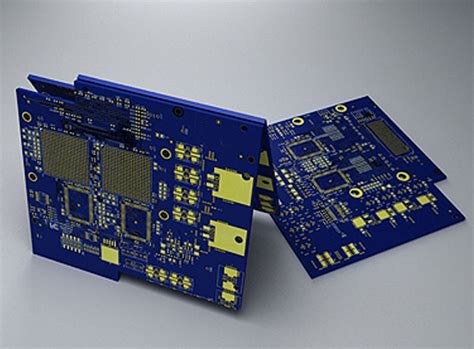
Budget PCB Prototyping: Top Services for Small Batch Testing
Key Takeaways
When exploring PCB manufacturing for small-batch prototypes, prioritize services that balance PCB manufacturing cost with reliability. Many PCB manufacturing companies specialize in 1-5 unit orders, offering Gerber-to-board conversion at competitive rates. For hobbyists or startups, opting for low-volume production helps minimize upfront expenses while testing designs.
Tip: Always request a detailed cost breakdown before committing—some providers include hidden fees for layer counts or materials.
If speed is critical, focus on vendors advertising 24-48 hour turnaround times for rigid prototypes. While PCB manufacturing business models vary, platforms like PCBWay often provide coupons (e.g., $5 discounts) to further reduce expenses. Compare not just pricing but also customer reviews and technical support responsiveness.
For field testing, consider whether a service offers quick assembly add-ons—this avoids delays when integrating components post-production. Remember: cheaper isn’t always better. Verify certifications (e.g., ISO, UL) to ensure your prototypes meet industry standards before scaling to mass production. By balancing PCB manufacturing costs with quality, you’ll optimize both your budget and product viability.
Affordable PCB Prototyping for 1-5 Units
When developing hardware projects, securing PCB manufacturing services for small batches can feel daunting—especially if you’re balancing tight budgets and rapid iteration needs. For prototypes requiring just 1-5 units, traditional PCB manufacturing companies often impose high setup fees, making low-volume production prohibitively expensive. However, specialized providers now offer tailored solutions that slash PCB manufacturing cost by optimizing processes like automated panelization and material standardization.
For example, services like PCBWay or JLCPCB leverage economies of scale to deliver cost-effective prototypes without sacrificing quality. These platforms accept Gerber files directly, streamlining the PCB manufacturing business model to focus on speed and affordability. You’ll typically find options for 24-hour turnaround on 2-layer boards, with prices starting under $20 for basic designs. Some even offer coupons (like PCBWay’s $5 discount) to further reduce expenses for hobbyists.
To maximize savings, prioritize suppliers with transparent pricing calculators and no hidden fees for file reviews. Critical factors include material choices (FR-4 vs. specialized substrates), surface finishes, and shipping speeds. While DIY etching might seem cheaper upfront, professional PCB manufacturing ensures reliability for field testing—avoiding costly redesigns later. Always verify tolerances and design rules specific to your prototype, as minor adjustments can significantly impact both functionality and PCB manufacturing cost at this scale.
Top Low-Cost Gerber-to-PCB Services Compared
When comparing PCB manufacturing services for small-batch prototyping, balancing affordability with quality becomes critical. Most providers offer competitive PCB manufacturing cost for 1-5 unit orders, but subtle differences in layer limits, material options, and lead times can impact your budget. For instance, some Gerber-to-board conversion platforms prioritize speed over customization, while others allow you to tweak specifications like solder mask colors or surface finishes—though these extras may add fees.
Among PCB manufacturing companies, services like PCBWay, JLCPCB, and Seeed Studio stand out for low-cost prototyping. PCBWay’s $5 coupon, for example, reduces initial expenses for hobbyists, but always verify whether their base pricing includes shipping or design validation tools. If you’re running a PCB manufacturing business, bulk discounts or subscription plans from certain vendors could further trim per-unit costs.
To minimize expenses, focus on standard FR-4 materials, 2-layer designs, and longer lead times (3-5 days). Avoid unnecessary features like gold plating unless your project demands it. Panelization—grouping multiple designs on one board—is another cost-saving tactic some providers support. Ultimately, the goal is to find a service that aligns with your technical needs while keeping PCB manufacturing cost predictable for iterative testing.
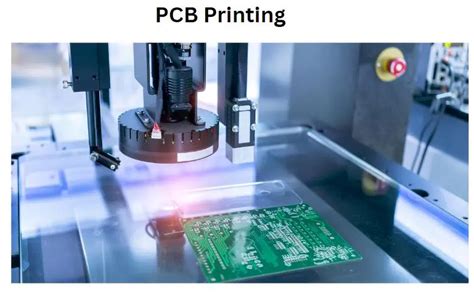
Fast-Turnaround PCB Printing for Hobby Projects
When working on PCB manufacturing for hobby projects, balancing speed and affordability is critical. Many PCB manufacturing companies now cater specifically to small-batch needs, offering 24-48 hour turnaround times without inflating the PCB manufacturing cost. For example, services like PCBWay and JLCPCB streamline their processes to prioritize low-volume orders, ensuring you receive functional prototypes quickly—ideal for testing circuit designs before committing to larger production runs.
Here’s a comparison of key features for hobbyist-friendly services:
| Service Provider | Standard Turnaround | Base Cost (1-5 Units) | Key Features |
|---|---|---|---|
| PCBWay | 24-48 hours | $5+ (with coupon) | Free design review, FR-4 material |
| JLCPCB | 24-72 hours | $2 | Instant quoting, solder mask included |
| OSHPark | 3-5 days | $10 per board | Purple solder mask, quality inspection |
While PCB manufacturing business models often favor bulk orders, these providers minimize setup fees and layer charges to keep costs manageable for prototypes. You’ll want to optimize your Gerber files for clarity and verify specifications (e.g., trace width, drill sizes) to avoid delays. For time-sensitive projects, opting for expedited shipping or paying a small premium for faster fabrication slots can shave days off your timeline. Always confirm whether your chosen service includes basic quality checks, as defects in early prototypes can derail testing phases.
PCBWay’s $5 Coupon: Budget Prototyping Guide
When exploring PCB manufacturing for small-batch projects, balancing cost and quality is critical. PCBWay’s $5 coupon offers a practical entry point for testing prototypes without overspending. By applying the coupon during checkout, you can offset PCB manufacturing cost for orders as small as 1-5 units, making it ideal for hobbyists or startups validating designs. Their streamlined Gerber-to-board process ensures minimal setup fees, while maintaining industry-standard quality—a key advantage over generic PCB manufacturing companies focused solely on bulk orders.
What sets this service apart is its flexibility. Whether you’re iterating a rigid PCB design or preparing for field testing, the coupon reduces upfront expenses, letting you allocate funds to critical areas like component sourcing. For those running a PCB manufacturing business on a tight budget, this approach minimizes financial risk during the prototyping phase. Turnaround times remain competitive, with options for 24-hour production, ensuring you don’t sacrifice speed for affordability.
To maximize savings, double-check your Gerber files before submission—errors can delay projects and inflate costs. PCBWay’s online quoting tool also provides instant estimates, helping you compare PCB manufacturing expenses across layer counts and materials. Remember, while discounts ease initial investments, prioritize vendors with transparent pricing and reliable support to avoid hidden fees down the line.
Cheap Small-Batch PCB Manufacturing Options
When testing designs with PCB manufacturing for 1-5 units, balancing affordability and reliability becomes critical. Many PCB manufacturing companies now cater specifically to hobbyists and startups, offering tailored pricing models that reduce PCB manufacturing cost for small batches. Services like PCBWay, JLCPCB, and Seeed Studio provide instant quotes based on board size, layer count, and material type—letting you optimize expenses without compromising quality. For instance, PCBWay’s $5 coupon for first-time users effectively lowers the barrier to professional-grade prototyping.
A key advantage of modern PCB manufacturing business models is their focus on fast-turnaround production. Even with tight budgets, you can access 24-hour fabrication or economy shipping options to align with project timelines. However, always verify hidden fees—some providers charge extra for solder mask colors or advanced finishes like ENIG. To further cut costs, consider panelizing multiple designs into a single order or opting for standard FR-4 substrates.
For teams prioritizing scalability, partnering with PCB manufacturing companies that offer volume discounts ensures smoother transitions from prototyping to larger batches. Tools like online DFM checks also minimize errors upfront, reducing waste and rework costs. By leveraging these strategies, you can maintain lean operations while securing high-quality boards for iterative testing.
DIY vs Professional PCB Prototype Costs
When weighing PCB manufacturing options for prototypes, you’ll face a critical choice: DIY methods or partnering with professional PCB manufacturing companies. DIY approaches, like etching copper-clad boards or using desktop CNC mills, might seem cost-effective upfront. However, they often require significant time, specialized tools, and materials—factors that inflate hidden costs for small batches. For instance, errors in manual drilling or chemical etching can lead to wasted resources, making the effective PCB manufacturing cost higher than anticipated.
On the other hand, professional services streamline the process. Many PCB manufacturing business providers offer bulk-order pricing even for 1-5 units, leveraging economies of scale. While per-board rates might appear steeper than DIY, they eliminate tooling expenses and reduce labor hours. For example, outsourcing ensures precise Gerber-to-board conversion, minimizes material waste, and often includes quality checks—critical for functional prototypes. Additionally, faster turnaround times let you iterate designs quicker, accelerating development cycles.
The tipping point often hinges on volume and complexity. For single-layer boards or one-off experiments, DIY could suffice. But multi-layer designs or projects requiring consistent reliability? Professional PCB manufacturing becomes the smarter investment. By comparing time-to-market and error rates, you’ll find that low-volume outsourcing frequently offsets its nominal upfront costs with long-term efficiency gains.
Best Services for Rigid Prototype Testing
When evaluating PCB manufacturing companies for rigid prototype testing, you’ll want services that balance precision with affordability. Rigid prototypes demand strict adherence to material specifications and dimensional accuracy, making it critical to choose providers specializing in low-volume PCB manufacturing without compromising quality. Companies like PCBWay and JLCPCB excel here, offering competitive PCB manufacturing cost structures for 1-5 unit orders while maintaining industry-standard FR-4 material quality.
For instance, PCBWay’s $5 coupon (mentioned earlier) effectively reduces upfront expenses, ideal for validating designs before committing to larger batches. Their streamlined Gerber-to-board conversion ensures minimal errors, crucial for testing functional rigidity under real-world conditions. Meanwhile, JLCPCB’s instant quoting tool lets you visualize PCB manufacturing business expenses in real time, helping you avoid hidden fees.
If your project requires faster iterations, consider services with 24-hour turnaround options. These providers optimize their workflows for small-batch rigidity testing, ensuring you receive boards quickly without sacrificing layer alignment or solder mask durability. Always cross-check certifications like ISO 9001 when selecting a partner—this guarantees compliance with professional PCB manufacturing standards, even at lower volumes. By prioritizing these factors, you can achieve reliable prototypes that mirror production-grade performance while staying within budget.
Quick PCB Assembly for Field Testing Needs
When moving beyond prototyping to validate designs in real-world conditions, you need PCB manufacturing services that prioritize speed without compromising reliability. Many PCB manufacturing companies now offer express assembly options tailored for field testing, allowing you to deploy functional boards in days rather than weeks. These services typically support small batches (1–5 units) and integrate seamlessly with your existing Gerber files, minimizing setup delays.
Balancing PCB manufacturing cost and turnaround time is critical here. While DIY assembly might seem cheaper upfront, outsourcing to a professional PCB manufacturing business ensures consistency in solder quality and component placement—factors that directly impact field performance. Look for providers offering fixed-rate assembly packages or bundled deals for prototyping and testing phases. Some platforms even automate quoting based on your board’s complexity, letting you compare prices transparently.
For time-sensitive projects, prioritize vendors with guaranteed lead times and real-time order tracking. This eliminates guesswork and helps you allocate resources efficiently, whether you’re iterating on sensor integrations or troubleshooting power distribution issues. Remember: a slight increase in per-unit PCB manufacturing cost often pays off when avoiding costly redesigns post-deployment.
Conclusion
When selecting PCB manufacturing services for small-batch testing, balancing PCB manufacturing cost with quality and speed remains critical. While many PCB manufacturing companies advertise low prices, you’ll want to prioritize providers that offer transparent pricing, fast-turnaround guarantees, and robust customer support—especially if your project hinges on tight deadlines. For hobbyists or startups, leveraging introductory discounts (like PCBWay’s $5 coupon) can significantly reduce upfront expenses without compromising reliability.
If you’re running a PCB manufacturing business, consider how scalable these services are as your prototyping needs grow. Smaller batches are ideal for iterative testing, but ensure your chosen partner can handle larger orders seamlessly. Always verify certifications and material options, as these factors directly impact the durability and performance of your prototypes. By aligning your requirements with the strengths of specialized PCB manufacturing providers, you’ll streamline development cycles and keep costs predictable—whether you’re refining a hobby project or preparing for mass production.
Frequently Asked Questions
What factors influence pcb manufacturing cost for 1-5 unit prototypes?
Low-volume orders often prioritize setup fees and material choices. While pcb manufacturing companies optimize pricing for small batches, costs depend on layer count, board size, and surface finish. Services like PCBWay’s $5 coupon help offset initial expenses for hobbyists.
How do I choose between DIY and professional pcb manufacturing?
DIY suits single-layer boards with basic designs but lacks consistency for field testing. Professional pcb manufacturing business providers ensure precision, offer design validation, and handle complex requirements like impedance control—critical for functional prototypes.
Can fast-turnaround services reduce pcb manufacturing delays?
Yes. Many companies expedite orders for 24-48 hour turnaround, though shipping logistics affect total time. Confirm production timelines upfront, especially if your project requires quick iterations for testing.
Why do pcb manufacturing companies charge differently for the same design?
Pricing varies based on quality certifications, customer support, and value-added features like free DFM checks. Compare not just costs but also reliability reviews and post-order assistance.
How scalable are budget prototyping services for future pcb manufacturing business needs?
Most low-cost providers also support mid-volume production. Start with prototypes to validate designs, then leverage bulk discounts when scaling—ensuring seamless transitions from testing to full-scale manufacturing.
Ready to Start Your Project?
For specialized pcb manufacturing solutions tailored to small-batch prototyping, please click here to explore competitive pricing and expert support.