Ceramic pcb cte
Understanding Ceramic PCB CTE: Key Factors and Implications
Ceramic printed circuit boards (PCBs) have become increasingly significant in the electronics industry due to their superior thermal and electrical properties.
One of the critical aspects of ceramic PCBs is their coefficient of thermal expansion (CTE), which plays a vital role in determining their performance and reliability.
Understanding the CTE of ceramic PCBs is essential for engineers and designers who aim to optimize electronic devices for high-performance applications.
The CTE is a measure of how much a material expands or contracts with changes in temperature.
In the context of ceramic PCBs, a low CTE is often desirable because it ensures dimensional stability across a wide temperature range. This stability is crucial in applications where electronic components are subjected to significant thermal cycling, such as in aerospace, automotive, and high-power electronics. A mismatch in CTE between the PCB and the components mounted on it can lead to mechanical stress, which may cause solder joint failure or even damage to the components themselves.
Ceramic materials, such as alumina (Al2O3), aluminum nitride (AlN), and beryllium oxide (BeO), are commonly used in the fabrication of ceramic PCBs due to their favorable thermal properties.
These materials typically exhibit low CTE values compared to traditional PCB materials like FR-4, a glass-reinforced epoxy laminate. For instance, alumina has a CTE of approximately 6-8 ppm/°C, while FR-4 has a CTE of around 16-18 ppm/°C. This significant difference highlights the advantage of using ceramics in applications where thermal management is critical.
Moreover, the low CTE of ceramic PCBs contributes to their excellent thermal conductivity, which is another key factor in their performance.
High thermal conductivity allows for efficient heat dissipation, reducing the risk of overheating and enhancing the reliability of electronic devices. This property is particularly beneficial in high-power applications, where managing heat is a constant challenge.
In addition to thermal considerations, the mechanical properties of ceramic PCBs are also influenced by their CTE.
A low CTE ensures that the ceramic substrate remains stable under mechanical stress, which is essential for maintaining the integrity of the circuit. This stability is particularly important in environments where the PCB may be subjected to vibrations or mechanical shocks.
Furthermore, the implications of CTE extend to the manufacturing process of ceramic PCBs.
During the fabrication and assembly stages, temperature variations can occur, and a low CTE helps minimize the risk of warping or deformation. This characteristic ensures that the final product meets the stringent dimensional tolerances required for high-precision applications.
In conclusion, the coefficient of thermal expansion is a critical factor in the design and application of ceramic PCBs.
Its influence on thermal management, mechanical stability, and manufacturing precision underscores the importance of selecting the appropriate ceramic material for specific applications. As the demand for high-performance electronic devices continues to grow, understanding and optimizing the CTE of ceramic PCBs will remain a key consideration for engineers and designers. By leveraging the unique properties of ceramics, it is possible to develop electronic solutions that meet the rigorous demands of modern technology, ensuring reliability and efficiency in even the most challenging environments.
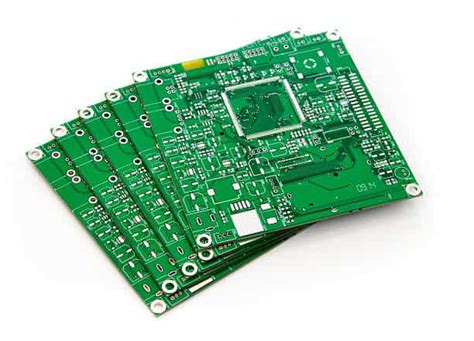
Comparing Ceramic PCB CTE with Other Substrate Materials
Ceramic printed circuit boards (PCBs) have gained significant attention in the electronics industry due to their unique properties, particularly their coefficient of thermal expansion (CTE). Understanding how the CTE of ceramic PCBs compares with other substrate materials is crucial for selecting the appropriate material for specific applications. The CTE is a measure of how much a material expands or contracts with changes in temperature, and it plays a vital role in the reliability and performance of electronic devices.
Ceramic PCBs, typically made from materials such as alumina (Al2O3) or aluminum nitride (AlN), exhibit a low CTE, generally in the range of 5 to 7 ppm/°C.
This low CTE is advantageous because it closely matches the CTE of silicon, which is around 2.6 ppm/°C. Consequently, ceramic PCBs are ideal for applications involving direct chip attachment, as they minimize the risk of thermal stress and mechanical failure due to mismatched expansion rates. This compatibility is particularly beneficial in high-power and high-frequency applications, where thermal management is critical.
In contrast, traditional FR-4 substrates, which are widely used in the electronics industry, have a significantly higher CTE, typically around 16 to 18 ppm/°C.
This discrepancy can lead to issues such as delamination, cracking, or solder joint failure when subjected to thermal cycling. As a result, FR-4 substrates may not be suitable for applications that require high thermal stability or involve significant temperature fluctuations. However, FR-4 remains popular due to its cost-effectiveness and versatility in less demanding environments.
Another substrate material to consider is metal-core PCBs, which often use aluminum or copper as the core material.
These substrates have a CTE in the range of 22 to 24 ppm/°C for aluminum and around 16 ppm/°C for copper. While metal-core PCBs offer excellent thermal conductivity, their higher CTE compared to ceramic substrates can pose challenges in applications where precise thermal expansion matching is necessary. Nevertheless, they are often used in LED lighting and power electronics due to their ability to dissipate heat effectively.
Furthermore, polyimide substrates, known for their flexibility and high-temperature resistance, have a CTE of approximately 20 to 30 ppm/°C.
Although they offer advantages in terms of flexibility and thermal stability, their higher CTE compared to ceramic substrates can limit their use in applications requiring tight thermal expansion control. Polyimide substrates are often employed in flexible circuits and applications where mechanical flexibility is a priority.
In summary, the choice of substrate material in PCB design is heavily influenced by the CTE, among other factors. Ceramic PCBs, with their low CTE, offer significant advantages in applications requiring thermal expansion compatibility with silicon and high thermal stability. While other materials like FR-4, metal-core, and polyimide substrates have their own merits, they may not provide the same level of thermal expansion control as ceramics. Therefore, understanding the CTE characteristics of various substrate materials is essential for optimizing the performance and reliability of electronic devices, particularly in demanding environments where thermal management is a critical concern.
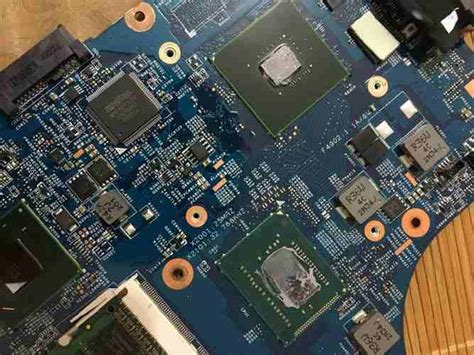
How Ceramic PCB CTE Affects Thermal Management in Electronics
In the realm of modern electronics, thermal management is a critical factor that significantly influences the performance, reliability, and longevity of electronic devices. One of the key components in this domain is the printed circuit board (PCB), which serves as the foundation for mounting electronic components. Among the various types of PCBs, ceramic PCBs have gained prominence due to their superior thermal properties. A crucial aspect of ceramic PCBs is their coefficient of thermal expansion (CTE), which plays a pivotal role in thermal management.
The coefficient of thermal expansion is a material property that quantifies the extent to which a material expands or contracts when subjected to changes in temperature.
In the context of PCBs, CTE is particularly important because electronic components generate heat during operation, leading to temperature fluctuations. These fluctuations can cause mechanical stress due to the expansion and contraction of materials, potentially resulting in component failure or reduced performance. Ceramic PCBs, known for their low CTE, offer a significant advantage in mitigating these thermal stresses.
Ceramic materials, such as alumina and aluminum nitride, are commonly used in the fabrication of ceramic PCBs.
These materials exhibit a low CTE compared to traditional PCB materials like FR-4, which is a glass-reinforced epoxy laminate. The low CTE of ceramic PCBs ensures that they expand and contract minimally with temperature changes, thereby reducing the mechanical stress on solder joints and other components. This characteristic is particularly beneficial in high-power and high-frequency applications where thermal management is crucial.
Moreover, the low CTE of ceramic PCBs contributes to their excellent thermal conductivity.
Efficient heat dissipation is essential to prevent overheating and ensure the stable operation of electronic devices. Ceramic PCBs can effectively transfer heat away from critical components, maintaining optimal operating temperatures. This capability is especially important in applications such as LED lighting, power electronics, and RF communication devices, where heat generation is substantial.
In addition to their thermal advantages, ceramic PCBs offer other benefits that enhance their suitability for demanding applications.
They are highly resistant to chemical and environmental degradation, ensuring durability and reliability in harsh conditions. Furthermore, ceramic PCBs provide excellent electrical insulation, which is vital for maintaining signal integrity and preventing electrical interference.
However, it is important to consider the challenges associated with ceramic PCBs.
The manufacturing process for ceramic PCBs is more complex and costly compared to traditional PCBs. This complexity arises from the need for specialized equipment and techniques to handle ceramic materials. Despite these challenges, the benefits of ceramic PCBs, particularly their low CTE and superior thermal management capabilities, often outweigh the drawbacks in applications where performance and reliability are paramount.
In conclusion, the coefficient of thermal expansion of ceramic PCBs is a critical factor that significantly impacts thermal management in electronic devices. The low CTE of ceramic materials minimizes mechanical stress and enhances thermal conductivity, making ceramic PCBs an ideal choice for high-power and high-frequency applications. While the manufacturing process may be more complex, the advantages offered by ceramic PCBs in terms of thermal performance and reliability make them a valuable component in the ever-evolving landscape of electronics. As technology continues to advance, the role of ceramic PCBs in thermal management is likely to become even more pronounced, driving innovation and efficiency in electronic design.
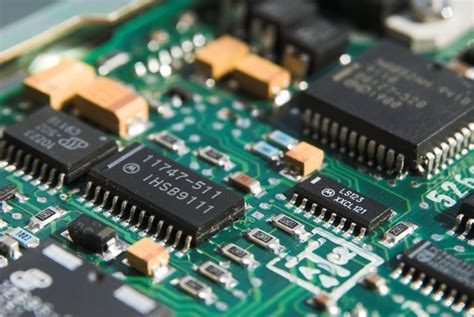
Innovations in Ceramic PCB CTE for Enhanced Performance
In the realm of electronic components, the demand for high-performance materials has led to significant advancements in the development of ceramic printed circuit boards (PCBs). One of the critical factors influencing the performance of these boards is the coefficient of thermal expansion (CTE). The CTE is a measure of how much a material expands or contracts with changes in temperature, and it plays a pivotal role in the reliability and efficiency of electronic devices. Innovations in ceramic PCB CTE have thus become a focal point for researchers and manufacturers aiming to enhance the performance of electronic systems.
Ceramic PCBs are renowned for their superior thermal conductivity, mechanical strength, and electrical insulation properties.
These characteristics make them ideal for applications in high-power and high-frequency devices. However, the mismatch in CTE between the ceramic substrate and other materials, such as silicon chips or metal components, can lead to mechanical stress and potential failure of the device. Therefore, optimizing the CTE of ceramic PCBs is crucial to ensure the longevity and reliability of electronic assemblies.
Recent innovations in ceramic PCB CTE have focused on developing materials with tailored thermal expansion properties.
By engineering ceramics with specific compositions and microstructures, researchers have been able to achieve a closer match between the CTE of the ceramic substrate and that of other components. This alignment minimizes thermal stress during temperature fluctuations, thereby enhancing the overall performance and durability of the device.
One approach to achieving the desired CTE in ceramic PCBs is through the incorporation of composite materials.
By blending ceramics with other materials that have complementary thermal expansion properties, manufacturers can create composites with a balanced CTE. For instance, the integration of glass or metal particles into the ceramic matrix can effectively adjust the CTE to better match that of silicon or other semiconductor materials. This method not only improves thermal compatibility but also retains the inherent advantages of ceramics, such as high thermal conductivity and electrical insulation.
Moreover, advancements in manufacturing techniques have also contributed to innovations in ceramic PCB CTE.
Techniques such as tape casting, co-firing, and additive manufacturing allow for precise control over the composition and structure of ceramic materials. These methods enable the production of ceramic PCBs with customized CTE values, tailored to specific application requirements. As a result, electronic devices can operate more efficiently and reliably, even under extreme thermal conditions.
In addition to material and manufacturing innovations, computational modeling has emerged as a valuable tool in the design of ceramic PCBs with optimized CTE. By simulating the thermal and mechanical behavior of different material combinations, engineers can predict the performance of ceramic PCBs under various operating conditions. This predictive capability allows for the identification of optimal material compositions and structures, reducing the need for costly and time-consuming experimental trials.
In conclusion, the ongoing innovations in ceramic PCB CTE are paving the way for enhanced performance in electronic devices. By focusing on material composition, manufacturing techniques, and computational modeling, researchers and manufacturers are addressing the challenges associated with thermal expansion mismatches. These advancements not only improve the reliability and efficiency of electronic systems but also open new possibilities for the application of ceramic PCBs in cutting-edge technologies. As the demand for high-performance electronic components continues to grow, the importance of optimizing ceramic PCB CTE will undoubtedly remain a key area of focus in the industry.
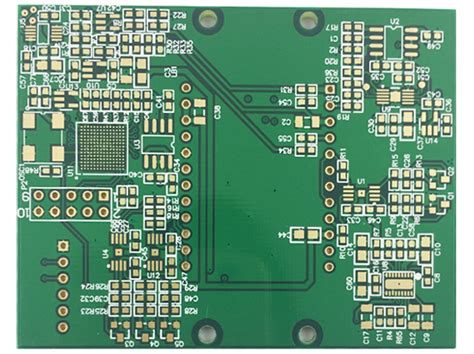
Challenges and Solutions in Managing Ceramic PCB CTE
Ceramic printed circuit boards (PCBs) have become increasingly popular in various high-performance applications due to their superior thermal conductivity, mechanical strength, and electrical insulation properties. However, one of the significant challenges faced in the utilization of ceramic PCBs is managing their coefficient of thermal expansion (CTE). The CTE is a critical parameter that measures how much a material expands or contracts with temperature changes. In the context of ceramic PCBs, mismatches in CTE between the ceramic substrate and other materials used in the assembly can lead to mechanical stresses, potentially causing failures in electronic components.
To address these challenges, it is essential to understand the inherent properties of ceramic materials.
Ceramics typically have a lower CTE compared to metals and polymers, which are commonly used in electronic assemblies. This disparity can result in thermal stress during temperature fluctuations, such as those experienced during device operation or environmental changes. Consequently, managing the CTE mismatch is crucial to ensure the reliability and longevity of electronic devices that incorporate ceramic PCBs.
One solution to mitigate CTE-related issues is the careful selection of materials that have compatible thermal expansion properties.
For instance, using metal layers or components with a CTE similar to that of the ceramic substrate can help reduce stress. Additionally, advanced material engineering techniques, such as the development of composite materials, can be employed to tailor the CTE of the ceramic substrate itself. By incorporating materials with different expansion properties, it is possible to create a composite with a more desirable CTE profile.
Moreover, design strategies play a pivotal role in managing CTE challenges.
Engineers can incorporate design features that accommodate thermal expansion, such as flexible interconnects or stress-relief structures. These design elements can absorb or redistribute the mechanical stresses that arise from CTE mismatches, thereby enhancing the overall durability of the PCB assembly. Furthermore, finite element analysis (FEA) can be utilized during the design phase to simulate thermal stresses and optimize the layout and material selection accordingly.
In addition to material and design considerations, manufacturing processes also influence the management of CTE in ceramic PCBs.
Precision in manufacturing techniques, such as laser drilling and metallization, ensures that the components are accurately aligned and bonded, minimizing the potential for stress concentration points. Furthermore, advanced bonding techniques, such as transient liquid phase bonding, can provide robust connections that are less susceptible to thermal stress.
Despite these solutions, ongoing research and development are crucial to further enhance the performance of ceramic PCBs in high-stress environments.
Innovations in material science, such as the development of new ceramic compositions with tailored CTE properties, hold promise for future advancements. Additionally, the integration of smart materials that can adapt to thermal changes in real-time may offer novel approaches to managing CTE challenges.
In conclusion, while managing the CTE of ceramic PCBs presents significant challenges, a combination of material selection, design strategies, and precise manufacturing processes can effectively address these issues. By continuing to explore innovative solutions and leveraging advanced technologies, the electronics industry can harness the full potential of ceramic PCBs, ensuring their reliable performance in demanding applications. As the demand for high-performance electronic devices continues to grow, the importance of effectively managing CTE in ceramic PCBs will remain a critical focus for engineers and researchers alike.