Ceramic Substrate Pcbs for High-Power LED Applications
I am writing to you today to discuss the benefits and uses of ceramic substrates for
printed circuit boards (PCBs). Ceramic substrates are an excellent choice for high-power
and high-temperature applications due to their superior thermal conductivity,
high mechanical strength, and excellent electrical insulation properties.
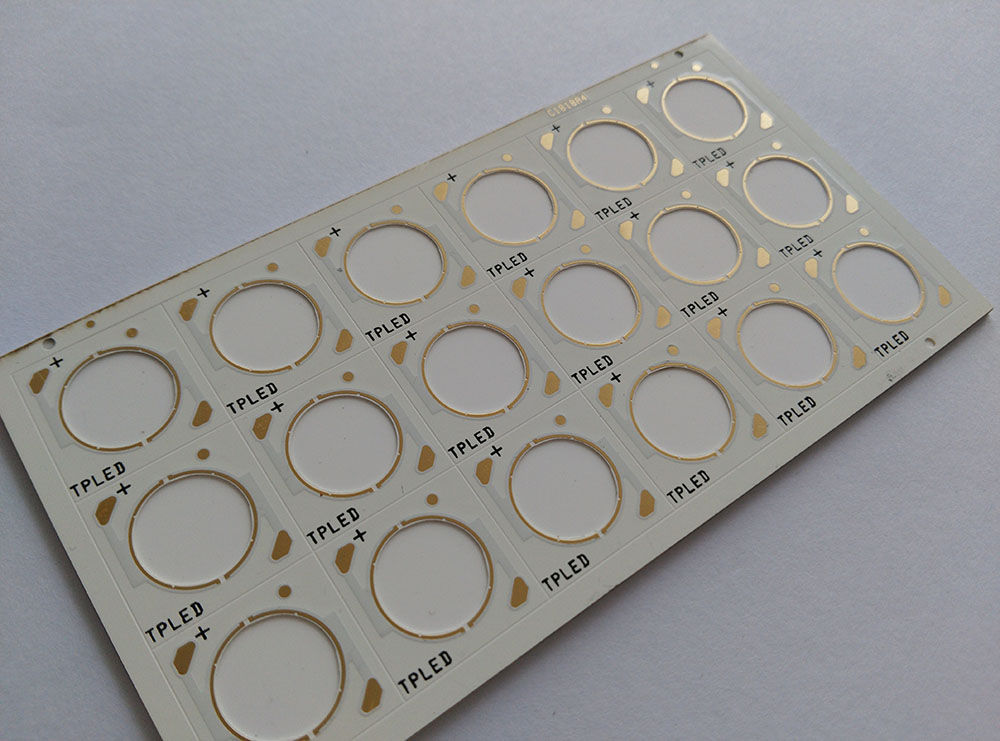
Ceramic substrates are made of a ceramic material that is coated with a thin layer of metal.
The ceramic material is chosen for its high thermal conductivity, which allows for efficient
heat dissipation, while the metal layer provides a conductive surface for the PCB.
One of the main benefits of ceramic substrates is their ability to withstand high temperatures.
This makes them ideal for use in applications where the PCB will be exposed to extreme heat,
such as in automotive and aerospace applications. Ceramic substrates can also handle high power
densities, making them a good choice for power electronics applications.
Another benefit of ceramic substrates is their excellent mechanical strength. They are highly
resistant to mechanical stress and can withstand high levels of vibration and shock. This makes
them ideal for use in harsh environments where the PCB may be exposed to extreme conditions.
Ceramic substrates also offer excellent electrical insulation properties. They have a high dielectric
strength, which means they can withstand high voltage levels without breaking down. This makes
them ideal for use in high-voltage applications, such as in power electronics and telecommunications.

In addition to their superior properties, ceramic substrates are also highly customizable.
They can be made in a variety of shapes and sizes to fit specific applications, and can
be coated with a variety of metals to suit different requirements. This makes them
a versatile choice for a wide range of applications.
There are several different types of ceramic substrates that are commonly used in PCBs.
Alumina substrates are the most common, and are widely used in power electronics and
telecommunications applications. They offer excellent thermal conductivity and mechanical
strength, and are highly resistant to chemical and thermal degradation.
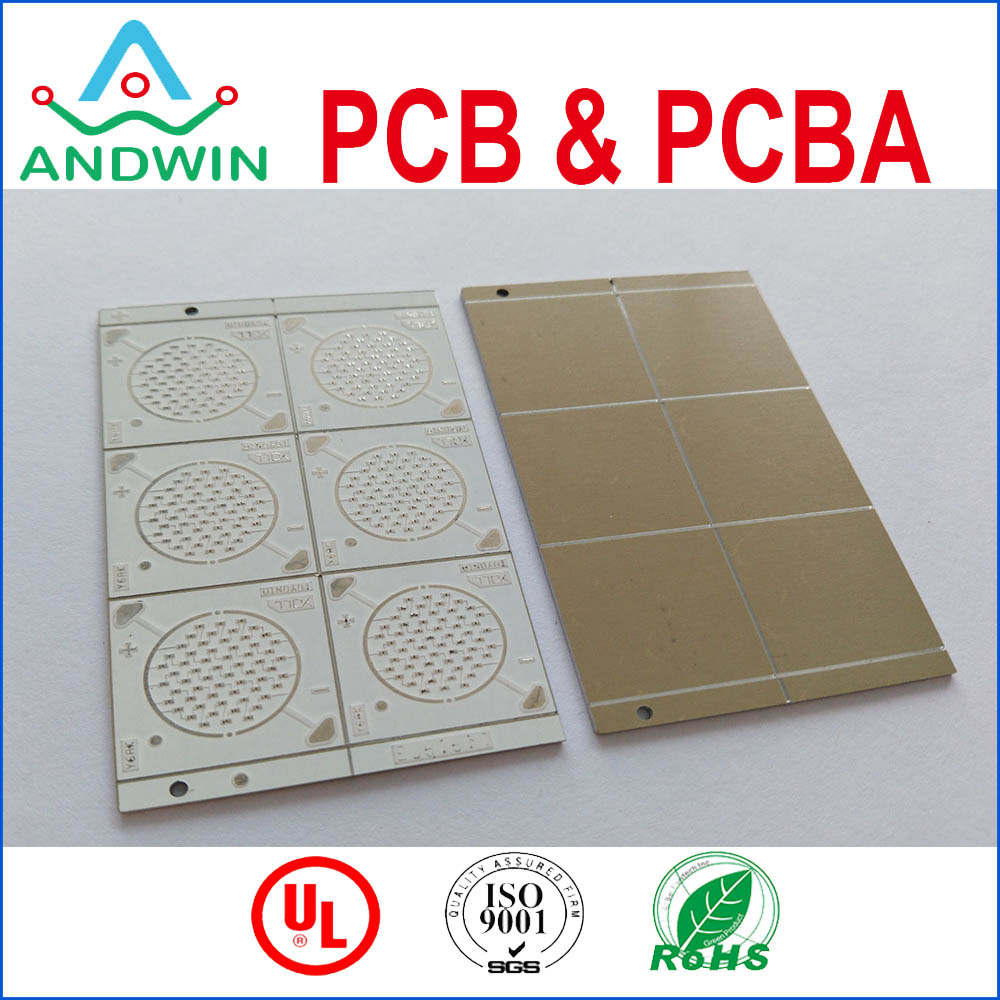
Another common type of ceramic substrate is silicon nitride. This material offers
even higher thermal conductivity than alumina,and is highly resistant to thermal shock.
It is often used in high-power applications where efficient heat dissipation is critical.
Other types of ceramic substrates include zirconia, aluminum nitride, and beryllium
oxide. Each of these materials offers unique properties that make them suitable for
specific applications.
In conclusion, ceramic substrates are an excellent choice for high-power and
high-temperature applications due to their superior thermal conductivity, high mechanical
strength, and excellent electrical insulation properties. They are highly customizable and
can be made in a variety of shapes and sizes to fit specific applications. If you are looking
for a reliable and efficient solution for your PCB needs, ceramic substrates are definitely
worth considering.
Thank you for taking the time to read this letter. If you have any questions or would like
more information about ceramic substrates, please do not hesitate to contact me.