Ceramic VS PCB Antenna
I am writing to you today to discuss the differences between ceramic and PCB antennas.
As you may know, antennas are an essential component of any wireless communication
system, and choosing the right type of antenna can have a significant impact on the performance of the system.
Ceramic antennas have been around for many years and are widely used in various applications.
They are made of a ceramic material that is highly resistant to temperature changes and can
withstand harsh environments.
Ceramic antennas are also relatively small and lightweight, making them ideal for use in portable devices.
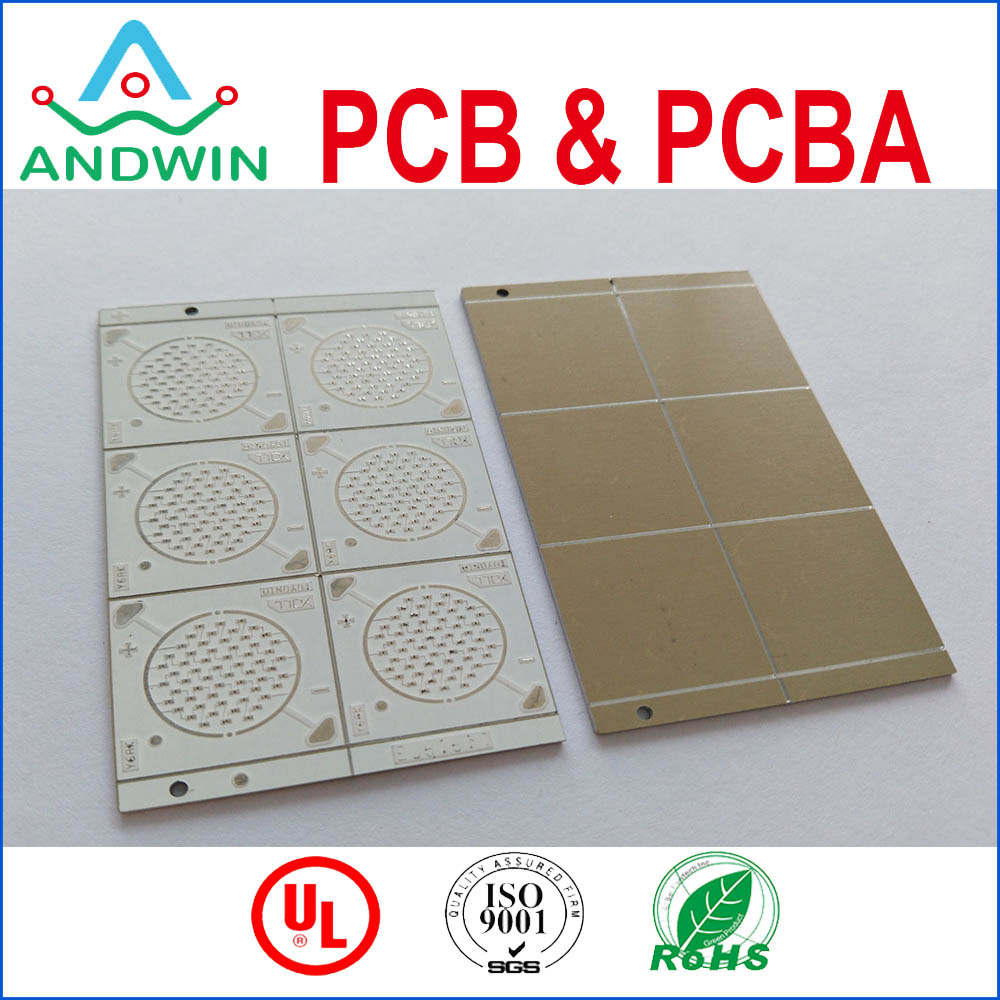
On the other hand, PCB antennas are made of a printed circuit board material and
are typically larger than ceramic antennas.
They are also more complex to manufacture and require a higher degree of precision
during the production process. However, PCB antennas offer several advantages over
ceramic antennas, including better performance, higher gain, and greater flexibility in design.
One of the biggest advantages of PCB antennas is their ability to be customized to
meet specific requirements. PCB antennas can be designed to operate at specific frequencies,
which makes them ideal for use in wireless communication systems that require high levels
of performance. Additionally, PCB antennas can be designed to have specific radiation
patterns, which can be used to improve signal strength and reduce interference.

Another advantage of PCB antennas is their ability to provide higher gain than ceramic antennas.
Gain is a measure of the antenna’s ability to convert electrical energy into radio waves. PCB antennas
can be designed to have higher gain than ceramic antennas, which can improve the range and
reliability of wireless communication systems.
Finally, PCB antennas are more durable than ceramic antennas. PCB antennas are typically
made of high-quality materials that are resistant to temperature changes, moisture, and other
environmental factors.
This makes them ideal for use in harsh environments where ceramic antennas may not be
able to withstand the conditions.
In conclusion, both ceramic and PCB antennas have their advantages and disadvantages.
Ceramic antennas are small, lightweight, and can withstand harsh environments, while PCB
antennas offer better performance, higher gain, and greater flexibility in design. Ultimately,
the choice between ceramic and PCB antennas will depend on the specific requirements of
the wireless communication system in question.
Thank you for your time and consideration.