Cheap heavy copper pcb
Benefits Of Using Cheap Heavy Copper PCB In Industrial Applications
In the realm of industrial applications, the utilization of cheap heavy copper printed circuit boards (PCBs) has emerged as a significant advancement, offering numerous benefits that enhance both performance and cost-efficiency. Heavy copper PCBs, characterized by their thick copper layers, are increasingly favored in industries that demand high power and thermal management capabilities. These PCBs are particularly advantageous in applications where reliability and durability are paramount, such as in power electronics, automotive, and renewable energy sectors.
One of the primary benefits of using cheap heavy copper PCBs is their ability to handle high current loads.
The thick copper layers allow for the conduction of higher currents without the risk of overheating or failure, which is crucial in industrial settings where equipment is often subjected to extreme conditions. This capability not only ensures the longevity of the devices but also enhances their performance by maintaining optimal operating temperatures. Consequently, industries can achieve greater efficiency and reliability in their operations, leading to reduced downtime and maintenance costs.
Moreover, heavy copper PCBs offer superior thermal management, which is essential in preventing overheating and ensuring the stability of electronic components.
The enhanced thermal conductivity of these PCBs allows for effective heat dissipation, thereby protecting sensitive components from thermal stress. This is particularly beneficial in applications such as power converters and motor controllers, where efficient heat management is critical to maintaining performance and preventing damage. By utilizing cheap heavy copper PCBs, industries can achieve robust thermal performance without incurring excessive costs, making them an economically viable solution.
In addition to their electrical and thermal advantages, heavy copper PCBs also provide mechanical benefit2s.
The increased thickness of the copper layers contributes to the overall structural integrity of the PCB, making it more resistant to mechanical stresses such as vibration and shock. This durability is especially important in industrial environments where equipment is often exposed to harsh conditions. As a result, devices built with heavy copper PCBs are less prone to mechanical failure, thereby enhancing their reliability and lifespan.
Furthermore, the cost-effectiveness of cheap heavy copper PCBs cannot be overstated.
Advances in manufacturing technologies have made it possible to produce these PCBs at a lower cost, without compromising on quality. This affordability allows industries to integrate high-performance PCBs into their systems without exceeding budget constraints. The economic advantage is particularly significant for small and medium-sized enterprises that may have limited resources but still require reliable and efficient solutions for their industrial applications.
In conclusion, the use of cheap heavy copper PCBs in industrial applications offers a multitude of benefits that extend beyond mere cost savings.
Their ability to handle high current loads, provide superior thermal management, and withstand mechanical stresses makes them an ideal choice for industries seeking to enhance the performance and reliability of their electronic systems. As manufacturing technologies continue to evolve, the accessibility and affordability of heavy copper PCBs are likely to increase, further solidifying their role as a cornerstone in the development of robust industrial applications. By embracing these advanced PCBs, industries can achieve a competitive edge, ensuring their operations are both efficient and sustainable in the long term.
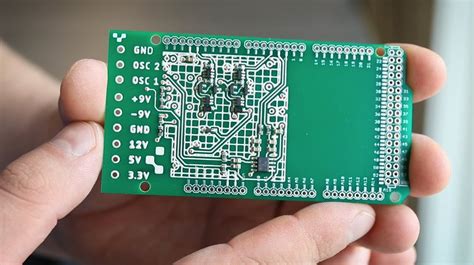
How To Source Affordable Heavy Copper PCBs Without Compromising Quality
Sourcing affordable heavy copper PCBs without compromising quality is a critical concern for many businesses and engineers in the electronics industry. Heavy copper PCBs, known for their enhanced thermal management and high current carrying capacity, are essential in applications such as power converters, automotive systems, and industrial controls. However, the cost associated with these specialized PCBs can be prohibitive. Therefore, understanding how to procure them cost-effectively while maintaining quality is crucial.
To begin with, it is essential to conduct thorough research on potential suppliers.
The global market for PCB manufacturing is vast, with numerous companies offering varying levels of quality and pricing. By leveraging online platforms and industry forums, you can identify reputable manufacturers with a track record of producing high-quality heavy copper PCBs. Additionally, seeking recommendations from industry peers can provide valuable insights into reliable suppliers. Once a list of potential manufacturers is compiled, it is advisable to request samples to evaluate the quality of their products firsthand.
Furthermore, negotiating with suppliers can significantly impact the cost of heavy copper PCBs.
Engaging in open discussions about pricing, especially when ordering in bulk, can lead to substantial discounts. It is also beneficial to inquire about any ongoing promotions or discounts that may not be advertised. Building a long-term relationship with a supplier can also result in better pricing over time, as manufacturers are often willing to offer loyalty discounts to repeat customers.
Another strategy to consider is optimizing the design of the PCB to reduce costs.
Collaborating with experienced PCB designers can help identify areas where material usage can be minimized without affecting performance. For instance, reducing the number of layers or optimizing the layout to use less copper can lead to cost savings. Additionally, ensuring that the design is manufacturable and adheres to the supplier’s capabilities can prevent costly redesigns and production delays.
Moreover, exploring alternative materials and technologies can also contribute to cost reduction
While heavy copper is often necessary for specific applications, advancements in materials science have introduced alternatives that may offer similar performance at a lower cost. For example, using a combination of standard copper with thermal vias or heat sinks can achieve the desired thermal management without the need for heavy copper throughout the entire PCB.
It is also important to consider the geographical location of the supplier.
Manufacturers in regions with lower labor and production costs, such as Asia, often offer more competitive pricing. However, it is crucial to balance cost savings with potential challenges such as longer shipping times and communication barriers. Ensuring that the supplier has a robust quality assurance process in place is vital to avoid compromising on quality.
Finally, leveraging technology to streamline the procurement process can lead to cost efficiencies.
Utilizing digital tools for design, communication, and order management can reduce errors and improve collaboration between teams and suppliers. This not only speeds up the production process but also minimizes the risk of costly mistakes.
In conclusion, sourcing affordable heavy copper PCBs without compromising quality requires a multifaceted approach. By conducting thorough research, negotiating effectively, optimizing design, exploring alternative materials, considering supplier location, and leveraging technology, businesses can achieve cost savings while maintaining the high standards necessary for their applications. Through these strategies, it is possible to balance cost and quality, ensuring that the final product meets both budgetary constraints and performance requirements.
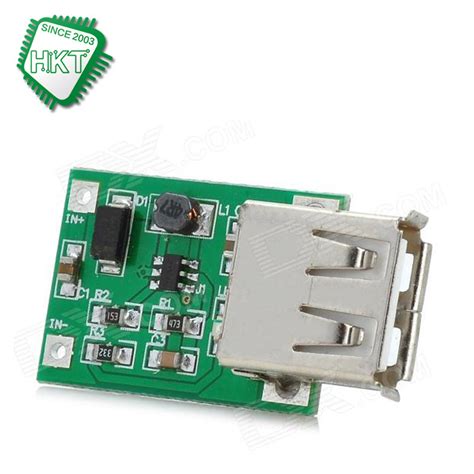
Design Tips For Cost-Effective Heavy Copper PCBs
Designing cost-effective heavy copper PCBs requires a strategic approach that balances performance with budget constraints. Heavy copper PCBs, characterized by their thick copper layers, are essential in applications demanding high current and thermal management. However, their production can be costly due to the increased material usage and complex manufacturing processes. To mitigate these costs, designers can employ several techniques that optimize both the design and manufacturing stages.
Firstly, it is crucial to carefully assess the copper thickness required for your specific application.
While heavy copper PCBs are typically defined by copper weights exceeding three ounces per square foot, selecting the appropriate thickness is vital. Over-specifying copper thickness can lead to unnecessary expenses. Therefore, conducting a thorough analysis of the current-carrying requirements and thermal performance needs can help determine the optimal copper weight, ensuring that the design is neither over-engineered nor underperforming.
In addition to selecting the appropriate copper thickness, designers should focus on optimizing the PCB layout.
Efficient use of space can significantly reduce material costs. By minimizing the board size and strategically placing components, designers can reduce the amount of copper and substrate material required. This not only lowers the cost but also enhances the board’s performance by reducing signal path lengths and improving thermal management.
Moreover, employing a multi-layer design can be advantageous.
While it might seem counterintuitive, using multiple layers can sometimes be more cost-effective than a single-layer design with very thick copper. Multi-layer PCBs allow for better distribution of copper, which can lead to reduced overall thickness and material usage. Additionally, they offer improved electrical performance and thermal management, which are critical in high-power applications.
Another cost-saving strategy involves the careful selection of materials.
While high-quality materials are essential for ensuring reliability and performance, there are often alternative materials that offer similar properties at a lower cost. Collaborating with suppliers to identify cost-effective materials that meet the necessary specifications can lead to significant savings. Furthermore, standardizing materials across different projects can also reduce costs through bulk purchasing and streamlined manufacturing processes.
Designers should also consider the manufacturing process itself.
Engaging with manufacturers early in the design phase can provide insights into cost-effective production techniques. For instance, manufacturers may suggest design adjustments that simplify the fabrication process, such as reducing the number of drill holes or using standard panel sizes. These adjustments can lead to more efficient production runs and lower costs.
Finally, leveraging design automation tools can enhance the cost-effectiveness of heavy copper PCBs.
These tools can optimize the layout, simulate thermal and electrical performance, and identify potential issues before production. By catching design flaws early, designers can avoid costly revisions and ensure that the final product meets both performance and budgetary requirements.
In conclusion, designing cost-effective heavy copper PCBs involves a comprehensive approach that considers material selection, layout optimization, and manufacturing processes. By carefully evaluating each aspect of the design and collaborating with manufacturers, designers can achieve a balance between performance and cost, resulting in a high-quality product that meets the demands of high-power applications without exceeding budget constraints.
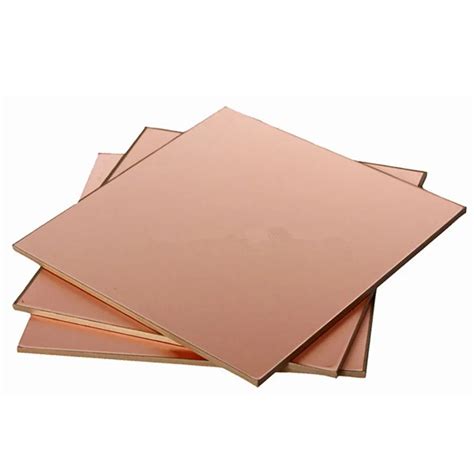
Comparing Cheap Heavy Copper PCBs: What To Look For
When it comes to selecting printed circuit boards (PCBs) for high-power applications, heavy copper PCBs are often the preferred choice due to their enhanced thermal management and current-carrying capabilities. However, the cost of these PCBs can be a significant factor for many businesses, prompting a search for more affordable options. In this context, understanding what to look for when comparing cheap heavy copper PCBs is crucial to ensure that cost savings do not come at the expense of quality and performance.
To begin with, one of the primary considerations when evaluating heavy copper PCBs is the thickness of the copper layers.
Typically, heavy copper PCBs feature copper thicknesses ranging from 3 oz/ft² to 20 oz/ft² or more. The thickness directly influences the board’s ability to handle high current loads and dissipate heat effectively. Therefore, when comparing cheaper options, it is essential to verify that the copper thickness meets the requirements of your specific application. A board with insufficient copper thickness may lead to overheating and potential failure, negating any initial cost savings.
In addition to copper thickness, the quality of the base materials used in the PCB is another critical factor
The substrate material, often FR-4, should possess adequate thermal and mechanical properties to support the heavy copper layers. Lower-cost PCBs may use inferior materials that compromise the board’s overall durability and performance. Therefore, it is advisable to inquire about the materials used and, if possible, request samples or certifications to ensure they meet industry standards.
Furthermore, the manufacturing process plays a significant role in the quality of heavy copper PCBs.
Advanced techniques such as differential etching and step plating are often employed to achieve the desired copper thickness and precision. When considering cheaper alternatives, it is important to assess whether the manufacturer employs these or equivalent processes. A lack of precision in manufacturing can lead to issues such as uneven copper distribution, which can affect the board’s electrical performance and reliability.
Another aspect to consider is the reputation and reliability of the PCB manufacturer.
Established manufacturers with a proven track record are more likely to deliver consistent quality, even at lower price points. It is beneficial to research customer reviews, industry certifications, and any available case studies to gauge the manufacturer’s credibility. Additionally, engaging in direct communication with the manufacturer can provide insights into their quality control measures and customer service standards.
Moreover, it is essential to evaluate the testing and inspection procedures employed by the manufacturer.
Comprehensive testing, including electrical testing and thermal cycling, ensures that the PCBs can withstand the demands of their intended applications. Cheaper PCBs may skimp on these critical testing phases, leading to potential failures in the field. Therefore, confirming that the manufacturer adheres to rigorous testing protocols is vital.
In conclusion, while the allure of cheap heavy copper PCBs is understandable, it is imperative to approach such options with a discerning eye. By carefully considering factors such as copper thickness, base material quality, manufacturing processes, manufacturer reputation, and testing procedures, businesses can make informed decisions that balance cost with performance and reliability. Ultimately, investing time in thorough evaluation can lead to significant long-term benefits, ensuring that the chosen PCBs meet the demands of high-power applications without compromising on quality.