Cheapest flex pcb
Understanding The Basics: What Makes A Flex PCB Cost-Effective?
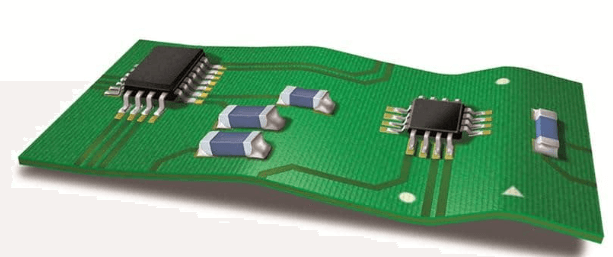
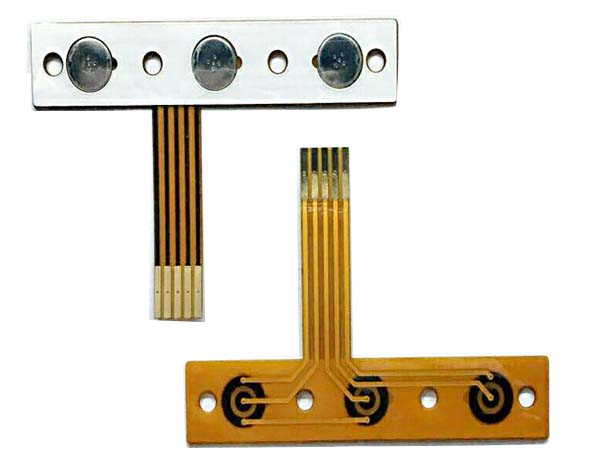
Flex PCBs, or flexible printed circuit boards, have become increasingly popular in various industries due to their versatility and ability to conform to complex shapes. As demand grows, so does the interest in cost-effective solutions. Understanding what makes a flex PCB cost-effective involves examining several key factors, including materials, design complexity, manufacturing processes, and volume production.
To begin with, the choice of materials significantly impacts the cost of a flex PCB.
Typically, these boards are made from flexible substrates such as polyimide, which offers excellent thermal stability and flexibility. However, opting for alternative materials like polyester can reduce costs, albeit with some trade-offs in terms of performance and durability. Therefore, selecting the right material involves balancing cost with the specific requirements of the application.
Moreover, the complexity of the design plays a crucial role in determining the overall cost.
Simple designs with fewer layers and minimal components are inherently less expensive to produce. By optimizing the layout and minimizing the number of vias and traces, manufacturers can reduce material usage and production time, leading to cost savings. Additionally, employing design for manufacturability (DFM) principles can further streamline the production process, ensuring that the design is as efficient and cost-effective as possible.
Transitioning to the manufacturing process, the choice of fabrication techniques can also influence the cost-effectiveness of a flex PCB.
Traditional methods such as photolithography and etching are widely used, but advancements in technology have introduced alternative processes like additive manufacturing. These newer methods can reduce waste and lower production costs by precisely depositing materials only where needed. Furthermore, automated assembly and testing can enhance efficiency, reducing labor costs and minimizing the potential for human error.
Another critical factor in achieving cost-effectiveness is the scale of production.
High-volume production runs benefit from economies of scale, where the cost per unit decreases as the quantity increases. This is particularly true for flex PCBs, as the initial setup costs for manufacturing can be substantial. By spreading these costs over a larger number of units, manufacturers can offer more competitive pricing. Consequently, businesses planning to produce large quantities of flex PCBs should consider partnering with manufacturers capable of handling high-volume orders efficiently.
In addition to these technical considerations, collaboration between designers and manufacturers is essential for cost-effective flex PCB production.
Early involvement of manufacturers in the design phase can provide valuable insights into potential cost-saving measures and help avoid costly redesigns later in the process. Open communication ensures that both parties are aligned on the objectives and constraints, leading to a more streamlined and economical production cycle.
In conclusion, achieving a cost-effective flex PCB involves a multifaceted approach that considers material selection, design simplicity, manufacturing techniques, and production volume.
By carefully evaluating each of these factors and fostering collaboration between designers and manufacturers, businesses can optimize their flex PCB solutions to meet both performance and budgetary requirements. As technology continues to evolve, staying informed about the latest advancements and best practices will be crucial for those seeking to maintain a competitive edge in the ever-growing market for flexible printed circuit boards.
Top Suppliers For Affordable Flex PCBs: A Comparative Analysis
In the rapidly evolving world of electronics, flexible printed circuit boards (flex PCBs) have emerged as a crucial component, offering versatility and adaptability in various applications. As demand for these components grows, so does the need for cost-effective solutions. Identifying top suppliers for affordable flex PCBs requires a comprehensive analysis of the market, considering factors such as pricing, quality, and service. This article aims to provide a comparative analysis of some of the leading suppliers in the industry, guiding potential buyers towards making informed decisions.
To begin with, it is essential to understand the criteria that define a top supplier in the realm of flex PCBs.
Price is undoubtedly a significant factor, but it should not overshadow the importance of quality and reliability. A low-cost product that fails to meet performance standards can lead to increased costs in the long run due to potential failures and replacements. Therefore, a balanced approach that considers both affordability and quality is crucial.
One of the prominent suppliers in the market is PCBWay, known for its competitive pricing and robust quality control measures.
PCBWay offers a range of flex PCB options, catering to both small-scale and large-scale production needs. Their commitment to maintaining high standards while keeping costs low has made them a preferred choice for many businesses. Additionally, PCBWay provides excellent customer support, ensuring that clients receive guidance throughout the production process.
Another noteworthy supplier is JLCPCB, which has gained a reputation for offering some of the lowest prices in the industry without compromising on quality.
JLCPCB’s streamlined manufacturing processes and economies of scale allow them to provide affordable solutions to their clients. Furthermore, their user-friendly online platform simplifies the ordering process, making it accessible even to those new to the field of electronics manufacturing.
Shenzhen Kinwong Electronic Co., Ltd. is also a key player in the flex PCB market, particularly for those seeking a balance between cost and advanced technological capabilities.
Kinwong’s extensive experience and investment in research and development enable them to offer innovative solutions at competitive prices. Their focus on sustainability and eco-friendly manufacturing processes adds an additional layer of appeal for environmentally conscious buyers.
While these suppliers stand out for their affordability, it is important to consider other factors such as lead times and customization options.
For instance, ALLPCB is recognized for its quick turnaround times, which can be a critical factor for projects with tight deadlines. Their ability to deliver custom solutions tailored to specific requirements further enhances their value proposition.
In conclusion, selecting the right supplier for affordable flex PCBs involves a careful evaluation of various factors beyond just price. PCBWay, JLCPCB, Shenzhen Kinwong Electronic Co., Ltd., and ALLPCB each offer unique advantages that cater to different needs within the market. By considering aspects such as quality, customer service, lead times, and customization capabilities, buyers can make informed decisions that align with their specific project requirements. As the demand for flex PCBs continues to grow, these suppliers are well-positioned to provide cost-effective solutions that do not compromise on quality or performance.
Design Tips For Reducing Costs In Flex PCB Manufacturing
In the realm of electronics manufacturing, the demand for flexible printed circuit boards (flex PCBs) has surged due to their versatility and ability to conform to complex shapes. However, the cost of manufacturing flex PCBs can be a significant concern for designers and engineers. To address this, it is essential to explore design strategies that can effectively reduce costs without compromising on quality or performance. By implementing a series of thoughtful design considerations, manufacturers can achieve the goal of producing the cheapest flex PCBs possible.
To begin with, one of the most effective ways to reduce costs in flex PCB manufacturing is to optimize the design layout.
This involves minimizing the use of layers, as each additional layer increases material and processing costs. By carefully planning the circuit design, engineers can often consolidate functions into fewer layers, thereby reducing the overall complexity and cost. Additionally, utilizing standard shapes and sizes for the PCB can lead to cost savings, as custom shapes often require specialized tooling and processes.
Another crucial aspect to consider is the selection of materials.
While it may be tempting to choose the highest-grade materials for durability, it is important to balance performance with cost. Opting for materials that meet the necessary specifications without exceeding them can result in significant savings. For instance, selecting a substrate material that offers adequate flexibility and thermal stability, but is not over-engineered for the application, can help in reducing expenses. Furthermore, sourcing materials from reliable suppliers who offer competitive pricing can also contribute to cost efficiency.
Transitioning to the manufacturing process itself, it is beneficial to engage with manufacturers early in the design phase.
By collaborating with them, designers can gain insights into cost-effective manufacturing techniques and potential design adjustments that could lead to savings. Manufacturers can provide valuable feedback on design elements that may be driving up costs, such as unnecessary tight tolerances or complex via structures. By addressing these issues early on, designers can make informed decisions that align with cost reduction goals.
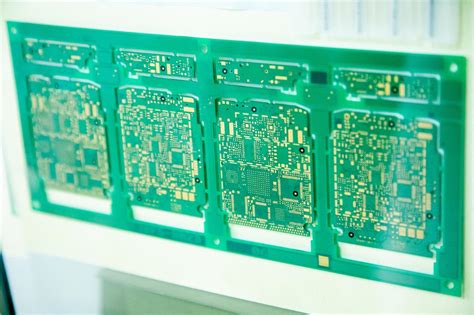
Moreover, panelization is a technique that can significantly impact the cost of flex PCB production.
By arranging multiple PCBs on a single panel, manufacturers can maximize material usage and reduce waste. This approach not only lowers material costs but also enhances production efficiency. Designers should work closely with manufacturers to determine the optimal panelization strategy, taking into account factors such as board shape, size, and the number of units required.
In addition to these strategies, it is important to consider the testing and quality assurance processes.
While it may seem counterintuitive, investing in thorough testing can actually lead to cost savings in the long run. By identifying and addressing potential issues early in the production cycle, manufacturers can avoid costly rework or scrapping of defective boards. Implementing a robust testing protocol ensures that only high-quality products reach the market, thereby reducing the risk of returns or warranty claims.
In conclusion, achieving the cheapest flex PCB manufacturing requires a holistic approach that encompasses design optimization, material selection, collaboration with manufacturers, efficient panelization, and rigorous testing. By carefully considering each of these elements, designers and engineers can successfully reduce costs while maintaining the integrity and functionality of the final product. As the demand for flex PCBs continues to grow, these strategies will be instrumental in ensuring competitive pricing and sustainable production practices.
Innovative Applications Of Low-Cost Flex PCBs In Modern Electronics
In the rapidly evolving landscape of modern electronics, the demand for innovative and cost-effective solutions has never been greater. Among the myriad of technological advancements, flexible printed circuit boards (flex PCBs) have emerged as a pivotal component, offering a unique blend of versatility and efficiency. As the electronics industry continues to push the boundaries of what is possible, the advent of low-cost flex PCBs has opened up a plethora of innovative applications, transforming the way electronic devices are designed and manufactured.
To begin with, the inherent flexibility of these PCBs allows them to be bent, folded, and twisted without compromising their functionality.
This characteristic makes them particularly suitable for applications where space constraints and unconventional shapes are prevalent. For instance, in the realm of wearable technology, flex PCBs are indispensable. They enable the seamless integration of electronic components into fabrics and other flexible materials, paving the way for smart clothing and health-monitoring devices that can conform to the human body. The affordability of these PCBs further accelerates their adoption, making advanced wearable technology accessible to a broader audience.
Moreover, the automotive industry has also benefited significantly from the integration of low-cost flex PCBs.
As vehicles become increasingly sophisticated, the need for compact and reliable electronic systems has grown. Flex PCBs offer a solution by allowing for the efficient use of space within the vehicle’s interior, supporting the development of advanced driver-assistance systems (ADAS), infotainment systems, and more. Their ability to withstand harsh environmental conditions, such as extreme temperatures and vibrations, further enhances their appeal in automotive applications.
In addition to wearables and automotive applications, the medical field has witnessed a surge in the use of flex PCBs.
Medical devices often require miniaturization and precision, both of which are facilitated by the use of flexible circuits. From portable diagnostic equipment to implantable devices, flex PCBs provide the necessary adaptability and reliability. The cost-effectiveness of these PCBs ensures that medical innovations can be developed and deployed without prohibitive expenses, ultimately improving patient care and outcomes.
Furthermore, the consumer electronics sector continues to be a major beneficiary of low-cost flex PCBs.
As consumer demand for thinner, lighter, and more powerful devices grows, manufacturers are increasingly turning to flexible circuits to meet these expectations. Smartphones, tablets, and laptops are just a few examples of devices that have been revolutionized by the integration of flex PCBs. These circuits allow for more compact designs and enhanced functionality, contributing to the sleek and efficient gadgets that dominate the market today.
In conclusion, the innovative applications of low-cost flex PCBs in modern electronics are vast and varied. Their unique properties, combined with their affordability, have made them an essential component in a wide range of industries. From wearable technology and automotive systems to medical devices and consumer electronics, flex PCBs are driving advancements and enabling new possibilities. As technology continues to advance, it is likely that the role of flex PCBs will only expand, further solidifying their place as a cornerstone of modern electronic design and manufacturing.