Cheapest pcb assembly
Top Strategies For Reducing Costs In PCB Assembly
In the realm of electronics manufacturing, printed circuit board (PCB) assembly is a critical process that can significantly impact the overall cost of production. As companies strive to remain competitive, finding ways to reduce costs in PCB assembly without compromising quality has become a priority. Several strategies can be employed to achieve cost efficiency, each contributing to a more economical production process.
To begin with, selecting the right materials is fundamental in reducing PCB assembly costs.
Opting for cost-effective yet reliable materials can make a substantial difference. For instance, using standard-grade components instead of high-end alternatives can lower expenses without affecting performance for many applications. Additionally, sourcing materials from reputable suppliers who offer competitive pricing can further drive down costs. By establishing strong relationships with suppliers, manufacturers can often negotiate better terms and discounts, which can be passed on to the final product.
Another effective strategy is to optimize the design of the PCB itself.
Design for manufacturability (DFM) principles should be applied to ensure that the board is easy and cost-effective to produce. This includes minimizing the number of layers, reducing the complexity of the design, and ensuring that components are placed in a manner that facilitates efficient assembly. By simplifying the design, manufacturers can reduce the time and resources required for assembly, thereby lowering costs.
Furthermore, leveraging automation in the assembly process can lead to significant cost savings.
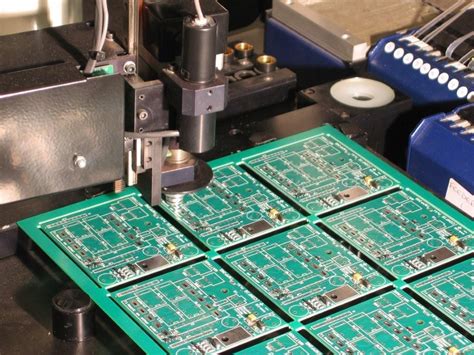
Automated assembly lines can handle repetitive tasks with precision and speed, reducing the need for manual labor and minimizing the risk of human error. This not only enhances efficiency but also improves the consistency and quality of the final product. Investing in modern assembly equipment may require an initial outlay, but the long-term savings and increased production capacity often justify the expense.
In addition to automation, employing lean manufacturing techniques can also contribute to cost reduction.
By streamlining processes, eliminating waste, and improving workflow, manufacturers can enhance productivity and reduce unnecessary expenditures. Techniques such as just-in-time inventory management ensure that materials are available when needed, reducing storage costs and minimizing the risk of obsolescence.
Moreover, outsourcing certain aspects of the PCB assembly process can be a cost-effective solution.
Contract manufacturers often have the expertise, equipment, and economies of scale to produce PCBs at a lower cost than in-house production. By partnering with a reliable contract manufacturer, companies can focus on their core competencies while benefiting from reduced production costs.
Finally, continuous improvement and regular evaluation of the assembly process are essential for maintaining cost efficiency.
By analyzing production data and seeking feedback from all stakeholders, manufacturers can identify areas for improvement and implement changes that lead to cost savings. This proactive approach ensures that the assembly process remains efficient and competitive in a rapidly evolving market.
In conclusion, reducing costs in PCB assembly requires a multifaceted approach that encompasses material selection, design optimization, automation, lean manufacturing, outsourcing, and continuous improvement. By implementing these strategies, manufacturers can achieve significant cost savings while maintaining the quality and reliability of their products. As the demand for electronic devices continues to grow, these cost-reduction strategies will be crucial for companies looking to thrive in a competitive industry.

How To Source Affordable Components For PCB Assembly
Sourcing affordable components for PCB assembly is a critical step in the manufacturing process, especially for startups and small businesses aiming to minimize costs without compromising quality. The journey to finding cost-effective components begins with understanding the market dynamics and leveraging various strategies to secure the best deals. One of the primary considerations is to establish a comprehensive list of required components, which serves as a foundation for comparing prices across different suppliers. This list should include detailed specifications to ensure that the components meet the necessary technical requirements.
Once the list is prepared, the next step involves researching potential suppliers.
Online platforms such as Digi-Key, Mouser, and Arrow Electronics offer extensive catalogs and competitive pricing. These platforms often provide bulk purchase discounts, which can significantly reduce costs. Additionally, it is beneficial to explore local distributors who might offer lower shipping costs and faster delivery times. Engaging with multiple suppliers allows for price comparison and negotiation, which can lead to substantial savings.
Another effective strategy is to consider alternative components that offer similar functionality but at a lower cost.
This requires a thorough understanding of the component’s role in the PCB assembly and the flexibility of the design specifications. Engineers and designers should collaborate closely to identify components that can be substituted without affecting the overall performance of the product. This approach not only reduces costs but also broadens the range of suppliers, increasing the likelihood of finding affordable options.
Furthermore, building strong relationships with suppliers can lead to long-term benefits.
Establishing a rapport with sales representatives can result in better pricing, priority service, and access to exclusive deals. Regular communication and demonstrating loyalty to a supplier can also lead to favorable terms and conditions, such as extended payment terms or reduced minimum order quantities.
In addition to these strategies, it is crucial to stay informed about market trends and fluctuations in component prices.
Economic factors, such as changes in raw material costs or geopolitical events, can impact pricing. By keeping abreast of these developments, businesses can time their purchases strategically to take advantage of lower prices. Subscribing to industry newsletters and participating in forums can provide valuable insights into market conditions.
Moreover, leveraging technology can streamline the sourcing process.
Utilizing software tools that aggregate data from multiple suppliers can simplify price comparisons and highlight the most cost-effective options. These tools often include features that track price changes over time, enabling businesses to make informed purchasing decisions.
Finally, it is important to consider the total cost of ownership when sourcing components.
While the initial purchase price is a significant factor, other costs such as shipping, taxes, and potential tariffs should also be taken into account. Additionally, the reliability and quality of components can affect long-term costs related to maintenance and warranty claims. Therefore, a balance must be struck between affordability and quality to ensure that the final product meets customer expectations and regulatory standards.
In conclusion, sourcing affordable components for PCB assembly requires a strategic approach that combines market research, supplier negotiation, and technological tools. By adopting these practices, businesses can effectively manage costs while maintaining the quality and reliability of their products.
Comparing Low-Cost PCB Assembly Services: What To Look For
When considering low-cost PCB assembly services, it is crucial to balance affordability with quality and reliability. The demand for printed circuit boards (PCBs) has surged with the rapid advancement of technology, leading to a proliferation of assembly services that promise cost-effective solutions. However, not all services are created equal, and selecting the right one requires careful evaluation of several key factors.
First and foremost, the quality of the components used in the assembly process is paramount.
Low-cost services may sometimes cut corners by using substandard or counterfeit components, which can compromise the functionality and longevity of the final product. Therefore, it is essential to verify that the service provider sources components from reputable suppliers. Additionally, inquire about their quality control measures, such as automated optical inspection (AOI) and X-ray inspection, which help ensure that each board meets the required specifications.
Another critical aspect to consider is the service provider’s manufacturing capabilities.
This includes their ability to handle different types of PCBs, such as single-sided, double-sided, and multilayer boards. A provider with a broad range of capabilities is more likely to meet your specific project requirements. Furthermore, assess their production capacity and lead times. While low-cost services may offer attractive pricing, extended lead times can delay your project, negating any cost savings. Therefore, it is advisable to choose a provider that can deliver within your timeline without compromising quality.
Moreover, the level of customer support offered by the service provider can significantly impact your experience.
Effective communication is vital, especially when dealing with complex PCB designs that may require modifications or troubleshooting. A provider that offers robust customer support, including technical assistance and timely updates, can help ensure a smooth assembly process. Additionally, consider whether they provide design for manufacturability (DFM) feedback, which can help optimize your design for cost-effective production.
Transitioning to the financial aspect, it is important to understand the pricing structure of the assembly service.
Some providers may offer low upfront costs but include hidden fees for additional services such as testing, shipping, or setup. A transparent pricing model that clearly outlines all potential costs can help you make an informed decision. Furthermore, consider the provider’s minimum order quantity (MOQ) requirements. While some low-cost services may offer competitive pricing, they may also require large order volumes, which may not be feasible for small-scale projects.
In addition to these considerations, it is beneficial to review the service provider’s reputation within the industry.
Customer reviews and testimonials can provide valuable insights into their reliability and the quality of their work. Additionally, certifications such as ISO 9001 or IPC-A-610 can serve as indicators of a provider’s commitment to quality standards.
In conclusion, while the allure of low-cost PCB assembly services is undeniable, it is essential to conduct thorough research to ensure that you are not sacrificing quality for cost. By evaluating factors such as component quality, manufacturing capabilities, customer support, pricing transparency, and industry reputation, you can select a service provider that offers both affordability and reliability. This balanced approach will help ensure the success of your project while maintaining the integrity and performance of your PCBs.
DIY PCB Assembly: Tips For Budget-Friendly Prototyping
In the realm of electronics, prototyping is a crucial step in the development of new devices and systems. Printed Circuit Boards (PCBs) serve as the backbone of these electronic devices, providing the necessary platform for mounting and connecting various components. However, the cost of PCB assembly can be a significant barrier for hobbyists and small-scale developers. Fortunately, there are several strategies to achieve budget-friendly PCB prototyping without compromising on quality.
To begin with, selecting the right materials is essential for cost-effective PCB assembly.
Opting for standard materials such as FR-4, a widely used fiberglass-reinforced epoxy laminate, can significantly reduce expenses. While there are more advanced materials available, they often come with a higher price tag and may not be necessary for basic prototyping needs. Additionally, using a single-sided or double-sided PCB instead of a multi-layered one can further cut costs, as the complexity and manufacturing requirements increase with additional layers.
Moreover, efficient design practices play a pivotal role in minimizing costs.
By optimizing the layout and design of the PCB, one can reduce the number of components and the overall size of the board. This not only lowers material costs but also simplifies the assembly process. Utilizing design software that offers simulation and validation features can help identify potential issues early in the design phase, thereby avoiding costly revisions later on. Furthermore, adhering to design for manufacturability (DFM) guidelines ensures that the PCB can be produced efficiently, reducing the likelihood of errors and rework.
In addition to design considerations, sourcing components wisely is another key aspect of budget-friendly PCB assembly.
Purchasing components in bulk can lead to significant savings, as suppliers often offer discounts for larger orders. Additionally, exploring alternative suppliers and comparing prices can help identify the most cost-effective options. It is also worth considering the use of generic or off-the-shelf components, which are typically more affordable than custom or specialized parts. However, it is important to ensure that these components meet the necessary specifications and quality standards for the intended application.
Transitioning from component sourcing to the assembly process itself, there are several techniques that can help reduce costs.
For instance, opting for manual assembly instead of automated processes can be more economical for small-scale projects. While this approach may require more time and effort, it eliminates the need for expensive machinery and setup costs. Additionally, leveraging community resources such as makerspaces or electronics clubs can provide access to shared tools and equipment, further reducing the financial burden.
Finally, testing and troubleshooting are integral to the prototyping process, and adopting a systematic approach can prevent unnecessary expenses.
Implementing a thorough testing plan ensures that any issues are identified and addressed early, minimizing the risk of costly rework or redesigns. Utilizing open-source testing tools and platforms can also be a cost-effective solution, as they often provide robust functionality without the associated licensing fees of commercial software.
In conclusion, achieving budget-friendly PCB assembly for DIY prototyping is a multifaceted endeavor that requires careful consideration of materials, design practices, component sourcing, assembly techniques, and testing strategies. By adopting these cost-saving measures, hobbyists and small-scale developers can bring their electronic projects to life without breaking the bank, ultimately fostering innovation and creativity in the field of electronics.