China high speed pcb design factory
Innovations In High-Speed PCB Design At Chinese Factories
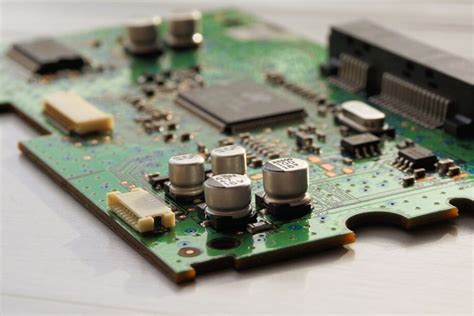
In recent years, the landscape of high-speed printed circuit board (PCB) design has undergone significant transformation, with Chinese factories emerging as pivotal players in this domain. The rapid advancements in technology and the increasing demand for sophisticated electronic devices have necessitated innovations in PCB design, particularly in high-speed applications. Chinese factories have responded to this demand by integrating cutting-edge technologies and methodologies, thereby positioning themselves at the forefront of the global PCB industry.
One of the key innovations in high-speed PCB design at Chinese factories is the adoption of advanced materials.
These materials are crucial in ensuring signal integrity and reducing electromagnetic interference, which are critical factors in high-speed applications. By utilizing materials with low dielectric constants and loss tangents, Chinese manufacturers are able to produce PCBs that support faster signal transmission with minimal distortion. This focus on material science not only enhances the performance of the PCBs but also extends their reliability and lifespan, which are essential attributes for modern electronic devices.
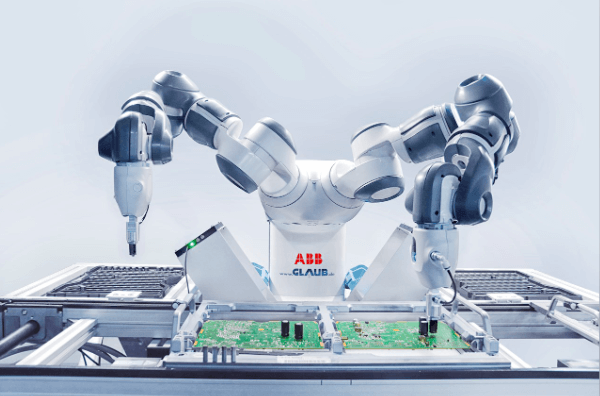
Moreover, Chinese factories have embraced automation and precision manufacturing techniques to improve the quality and efficiency of high-speed PCB production.
The implementation of automated optical inspection (AOI) systems, for instance, allows for meticulous examination of PCBs, ensuring that any defects are identified and rectified early in the production process. This level of precision is vital in high-speed applications where even minor imperfections can lead to significant performance issues. Additionally, the use of computer-aided design (CAD) tools has streamlined the design process, enabling engineers to create complex PCB layouts with greater accuracy and speed.
Furthermore, the integration of simulation software in the design phase has been a game-changer for Chinese PCB factories.
By simulating the electrical performance of a PCB before it is physically manufactured, engineers can predict potential issues and optimize the design accordingly. This proactive approach not only reduces the likelihood of costly redesigns but also accelerates the time-to-market for new products.
As a result, Chinese factories are able to meet the fast-paced demands of the electronics industry while maintaining high standards of quality.
In addition to technological advancements, Chinese factories have also focused on fostering collaboration and knowledge sharing within the industry.
By partnering with research institutions and participating in international conferences, these factories are able to stay abreast of the latest trends and innovations in high-speed PCB design. This collaborative approach has facilitated the exchange of ideas and best practices, further enhancing the capabilities of Chinese manufacturers in this field.
Moreover, the emphasis on sustainability and environmental responsibility has become increasingly prominent in the operations of Chinese PCB factories.
By implementing eco-friendly manufacturing processes and reducing waste, these factories are not only minimizing their environmental impact but also aligning with global standards and regulations. This commitment to sustainability is an important consideration for many international clients who are seeking to partner with environmentally conscious suppliers.
In conclusion, the innovations in high-speed PCB design at Chinese factories are a testament to their commitment to excellence and adaptability in a rapidly evolving industry. Through the adoption of advanced materials, automation, simulation software, and sustainable practices, these factories have established themselves as leaders in the global PCB market. As the demand for high-speed electronic devices continues to grow, Chinese factories are well-positioned to meet the challenges and opportunities that lie ahead, driving further advancements in this critical sector.
The Role Of Chinese Factories In Global High-Speed PCB Production
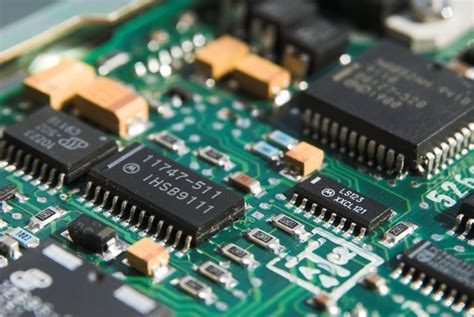
In the rapidly evolving landscape of electronics manufacturing, the role of Chinese factories in global high-speed printed circuit board (PCB) production has become increasingly significant. As the demand for advanced electronic devices continues to surge, the need for efficient and reliable high-speed PCBs has never been more critical. Chinese factories have emerged as pivotal players in this domain, leveraging their technological prowess, cost-effective production capabilities, and strategic positioning within the global supply chain to meet the growing needs of the electronics industry.
To begin with, China’s dominance in high-speed PCB production can be attributed to its robust manufacturing infrastructure.
Over the past few decades, China has invested heavily in developing state-of-the-art facilities equipped with cutting-edge technology. This investment has enabled Chinese factories to produce high-speed PCBs with precision and efficiency, meeting the stringent quality standards required by international clients. Moreover, the availability of a skilled workforce, well-versed in the intricacies of PCB design and manufacturing, further enhances China’s competitive edge in this sector.
In addition to infrastructure and expertise, Chinese factories benefit from economies of scale, which allow them to offer competitive pricing without compromising on quality. The sheer volume of production in China enables manufacturers to reduce costs, making high-speed PCBs more accessible to a global clientele. This cost advantage is particularly appealing to companies looking to optimize their supply chains and reduce production expenses, thereby enhancing their overall competitiveness in the market.
Furthermore, Chinese factories have demonstrated remarkable adaptability in response to the dynamic demands of the electronics industry.
As technology continues to advance at a rapid pace, the requirements for high-speed PCBs are constantly evolving. Chinese manufacturers have shown a keen ability to innovate and incorporate the latest technological advancements into their production processes. This adaptability ensures that they remain at the forefront of high-speed PCB production, capable of delivering products that meet the ever-changing specifications of modern electronic devices.
Another critical factor contributing to the prominence of Chinese factories in this field is their strategic integration into the global supply chain.
China’s geographical location and well-established logistics networks facilitate efficient distribution of high-speed PCBs to markets worldwide. This logistical advantage ensures timely delivery of products, a crucial aspect for companies operating in fast-paced industries where time-to-market is a key determinant of success.
Moreover, Chinese factories have established strong partnerships with international companies, fostering collaboration and knowledge exchange.
These partnerships enable Chinese manufacturers to stay abreast of global trends and customer preferences, further enhancing their ability to produce high-speed PCBs that align with international standards and expectations. By maintaining close ties with global clients, Chinese factories can anticipate market needs and tailor their production strategies accordingly.
In conclusion, the role of Chinese factories in global high-speed PCB production is multifaceted and indispensable. Through a combination of advanced manufacturing capabilities, cost-effective production, adaptability to technological advancements, strategic supply chain integration, and international collaboration, Chinese manufacturers have positioned themselves as leaders in this critical sector. As the demand for high-speed PCBs continues to grow, the influence of Chinese factories is likely to expand further, solidifying their status as key contributors to the global electronics industry.
Challenges And Solutions In High-Speed PCB Manufacturing In China
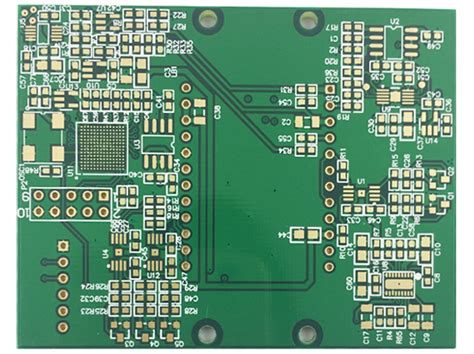
In the rapidly evolving landscape of electronics manufacturing, high-speed printed circuit board (PCB) design has emerged as a critical component, particularly in China, which stands as a global leader in electronics production. The demand for high-speed PCBs is driven by the need for faster, more efficient electronic devices, which are essential in industries ranging from telecommunications to consumer electronics. However, the manufacturing of high-speed PCBs in China is not without its challenges. These challenges are multifaceted, encompassing technical, logistical, and economic dimensions, yet innovative solutions are continually being developed to address them.
One of the primary challenges in high-speed PCB manufacturing is the complexity of the design process.
High-speed PCBs require precise signal integrity and minimal electromagnetic interference, which necessitates advanced design techniques and tools. In China, manufacturers are investing heavily in research and development to enhance their design capabilities. By adopting cutting-edge software and simulation tools, they can predict and mitigate potential issues before the manufacturing process begins. This proactive approach not only improves the quality of the final product but also reduces the time and cost associated with trial-and-error methods.
Moreover, the materials used in high-speed PCB manufacturing present another significant challenge.
The need for materials that can withstand high frequencies and temperatures is paramount. In response, Chinese manufacturers are exploring new materials and composites that offer superior performance characteristics. Collaborations with international material suppliers have also been instrumental in ensuring access to the latest innovations in PCB materials. This global partnership approach allows Chinese factories to remain competitive in the high-speed PCB market by leveraging the best available resources.
In addition to technical challenges, logistical issues also pose a significant hurdle.
The high-speed PCB manufacturing process involves multiple stages, each requiring precise coordination to ensure timely delivery. In China, the sheer scale of production can lead to bottlenecks and delays. To address this, manufacturers are increasingly adopting smart manufacturing practices, such as automation and the Internet of Things (IoT), to streamline operations. These technologies enable real-time monitoring and control of the production process, thereby enhancing efficiency and reducing the likelihood of delays.
Economic factors also play a crucial role in the challenges faced by high-speed PCB manufacturers in China.
The cost of production is a constant concern, particularly in a market where price competition is fierce. To remain economically viable, manufacturers are focusing on optimizing their production processes to reduce waste and improve yield. Lean manufacturing principles are being implemented to minimize unnecessary steps and maximize resource utilization. Additionally, government incentives and subsidies for technology upgrades and innovation are providing much-needed support to manufacturers striving to maintain their competitive edge.
Despite these challenges, the solutions being implemented are paving the way for a robust high-speed PCB manufacturing industry in China.
By embracing technological advancements, optimizing logistics, and leveraging economic strategies, Chinese manufacturers are not only overcoming existing obstacles but are also setting new standards in the global electronics market. As the demand for high-speed PCBs continues to grow, the ability of Chinese factories to adapt and innovate will be crucial in maintaining their leadership position. In conclusion, while the challenges in high-speed PCB manufacturing are significant, the solutions being developed are ensuring that China remains at the forefront of this critical industry.
Future Trends In High-Speed PCB Design From China’s Leading Factories
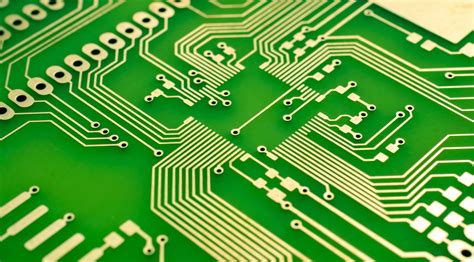
As the global demand for advanced electronics continues to surge, the role of high-speed printed circuit board (PCB) design becomes increasingly pivotal. China’s leading factories are at the forefront of this technological evolution, setting trends that are likely to shape the future of high-speed PCB design. These factories are not only enhancing their manufacturing capabilities but are also innovating in design methodologies to meet the ever-growing requirements of modern electronic devices.
One of the most significant trends emerging from China’s high-speed PCB design factories is the integration of artificial intelligence (AI) and machine learning (ML) into the design process.
By leveraging AI and ML, these factories are able to optimize design layouts, predict potential signal integrity issues, and automate complex routing tasks. This integration not only accelerates the design process but also enhances the reliability and performance of the final product. As a result, designers can focus more on innovation rather than being bogged down by repetitive tasks.
In addition to AI and ML, the adoption of advanced materials is another trend that is gaining momentum.
High-speed PCBs require materials that can support faster signal transmission while minimizing losses. Chinese factories are increasingly utilizing materials such as low-loss laminates and high-frequency substrates to achieve these goals. These materials are crucial for applications in telecommunications, data centers, and automotive industries, where high-speed data transfer is essential. By investing in research and development of new materials, China’s PCB manufacturers are positioning themselves as leaders in the global market.
Moreover, the miniaturization of electronic components is driving the need for more compact and efficient PCB designs.
China’s factories are responding to this demand by developing multilayer PCBs with higher layer counts and finer line widths. This trend is particularly important for consumer electronics, where space is at a premium. The ability to pack more functionality into a smaller footprint without compromising performance is a key competitive advantage for these manufacturers.
Furthermore, the emphasis on sustainability and environmental responsibility is influencing the future of high-speed PCB design.
Chinese factories are increasingly adopting green manufacturing practices, such as using lead-free solder and reducing waste through efficient production processes. This shift not only aligns with global environmental standards but also appeals to environmentally conscious consumers and businesses. By prioritizing sustainability, these factories are ensuring that their operations remain viable in the long term.
In parallel, the rise of 5G technology is another catalyst for innovation in high-speed PCB design.
The deployment of 5G networks requires PCBs that can handle higher frequencies and greater data rates. China’s leading factories are investing in the development of PCBs that meet these stringent requirements, thereby supporting the global rollout of 5G infrastructure. This focus on 5G is expected to drive further advancements in PCB technology, as manufacturers strive to keep pace with the rapid evolution of telecommunications.
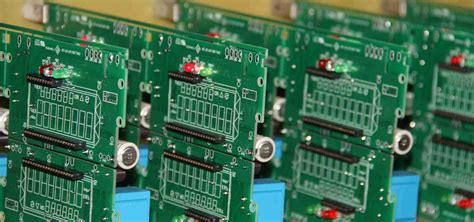
In conclusion, the future trends in high-speed PCB design from China’s leading factories are characterized by technological innovation, material advancements, miniaturization, sustainability, and the push towards 5G. These trends not only reflect the current demands of the electronics industry but also set the stage for future developments. As these factories continue to innovate and adapt, they are likely to maintain their position as key players in the global high-speed PCB market, influencing the direction of technology for years to come.