China PCB Manufacturers: Driving Innovation and Dominance in the Global Electronics Industry
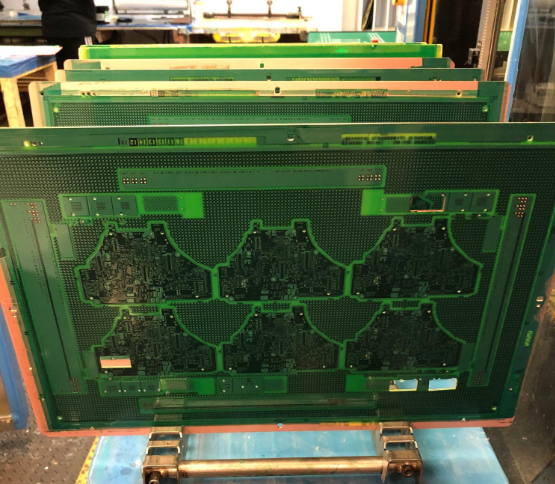
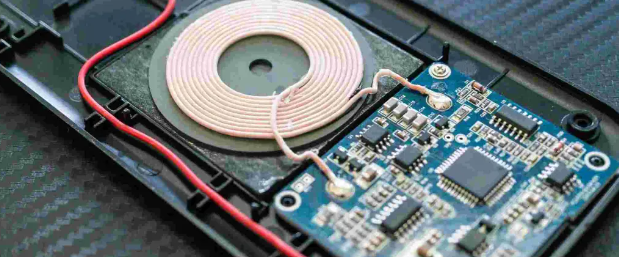
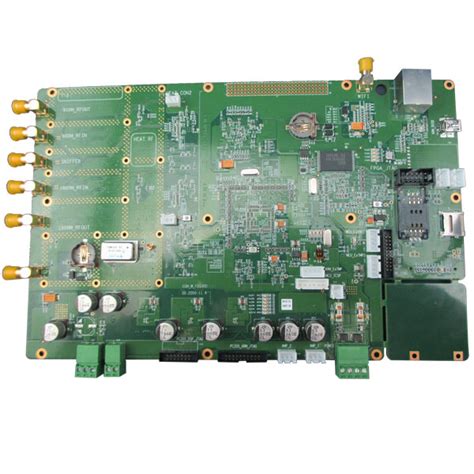
China has emerged as a global powerhouse in the electronics manufacturing industry, and its dominance in the printed circuit board (PCB) sector is a testament to its technological prowess, manufacturing capabilities, and cost efficiency. Chinese PCB manufacturers play a pivotal role in the global supply chain, serving industries ranging from consumer electronics to aerospace and automotive. This article explores the rise of China’s PCB manufacturing industry, its key strengths, challenges, and its impact on the global electronics market.
The Rise of China’s PCB Manufacturing Industry
China’s journey to becoming the world’s largest PCB manufacturer began in the late 20th century, driven by a combination of government support, low labor costs, and a rapidly growing domestic electronics market. Over the past few decades, the country has invested heavily in infrastructure, technology, and workforce development, enabling it to dominate the global PCB market.
Today, China accounts for over 50% of the world’s PCB production, with thousands of manufacturers ranging from small-scale workshops to large, state-of-the-art facilities. Major PCB manufacturing hubs are located in regions such as Guangdong, Jiangsu, and Zhejiang, where clusters of suppliers, manufacturers, and customers create a robust ecosystem.
Key Strengths of Chinese PCB Manufacturers
The success of China’s PCB manufacturing industry can be attributed to several key strengths:
1. Cost Efficiency
- China’s low labor costs and economies of scale enable manufacturers to produce PCBs at highly competitive prices.
- The availability of raw materials and components locally further reduces production costs.
2. Advanced Manufacturing Capabilities
- Chinese manufacturers have invested heavily in advanced equipment and technologies, such as automated assembly lines, laser drilling, and high-precision etching.
- Many facilities are equipped to produce high-density interconnect (HDI) PCBs, flexible PCBs, and multilayer boards with complex designs.
3. Scalability and Flexibility
- Chinese PCB manufacturers can handle orders of all sizes, from small prototype batches to large-scale production runs.
- Their ability to quickly scale production makes them ideal partners for companies with fluctuating demand.
4. Comprehensive Service Offerings
- Many Chinese manufacturers offer end-to-end services, including PCB design, fabrication, assembly, and testing.
- This one-stop-shop approach simplifies the supply chain and reduces lead times for customers.
5. Strong Domestic Market
- China’s booming electronics industry, driven by demand for smartphones, IoT devices, and electric vehicles, provides a steady stream of business for PCB manufacturers.
- The domestic market also serves as a testing ground for new technologies and innovations.
6. Global Supply Chain Integration
- Chinese manufacturers are deeply integrated into the global supply chain, serving customers in North America, Europe, and Asia.
- Their ability to meet international quality standards, such as ISO, UL, and RoHS, has earned them the trust of global clients.
Leading Chinese PCB Manufacturers
China is home to some of the world’s largest and most reputable PCB manufacturers. Here are a few notable players:
- Shenzhen Fastprint Circuit Tech Co., Ltd. (Fastprint):
- One of China’s largest PCB manufacturers, Fastprint specializes in high-volume production of multilayer PCBs, HDI PCBs, and flexible PCBs.
- The company serves industries such as telecommunications, automotive, and consumer electronics.
- Zhen Ding Technology Holding Limited (ZDT):
- A leading manufacturer of high-density interconnect (HDI) PCBs, ZDT is a key supplier for smartphones, laptops, and other consumer electronics.
- The company is known for its advanced manufacturing capabilities and strict quality control.
- Shenzhen Kinwong Electronic Co., Ltd.:
- Kinwong is a major player in the PCB industry, offering a wide range of products, including rigid, flexible, and rigid-flex PCBs.
- The company has a strong presence in the automotive and industrial sectors.
- WUS Printed Circuit Co., Ltd.:
- WUS is a global leader in PCB manufacturing, with a focus on high-performance boards for aerospace, defense, and telecommunications.
- The company is known for its expertise in producing complex, high-layer-count PCBs.
- TTM Technologies, Inc. (China Operations):
- Although headquartered in the U.S., TTM has significant manufacturing operations in China, producing advanced PCBs for automotive, medical, and industrial applications.
Challenges Facing Chinese PCB Manufacturers
Despite their strengths, Chinese PCB manufacturers face several challenges that could impact their future growth:
1. Rising Labor Costs
- As China’s economy develops, labor costs are increasing, reducing the cost advantage that once made Chinese manufacturers so competitive.
2. Environmental Regulations
- Stricter environmental regulations are forcing manufacturers to invest in cleaner production processes, which can increase costs.
3. Global Supply Chain Disruptions
- The COVID-19 pandemic and geopolitical tensions have exposed vulnerabilities in the global supply chain, affecting the availability of raw materials and components.
4. Intense Competition
- The PCB industry in China is highly competitive, with thousands of manufacturers vying for market share. This can lead to price wars and reduced profit margins.
5. Technological Advancements
- Keeping up with rapid technological advancements, such as 5G, IoT, and AI, requires continuous investment in R&D and equipment upgrades.
6. Trade Tensions
- Trade tensions between China and other countries, particularly the U.S., have led to tariffs and restrictions that could impact exports.
The Role of Chinese PCB Manufacturers in the Global Market
Chinese PCB manufacturers play a critical role in the global electronics industry, providing the backbone for countless devices and systems. Their contributions extend beyond manufacturing to include innovation, supply chain integration, and market expansion.
1. Enabling Technological Advancements
- Chinese manufacturers are at the forefront of producing PCBs for emerging technologies such as 5G, electric vehicles, and wearable devices.
- Their ability to produce high-performance, reliable PCBs is essential for the development of next-generation electronics.
2. Driving Down Costs
- The cost efficiency of Chinese manufacturers has made advanced electronics more affordable and accessible worldwide.
- This has enabled the proliferation of consumer electronics, IoT devices, and other technologies.
3. Supporting Global Supply Chains
- Chinese manufacturers are integral to the global supply chain, providing PCBs to companies in North America, Europe, and Asia.
- Their ability to scale production and meet tight deadlines ensures the smooth operation of global markets.
4. Fostering Innovation
- Many Chinese manufacturers are investing in R&D to develop new materials, processes, and technologies.
- This innovation is driving the evolution of the PCB industry and enabling new applications.
Future Trends and Opportunities
The future of China’s PCB manufacturing industry is shaped by several key trends and opportunities:
- 5G and IoT Expansion:
- The rollout of 5G networks and the growth of IoT devices are driving demand for high-frequency, high-performance PCBs.
- Chinese manufacturers are well-positioned to capitalize on this trend.
- Electric Vehicles (EVs):
- The shift toward electric vehicles is creating new opportunities for PCB manufacturers, particularly in the production of power electronics and battery management systems.
- Automation and Industry 4.0:
- The adoption of automation and smart manufacturing technologies is improving efficiency and reducing costs for Chinese manufacturers.
- Sustainability Initiatives:
- As environmental concerns grow, manufacturers are investing in sustainable practices, such as recycling and energy-efficient production.
- Global Market Expansion:
- Chinese manufacturers are expanding their presence in emerging markets, such as Southeast Asia and Africa, to tap into new growth opportunities.
Conclusion
China’s PCB manufacturing industry is a cornerstone of the global electronics market, providing the essential components that power modern technology. With their cost efficiency, advanced capabilities, and commitment to innovation, Chinese manufacturers have earned their place as leaders in the industry.
While challenges such as rising labor costs, environmental regulations, and global trade tensions pose risks, the industry’s ability to adapt and innovate ensures its continued growth and relevance. As the demand for advanced electronics continues to rise, Chinese PCB manufacturers will remain at the forefront, driving progress and shaping the future of technology. Whether you’re a global corporation or a startup, partnering with a Chinese PCB manufacturer offers a pathway to success in the fast-paced world of electronics.