Choosing the Right 8-Layer PCB Manufacturer for Your Needs
Key Takeaways
Choosing the right 8-layer PCB manufacturer is crucial for the success of your projects. First, it’s essential to understand the importance of PCB manufacturing capabilities. Not every manufacturer can produce 8-layer designs, so you must ensure that your chosen manufacturer has the necessary equipment and expertise. When evaluating potential PCB manufacturing companies, asking key questions about their experience and previous projects can provide insight into their capabilities.
Additionally, considering the cost is vital for sustaining your PCB manufacturing business. Striking a balance between quality and affordability can significantly affect your project’s budget. Always inquire about the overall PCB manufacturing cost, ensuring you get value without compromising on standards.
Delivery timelines are another key factor. Confirming that your manufacturer can meet deadlines will help you avoid delays in your project schedule. Furthermore, assessing the material quality and technology used in their production processes is essential to guarantee durability and performance.
Finally, don’t overlook customer testimonials and case studies; these can provide reassurance of a manufacturer’s reliability and competence in producing high-quality products that meet industry standards. Building a long-term partnership with your manufacturers not only fosters trust but also ensures consistency in quality, which is vital for ongoing projects. By keeping these factors in mind, you’ll be well-equipped to choose a suitable partner for 8-layer PCB manufacturing that aligns with your project’s demands.
Understanding the Importance of PCB Manufacturer Capabilities
When selecting an 8-layer PCB manufacturer, it is crucial to understand how their capabilities affect the quality of your project. Not all PCB manufacturing companies offer the same range of services or possess the necessary technical expertise to handle complex designs. Assessing their capabilities can ensure that they align with your specific requirements, such as design complexity, thickness, and feature set. Furthermore, consider how their manufacturing processes impact overall efficiency and reliability. Reliable PCB manufacturing should incorporate advanced technology, which can not only enhance quality but also help in reducing overall production time. As you evaluate potential partners, ask them about their certifications and past projects to gauge their proficiency in managing different aspects of the PCB manufacturing business. Remember, choosing a manufacturer who understands your specific needs and possesses strong capabilities can significantly influence your project’s success.
“Evaluate each manufacturer’s capabilities meticulously; the right choice can set the foundation for successful collaboration.”
Be mindful that while assessing these factors is vital for understanding potential pcb manufacturing costs, it should not be your sole focus. It’s about finding a balance between quality and affordability while ensuring that you receive exceptional service tailored to your business needs.
Evaluating Expertise: Key Questions to Ask Potential Manufacturers
When it comes to selecting an 8-layer PCB manufacturer, evaluating their expertise is crucial for ensuring your project’s success. You should start by asking about their experience in the PCB manufacturing industry. Inquire about the number of years they have been in the business and the types of projects they have undertaken, specifically focusing on 8-layer PCBs. This will give you insight into their proficiency and whether they specialize in your specific needs. Additionally, don’t hesitate to ask about their technological capabilities; find out what equipment and techniques they use for production, as these factors significantly impact the quality of your printed circuit boards. It is also wise to check their certifications and compliance with industry standards, which can serve as a testament to their credibility among PCB manufacturing companies.
Moreover, discuss the qualifications of their engineering and technical teams. Their expertise can greatly influence both the design process and the ongoing support you’ll receive throughout your project lifecycle. It’s beneficial to explore any case studies or examples from previous work—this not only demonstrates their capabilities but also provides context for understanding their problem-solving skills and adaptability.
Finally, consider asking how they handle challenges during production phases. A reliable PCB manufacturing business should have established processes in place to manage issues efficiently while minimizing delays and cost overruns. By posing these questions, you’ll have a clearer picture of which manufacturer aligns best with your vision for cost-effective yet high-quality PCB manufacturing solutions.
Cost Considerations: Finding a Balance Between Quality and Affordability
When engaging with PCB manufacturing companies, the cost factor often stands out as a significant deciding point. However, it is essential to recognize that the PCB manufacturing cost should not be the sole criterion for your selection. The balance between quality and affordability is paramount, as a lower price may often come at the expense of production quality or reliability. Start by assessing your project requirements and understanding how they align with the capabilities of potential manufacturers. Use a detailed table to compare different PCB manufacturing options you consider; this helps visualize what you may gain from slightly higher investments.
| Manufacturer | Cost per Unit | Lead Time | Quality Certification |
|---|---|---|---|
| Company A | $X | Y weeks | ISO 9001 |
| Company B | $X+10% | Z weeks | IPC-A-610 |
| Company C | $X-15% | W weeks | None |
As indicated in the table, while Manufacturer A may appear more expensive, they carry robust quality certifications that could mitigate risks in your project. Besides, consider pcb manufacturing business practices when evaluating costs; manufacturers invested in modern technologies often deliver superior quality and consistently meet deadlines. Engage in dialogue with potential partners about all aspects of production to ensure you find not only a competitive price but an assurance of quality for your 8-layer PCB requirements. By taking these steps, you’ll position your project on a solid foundation that balances cost with excellence.
Delivery Time: Ensuring Timely Completion for Your Projects
When engaging with pcb manufacturing companies, one critical factor to consider is delivery time. Timely completion of your projects is essential to maintaining your overall schedule and meeting your business goals. You should inquire about the pcb manufacturing cost in relation to lead times; often, expedited services come at a premium, but they might be necessary for urgent projects. Ensuring that the manufacturer has a robust process in place can significantly affect how quickly they can deliver your boards. It’s crucial to assess their track record regarding punctuality and reliability in pcb manufacturing. Don’t hesitate to ask potential manufacturers about their typical lead times and how they manage delays if they arise. A manufacturer who prioritizes efficient logistics and transparent communication will better align with your timeline needs. Ultimately, a well-chosen partner in the pcb manufacturing business can ensure that timely deliveries are not just a hope but a standard practice, enabling you to launch products without frustrating delays.
Assessing Material Quality and Technology Used in Production
When evaluating 8-layer PCB manufacturers, one crucial aspect to consider is the material quality they utilize. High-quality materials play a pivotal role in the overall performance and longevity of your printed circuit boards. Look for manufacturers that source quality substrates like FR-4, or specialized materials tailored for high-frequency applications. Additionally, inquire about the technology used during the pcb manufacturing process. Advanced techniques, such as HDI (High-Density Interconnector) and laser drilling, can significantly enhance the functionality and reliability of your designs. It’s also essential to understand how these technologies impact the pcb manufacturing cost; often, investing in superior materials and technology can save costs related to failures or rework down the line. Assessing how a manufacturer’s technical capabilities align with your project needs will ensure that you select a partner who can meet both your performance criteria and budgetary constraints. Moreover, this inquiry helps you gauge whether the pcb manufacturing business is equipped to support future innovations that may arise in your projects, ensuring compatibility with evolving industry standards.
Reviewing Customer Testimonials and Case Studies
When selecting an 8-layer PCB manufacturer, one of the most insightful steps you can take is to review customer testimonials and case studies. These reviews provide a glimpse into the pcb manufacturing process and deliver critical information about the experiences of other businesses in your industry. Look for pcb manufacturing companies that showcase a diverse range of projects and highlight their ability to deliver on promises related to quality and deadlines. Pay attention to detailed case studies that explain how these manufacturers overcame challenges while meeting specific requirements, including unexpected complexities in pcb manufacturing cost. Real-world examples serve as powerful indicators of whether a manufacturer can support the unique needs of your pcb manufacturing business. A strong portfolio backed by positive client feedback not only reassures you of their capabilities but also helps you understand their commitment to high-quality production. By focusing on these testimonials, you can make a more informed decision, ensuring your project is in capable hands.
Tips for Building a Long-Term Partnership with Your PCB Manufacturer
Building a successful, long-term relationship with your PCB manufacturer can have significant advantages for your business. Start by prioritizing transparent communication; consistently sharing your project needs and expectations helps establish trust. Regular meetings to discuss progress, address potential issues, and explore any changes in PCB manufacturing requirements can foster a collaborative environment. Next, consider the responsiveness of the PCB manufacturing companies you are evaluating—timely responses are critical, especially when you’re facing tight deadlines. Additionally, discussing your visions for future projects can reveal how well the manufacturer understands your business goals and aligns with them over time. Ensuring that they uphold high standards in their PCB manufacturing business, especially regarding quality and technology, is essential to maintaining consistency in production quality. Lastly, don’t underestimate the importance of personal rapport; a respectful and professional relationship can enhance cooperation and project execution. By focusing on these aspects, you can create a strong foundation for collaboration that ultimately benefits both parties involved.
Conclusion
Choosing the right 8-layer PCB manufacturer can significantly influence the success of your projects. While evaluating pcb manufacturing companies, it’s crucial to consider their capabilities in handling complex designs and large production volumes. Engage in discussions that clarify their expertise and previous experiences to ensure they align with your project specifications. Price is another vital consideration; while searching for competitive pcb manufacturing costs, be cautious of overly low quotes that might compromise quality. Always remember that investing in a reputable manufacturer often yields better long-term value for your pcb manufacturing business. Additionally, prioritize manufacturers who can meet your delivery timelines without sacrificing quality, thus ensuring your project progresses smoothly. By keeping these factors at the forefront of your decision-making, you’ll be well-equipped to establish a fruitful partnership with a manufacturer who meets your unique needs in the realm of printed circuit boards.
FAQs
What is an 8-layer PCB?
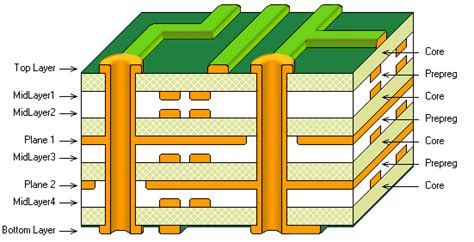
An 8-layer PCB consists of eight layers of circuitry, allowing for increased complexity and functionality compared to simpler designs. This structure can enable better signal integrity and reduced electromagnetic interference.
Why should I consider an 8-layer PCB manufacturer?
Opting for specialized pcb manufacturing companies that focus on 8-layer boards can ensure your project meets its technical requirements while benefiting from their expertise in handling more complex designs.
How do I evaluate the capability of a PCB manufacturer?
You should consider factors such as their technology used, materials, and production methods. Assessing their output quality through samples can also help gauge their suitability for your project.
What are typical costs associated with 8-layer PCBs?
The pcb manufacturing cost varies based on factors like design complexity, material choice, and production volume. It’s essential to get quotes from multiple pcb manufacturing companies to understand the market rate.
How important is the delivery time in PCB manufacturing?
Delivery time plays a critical role in maintaining your project’s schedule. A timely delivery ensures that you can proceed with further stages efficiently, avoiding costly delays.
Can I build a long-term relationship with my PCB manufacturer?
Absolutely! Establishing clear communication about expectations and fostering trust can lead to a fruitful partnership that benefits your pcb manufacturing business, enhancing future collaboration opportunities.