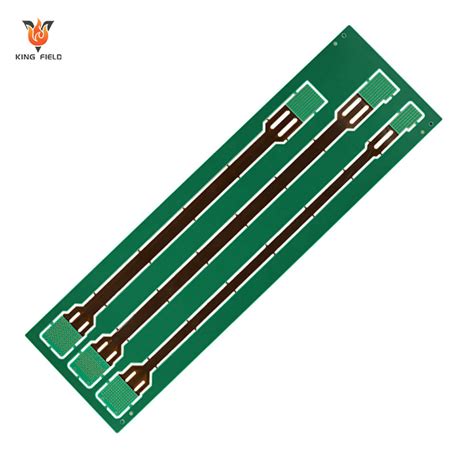
Choosing the Right Double Sided PCB Manufacturer for Your Needs
Key Takeaways
When choosing a double sided PCB manufacturer, it’s essential to streamline your focus on several core aspects to ensure you are making an informed decision. First, understanding the landscape of pcb manufacturing can significantly impact your choice. Familiarize yourself with various pcb manufacturing companies that offer a range of services tailored to double sided PCB production. It’s vital to evaluate the pcb manufacturing cost, as this will help you establish a budget that aligns with your project’s scope.
Additionally, consider the technical capabilities and innovations each company provides in their pcb manufacturing business. A manufacturer equipped with advanced technologies may deliver superior quality products and quicker turnaround times, which can ultimately benefit your project timeline.
When communicating with potential partners, don’t underestimate the value of asking detailed questions about their processes, certifications, and previous work experiences—this often illuminates their reliability and suitability for your needs.
Lastly, building a rapport with your chosen PCB manufacturer can lead to smoother collaborations in the future. Establishing strong lines of communication will ensure that both parties are aligned on expectations and goals. Remember, choosing the right partner today lays down a promising foundation for tomorrow’s projects.
“Strong partnerships stem from clear communication and mutual understanding.”
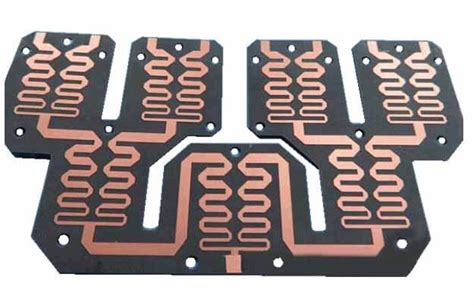
Understanding Double Sided PCBs: An Overview
When delving into the realm of double sided PCBs, it is crucial to understand what sets them apart. A double sided PCB features conductive paths on both sides, allowing for a more complex design while maintaining a compact footprint. This feature enables the integration of multiple components without requiring additional layers, which can significantly impact the pcb manufacturing cost and overall efficiency of your project. With the escalating demand for smaller and more sophisticated electronic devices, working with proficient pcb manufacturing companies becomes paramount to meet the intricate design specifications and quality standards necessary for modern electronics. As you explore potential partners in the pcb manufacturing business, it is vital to consider their experience with double sided designs and their ability to address your specific needs effectively. Understanding these key elements will empower you to make informed choices that align with both your technical requirements and budgetary constraints, ultimately ensuring that your project is successful from conception to completion.
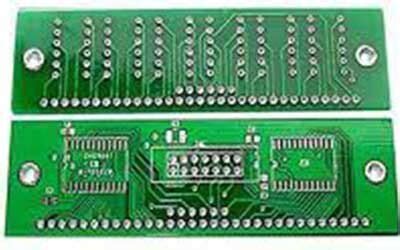
Key Factors to Consider When Choosing a Manufacturer
When selecting a double sided PCB manufacturer, there are several critical factors to consider that can significantly impact your pcb manufacturing business’s success. First, assess the company’s experience and expertise in pcb manufacturing. A manufacturer with a proven track record in producing high-quality double sided PCBs typically indicates reliability, which is essential for your project’s success. You should also evaluate their technological capabilities; advanced machinery and production techniques are vital for achieving precision and efficiency in the pcb manufacturing cost. Additionally, consider the company’s ability to handle your specific requirements, such as size, design complexity, and quantity needed. Research their customer service responsiveness; an accessible supplier who communicates well is more likely to ensure smooth collaboration throughout the project. Lastly, review their quality control practices; rigorous testing and adherence to industry standards can significantly reduce defects and rework in your products. By keeping these factors in mind, you can better navigate the landscape of pcb manufacturing companies and find a partner that aligns with your strategic needs.
Essential Questions to Ask Your Potential PCB Partner
When selecting a double sided PCB manufacturer, it’s crucial to ask the right questions to ensure that they align with your project’s needs. Start by inquiring about their PCB manufacturing processes. Understanding their capabilities can reveal whether they can meet your specific requirements regarding design complexity and material specifications. You might want to ask about the technologies they use; proficiency in modern techniques plays a key role in quality and efficiency.
It’s also advisable to discuss their experience with similar projects. For example, ask them about previous work with businesses in your industry, as this can give you insight into their expertise. Additionally, inquire about their approach to quality control. Knowing what measures they take can aid in assessing the reliability of their output.
Another important area is understanding the pcb manufacturing cost structure. You should clarify how they price their services and whether there are additional fees for services like prototype development or expedited delivery. This will help you budget effectively for your project.
Finally, establish clear communication channels. It’s important that you feel confident in their customer service and responsiveness throughout the different stages of your project. Here’s a table summarizing these essential questions:
| Question | Purpose |
|---|---|
| What is your PCB manufacturing process? | To understand capabilities and limitations |
| What technologies do you use? | To assess modernity and efficiency |
| Can you share past projects similar to mine? | To gauge industry experience |
| What is your quality control process? | To evaluate output reliability |
| How do you structure your costs? | To plan your budget effectively |
| What are your communication practices? | To ensure seamless collaboration |
By addressing these questions, you’ll be better equipped to select a suitable partner among various PCB manufacturing companies, setting a solid foundation for successful collaboration within the pcb manufacturing business landscape.
Evaluating Manufacturer Capabilities and Technologies
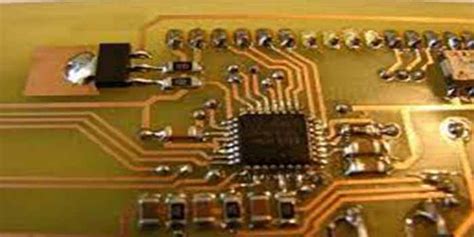
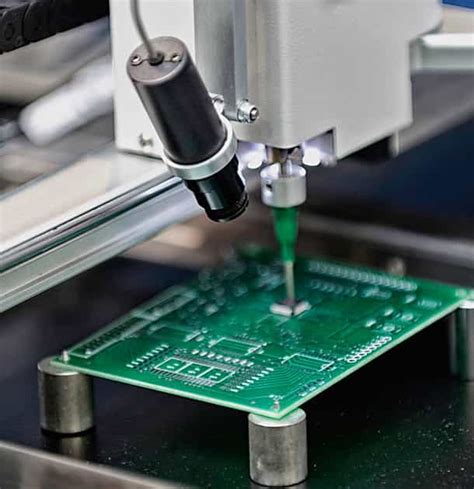
When it comes to selecting a double sided PCB manufacturer, you must carefully evaluate the capabilities and technologies that potential partners offer. Start by investigating the types of pcb manufacturing processes they employ. Advanced technologies such as automated solder paste printing, laser drilling, and multilayer assembly can significantly enhance the quality and precision of your PCBs. Furthermore, assess whether the manufacturer has experience handling specialized applications, like high-frequency designs or flexible circuits, which may require unique competencies not all pcb manufacturing companies possess.
Be sure to also inquire about their production capacity—understanding how many units they can produce daily can help you gauge if they can meet your project’s demands during peak times. You should ask about their use of materials and whether they offer options compatible with your specific requirements, as certain materials can impact the overall performance of your PCB assemblies.
Another crucial factor to consider is their engineering support capabilities. Manufacturers that offer strong design support can help identify potential manufacturing limitations early in the process, ultimately reducing pcb manufacturing costs related to redesigns or production delays. Remember, a collaborative relationship with your pcb manufacturing business not only streamlines communication but also ensures both parties are aligned on quality standards and delivery schedules. By conducting thorough evaluations in these areas, you position yourself to find a reliable partner who meets both your technical needs and budgetary constraints.

Assessing Quality Control Practices in PCB Manufacturing
When it comes to double sided PCB manufacturing, understanding the quality control practices of potential PCB manufacturing companies is crucial to ensuring that the products meet your standards and requirements. Quality control practices can significantly impact the overall reliability and performance of your PCBs. Begin by inquiring about the specific processes they have in place, such as in-line testing, visual inspection, and materials traceability. Make sure that the PCB manufacturing business adheres to recognized industry standards like ISO 9001 or IPC-A-600. Additionally, investigate whether they perform regular audits and maintain documented evidence of quality control checks. An effective quality management system should not only focus on detecting defects but should also prioritize prevention strategies to minimize issues during production. By understanding these QA protocols, you can assess whether a specific manufacturer aligns with your expectations regarding pcb manufacturing cost and delivers the high-quality results that are essential for your projects. Ultimately, these practices are key indicators of a manufacturer’s commitment to excellence and can greatly influence your long-term partnership success with them.
Exploring Cost Considerations and Budgeting for Your Project
When embarking on a project that involves double sided PCB manufacturing, understanding the pcb manufacturing cost is crucial to your success. As you evaluate different pcb manufacturing companies, it’s essential to consider not only the price but also the value that each manufacturer offers. Factors such as material quality, production techniques, and lead times can greatly influence overall costs. You may find that some manufacturers offer lower prices but compromise on quality or service, which can lead to higher expenses down the line due to defects or delays in production. Additionally, it’s wise to establish a clear budget for your project that accounts for various expenses such as prototyping and revisions in addition to the initial manufacturing costs. Engaging with your chosen pcb manufacturing business should involve asking about hidden fees or potential additional charges that could impact your budgeting. Overall, a well-defined budget ensures you can make informed decisions that align with both your financial capabilities and project requirements while navigating the complexities of pcb manufacturing.
Building a Long-Term Relationship with Your PCB Manufacturer
Establishing a solid partnership with your PCB manufacturing provider is crucial for the success of your projects. First and foremost, communication plays a pivotal role; you should ensure that your manufacturer is responsive and open to discussing changes, challenges, or innovations in the design process. This dialogue not only helps in addressing immediate concerns but also fosters a collaborative mindset that can lead to more efficient solutions over time. Additionally, evaluate their pcb manufacturing capabilities to guarantee they align with your evolving project needs. Your chosen partner should demonstrate adaptability and support for advancements in technology, which are essential factors to sustain a successful pcb manufacturing business.
Furthermore, consider the importance of transparency regarding pcb manufacturing costs. A reliable manufacturer will provide clear insights into their pricing structures, helping you understand any fluctuations due to materials or technology changes. This understanding can significantly aid in budgeting for future projects while minimizing unexpected expenses. By nurturing this relationship through regular check-ins and updates on both sides, you can build trust and rely on their expertise as a component of your broader strategy. In doing so, your long-term association will become an invaluable asset in navigating challenges within the fast-paced environment of pcb manufacturing companies, leading to mutual growth and success over time.
Tips for Conducting Effective Supplier Evaluations
When you set out to evaluate potential PCB manufacturing partners, a thorough assessment process is essential to ensure you select a manufacturer that aligns with your project’s specific needs. Begin by examining the capabilities of each prospective supplier. Look for PCB manufacturing companies that offer advanced technologies, as this can directly impact the quality and precision of your products. It’s also crucial to analyze their production capacity – can they meet your demand volume without compromising quality? Pay attention to their past projects; case studies or client testimonials can provide insights into their reliability and expertise. Furthermore, investigate their quality control practices. A robust quality assurance program indicates a commitment to excellence, which is vital in the PCB manufacturing business. Don’t shy away from asking detailed questions about their processes, such as how they handle defects and what certifications they possess. Additionally, comparing the PCB manufacturing cost across different suppliers can help you find a partner who offers not only competitive pricing but also value for money in terms of quality and services provided. Finally, ensure that you can establish open communication with your chosen manufacturer, as this fosters a collaborative environment essential for long-term partnerships. By taking a systematic approach to evaluating suppliers, you increase your chances of finding a partner who will support both your immediate project needs and future endeavors in the competitive landscape of PCB manufacturing.
Conclusion
Choosing the right double sided PCB manufacturer is crucial for the success of your project. By taking into account various factors, such as pcb manufacturing capabilities, advanced technologies, and solid quality control practices, you can ensure that your selected partner aligns with your specific needs. Additionally, it’s important to consider the pcb manufacturing cost and evaluate whether it fits your budget without compromising the quality and reliability of the end product. A strong understanding of key attributes from pcb manufacturing companies can aid you in making an informed decision. Moreover, cultivating a long-term relationship with your chosen pcb manufacturing business not only leads to smoother transactions but also fosters better communication and innovation over time. Ultimately, thorough research and mindful inquiry will help you navigate this critical decision-making process effectively, securing a beneficial partnership for all your electronic project requirements.
FAQs
What is a double-sided PCB?
A double-sided PCB is a type of printed circuit board that features conductive pathways on both sides, allowing for greater complexity and more components within a smaller space, making it ideal for various electronic applications.
Why should I consider multiple pcb manufacturing companies?
Engaging with multiple pcb manufacturing companies allows you to compare pricing, quality, and capabilities. This helps ensure that you choose a manufacturer that meets your specific requirements while being conscious of pcb manufacturing cost.
How do I evaluate the quality of a pcb manufacturing business?
To evaluate the quality of a pcb manufacturing business**, consider their certifications, past customer reviews, and product samples. It’s paramount that the manufacturer adheres to industry standards for quality control to ensure reliability.
What questions should I ask potential PCB manufacturers?
When conversing with potential PCB manufacturers, inquire about their fabrication capabilities, lead times, minimum order quantities, and their approach to quality assurance in the pcb manufacturing business.
How can I estimate my project’s pcb manufacturing cost?
Estimating your project’s pcb manufacturing cost** involves considering factors such as design complexity, materials used, volume of production, and turnaround time. Discussing these elements with your manufacturer will provide clearer insights into the costs involved.
For further insights on PCB manufacturing, please click here: Andwin PCB Manufacturing.