Choosing the Right PCB Assembly House for Your Project Needs
Key Takeaways
When embarking on the journey to find the right PCB assembly house, several key factors emerge that can significantly influence the success of your project. One essential aspect is the quality standards upheld by the assembly house. It’s imperative to investigate their certifications, which can serve as a benchmark for measuring their commitment to producing high-quality PCBA products. A reputable assembler should be transparent about their processes and demonstrate adherence to established industry standards.
Another critical consideration is the production capacity of the PCB assembly service. Ensure that they possess adequate resources and facilities to handle your project’s scale and complexity, particularly if you anticipate future expansion or variations in production volume. Lead times are also crucial; thus, this metric should be closely evaluated to align with your project timeline.
Additionally, fostering a robust relationship through effective collaboration and communication can lead to more successful outcomes. Open channels of dialogue allow for adjustments and refinements, ensuring that both parties are aligned on goals and expectations.
Ultimately, keeping an eye on costs while still incorporating these factors into your decision-making process will guide you toward selecting an assembly partner that not only meets your budgetary constraints but also delivers quality results efficiently.
| Key Factor | Importance |
|---|---|
| Quality Standards | Ensures high-performance PCBs |
| Production Capacity | Matches requirements for scale |
| Lead Times | Aligns with project schedules |
| Collaboration & Communication | Enhances project success |
| Cost Considerations | Balances budget with quality |
By focusing on these takeaways, you’ll be better equipped to navigate the landscape of PCB assembly houses and make an informed decision that aligns with your project’s unique needs.

Introduction to PCB Assembly Houses
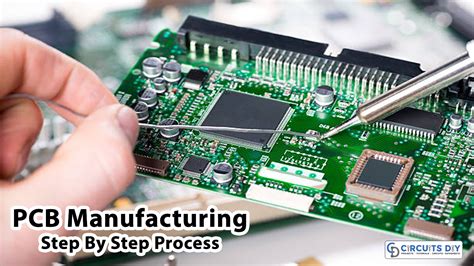
When embarking on an electronics project, understanding the role of PCB assembly houses is crucial. These specialized firms provide essential services in the production of printed circuit boards (PCBs) by either fabricating the PCBs or conducting assembly processes, often referred to as PCBA (Printed Circuit Board Assembly). A well-chosen pcb assembly partner can significantly influence not only the quality of the final product but also its time to market and overall project success.
It’s essential to consider several fundamental factors when selecting a PCB assembly house. First, assess their experience and reputation in your specific sector. A company with a proven track record in similar projects is likely to understand your requirements better and deliver optimal results. Additionally, you should evaluate their capability in handling various technologies and component types since modern electronics often require diverse assembly techniques.
Stay mindful of certifications that ensure adherence to quality standards; seeking out partners with certifications like ISO 9001 can provide an additional layer of confidence in their processes. Moreover, capacity is a critical element—understanding whether a potential partner can meet your production volume within desired timelines will directly impact your project’s efficiency.
By focusing on these aspects early on, you pave the way for productive collaboration that can lead to successful outcomes. Remember that building a solid relationship with your chosen pcb assembly house will not only facilitate smoother communication throughout your project’s lifecycle but also foster innovation and optimization as both parties adapt to evolving project needs.
“The right partner can transform challenges into opportunities; choose wisely.”
Understanding Your Project Requirements
When embarking on the journey to find the right pcb assembly house for your specific needs, it is crucial to start with a thorough understanding of your project’s requirements. Begin by defining the purpose of your printed circuit board assemblies (PCBA) and identify the specific functionalities required. Consider factors such as size, complexity, volume, and technology used in your design. For instance, if you are creating a small batch of prototypes, you may prioritize a pcb assembly house that specializes in low-volume runs and can offer quick turnaround times. Conversely, if you’re looking to scale to mass production, then you will need a partner with robust production capabilities and experience in handling larger orders efficiently.
Additionally, take into account any environmental or regulatory standards that your product must adhere to, such as RoHS compliance or ISO certifications. These requirements can significantly influence which pcb assembly house aligns best with your objectives. Furthermore, don’t overlook the importance of clear communication regarding project timelines and expectations; establishing this foundation early can help prevent potential setbacks later in the process. By meticulously outlining these needs upfront, you can steer your search towards those pcba manufacturers that are not only capable but also enthusiastic about collaborating closely during each stage of development.
Evaluating Quality Standards and Certifications
When selecting a pcb assembly house, one of the most crucial factors to assess is the quality standards and certifications that the facility adheres to. These elements play a vital role in ensuring that the pcba products will meet your project’s specific requirements and function reliably in their intended applications. Look for facilities that possess recognized certifications such as ISO 9001 or IPC-A-610, which signify a commitment to quality and consistent process improvements. Additionally, understand the quality control processes they employ, such as incoming material inspections, in-process testing, and final product evaluations. These processes not only contribute to high-quality outcomes but also help in identifying potential defects early in production. Working with a pcb assembly house that prioritizes quality standards can significantly reduce risks associated with product failures and warranties, thereby enhancing your overall project success. Take the time to thoroughly review their documentation related to pcba processes and request samples of previous work if possible; this will provide insight into their capability to deliver products that meet your expectations for both durability and performance. Investing effort into evaluating these aspects will lead you closer to finding a partner who aligns with your project’s vision for excellence.
Assessing Production Capacity and Lead Times
When selecting a pcb assembly house, one of the most critical aspects to evaluate is their production capacity and lead times. Understanding the manufacturing capabilities of a potential partner is essential for ensuring that your project timelines are met without compromising on quality. Each pcba provider has different levels of capacity which can vary based on the complexity of the designs they handle and the technology they employ. Assessing these capacities involves questioning how many units they can produce simultaneously, as well as their ability to accommodate rush orders if your project encounters unexpected accelerations. You should also inquire about their typical lead times for various types of projects, since delays at this stage could cascade into broader project management issues. An optimal pcb assembly partner will be transparent about their production workflow, allowing you to gauge whether they can align with your desired timeline while maintaining high-quality standards. Additionally, don’t hesitate to ask for references or examples from past projects that showcase their ability to deliver on promised timelines, helping you make an informed decision about their suitability for your unique needs.
The Importance of Collaboration and Communication
Effective collaboration and communication between your team and the pcb assembly house are critical factors in ensuring the success of your project. When you engage in open dialogue with the pcba provider, it allows for a clearer understanding of your specific needs, expectations, and potential challenges. This kind of relationship fosters an environment where feedback can be exchanged freely, enabling both parties to address any issues that may arise during the assembly process.
By maintaining a strong line of communication, you can ensure that updates on production status are conveyed promptly, which helps in managing timelines effectively. Additionally, discussing design modifications or technical specifications becomes easier when there is trust and understanding established between your project team and the assembly personnel. This collaborative approach not only facilitates problem-solving but also can lead to innovative solutions that enhance the final product.
Lastly, a successful partnership built on robust communication will often result in improved quality control measures being put in place by the pcb assembly house, leading to higher overall standards in your final assemblies. Remember, when both sides are aligned and informed, it contributes significantly to a smoother manufacturing process for your pcba, ultimately ensuring that all project requirements are met efficiently and effectively.
Cost Considerations in PCB Assembly
When embarking on a project that requires PCB assembly, understanding the cost implications is crucial to ensure that budget constraints are intelligently managed while achieving the desired quality and performance. The costs associated with PCBA can vary significantly based on several factors, including material selection, production volumes, and specific assembly requirements. It is important to evaluate the cost per unit in relation to the overall complexity of the design; intricate designs may incur higher manufacturing costs due to increased labor and time requirements. Furthermore, choosing a reliable PCB assembly house can also impact costs—while some may offer competitive pricing, it’s essential to consider whether their level of service and quality meets your project’s needs.
In addition, transparency in pricing is vital; look for a partner who provides detailed estimates, including any potential additional charges that can arise during production. Consideration of additional services, such as testing and packaging, should also be included in your budgeting process. Ultimately, achieving an optimal balance between cost and quality requires thorough research into potential pcb assembly partners who can deliver on both fronts. By weighing these factors carefully, you position your project for successful outcomes without compromising on quality or reliability in PCBA production.
Case Studies: Successful PCB Partnership Examples
Examining successful collaborations in the realm of PCB assembly can provide valuable insights for organizations looking to engage with a PCB assembly house. One noteworthy example involves a tech startup that was developing a cutting-edge wearable health device. They partnered with a pcba provider renowned for their commitment to high-quality standards and robust communication processes. This partnership allowed the startup to not only meet their production timelines but also adapt quickly to design changes, showcasing the significance of effective collaboration in achieving project goals.
Another case features an automotive manufacturer that was in need of highly reliable printed circuit boards due to stringent safety regulations. By selecting a pcb assembly house with extensive experience in automotive applications, they benefited from customized production capabilities that ensured compliance with industry standards. This alignment in expertise facilitated smoother product integration and significantly reduced time to market.
These case studies illustrate how strategic choices in selecting a pcba partner can lead to successful project outcomes. Factors such as quality assurance, communication, and industry-specific experience all play critical roles in fostering productive relationships and achieving organizational objectives. Through these examples, it becomes clear that understanding the strengths of potential partners is essential for navigating the complexities of PCB projects effectively.
Conclusion: Making the Right Choice for Your Project
Choosing the right PCB assembly house can significantly impact the success of your project. As you evaluate potential partners, it’s essential to take a comprehensive approach by considering various factors that directly affect your project’s timeline and quality. First and foremost, understanding your specific project requirements, including design complexity and volume needs, will allow you to narrow down your options effectively. Furthermore, evaluating the quality standards and certifications of a PCBA provider guarantees that they adhere to industry benchmarks, ensuring reliability in your final product. Assessing production capacity and lead times will provide insight into whether the assembly house can meet your deadlines without compromising on quality. Additionally, fostering a good working relationship through clear communication is vital; it facilitates a collaborative environment where challenges can be swiftly addressed. Ultimately, a thoughtful assessment of these factors—quality, capacity, and collaboration—will lead you to the ideal partner that aligns with your project’s needs, setting a solid foundation for achieving outstanding results in PCB assembly.
Conclusion: Making the Right Choice for Your Project
Selecting the right pcb assembly house is crucial for the success of your project. A careful evaluation of your specific requirements will help you find a partner capable of addressing your needs effectively. Consider the importance of quality standards, as this directly impacts the reliability and performance of your final products. Additionally, assessing production capacity and lead times ensures that you can meet your project deadlines without compromising on quality. Another fundamental aspect is maintaining open lines of communication with your chosen pcba provider, as this fosters collaboration and can lead to innovative solutions tailored to your project’s demands. By keeping these factors in mind, you’ll be better equipped to make an informed decision that aligns with both your technical specifications and budget, ultimately enhancing the success rate of your endeavors in PCB manufacturing.
FAQs
What is a PCB assembly house?
A PCB assembly house is a specialized service provider that assembles printed circuit boards (PCBs) for electronic products. They take care of everything from component sourcing to the final assembly stage.
How do I choose the right PCB assembly service for my needs?
Choosing the right PCB assembly service involves assessing their quality standards, production capacity, and communication processes to ensure they align with your project requirements. Consider their certifications and previous work to gauge reliability.
What factors influence the cost of PCB assembly?
Several factors can impact the cost of PCBA, including the complexity of the board, quantity ordered, choice of materials, and manufacturing lead times. It’s essential to obtain detailed quotes that outline all associated costs.
How can I ensure high quality in my PCB assembly project?
To ensure high quality in your PCBA project, look for assembly houses with industry certifications such as ISO and IPC standards. Regular communication during production can also help maintain quality throughout the process.
What is the typical lead time for PCB assembly services?
Lead times can vary based on several factors including the complexity of the design and availability of components. Generally, standard PCB assembly services may take anywhere from a few days to several weeks. Always check with your chosen provider for specific timelines.
Explore Your Options
For further guidance on selecting an ideal pcb assembly house for your needs, please click here.