Choosing the Right PCB Assembly Supplier for Your Needs
Key Takeaways
When choosing a pcb assembly supplier, it’s crucial to recognize that the relationship can greatly influence the success of your project. A thorough understanding of key factors can lead to a more informed selection process. Look for suppliers who demonstrate a commitment to quality—this includes certifications such as ISO 9001 or IPC standards, which assure stringent quality control measures are in place.
Consider the cost of services but remember that the cheapest option may not always be the best. It’s advisable to evaluate multiple quotes, focusing on both quality and service levels provided. A balance must be struck between budget constraints and the need for high-standard pcba components.
Effective communication is another cornerstone in establishing a productive partnership with your chosen supplier. Ensure they are responsive and willing to collaborate closely throughout the production process. This aids in addressing any concerns early and fosters a more innovative approach to problem-solving.
When assessing potential suppliers, take note of their capabilities and expertise in delivering custom solutions tailored to your needs. Watch out for red flags, such as lack of transparency or poor customer service records, which can signal potential issues down the line.
| Factor | Importance | Tips for Evaluation |
|---|---|---|
| Quality Standards | Critical for reliability | Check certifications (ISO, IPC) |
| Cost | Must balance with quality | Compare quotes carefully |
| Communication | Essential for project flow | Look for responsiveness and support |
| Supplier Expertise | Impacts customization | Assess portfolio and client feedback |
“Selecting the right PCB assembly partner isn’t just about price; it’s about aligning with a provider committed to excellence.”
In summary, these key takeaways emphasize that making an informed decision involves detailed research into each prospective pcb assembly supplier’s quality assurance processes, cost structures, communication methods, and technical expertise. This comprehensive approach can lead to a successful partnership that meets your project goals effectively.
Understanding PCB Assembly: An Overview
PCB assembly, commonly referred to as PCBA, is a critical process in the electronics manufacturing industry. It involves the mounting of electronic components onto a printed circuit board (PCB) to create a functional electronic device. This process can vary significantly in complexity, depending on the design and requirements of the final product. Understanding the fundamentals of PCB assembly is essential for anyone involved in electronics design or production.
In practice, PCBA encompasses several stages, including soldering of components, testing for functionality, and final inspections to ensure quality standards are met. A diverse range of technologies is employed during PCB assembly, such as surface mount technology (SMT) and through-hole technology (THT), each serving different purposes based on the circuit requirements.
As electronics become increasingly compact and complex, the demand for high-quality PCB assembly has surged. Consequently, choosing the right supplier who is well-versed in various assembly techniques can significantly influence both the quality and efficiency of your project outcomes. Suppliers often specialize in certain types of assemblies or industries; thus, understanding their capabilities is vital for aligning your project’s specifications with their services.
Overall, effective PCBA requires not only technical expertise but also a thorough collaboration between designers and suppliers to ensure that all components are appropriately assembled and meet rigorous quality control standards, ultimately leading to successful product realization.
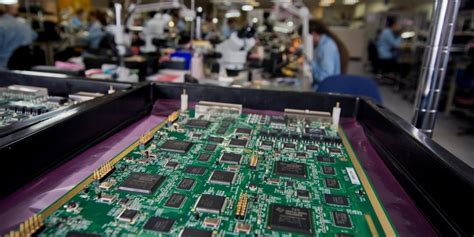
Key Factors to Consider When Choosing a PCB Assembly Supplier
When selecting the right pcb assembly supplier for your project, it is crucial to evaluate several key factors that can significantly impact the success of your final product. Firstly, understanding the level of quality that the supplier can deliver is essential; after all, a proficient pcba (printed circuit board assembly) process will ensure the reliability and performance of your electronics. Check for certifications such as ISO standards that indicate adherence to quality management systems. Additionally, assessing cost is vital; however, it should not be the sole criteria. A too-good-to-be-true price might compromise quality or service, so seek a balance between affordability and value. Furthermore, effective communication with potential suppliers is paramount. A supplier who engages openly and promptly with your inquiries can dramatically streamline project timelines and clarify technical specifications. Lastly, consider their experience and capabilities in your specific market or product type. A well-established supplier with expertise in your industry will better understand your needs and challenges, ultimately contributing to a more effective partnership for your pcb assembly requirements. Taking the time to analyze these factors will prepare you to make an informed decision that aligns well with your project goals and expectations.
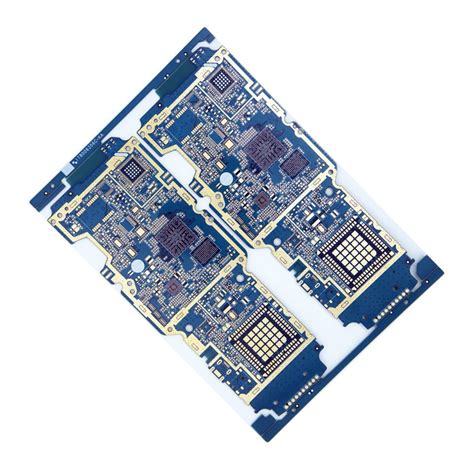
Evaluating Quality Standards in PCB Assembly
When it comes to selecting a pcb assembly supplier, it is crucial to evaluate their quality standards meticulously. The reputation of a pcba largely hinges on the quality of components and the assembly process used. Begin by reviewing the supplier’s certifications, such as ISO 9001 or IPC-A-610, which demonstrate adherence to recognized standards in manufacturing processes. Moreover, assessing the supplier’s quality control measures is essential; this includes examining their testing protocols, defect rates, and overall yield statistics. Inquire about their approach to continuous improvement and whether they engage in regular audits or inspections to maintain high-quality benchmarks. A reliable supplier should provide transparency into their quality assurance processes and be open to addressing any concerns regarding product integrity. By prioritizing these factors, you ensure that your final product meets not just your requirements but also the expectations of your clients. Ultimately, a commitment to quality in pcb assembly can significantly influence the success of your projects and foster lasting partnerships with suppliers.
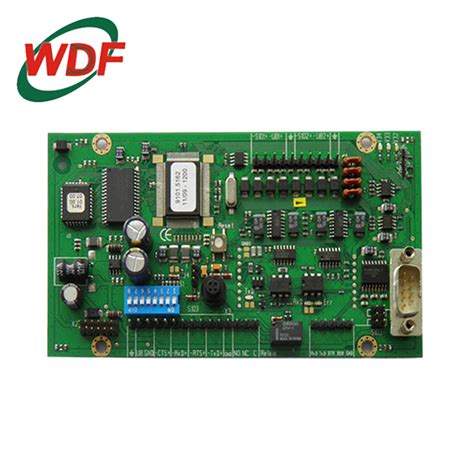
Cost Analysis: Balancing Budget and Quality
When selecting a pcb assembly supplier, a thorough cost analysis is imperative to ensure that you are not only meeting your budget but also maintaining the necessary quality standards. Understanding the cost structure of PCBA services is crucial; this includes materials, labor, and overhead. Often, the cheapest option may lead to compromises in manufacturing quality, potentially resulting in higher long-term costs due to defects or failures. Conversely, aiming for the highest-priced supplier does not automatically guarantee superior quality. Therefore, conducting a thorough comparison of quotations while considering factors such as warranty periods, after-sales service, and production capabilities can offer a more comprehensive picture.
Additionally, it’s essential to analyze how each potential supplier handles quality assurance throughout the manufacturing process. Does their pricing reflect robust testing procedures that ensure the reliability of the final product? Are they upfront about their production techniques and material sourcing? By juxtaposing these elements against your specific project needs and budget constraints, you can pinpoint suppliers that not only fit your financial plan but also uphold high standards in their pcb assembly processes. Ultimately, finding a balance between cost-efficiency and production quality will pivotally influence your project’s success and longevity in the market.
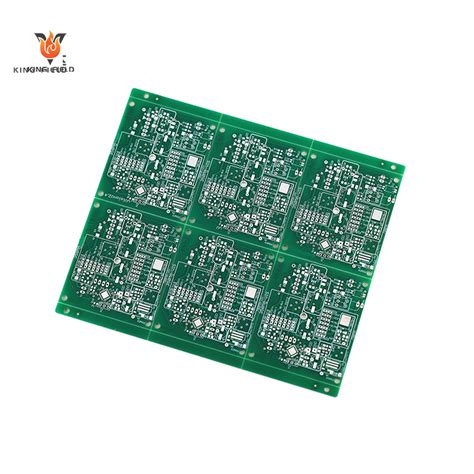
The Importance of Communication in Supplier Relationships
Effective communication is a cornerstone in fostering strong relationships with your PCB assembly supplier. Clear communication helps to set expectations and ensures both parties are on the same page regarding project timelines, product specifications, and quality standards. When selecting a PCBA supplier, consider how responsive they are during initial discussions; are they open to answering questions and providing detailed information about their processes? This level of transparency can be indicative of how future interactions will unfold. Additionally, proactive communication from the supplier can mitigate potential issues before they escalate. By establishing a rapport built on trust and understanding, you create an environment where feedback can flow freely, enhancing collaboration and improving the overall outcome of your project. Remember that fostering a strong line of communication is not merely beneficial—it is essential to ensure that both your expectations and those of the supplier align seamlessly, ultimately contributing to a successful PCBA project.
Assessing Supplier Capabilities and Expertise
When selecting a pcb assembly supplier, one of the most critical steps is assessing their capabilities and expertise. Begin by examining their technical knowledge and experience in pcba processes. A proficient supplier should provide evidence of successful past projects, demonstrating their ability to handle various complexities inherent in pcb assembly. It’s also essential to inquire about their equipment and technology, as modern facilities equipped with advanced machinery often yield higher quality products. Furthermore, consider their team’s qualifications—certifications, training qualifications, and industry experience all play significant roles in ensuring that the supplier can meet your specific requirements.
Another vital aspect is understanding the quality assurance processes they have in place. Suppliers with robust quality control measures will often demonstrate a commitment to delivering consistent results. Additionally, reviewing customer testimonials or case studies can provide insight into the supplier’s reputation within the industry. An effective way to gauge a supplier’s competency is through direct communication; assess how responsive they are and whether they can articulate their processes clearly. This not only reflects their expertise but also indicates how well they will manage potential challenges throughout your project. Ultimately, choosing a competent pcb assembly partner hinges on thorough evaluation—diligently researching and questioning potential suppliers will help you align your project goals with the right capabilities for success.
Red Flags to Watch Out For When Selecting a PCB Supplier
When selecting a PCB assembly supplier, it is crucial to remain vigilant for potential warning signs that could indicate deeper issues within the vendor’s operations. One significant red flag is a lack of transparency; if a supplier is unwilling or unable to provide clear information about their manufacturing processes, certifications, or quality assurance measures, this should raise concerns. Additionally, suppliers that frequently miss deadlines or fail to communicate effectively may not have the organizational capabilities required to meet your project’s demands, potentially leading to costly delays down the line. Another factor to consider is the level of expertise in PCBA; suppliers who lack experience in your specific industry or fail to demonstrate knowledge of the latest technology and trends might struggle with meeting quality and performance standards. Furthermore, be cautious of suppliers that offer prices significantly lower than market rates; this can often indicate compromises on quality or substandard materials. It is also advisable to check historical performance data; suppliers with numerous unresolved complaints or negative reviews might be reflecting systemic issues. Ultimately, recognizing these red flags early in the selection process can help you make more informed decisions regarding your PCB assembly needs and ensure a successful partnership.
Making the Final Decision: Aligning Suppliers with Project Goals
When it comes to selecting the right pcb assembly supplier, aligning them with your project goals is crucial. A well-chosen pcba partner not only meets your specifications but also complements the overall vision of your project. To make a final decision, consider how well the supplier’s capabilities align with your specific requirements, whether it’s related to production volume, turnaround time, or specialized features. Ensure that their quality standards resonate with your expectations for performance and reliability. Additionally, communication plays a pivotal role in this process; a supplier who can maintain open lines of dialogue tends to be more responsive and adaptable to any changes in project requirements. Evaluate their past projects and client feedback for insights into their reliability and flexibility in handling different challenges. Ultimately, choosing the right pcb assembly partner will significantly impact your project’s success, making it essential to choose wisely and ensure that all aspects are thoughtfully considered before finalizing your decision.
Conclusion
Selecting the right pcb assembly supplier is crucial to the success of your project. Given the competitive landscape, it’s essential to prioritize certain aspects to ensure that your needs are effectively met. First and foremost, a well-established supplier should demonstrate a robust track record in providing pcba services, reflecting their capability to deliver high-quality products. This includes a thorough understanding of industry standards and quality assurance processes that safeguard your project’s integrity. Cost is another significant factor; while it’s tempting to opt for the lowest bid, an excessively low price may signal potential compromises in quality or service. Balancing budget constraints with the assurance of quality should guide your decision-making process. Furthermore, the importance of communication cannot be overstated; a supplier that fosters transparent dialogue can help clarify expectations and minimize misunderstandings throughout the project lifecycle. Assessing these elements comprehensively will empower you to make an informed choice that not only aligns with your immediate project requirements but also cultivates a positive long-term partnership with your pcb assembly supplier. Informed decisions ultimately lead to successful outcomes, ensuring your products meet both performance and quality benchmarks.
FAQs
What is PCB assembly?
PCB assembly, commonly referred to as pcba, is the process of soldering electronic components onto a printed circuit board (PCB) to create a functional electronic device.
What should I consider when selecting a PCB assembly supplier?
When choosing a PCB assembly supplier, consider key factors such as quality standards, production capacity, cost-effectiveness, and communication capabilities.
How can I assess the quality of a PCB assembly supplier?
Evaluate the supplier’s adherence to international quality standards like ISO 9001 and IPC-A-610. Additionally, request samples of their pcba work to assess their craftsmanship firsthand.
Are there cost-effective options for PCB assembly?
Yes, many suppliers offer competitive pricing. However, it is crucial to balance cost with quality. Skimping on quality can lead to higher long-term costs due to failures or defects.
Why is communication important in selecting a PCB supplier?
Effective communication ensures that your specifications are understood and met throughout the assembly process. Look for suppliers who respond promptly and transparently during discussions.
How do I identify red flags when choosing a PCB assembly supplier?
Watch out for suppliers with vague pricing structures, poor customer reviews, lack of transparency in processes, or an inability to provide proper certifications.
For more detailed information on everything related to pcb assembly, including supplier options and tips for your projects, please click here: Andwin PCB Assembly.