Circuit Board Assembly Services: An In-Depth Overview
Introduction
Circuit Board Assembly Services (CBAS) plays a vital role in the modern electronics manufacturing industry. With the rapid development of technology, the complexity and number of electronic products are increasing, and the design and assembly of circuit boards have become increasingly important.
This article will explore the concept, process, technology, market trends and future development direction of circuit board assembly services in depth.
What is circuit board assembly service?
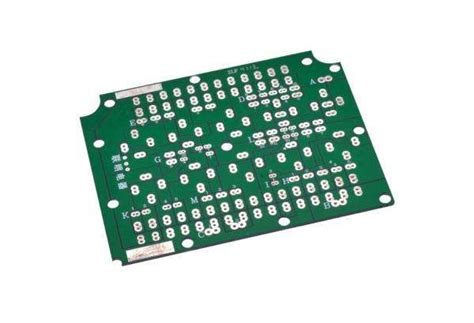
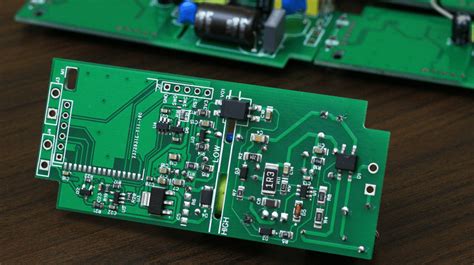
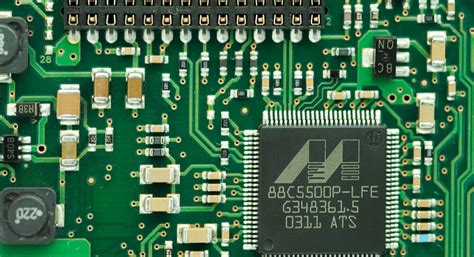
Circuit board assembly service refers to the soldering of electronic components to printed circuit boards (PCBs) to form a complete electronic product. This process includes multiple steps, from design, raw material procurement, component soldering, testing to final quality control. Circuit board assembly services can be divided into two categories: surface mount technology (SMT) and through-hole technology (THT). With the development of technology, more and more companies are beginning to adopt automated equipment to improve assembly efficiency and accuracy.
Circuit board assembly process
The process of circuit board assembly usually includes the following key steps:
1.Design and prototyping
Before starting assembly, the design of the circuit board is required first. Designers use computer-aided design (CAD) software to create circuit diagrams and PCB layouts. After the design is completed, a prototype is usually made to verify the feasibility and performance of the design.
2.Material procurement
Once the design is confirmed, the next step is to procure the required materials, including PCB substrate, electronic components, solder, etc. Selecting high-quality materials is essential to ensure the performance and reliability of the final product.
3.Component placement
At this stage, electronic components are mounted on the circuit board. For surface mount technology, a pick and place machine is usually used to accurately place the components on the PCB. For through-hole technology, the components are inserted through the holes of the PCB and then soldered.
4.Soldering
Soldering is one of the most critical steps in circuit board assembly. Soldering can be performed in a variety of ways, including wave soldering, reflow soldering, and manual soldering. Each soldering method has its advantages and disadvantages, and choosing the right soldering method is essential to ensure the reliability of the connection.
5.Testing
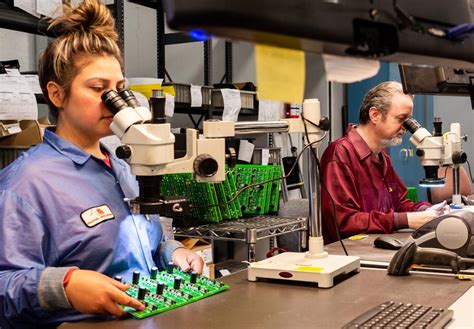
After soldering, the circuit board needs to be functionally tested to ensure that all components are working properly. Testing can include visual inspection, automatic optical inspection (AOI), functional testing, and aging testing, etc.
6.Quality Control
Finally, quality control is performed to ensure that each circuit board meets the design specifications and quality standards. This process may include random sampling inspections and performance testing of circuit boards.
Technology of Circuit Board Assembly
As technology advances, circuit board assembly services are also evolving. Here are some of the currently popular technologies:
1.Surface Mount Technology (SMT)
SMT is one of the most commonly used technologies in modern circuit board assembly. It allows components to be directly mounted on the surface of the PCB, with higher assembly density and smaller size. The application of SMT makes electronic products lighter and more compact.
2.Through Hole Technology (THT)
Although SMT has dominated, through hole technology is still very important in some applications, especially when higher mechanical strength is required. THT is usually used for larger components such as resistors, capacitors, and transformers.
3.Automation Equipment
With the advent of Industry 4.0, automation equipment is increasingly used in circuit board assembly. Automation equipment not only improves production efficiency, but also reduces human errors and improves product consistency and quality.
4.3D printing technology
The application of 3D printing technology in circuit board assembly is also gradually increasing. It can be used for rapid prototyping and small-batch production, reducing production costs and time.
Market trends
The market for circuit board assembly services is undergoing rapid changes, and here are some of the main trends:
1.Increased demand for small-batch production
With the increase in personalization and customization needs, more and more companies are looking for small-batch circuit board assembly services. This trend has prompted service providers to increase flexibility to meet the diverse needs of customers.
2.Green manufacturing
The increase in environmental awareness has made green manufacturing an important trend in the circuit board assembly industry. Many companies are exploring the use of environmentally friendly materials and processes to reduce the impact on the environment.
3.The rise of the Internet of Things (IoT)
The rapid development of the Internet of Things has driven the demand for circuit board assembly services. More and more smart devices require high-performance circuit boards to support their complex functions.
4.Globalization and outsourcing
Many companies choose to outsource circuit board assembly to professional service providers to reduce costs and improve efficiency. This trend has made the global circuit board assembly market increasingly competitive.
Future Development Direction
Looking ahead, circuit board assembly services will continue to develop in the direction of intelligence, automation and environmental protection. Here are some possible development directions:
1.Application of artificial intelligence
Artificial intelligence (AI) will play an increasingly important role in circuit board assembly. AI can be used to optimize production processes, improve quality control and predict maintenance needs.
2.Higher integration
With the continuous miniaturization of electronic products, the integration of circuit boards will be further improved. This will promote the development of new materials and technologies to meet higher performance requirements.
3.Application of augmented reality (AR) and virtual reality (VR)
AR and VR technologies will be applied in circuit board design and assembly, helping engineers better understand and optimize designs and improve production efficiency.
4.Digitalization of the supply chain
Digital supply chain management will become an important part of circuit board assembly services. Through real-time data analysis and monitoring, companies can better manage inventory, reduce costs and improve response speed.
Conclusion
Circuit board assembly services occupy an important position in modern electronic manufacturing. With the continuous advancement of technology and changes in market demand, circuit board assembly services will continue to evolve. Companies need to keep up with industry trends and adopt advanced technologies to improve their competitiveness and meet customer needs. In the future, circuit board assembly services will develop in the direction of intelligence, automation and environmental protection, providing support for the continuous innovation of the electronics industry.