Circuit Board Definition: An In-Depth Exploration
Introduction
Circuit boards, also known as printed circuit boards (PCBs), are the backbone of modern electronics. They are essential components in virtually every electronic device, from smartphones and computers to household appliances and industrial machinery. This article delves into the definition, types, components, manufacturing processes, and applications of circuit boards, providing a comprehensive understanding of their significance in the technological world.
Definition of a Circuit Board
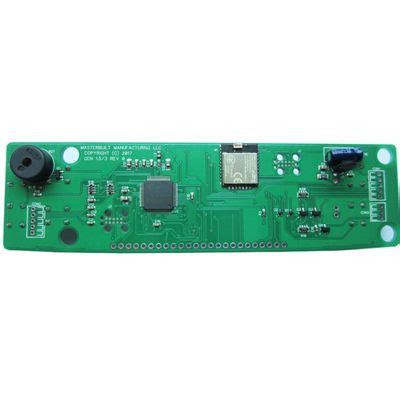
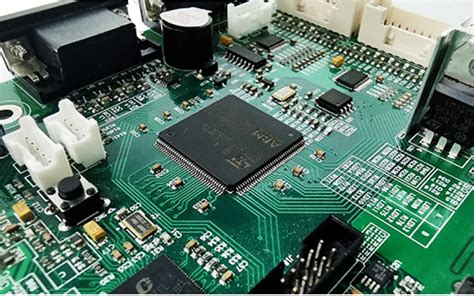
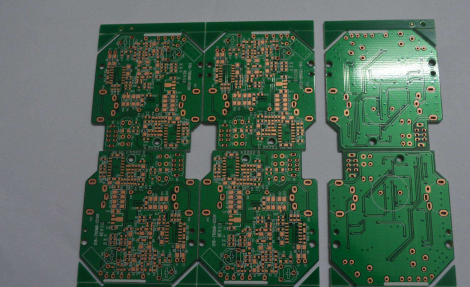
A circuit board is a flat, rigid, or flexible substrate made of insulating material, such as fiberglass or plastic, with conductive pathways etched or printed onto its surface. These pathways, typically made of copper, connect various electronic components, such as resistors, capacitors, and integrated circuits (ICs), to form a functional electronic circuit. The primary purpose of a circuit board is to provide mechanical support and electrical connectivity to the components, enabling them to work together to perform specific functions.
Types of Circuit Boards
Circuit boards come in various types, each designed for specific applications and requirements. The main types include:
1. Single-Sided PCBs
Single-sided PCBs have conductive pathways on only one side of the substrate. They are the simplest and most cost-effective type of circuit board, suitable for basic electronic devices with limited complexity.
2. Double-Sided PCBs
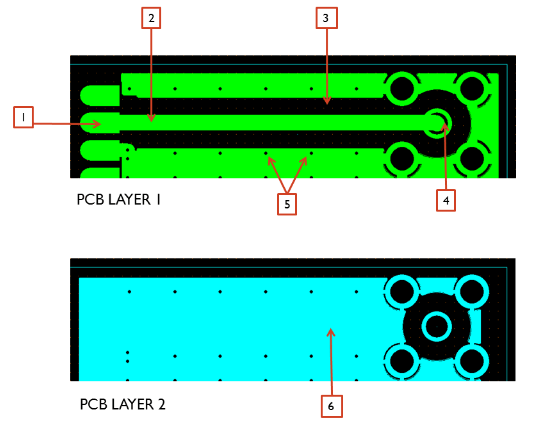
Double-sided PCBs have conductive pathways on both sides of the substrate, allowing for more complex circuits and higher component density. They are commonly used in devices that require more functionality than single-sided PCBs can provide.
3. Multi-Layer PCBs
Multi-layer PCBs consist of multiple layers of conductive pathways separated by insulating layers. These boards can have anywhere from four to over thirty layers, enabling highly complex and compact circuits. They are used in advanced electronic devices, such as smartphones, computers, and medical equipment.
4. Rigid PCBs
Rigid PCBs are made from solid, inflexible materials, such as fiberglass, and are used in applications where the board must maintain its shape and provide sturdy support for components.
5. Flexible PCBs
Flexible PCBs are made from flexible materials, such as polyimide, allowing them to bend and conform to different shapes. They are used in applications where space is limited or where the board must withstand mechanical stress, such as in wearable devices and automotive electronics.
6. Rigid-Flex PCBs
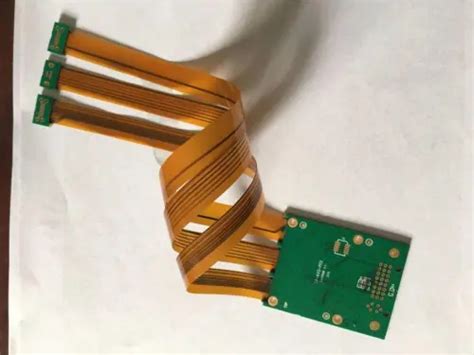
Rigid-flex PCBs combine the features of rigid and flexible PCBs, with rigid sections connected by flexible sections. This type of board is used in applications that require both stability and flexibility, such as in aerospace and military equipment.
Components of a Circuit Board
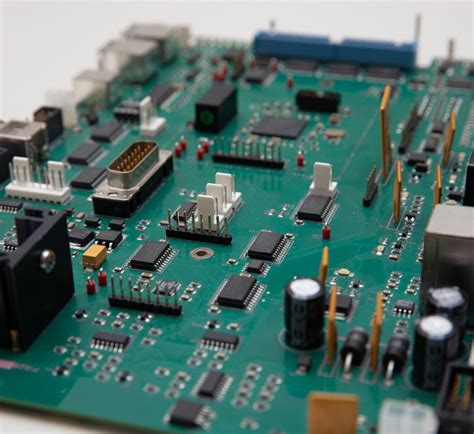
A circuit board comprises several key components that work together to form a functional electronic circuit. These components include:
1. Substrate
The substrate is the base material of the circuit board, providing mechanical support and insulation. Common substrate materials include fiberglass (FR4), polyimide, and ceramic.
2. Conductive Pathways
Conductive pathways, also known as traces, are thin lines of conductive material, typically copper, that connect the various components on the board. These pathways carry electrical signals between components, enabling the circuit to function.
3. Pads
Pads are small areas of conductive material where components are soldered to the board. They provide electrical connections between the components and the conductive pathways.
4. Vias
Vias are small holes filled with conductive material that connect different layers of a multi-layer PCB. They allow electrical signals to pass between layers, enabling more complex circuits.
5. Components
Components are the electronic parts mounted on the circuit board, such as resistors, capacitors, diodes, transistors, and integrated circuits. These components perform specific functions within the circuit, such as regulating voltage, storing energy, or processing signals.
6. Solder Mask
The solder mask is a protective layer applied over the conductive pathways to prevent short circuits and protect the board from environmental factors, such as moisture and dust. It is typically green in color but can also be other colors.
7. Silkscreen
The silkscreen is a layer of text and symbols printed on the board to provide information about component placement, orientation, and identification. It helps technicians assemble and troubleshoot the board.
Manufacturing Process of Circuit Boards
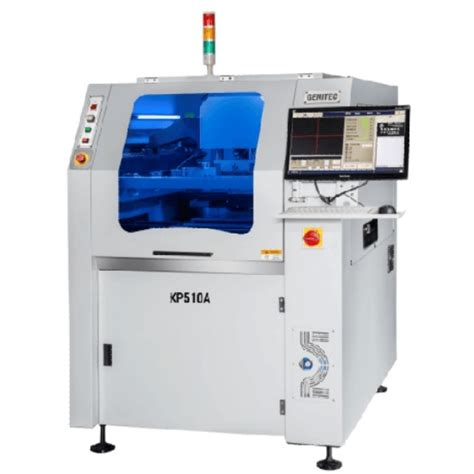
The manufacturing process of circuit boards involves several steps, each requiring precision and attention to detail. The main steps include:
1. Design and Layout
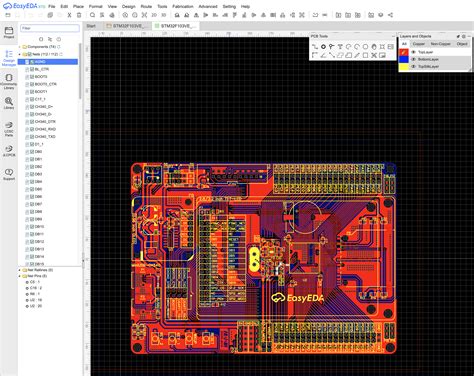
The first step in manufacturing a circuit board is designing the circuit and creating a layout. This involves using computer-aided design (CAD) software to create a schematic diagram of the circuit and a layout of the board. The layout specifies the placement of components and the routing of conductive pathways.
2. Printing the Design
Once the design is finalized, it is printed onto a transparent film, which is used to create a photomask. The photomask is used to transfer the design onto the substrate.
3. Etching
The substrate is coated with a layer of copper, and the photomask is placed over it. The board is then exposed to ultraviolet light, which hardens the photoresist in the areas not covered by the mask. The unhardened photoresist is washed away, leaving the copper traces exposed. The board is then etched with a chemical solution that removes the exposed copper, leaving only the desired conductive pathways.
4. Drilling
Holes are drilled into the board for mounting components and creating vias. The holes are then plated with conductive material to ensure electrical connectivity between layers.
5. Solder Mask Application
The solder mask is applied to the board, covering the conductive pathways while leaving the pads and vias exposed. The board is then cured to harden the solder mask.
6. Silkscreen Printing
The silkscreen layer is printed onto the board, providing information about component placement and identification.
7. Component Assembly
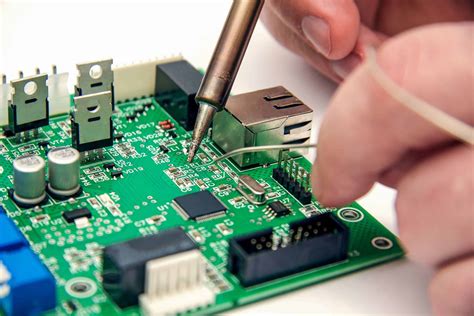
Components are mounted onto the board using surface-mount technology (SMT) or through-hole technology (THT). In SMT, components are placed directly onto the pads and soldered in place. In THT, component leads are inserted through holes in the board and soldered on the opposite side.
8. Testing and Inspection
The finished board is tested to ensure it functions correctly and meets quality standards. This may involve visual inspection, automated optical inspection (AOI), and electrical testing.
Applications of Circuit Boards
Circuit boards are used in a wide range of applications across various industries. Some of the most common applications include:
1. Consumer Electronics
Circuit boards are integral to consumer electronics, such as smartphones, tablets, laptops, televisions, and gaming consoles. They enable the functionality and connectivity of these devices, allowing them to perform complex tasks and communicate with other devices.
2. Automotive
In the automotive industry, circuit boards are used in engine control units (ECUs), infotainment systems, navigation systems, and advanced driver-assistance systems (ADAS). They help improve vehicle performance, safety, and convenience.
3. Medical Devices
Circuit boards are used in medical devices, such as pacemakers, imaging equipment, and diagnostic tools. They enable precise control and monitoring of medical procedures, improving patient outcomes.
4. Industrial Equipment
In industrial settings, circuit boards are used in control systems, automation equipment, and robotics. They help optimize manufacturing processes, increase efficiency, and reduce downtime.
5. Aerospace and Defense
Circuit boards are used in aerospace and defense applications, such as avionics, communication systems, and missile guidance systems. They must meet stringent reliability and performance standards to operate in harsh environments.
6. Telecommunications
Circuit boards are essential in telecommunications equipment, such as routers, switches, and base stations. They enable the transmission and reception of signals, ensuring reliable communication networks.
Conclusion
Circuit boards are fundamental to the operation of modern electronic devices, providing the necessary mechanical support and electrical connectivity for components to function together. They come in various types, each suited to specific applications, and are manufactured through a precise and intricate process. From consumer electronics to aerospace and defense, circuit boards play a crucial role in advancing technology and improving our daily lives. Understanding their definition, components, and applications is essential for anyone involved in the field of electronics.