Component-Based PCB Assembly Cost Analysis
Key Takeaways
Understanding PCB assembly costs requires analyzing how individual components influence pricing. The pcb assembly cost per component varies significantly based on complexity, availability, and packaging type. For instance, surface-mount devices (SMDs) often incur lower labor expenses compared to through-hole components, while specialized parts like BGAs may escalate costs due to precise placement requirements.
PCBA expenses also correlate with production scale: higher volumes typically reduce per-unit costs through bulk purchasing and optimized machine setup times. Below is a breakdown of common cost drivers:
| Factor | Cost Impact | Optimization Strategy |
|---|---|---|
| Component Complexity | High | Standardize parts where possible |
| Order Volume | Moderate | Leverage bulk pricing tiers |
| Assembly Method | Variable | Automate repetitive processes |
Balancing quality and budget hinges on selecting components that meet technical specifications without over-engineering. For example, opting for commercial-grade instead of military-grade parts in non-critical applications can yield savings. Additionally, partnering with suppliers offering PCB assembly services with transparent pricing models helps avoid hidden fees. By aligning design choices with manufacturing realities, engineers can strategically minimize pcb assembly cost per component while maintaining reliability.
Component Types Impacting PCB Costs
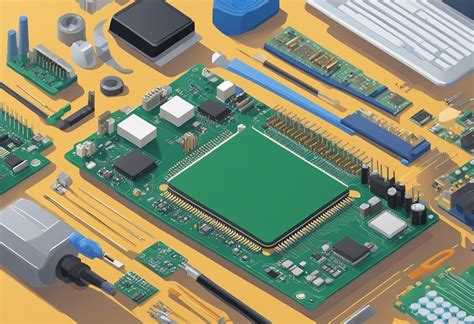
The selection of component types plays a pivotal role in determining PCB assembly expenses. Passive components like resistors and capacitors typically incur lower costs due to standardized sizes and widespread availability. In contrast, active components such as microcontrollers, sensors, or specialized PCBA-compatible ICs often drive up costs, particularly when dealing with high-density packages (e.g., BGA or QFN) or components requiring precise thermal management.
Another critical factor is component packaging. Surface-mount devices (SMDs) generally reduce PCB assembly time and labor compared to through-hole components, but may require advanced placement equipment. Meanwhile, high-frequency components or those with strict tolerance requirements (e.g., RF modules) demand specialized handling, further influencing per-unit pricing.
Material choices also contribute significantly. For instance, opting for high-reliability components rated for industrial or automotive applications increases costs compared to consumer-grade alternatives. Engineers must balance performance needs with budget constraints, ensuring that PCBA designs avoid over-specification without compromising functionality. Proactive collaboration with suppliers to identify cost-effective substitutes—such as drop-in replacements with similar specifications—can yield substantial savings while maintaining technical integrity.
Production Volume Effects on Component Pricing
The relationship between production volume and PCB assembly costs per component follows a nonlinear trajectory influenced by economies of scale. Higher order quantities typically reduce per-unit expenses, as fixed setup costs—such as stencil preparation, machine calibration, and solder paste application—are distributed across more units. For instance, a batch of 10,000 boards may lower the pcb assembly cost per component by 15–30% compared to a 1,000-unit run due to optimized material utilization and labor efficiency.
Tip: Collaborate with your PCBA provider to identify order thresholds where bulk pricing tiers activate, ensuring you avoid overproduction while maximizing volume discounts.
However, diminishing returns can occur at extremely high volumes. Component suppliers often offer bulk purchasing discounts, but shortages or extended lead times for specialized parts (e.g., high-frequency ICs or custom connectors) may offset savings. Additionally, minimum order quantities (MOQs) for niche components can inflate costs if demand projections are inaccurate. A balanced approach involves aligning production schedules with demand forecasts and leveraging just-in-time inventory strategies where feasible.
Transitioning between volume tiers also impacts assembly techniques. Automated processes, such as pick-and-place systems, become more cost-effective at scale, whereas low-volume projects may rely on manual assembly, increasing labor expenses. By analyzing these interdependencies, manufacturers can strategically adjust order sizes to optimize PCB assembly expenditures without sacrificing quality.

Optimizing Assembly Techniques for Savings
Efficient PCB assembly processes directly influence per-component costs, making technique optimization a strategic priority. Implementing automated pick-and-place systems reduces labor expenses while improving placement accuracy, particularly for high-volume PCBA projects. Advanced soldering methods, such as reflow or wave soldering, should align with component types—surface-mount devices (SMDs) often benefit from reflow, whereas through-hole components may require selective wave soldering.
Design-for-manufacturability (DFM) principles further streamline PCB assembly by minimizing complex layouts that demand specialized equipment or manual adjustments. For instance, standardizing component orientations and pad sizes can accelerate assembly cycles, lowering per-unit labor costs. Additionally, opting for panelization—grouping multiple boards into a single panel—reduces handling time and material waste.
Transitioning to just-in-time (JIT) inventory management for PCBA materials mitigates storage costs and obsolescence risks, especially when paired with supplier agreements for bulk pricing on recurring orders. Finally, integrating automated optical inspection (AOI) systems early in the process prevents costly rework by identifying defects before final testing. By balancing these techniques, manufacturers achieve scalable cost reductions without sacrificing reliability or performance.
Balancing Cost and Quality in Assembly
Achieving an optimal balance between PCB assembly expenses and product reliability hinges on strategic decision-making at every stage. While selecting low-cost components can reduce upfront spending, it risks introducing defects or failures that escalate long-term costs. Manufacturers must evaluate the total cost of ownership (TCO), factoring in durability, warranty claims, and repair cycles. For instance, using high-reliability ICs or mil-spec connectors may raise initial PCBA costs but minimize field failures, ultimately protecting brand reputation.
Another critical consideration is process optimization. Automated PCB assembly lines improve consistency and reduce labor costs, but over-automation for low-volume projects can inflate expenses unnecessarily. Techniques like design for manufacturability (DFM) streamline workflows, ensuring components are placed efficiently to avoid rework. Additionally, partnering with suppliers offering volume-tiered pricing for PCBA services allows scaling production without sacrificing quality.
Testing protocols also play a dual role: rigorous in-circuit testing (ICT) or automated optical inspection (AOI) adds upfront costs but prevents defective units from advancing. By aligning inspection intensity with application criticality—such as relaxed checks for consumer gadgets versus aerospace-grade validation—manufacturers maintain quality benchmarks while controlling expenditures. This equilibrium ensures neither cost-cutting nor over-engineering undermines the final product’s viability.
Key Factors in PCB Cost Per Unit
The PCB assembly cost per component hinges on multiple interdependent variables, with component selection and production scale being primary drivers. High-complexity components—such as ball grid arrays (BGAs) or fine-pitch ICs—often require specialized PCBA processes, increasing labor and equipment costs. Conversely, standardized passive components (e.g., resistors, capacitors) typically incur lower per-unit expenses due to automated placement efficiency.
Another critical element is production volume. Bulk orders enable economies of scale, reducing per-component costs through optimized material procurement and machine setup amortization. For instance, a 10,000-unit order might lower per-component assembly fees by 15–30% compared to a 1,000-unit batch. However, this depends on the PCB assembly provider’s capabilities, as not all manufacturers offer tiered pricing for high-volume projects.
Additionally, assembly techniques like surface-mount technology (SMT) versus through-hole assembly impact expenses. SMT generally reduces PCBA costs for high-density designs but may require upfront investments in stencils or reflow ovens. Testing protocols—such as automated optical inspection (AOI) or in-circuit testing (ICT)—also contribute to per-unit pricing, balancing quality assurance with added operational overhead.
Finally, supply chain stability plays a role. Component shortages or long lead times can inflate costs, emphasizing the need for proactive sourcing strategies in PCB assembly workflows.
Reducing PCB Assembly Expenses Strategically
Strategic cost reduction in PCB assembly begins with optimizing component selection and leveraging economies of scale. While high-density or specialized components may drive up PCBA expenses, substituting them with standardized alternatives—where feasible—can lower per-unit costs without sacrificing performance. For instance, surface-mount technology (SMT) often reduces manual labor compared to through-hole assembly, particularly in high-volume production runs.
Collaborating closely with suppliers to negotiate bulk pricing for PCB assembly materials or exploring alternative sourcing channels can yield significant savings. Additionally, adopting design-for-manufacturing (DFM) principles minimizes rework risks, ensuring smoother PCBA workflows. Automation in pick-and-place processes further enhances efficiency, particularly for complex boards requiring precise component placement.
Balancing quality and cost requires evaluating testing protocols. While 100% inspection may seem thorough, statistical process control (SPC) or automated optical inspection (AOI) systems often provide adequate quality assurance at a lower PCB assembly cost per component. Finally, analyzing lifecycle costs—including maintenance and potential redesigns—ensures short-term savings align with long-term reliability goals.

Component Selection’s Role in Pricing
The choice of components directly influences PCB assembly costs, with variations in pricing tied to factors such as complexity, availability, and technical specifications. Passive components like resistors or capacitors typically incur lower expenses compared to active components such as microcontrollers or sensors, which demand stricter tolerances and advanced testing. Surface-mount technology (SMT) components often reduce PCBA expenses due to automated placement efficiencies, whereas through-hole parts may require manual labor, increasing per-unit costs. Additionally, component sourcing plays a critical role: obsolete or niche parts often carry premium pricing due to limited supply chains, while standardized, high-volume items benefit from economies of scale. Designers must also consider certifications (e.g., RoHS or military-grade) that add compliance-related costs. Balancing performance requirements with budget constraints involves evaluating alternative components with similar functionalities but lower price points, ensuring compatibility with assembly processes. By aligning component choices with both technical needs and cost objectives, manufacturers can optimize PCB assembly workflows without sacrificing reliability—a strategic approach that harmonizes with broader themes like production volume adjustments and technique optimization discussed earlier.

Conclusion
In PCB assembly projects, understanding cost drivers at the component level is critical for achieving financial efficiency while maintaining technical integrity. The interplay between component types, production volumes, and PCBA methodologies directly influences per-unit expenses, requiring manufacturers to adopt a balanced approach. By prioritizing high-yield assembly techniques and aligning component specifications with functional requirements, businesses can mitigate unnecessary costs without compromising reliability. Strategic sourcing of materials, coupled with scalable manufacturing processes, further refines cost structures, particularly in high-volume scenarios. However, cost optimization must never overshadow quality assurance—rigorous testing protocols remain indispensable for ensuring long-term product performance. As the electronics industry evolves, leveraging data-driven insights to forecast demand and streamline PCB assembly workflows will continue to be a cornerstone of competitive pricing models. Ultimately, a holistic view of design complexity, supply chain dynamics, and PCBA efficiency creates a sustainable framework for managing per-component costs across diverse manufacturing environments.
FAQs
How does component type influence PCB assembly costs?
The complexity and size of components directly affect PCBA expenses. Surface-mount devices (SMDs) with finer pitches require advanced machinery, increasing labor and equipment costs. Conversely, through-hole components may lower assembly fees but raise material costs due to higher solder consumption.
Why does production volume impact per-component pricing?
High-volume orders benefit from economies of scale, reducing setup costs and material waste. Smaller batches often incur higher per-unit fees due to fixed expenses like stencil preparation and machine calibration being distributed across fewer units.
Can assembly techniques reduce costs without sacrificing quality?
Yes. Optimizing panelization designs, using automated optical inspection (AOI), and selecting appropriate solder masks can streamline PCB assembly processes. Partnering with manufacturers that offer design-for-manufacturability (DFM) feedback further minimizes rework risks.
How do I balance cost and quality in PCBA projects?
Prioritize critical components (e.g., microcontrollers) for higher-grade parts while using cost-effective alternatives for non-critical circuits. Implement rigorous testing protocols only where necessary, such as in aerospace or medical applications.
What role does component sourcing play in overall expenses?
Procuring parts from certified suppliers reduces counterfeit risks and delays. Bulk purchasing agreements for common components (e.g., resistors, capacitors) can lower PCB assembly costs by 10–15%.
Optimize Your Next Project with Expert Guidance
For tailored strategies to reduce PCBA expenses while maintaining performance, please click here to consult our engineering team.