Comprehensive Guide to Full Turnkey PCB Assembly Solutions
Key Takeaways
In understanding full turnkey PCB assembly solutions, it’s essential to recognize their growing significance in modern manufacturing. These services encompass every step of the PCB assembly process, providing manufacturers and engineers a seamless experience from design to delivery. By opting for a full turnkey solution, organizations are able to streamline operations, reduce lead times, and enhance product quality. The integration of all components—from sourcing materials to final assembly—ensures that the entire process is cohesive and efficient.
An important point to note is that leveraging PCBA services helps in mitigating risks associated with supply chain management, as providers take full responsibility for every aspect of production. This not only enables better control over costs but also significantly improves turnaround times. Consequently, effective partnerships with established turnkey PCB assembly firms can be a game changer in delivering high-quality products that meet stringent market demands.
“Investing in full turnkey services can lead to substantial savings and improved efficiency for manufacturers,” emphasizes industry experts.
Therefore, it becomes imperative for companies examining their strategy in electronic manufacturing to consider the extensive benefits offered by these comprehensive solutions while also focusing on selecting the right partner that aligns with their unique production goals. This careful consideration ensures optimized outcomes and satisfaction with the final product, making “pcba” a pivotal part of forward-thinking manufacturing strategies.

Introduction to Full Turnkey PCB Assembly
In the world of electronics manufacturing, full turnkey PCB assembly represents a streamlined approach that simplifies complex processes for manufacturers and engineers. Transitioning from design to production can often involve numerous steps, including sourcing components, assembly, testing, and logistics. However, with a full turnkey solution, all these aspects are consolidated under one provider. This means that from the initial concept phase through to the final product delivery, a single company manages the entire operation.
The advantages of this method are manifold. By relying on a turnkey service, organizations can significantly reduce the time-to-market for their products, ensuring they can respond quickly to market demands and technological advancements. With an integrated approach, the pcba (printed circuit board assembly) process becomes more synchronized and efficient, as communication barriers that may arise when multiple vendors are involved are eliminated.
Moreover, adopting a full turnkey PCB assembly solution can enhance quality control measures. As one entity oversees each stage of production—from component procurement to assembly and testing—the chances for errors diminish significantly.
Here is a brief overview of the steps typically involved in a full turnkey PCB assembly:
| Step | Description |
|---|---|
| Design | Initial product concept and electronic design |
| Component Sourcing | Procuring all necessary components |
| PCB Fabrication | Manufacturing the printed circuit boards |
| Assembly | Actual assembly of components on PCBs |
| Testing | Comprehensive testing to ensure functionality |
| Packaging and Shipping | Final preparations for product delivery |
Ultimately, engaging a full turnkey partner not only fosters efficiency but also empowers businesses with a robust platform from which they can innovate without being bogged down by logistical challenges typically associated with pcb assembly projects. Through this innovative approach, engineers and manufacturers can focus more on developing cutting-edge technology while leaving the complexities of production in capable hands.
Key Advantages of Full Turnkey Solutions
Embracing full turnkey PCB assembly solutions presents several compelling benefits for manufacturers and engineers. One of the most significant advantages is the streamlined process that turnkey solutions offer. By collaborating with a single provider for design, manufacturing, and assembly, companies can achieve a higher level of efficiency. This integration minimizes the likelihood of miscommunication that often occurs when multiple vendors are involved in the pcba process. Moreover, the comprehensive nature of these services allows for improved quality control, as every phase of production is monitored cohesively.
Another key benefit is cost savings. With full turnkey services, expenses related to logistics and coordination are reduced significantly. This can lead to a more predictable budgeting framework, enabling businesses to allocate resources effectively without hidden costs associated with managing separate entities in the pcb assembly chain.
Additionally, leveraging these solutions can expedite time-to-market, which is critical in today’s fast-paced industry landscape. By obtaining all necessary components and completing assembly under one roof, projects can be completed more rapidly and accurately. In essence, opting for turnkey PCB assembly not only aligns with operational efficiency but also has a positive impact on product quality and market competitiveness—making it an increasingly attractive choice for organizations aiming to enhance their manufacturing capabilities.
The PCB Assembly Process Explained
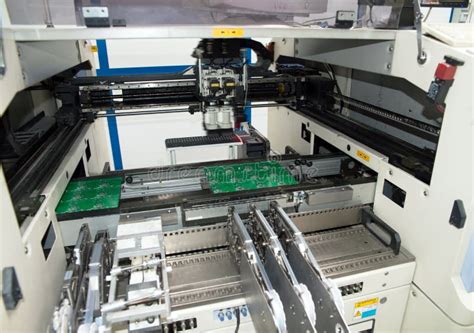
The pcb assembly process is a critical component in electronics manufacturing, encompassing several stages that transform a bare circuit board into a functional product. Initially, the process begins with sourcing the necessary components, which vary by design and application. This is often streamlined through full turnkey PCB assembly solutions, where the provider manages everything from procurement to assembly. After components are procured, the next stage involves surface mount technology (SMT) placement where components are positioned onto the circuit board using automated machines. This is followed by soldering, which can be performed using advanced methods such as reflow soldering or wave soldering to ensure strong electrical connections.
Once soldering is complete, thorough inspections are conducted. The use of automated optical inspection (AOI) systems helps in identifying defects early in the process. This quality control measure is vital for maintaining high standards in pcb assembly, minimizing errors that could affect the overall functionality of the electronic device. Following inspection, additional processes like functional testing may take place to verify that all circuits operate correctly.
The evolution of technology has led to a more efficient pcba process overall, as manufacturers continuously adopt and integrate cutting-edge techniques and tools into their operations. Ultimately, understanding this comprehensive process not only aids manufacturers but also equips engineers with the knowledge necessary to navigate the complexities of electronic production effectively.
Quality Control in Turnkey PCB Assembly
Quality control is an essential aspect of full turnkey PCB assembly. During the PCB assembly process, maintaining stringent quality standards ensures that each PCBA meets both functional specifications and customer expectations. Implementing thorough quality control measures involves multiple stages, including incoming materials inspection, in-process checks, and final testing. At the outset, raw materials are scrutinized to ensure they comply with required standards; this prevents compromised components from progressing through the manufacturing process. As the assembly moves forward, continuous monitoring through automated and manual inspections allows for prompt detection of potential issues. This proactive approach helps address any anomalies before they affect the final product. Additionally, post-assembly testing is critical to ascertain that each assembled board operates correctly under specified conditions. By fostering a culture of quality awareness among all team members involved in the PCB assembly process—engineers, operators, and quality assurance personnel alike—manufacturers can significantly enhance both efficiency and reliability in their full turnkey solutions. Ultimately, rigorous quality control practices not only safeguard against defects but also lead to higher customer satisfaction and brand loyalty in an increasingly competitive market.
Cost-Effectiveness of Full Turnkey Services
When considering full turnkey PCB assembly services, one of the most compelling aspects is their cost-effectiveness. Opting for these services often eliminates the overhead associated with managing multiple suppliers, which can lead to significant savings. By consolidating PCB assembly processes under one roof, manufacturers can benefit from reduced material costs through bulk purchasing and streamlined logistics. Furthermore, full turnkey services often incorporate automated technologies that enhance production efficiency, thus minimizing labor costs. The intrinsic integration of design, sourcing, and assembly in pcba allows for quicker turnaround times and fewer errors, ultimately resulting in lower operational expenses. In addition to direct cost savings, companies can allocate their resources more effectively—channeling talents and budgets towards innovation rather than the complexities of supply chain management. Therefore, embracing full turnkey PCB assembly solutions not only bolsters efficiency but also represents a strategic shift towards an economically sustainable manufacturing model.
Choosing the Right Partner for PCB Assembly
Selecting the appropriate partner for PCB assembly is a critical step in ensuring the success of your project. With a plethora of PCBA providers available, it’s essential to evaluate potential partners based on their capabilities, experience, and reputation in the industry. Begin by assessing their technical expertise and whether they have experience with the specific types of products you require. It’s also crucial to understand their manufacturing processes, including whether they offer full turnkey PCB assembly services. This means they should be able to handle everything from design and prototyping to component sourcing and final assembly.
Furthermore, inquire about their quality control measures. A reliable partner will implement rigorous testing protocols throughout the PCB assembly process to guarantee that every product meets high standards of performance and reliability. Additionally, consider their capacity to scale production as your needs evolve; flexibility can be a significant advantage as project demands change. Reviewing client testimonials and case studies can provide insight into their customer service approach and overall satisfaction from previous collaborations.
Ultimately, choosing the right partner for PCB assembly is about finding a balance between cost-effectiveness and quality assurance. By doing thorough research and asking pertinent questions, you can pave the way for a successful partnership that enhances your production capabilities while ensuring exceptional outcomes for your products.
Future Trends in PCB Manufacturing and Assembly
As technology continues to advance, the landscape of PCB assembly is evolving rapidly. One of the most significant trends is the increasing shift towards automation in the PCBA process. Automation not only enhances precision but also improves efficiency, reducing human error and increasing throughput. Additionally, the incorporation of artificial intelligence in manufacturing can lead to smarter production lines that adapt to changing demands in real-time. Another trend is the growing importance of sustainability; manufacturers are increasingly focusing on eco-friendly materials and processes to minimize waste and energy consumption during PCB assembly. The demand for miniaturization also drives innovation, prompting the development of smaller, more complex PCBs that maintain functionality while saving space. Furthermore, advancements in materials science are paving the way for new substrates that offer improved performance characteristics. As we look toward the future, these trends underscore a continued emphasis on efficiency, sustainability, and technological integration within the PCB assembly ecosystem, ensuring that companies can meet the challenges of an ever-changing market landscape while delivering high-quality products at competitive prices.
Conclusion
In summary, adopting full turnkey PCB assembly solutions can significantly enhance the efficiency and quality of your production processes. By streamlining the entire PCB assembly workflow—from design to final assembly—manufacturers can reduce lead times and minimize risks associated with managing multiple vendors. The collaboration with a skilled partner that specializes in PCBA can lead to improved consistency and reliability in the final product. Furthermore, a comprehensive understanding of the PCB assembly process allows engineers to make informed decisions that align with their project goals. As the industry continues to evolve, embracing these advanced solutions will not only optimize manufacturing capabilities but also foster innovation within the field of electronics. Ultimately, investing in full turnkey services sets the foundation for future growth and success.
FAQs
What is full turnkey PCB assembly?
Full turnkey PCB assembly refers to a comprehensive service that manages the entire production process of printed circuit boards (PCBs), from design and sourcing components to assembly and final testing. By utilizing this service, companies can streamline their manufacturing process and reduce the time needed to bring products to market.
What are the advantages of choosing PCB assembly services?
Choosing PCBA services offers several advantages, including enhanced efficiency, reduced production costs, and improved quality control. With professionals handling each aspect of the assembly, manufacturers can focus on their core competencies while benefiting from expert solutions.
How does the PCB assembly process work?
The PCB assembly process typically involves several stages: design verification, components sourcing, fabrication of PCBs, assembly (which may include surface mount technology), inspection, and testing. Each step is crucial in ensuring that the final product meets specified standards and functions correctly.
Why is quality control important in full turnkey solutions?
Quality control ensures that each component meets stringent standards throughout the pcb assembly process. By implementing robust quality checks at various stages, manufacturers can minimize defects and ensure reliability in their products.
What factors should I consider when selecting a PCB assembly partner?
When selecting a partner for pcb assembly, consider their experience in the industry, capability for handling complex designs, quality assurance processes, communication efficiency, and pricing structures. A reliable partner will contribute significantly to your project’s success.