Conformal Coating for Flexible Printed Circuit Boards (Flex PCBs): A Comprehensive Guide
Introduction
In the rapidly evolving world of electronics, flexible printed circuit boards (Flex PCBs) have become increasingly important due to their unique advantages over traditional rigid PCBs. These thin, lightweight circuits can bend and fold to fit into compact or irregularly shaped devices, making them ideal for modern applications like wearable technology, medical devices, and aerospace systems. However, their flexibility also makes them more vulnerable to environmental factors such as moisture, dust, chemicals, and mechanical stress. This is where conformal coating plays a crucial protective role.
Conformal coating is a thin polymeric film applied to electronic circuits to protect them from environmental contaminants and mechanical damage while maintaining their flexibility. This article provides a comprehensive examination of conformal coating for Flex PCBs, covering material options, application methods, performance considerations, and industry best practices.
Understanding Flex PCBs and Their Protection Needs
Characteristics of Flex PCBs
Flex PCBs differ from rigid PCBs in several fundamental ways:
- Constructed on flexible substrate materials (typically polyimide or PET films)
- Can withstand repeated bending and flexing (often thousands to millions of cycles)
- Extremely thin profile (often less than 0.2mm thick)
- Lightweight construction
- Capable of three-dimensional packaging configurations
Why Flex PCBs Need Special Protection
The very features that make Flex PCBs valuable also create unique vulnerabilities:
- Thin conductive traces are more susceptible to corrosion
- Flexible materials may absorb moisture more readily
- Dynamic flexing can lead to mechanical fatigue
- Exposed components and traces in bend areas are prone to damage
- Miniaturization leaves less margin for environmental protection
Traditional potting compounds or rigid enclosures would defeat the purpose of Flex PCBs by eliminating their flexibility. Conformal coatings provide the ideal solution by offering protection while maintaining the board’s mechanical properties.
Types of Conformal Coatings for Flex PCBs
1. Acrylic Resins (AR)
Properties:
- Good moisture resistance
- Easy to apply and rework
- Moderate chemical resistance
- UV fluorescent options available for inspection
- Typically 25-75μm thick when cured
Flex Performance:
- Moderate flexibility (can crack after repeated bending)
- Best for static or minimally flexing applications
2. Polyurethane (UR)
Properties:
- Excellent moisture and chemical resistance
- Good dielectric properties
- More difficult to rework than acrylics
- Typically 25-75μm thick
Flex Performance:
- Better flexibility than acrylics
- Can withstand some dynamic flexing
- May become brittle over time with UV exposure
3. Silicone (SR)
Properties:
- Outstanding flexibility and elongation
- Excellent thermal stability (-55°C to +200°C)
- Good moisture resistance
- Low chemical resistance
- Typically 50-200μm thick
Flex Performance:
- Ideal for dynamic flexing applications
- Maintains properties over wide temperature range
- Can be applied in thicker layers without compromising flexibility
4. Parylene (XY)
Properties:
- Deposited as a vapor in a vacuum chamber
- Ultra-thin (10-50μm) yet pinhole-free
- Excellent chemical and moisture barrier
- Biocompatible (used in medical implants)
Flex Performance:
- Exceptional flexibility due to molecular-level deposition
- Doesn’t add noticeable thickness or stiffness
- Can withstand millions of flex cycles
5. Fluoropolymer Coatings
Properties:
- Extreme chemical resistance
- Low friction surface
- Excellent moisture protection
- Typically 25-50μm thick
Flex Performance:
- Good flexibility characteristics
- Maintains properties in harsh environments
Application Methods for Flex PCB Conformal Coating
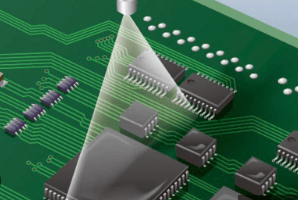
1. Spray Coating
Process:
- Aerosol or spray gun application
- Manual or automated systems available
Advantages for Flex PCBs:
- Good for complex geometries
- Can coat assembled boards with components
- Adjustable spray patterns for selective coating
Challenges:
- Overspray management
- Masking requirements for selective coating
- Thickness control can be difficult
2. Brush Coating
Process:
- Manual application with brush
- Typically used for rework or small batches
Advantages:
- Low equipment cost
- Good for selective application
Challenges:
- Inconsistent thickness
- Labor intensive
- Not suitable for high-volume production
3. Dip Coating
Process:
- Entire assembly immersed in coating material
- Withdrawn at controlled rate
Advantages:
- Uniform coverage, even on complex shapes
- Good for high-volume production
Challenges:
- Coating all surfaces (may not be desirable)
- Material waste from tank maintenance
- Potential for pooling in tight spaces
4. Selective Coating
Process:
- Automated precision dispensing
- Programmable paths for exact coverage
Advantages:
- Avoids coating connectors or heat-sensitive areas
- Minimal material waste
- Consistent, repeatable results
Challenges:
- Higher equipment cost
- Programming required for each design
5. Vapor Deposition (Parylene)
Process:
- Vacuum chamber process
- Coating polymerizes directly on surfaces
Advantages:
- Uniform, pinhole-free coating
- Covers all surfaces evenly
- No curing required
Challenges:
- Specialized equipment needed
- Higher cost for low volumes
- Difficult to rework
Critical Considerations for Coating Flex PCBs
1. Flexibility Requirements
The coating must match or exceed the Flex PCB’s bending requirements:
- Static flex (bent during installation only)
- Dynamic flex (regular bending during use)
- Flex life (number of cycles required)
2. Adhesion Properties
Proper adhesion is challenging due to:
- Smooth polyimide surfaces
- Flexible substrates that expand/contract
- Bending stresses that can delaminate coatings
Surface preparation techniques:
- Plasma treatment
- Chemical etching
- Proper cleaning (removal of flux residues)
3. Thickness Control
Critical balance between:
- Thick enough for protection
- Thin enough to maintain flexibility
- Typically 25-50μm for dynamic flex applications
4. Curing Process Considerations
- Thermal cure temperatures must not damage Flex materials
- UV curing requires line-of-sight access
- Moisture curing depends on environmental conditions
5. Reworkability
Some applications require:
- Ability to remove coating for repairs
- Compatibility with rework processes
- Recoatability after repair
Testing and Performance Validation
1. Flexibility Testing
- Bend testing (MIT folding endurance test)
- Dynamic flex cycling
- Evaluation after temperature/humidity exposure
2. Environmental Testing
- Temperature cycling (-40°C to +125°C typical)
- Humidity exposure (85°C/85% RH common)
- Salt fog (for corrosion resistance)
3. Electrical Testing
- Insulation resistance measurements
- Dielectric withstand testing
- High-pot testing
4. Chemical Resistance
- Exposure to solvents, oils, cleaning agents
- Evaluation of swelling or degradation
5. Adhesion Testing
- Tape peel tests (ASTM D3359)
- Cross-hatch adhesion tests
- Bend testing followed by adhesion evaluation
Industry Applications and Case Studies
1. Wearable Electronics
Requirements:
- Withstand body moisture and perspiration
- Survive repeated bending with body movement
- Maintain performance over product lifetime
Solutions:
- Thin silicone coatings
- Parylene for ultra-thin applications
- Breathable coatings for comfort
2. Medical Devices
Requirements:
- Biocompatibility (ISO 10993)
- Sterilization compatibility (autoclave, ETO, gamma)
- Long-term reliability in bodily fluids
Solutions:
- Medical-grade silicones
- Parylene (common for implants)
- Fluoropolymers for chemical resistance
3. Automotive Electronics
Requirements:
- Temperature extremes
- Exposure to oils and fluids
- Vibration and mechanical stress
Solutions:
- Thick polyurethane coatings
- Multi-layer coating systems
- Flexible epoxy hybrids
4. Aerospace and Defense
Requirements:
- Extreme temperature ranges
- Vibration and mechanical shock
- Fungus resistance (MIL-STD-810)
Solutions:
- Silicone coatings for wide temperature range
- Parylene for weight-critical applications
- Specialty coatings with fungicide additives
Emerging Trends and Future Developments
1. Nanocomposite Coatings
- Incorporation of nanoparticles for enhanced properties
- Improved barrier properties at reduced thickness
- Conductive coatings for EMI shielding
2. Self-Healing Coatings
- Microcapsules that release healing agents when damaged
- Reversible chemical bonds that reform after damage
- Particularly valuable for dynamic flex applications
3. Environmentally Friendly Formulations
- Reduced VOC content
- Bio-based coating materials
- Halogen-free formulations
4. Smart Coatings
- Coatings that change properties in response to environment
- Temperature-responsive permeability
- Moisture-indicating color changes
5. Advanced Application Technologies
- 3D printing of conformal coatings
- Automated vision systems for quality control
- AI-driven coating process optimization
Best Practices for Conformal Coating Flex PCBs
- Design for Coating:
- Include coating considerations in initial Flex PCB design
- Provide adequate clearance around connectors
- Consider coating access to all areas
- Surface Preparation:
- Thorough cleaning before coating
- Use appropriate surface treatments
- Verify surface energy before coating
- Process Control:
- Maintain consistent application parameters
- Monitor coating thickness
- Implement proper curing procedures
- Quality Assurance:
- Regular inspection of coated boards
- Periodic performance testing
- Documentation of coating processes
- Rework Procedures:
- Establish approved rework methods
- Train personnel on proper techniques
- Verify recoating quality
Conclusion
Conformal coating of flexible printed circuit boards presents unique challenges that require careful consideration of materials, application methods, and performance requirements. As Flex PCBs continue to enable innovative electronic products across industries, the importance of proper conformal coating solutions grows correspondingly.
The ideal coating for any Flex PCB application must strike a careful balance between protection and flexibility, ensuring reliable performance throughout the product’s lifetime while maintaining the board’s mechanical capabilities. With advances in materials science and application technologies, conformal coatings are evolving to meet the increasingly demanding requirements of next-generation flexible electronics.
By understanding the principles outlined in this article and staying informed about emerging technologies, engineers and manufacturers can implement conformal coating solutions that maximize the reliability and longevity of their Flex PCB applications while preserving the unique advantages that make flexible circuits so valuable in modern electronic design.