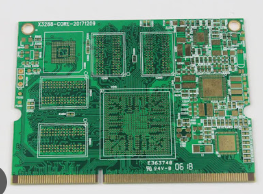
Consigned PCB Assembly: Boosting Cost Efficiency via Supply Chain Integration

Key Takeaways
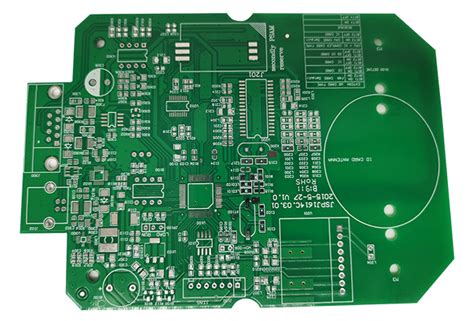
The integration of PCB assembly processes into a consigned model offers a strategic pathway for electronics manufacturers to achieve measurable cost efficiencies. By leveraging supply chain integration, businesses gain tighter control over component sourcing, inventory management, and production timelines, directly reducing overhead tied to warehousing and procurement delays. PCBA (Printed Circuit Board Assembly) workflows under this model enable manufacturers to delegate assembly responsibilities to specialized partners while retaining ownership of critical materials, ensuring quality consistency and minimizing waste.
Additionally, consigned PCB assembly streamlines collaboration between design teams and assembly providers, accelerating time-to-market by eliminating bottlenecks in component approvals or logistics misalignments. This approach not only optimizes resource allocation but also enhances flexibility to adapt to fluctuating demand or design revisions. For businesses prioritizing cost-effective solutions, the consigned model transforms PCBA from a fixed operational expense into a variable, scalable investment—aligning production costs more closely with revenue cycles. By embedding supply chain visibility into PCB assembly strategies, manufacturers unlock opportunities to reinvest savings into innovation or market expansion.
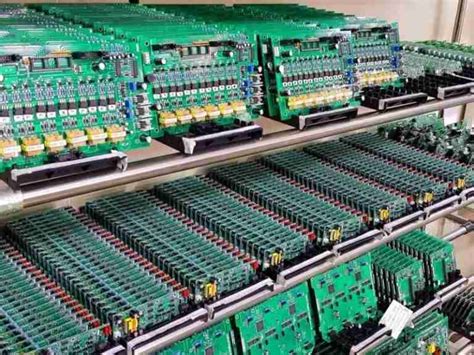
Consigned PCB Assembly and Cost Efficiency
Adopting consigned PCB assembly models enables electronics manufacturers to achieve significant cost reductions by aligning procurement and production workflows. In this model, clients retain ownership of components while outsourcing PCBA processes to specialized partners. This approach eliminates capital tied to inventory buffers, as suppliers source materials only when orders are confirmed.
"Effective supply chain integration in consigned models requires precise coordination between design specifications and component availability," notes a supply chain analyst at a top EMS provider.
By transferring material management to PCB assembly experts, manufacturers reduce overhead linked to warehousing, obsolescence risks, and last-minute procurement premiums. For instance, just-in-time sourcing minimizes excess stockpiles, particularly for high-mix, low-volume production runs. Moreover, suppliers with established vendor networks often negotiate better pricing for bulk components, passing savings to clients.
A critical advantage lies in accelerating time-to-market. With pre-qualified components and streamlined PCBA workflows, prototyping and volume production cycles shorten by up to 30%. This agility is vital in industries like IoT and automotive electronics, where delayed launches erode profitability.
Tip: Regularly audit your consignment partner’s inventory tracking systems to ensure real-time visibility into component usage and costs.
While upfront collaboration demands robust communication protocols, the long-term payoff includes predictable budgeting and enhanced resource allocation—key drivers of sustainable cost efficiency in electronics manufacturing.

Strategic Supply Chain Integration Benefits
By aligning PCB assembly processes with broader supply chain strategies, manufacturers unlock operational synergies that drive cost efficiency. In a consigned model, clients retain ownership of components while outsourcing PCBA production to specialized partners. This approach minimizes redundant procurement steps, as suppliers integrate directly with design teams and material vendors. Real-time data sharing across the supply chain ensures precise inventory management, reducing excess stock and mitigating risks of obsolescence.
Strategic integration also enhances flexibility. For instance, when demand fluctuates, partners with embedded PCB assembly capabilities can dynamically adjust production schedules without compromising quality. Collaborative forecasting tools further optimize component allocation, preventing bottlenecks in high-mix manufacturing environments. By consolidating logistics and leveraging supplier expertise, companies reduce lead times by up to 30%, directly translating to faster market entry.
Moreover, centralized oversight of PCBA workflows eliminates siloed decision-making. Suppliers act as extensions of in-house teams, synchronizing quality controls and compliance checks across all stages. This cohesion not only lowers administrative overhead but also strengthens accountability for defect rates and turnaround times. Such integration transforms supply chains from cost centers into value drivers, aligning perfectly with the broader goal of electronics manufacturing optimization.
Component Control in Electronics Manufacturing
Effective component control is a cornerstone of modern electronics manufacturing, particularly in PCB assembly workflows. By adopting a consigned model, manufacturers delegate material procurement and inventory management to specialized PCBA partners, reducing risks tied to component shortages, obsolescence, or price volatility. This approach ensures real-time visibility into supply chain dynamics, enabling precise alignment between component availability and production schedules.
| In-House Model | Consigned PCBA Model |
|---|---|
| High upfront inventory costs | Supplier-managed inventory |
| Limited supplier flexibility | Multi-source procurement options |
| Manual stock monitoring | Automated demand forecasting |
Strategic integration of PCB assembly services allows manufacturers to focus on core competencies like design and testing, while partners handle just-in-time (JIT) delivery of components. This minimizes excess stock, mitigates waste, and prevents production delays caused by mismatched part quantities. Additionally, consigned PCBA providers often leverage established supplier networks to negotiate bulk pricing, further lowering per-unit costs.
By centralizing component logistics, manufacturers gain tighter control over quality assurance and compliance, ensuring all materials meet industry standards before entering assembly lines. This level of oversight is critical for industries requiring traceability, such as medical devices or aerospace electronics, where even minor deviations can lead to costly recalls.
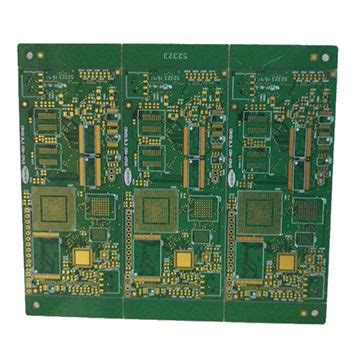
Reducing Overhead Through PCB Assembly
By leveraging consigned PCB assembly models, electronics manufacturers achieve significant cost reductions through streamlined supply chain operations. In traditional PCBA workflows, procurement delays, excess inventory, and fragmented logistics often inflate operational expenses. However, when components are supplied directly by the manufacturer to the assembly partner, procurement redundancies are eliminated, minimizing storage costs and reducing capital tied up in unused inventory. This approach also enables tighter control over material quality, as manufacturers retain authority over component sourcing—preventing costly rework caused by substandard parts.
Strategic integration of PCB assembly services further optimizes overhead by consolidating production stages. For instance, suppliers handling both fabrication and assembly reduce cross-vendor coordination fees, while advanced planning tools mitigate rush-order premiums. Additionally, automated inventory tracking in consigned PCBA models ensures real-time visibility, allowing manufacturers to adjust orders dynamically and avoid overproduction. By aligning material availability with production schedules, businesses can trim lead times by up to 30%, translating to faster turnaround without compromising cost efficiency.
This synergy between component ownership and assembly expertise not only lowers direct expenses but also strengthens resilience against supply chain disruptions—a critical advantage in today’s volatile electronics market.

Accelerating Time-to-Market Strategies
In the competitive landscape of electronics manufacturing, PCB assembly plays a pivotal role in determining how quickly products reach consumers. By adopting consigned models for PCBA, companies streamline workflows by integrating supplier and manufacturer responsibilities. This approach eliminates delays caused by fragmented procurement, as component sourcing, inventory management, and assembly are synchronized under a unified strategy. For instance, when suppliers retain ownership of materials until they enter production, manufacturers bypass lengthy approval cycles, reducing lead times by up to 30%.
Strategic collaboration between stakeholders ensures real-time data sharing, enabling rapid adjustments to design changes or market demands. Just-in-time delivery of components, paired with automated quality checks during PCB assembly, further minimizes bottlenecks. Additionally, centralized oversight of PCBA processes reduces redundant testing phases, allowing teams to focus on iterative improvements rather than logistical hurdles. By aligning supply chain timelines with production goals, businesses not only accelerate product launches but also maintain tighter control over cost structures—a critical advantage in industries where being first to market defines commercial success.
Optimized Production via Consigned Models
By centralizing PCB assembly workflows under a consigned model, manufacturers gain unparalleled flexibility to align production with real-time demand. This approach shifts ownership of components to the client while leveraging the technical expertise of PCBA partners for streamlined assembly. Just-in-time delivery of materials reduces warehousing costs and minimizes the risk of obsolescence, directly translating to supply chain cost savings.
A key advantage lies in the ability to scale production dynamically. For instance, during peak demand cycles, electronics manufacturers can ramp up output without overcommitting to long-term material contracts. Conversely, during slower periods, inventory buffers remain lean, avoiding capital tied up in unused components. This agility is particularly critical for industries like IoT or automotive, where time-to-market pressures demand rapid iteration cycles.
The consigned model also enhances quality oversight. By retaining control over component sourcing, brands ensure compliance with stringent specifications while outsourcing labor-intensive PCBA processes. This hybrid strategy eliminates redundancies in procurement and logistics, allowing teams to focus on core competencies like design innovation or market expansion. Transitioning to such a framework requires robust vendor partnerships, but the long-term payoff—optimized production efficiency—positions businesses to thrive in competitive electronics markets.
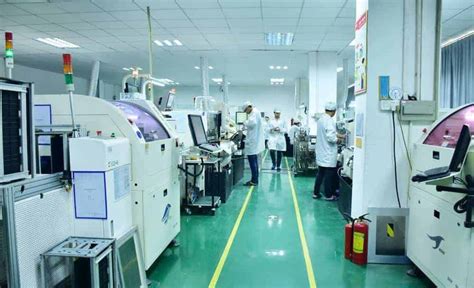
Supply Chain Management for PCB Cost Savings
Effective supply chain management plays a pivotal role in reducing costs for electronics manufacturers leveraging PCB assembly services. By integrating consigned models into procurement workflows, companies gain tighter control over component sourcing, minimizing excess inventory and logistics bottlenecks. Strategic partnerships with certified suppliers enable manufacturers to secure competitive pricing for PCBA materials while maintaining quality standards—critical for avoiding costly rework or delays.
Centralized inventory systems, combined with just-in-time (JIT) delivery protocols, further streamline operations by aligning material availability with production schedules. This reduces warehousing overhead and mitigates risks associated with obsolete components. Additionally, real-time tracking tools provide visibility into PCB assembly timelines, allowing proactive adjustments to prevent disruptions. For instance, automated alerts for component shortages or supplier delays enable rapid resolution, ensuring uninterrupted PCBA workflows.
A harmonized supply chain also supports scalability—a key advantage for manufacturers adapting to fluctuating demand. By consolidating orders and optimizing freight logistics, businesses achieve volume-based discounts and lower per-unit costs. This approach not only enhances cost efficiency but also strengthens resilience against market volatility. When paired with rigorous supplier audits and lifecycle analysis, supply chain integration becomes a cornerstone of sustainable profitability in PCB assembly ecosystems.
Electronics Manufacturing Cost-Effective Solutions
In addressing cost challenges within electronics production, PCB assembly models—particularly consigned approaches—provide a strategic framework for optimizing expenditures. By integrating PCBA workflows with supply chain partners, manufacturers gain precise control over material procurement, minimizing excess inventory and reducing warehousing costs. This collaboration ensures just-in-time delivery of components, eliminating bottlenecks while maintaining quality standards.
A critical advantage lies in shifting inventory management responsibilities to specialized suppliers, allowing manufacturers to reallocate resources toward core competencies like design and testing. The PCB assembly process benefits from supplier-managed logistics, which lowers overhead tied to storage, handling, and obsolescence risks. Additionally, streamlined communication between stakeholders accelerates issue resolution, further trimming operational delays.
For cost-sensitive projects, consigned PCBA models enable dynamic scaling of production volumes without upfront capital commitments. This flexibility is particularly valuable in industries with fluctuating demand, such as consumer electronics or IoT devices. By leveraging supplier expertise in component sourcing and logistics coordination, manufacturers achieve holistic cost reductions while preserving margins—a balance essential for sustaining competitiveness in fast-paced markets.
Conclusion
In an era where cost efficiency and agile production define competitive advantage, consigned PCB assembly emerges as a strategic enabler for electronics manufacturers. By integrating PCBA processes with supply chain workflows, businesses achieve unprecedented control over component sourcing, logistics, and quality assurance. This model not only minimizes overhead costs tied to inventory storage and material procurement but also strengthens collaboration between OEMs and contract manufacturers. The result is a streamlined production cycle that accelerates time-to-market while maintaining rigorous standards for product reliability.
As manufacturers prioritize scalability and risk mitigation, consigned PCB assembly offers a balanced framework to align technical requirements with financial objectives. Through real-time data sharing and demand forecasting, stakeholders can dynamically adjust production volumes, reducing waste and optimizing resource allocation. Ultimately, this approach transforms PCBA from a transactional service into a value-driven partnership, positioning businesses to thrive in markets where precision and speed are non-negotiable.
Frequently Asked Questions
How does consigned PCB assembly reduce manufacturing costs?
By shifting component procurement to the client, PCB assembly providers minimize inventory overhead. This model allows manufacturers to leverage bulk purchasing discounts while avoiding excess stock, directly lowering material and storage expenses.
What distinguishes consigned models from traditional PCBA services?
In traditional PCBA, suppliers manage both parts sourcing and assembly. Consigned workflows grant clients full component control, enabling customization and reducing dependency on supplier-led timelines or pricing fluctuations.
Can consigned assembly improve supply chain reliability?
Yes. Strategic supply chain integration ensures real-time coordination between component suppliers and PCB assembly partners. This reduces lead times, mitigates shortages, and maintains production consistency across batches.
How does this approach accelerate time-to-market?
By eliminating procurement bottlenecks, consigned PCBA streamlines workflows. Clients retain oversight of critical milestones, enabling faster prototyping and scaling to mass production without supplier-induced delays.
What industries benefit most from consigned PCB assembly?
High-mix, low-volume sectors like aerospace, medical devices, and IoT thrive under this model. It supports customized configurations without compromising cost efficiency—ideal for specialized or rapidly evolving product lines.
How do I ensure quality in a consigned arrangement?
Partner with PCB assembly providers offering rigorous testing protocols, such as automated optical inspection (AOI) and functional testing. Clear quality agreements and traceability systems further safeguard component integrity.
Ready to Optimize Your Production Process?
Explore tailored PCBA solutions designed for cost efficiency and supply chain agility. Click here to learn how our consigned assembly services can transform your workflow.