Consumer Electronics PCB: Design, Manufacturing, and Industry Trends
Introduction
Printed Circuit Boards (PCBs) are the backbone of modern consumer electronics, enabling the functionality of devices ranging from smartphones to smart home appliances. As consumer demand for smaller, faster, and more energy-efficient devices grows, PCB technology continues to evolve. This article explores the role of PCBs in consumer electronics, key design considerations, manufacturing processes, and emerging trends shaping the industry.
1. The Role of PCBs in Consumer Electronics
PCBs serve as the foundation for electronic circuits, providing mechanical support and electrical connections between components. In consumer electronics, PCBs must meet strict requirements for performance, reliability, and miniaturization. Some common applications include:
- Smartphones & Tablets – High-density interconnect (HDI) PCBs with multiple layers for compact designs.
- Wearable Devices – Flexible PCBs (FPCBs) for bendable and lightweight structures.
- Smart Home Devices – Cost-effective, durable PCBs for IoT connectivity.
- Gaming Consoles – High-speed PCBs with advanced thermal management.
- Audio Equipment – PCBs with noise reduction and signal integrity features.
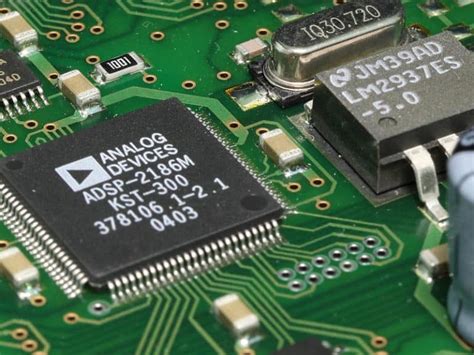
The increasing complexity of consumer electronics demands PCBs that support high-speed data transfer, efficient power management, and thermal stability.
2. Key Design Considerations for Consumer Electronics PCBs
2.1 Miniaturization and High-Density Interconnect (HDI)
Consumer devices are becoming smaller yet more powerful, requiring HDI PCBs with finer traces, microvias, and multiple layers. Techniques like laser drilling and sequential lamination help achieve higher component density.
2.2 Flexible and Rigid-Flex PCBs
Wearables and foldable smartphones rely on flexible PCBs (FPCBs) that can bend without breaking. Rigid-flex PCBs combine rigid and flexible sections, improving durability in compact designs.
2.3 Signal Integrity and EMI Shielding
High-speed data transmission (e.g., 5G, Wi-Fi 6) requires careful PCB layout to minimize signal loss and electromagnetic interference (EMI). Techniques include:
- Controlled impedance routing
- Ground plane optimization
- Shielding with conductive coatings
2.4 Thermal Management
Consumer electronics generate heat, which can degrade performance. PCB thermal solutions include:
- Thermal vias to dissipate heat
- Metal-core PCBs (MCPCBs) for LED lighting
- Heat sinks and thermal pads
2.5 Power Efficiency
Low-power designs are crucial for battery-operated devices. Strategies include:
- Optimized power distribution networks (PDN)
- Low-loss dielectric materials
- Efficient voltage regulation circuits
3. PCB Manufacturing Processes for Consumer Electronics
3.1 Material Selection
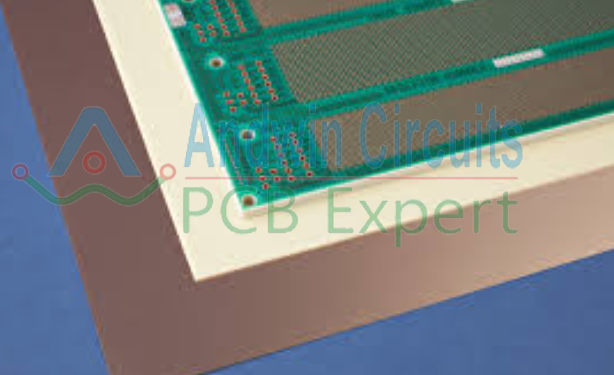
- FR-4 – Standard for cost-effective, general-purpose PCBs.
- High-frequency laminates (e.g., Rogers, PTFE) – For RF and 5G applications.
- Flexible substrates (e.g., polyimide) – For bendable PCBs.
3.2 PCB Fabrication Steps
- Design & Prototyping – Using CAD tools like Altium Designer or KiCad.
- Lamination & Layer Stackup – For multilayer PCBs.
- Etching & Drilling – Creating conductive traces and vias.
- Plating & Solder Mask Application – Protecting copper traces.
- Surface Finish – Options include HASL, ENIG, and OSP.
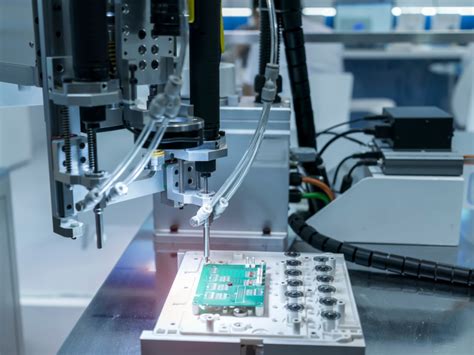
- Testing & Quality Control – Automated optical inspection (AOI), flying probe testing.
3.3 Assembly (PCBA) Techniques
- Surface Mount Technology (SMT) – For high-speed, automated assembly.
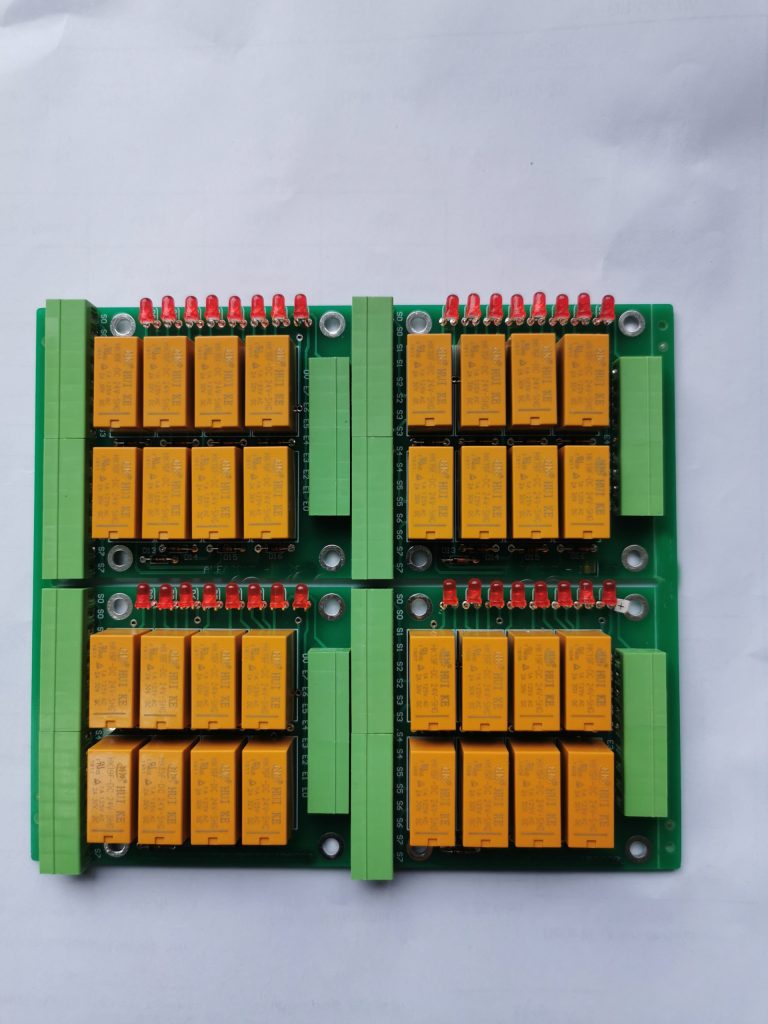
- Through-Hole Technology (THT) – For robust mechanical connections.
- Mixed Assembly – Combining SMT and THT for complex boards.
4. Emerging Trends in Consumer Electronics PCBs
4.1 5G and High-Speed PCBs
The rollout of 5G networks demands PCBs with low-loss materials and high-frequency capabilities to handle GHz-range signals.
4.2 IoT and Smart Devices
IoT devices require low-power, wireless-enabled PCBs with embedded antennas and energy-efficient designs.
4.3 AI and Edge Computing
AI-powered consumer electronics (e.g., smart speakers, cameras) need high-performance PCBs with advanced processing capabilities.
4.4 Sustainable PCB Manufacturing
Eco-friendly trends include:
- Lead-free soldering
- Recyclable PCB materials
- Reduced chemical waste in production
4.5 Additive Manufacturing (3D-Printed PCBs)
3D printing enables rapid prototyping and custom PCB shapes, reducing development time.
5. Challenges in Consumer Electronics PCB Production
- Cost vs. Performance Trade-offs – Balancing affordability with advanced features.
- Supply Chain Disruptions – Semiconductor shortages affecting PCB production.
- Thermal and Mechanical Stress – Ensuring reliability in compact designs.
- Compliance with Regulations – Meeting RoHS, REACH, and UL standards.
6. Conclusion
PCBs are critical to the advancement of consumer electronics, enabling innovations in miniaturization, connectivity, and performance. As technology evolves, PCB designers and manufacturers must adapt to trends like 5G, IoT, AI integration, and sustainability. By leveraging advanced materials, manufacturing techniques, and smart design strategies, the industry can continue to meet the growing demands of modern electronics.
For businesses involved in PCB production, staying ahead means investing in HDI technology, flexible PCBs, and efficient thermal solutions—key drivers of the next generation of consumer devices.
Final Thoughts
The future of consumer electronics PCBs lies in higher integration, smarter designs, and eco-friendly manufacturing. Companies that embrace these trends will lead the market in delivering cutting-edge devices that meet consumer expectations for speed, reliability, and sustainability.