Control Board Assembly: A Comprehensive Guide to Design, Manufacturing, and Quality Assurance
Control boards are the backbone of modern electronic systems, serving as the central hub for managing and regulating the functions of various devices and machinery. From consumer electronics to industrial automation, control boards play a critical role in ensuring the seamless operation of complex systems. The assembly of control boards is a highly specialized process that requires precision, expertise, and adherence to stringent quality standards. This article provides an in-depth exploration of control board assembly, covering its design considerations, manufacturing processes, challenges, and best practices for ensuring reliability and performance.
What is a Control Board?
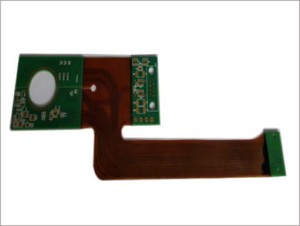
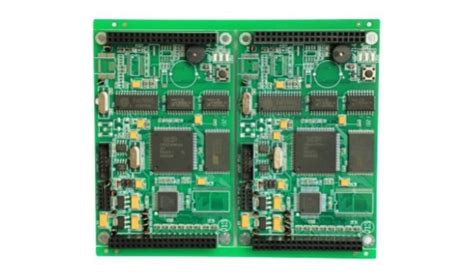
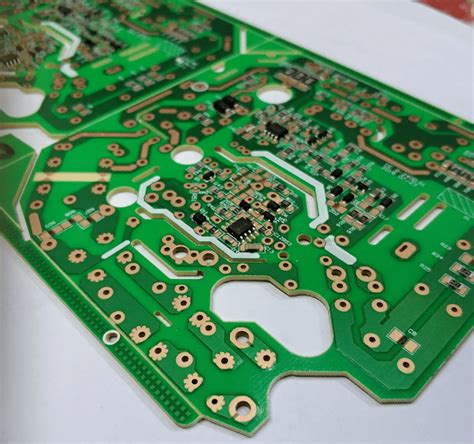
A control board, also known as a controller board or PCB controller, is a printed circuit board (PCB) designed to manage and regulate the operation of electronic devices or systems. It typically integrates microcontrollers, sensors, power management components, and communication interfaces to execute specific functions. Control boards are used in a wide range of applications, including:
- Home appliances (e.g., washing machines, refrigerators)
- Automotive systems (e.g., engine control units, infotainment systems)
- Industrial automation (e.g., PLCs, robotics)
- Medical devices (e.g., diagnostic equipment, patient monitors)
- Consumer electronics (e.g., smartphones, gaming consoles)
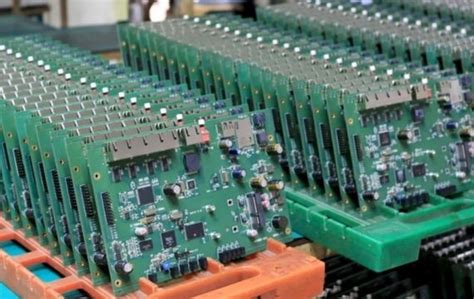
The assembly of control boards involves the precise placement and soldering of electronic components onto a PCB, followed by rigorous testing to ensure functionality and reliability.
Key Considerations in Control Board Design
The design phase is critical to the success of control board assembly. A well-designed control board not only ensures optimal performance but also simplifies the manufacturing process and reduces costs. Here are some key considerations:
- Functionality and Performance Requirements
Define the specific functions the control board needs to perform, such as signal processing, power distribution, or data communication. This will guide the selection of components and the overall layout. - Component Selection
Choose components that meet the performance, size, and power requirements of the application. Consider factors such as operating temperature, voltage ratings, and compatibility with other components. - PCB Layout and Routing
Optimize the PCB layout to minimize signal interference, reduce power losses, and ensure efficient heat dissipation. Proper routing of traces and placement of components are essential for achieving reliable performance. - Thermal Management
Control boards often generate heat during operation, especially in high-power applications. Incorporate thermal management techniques such as heat sinks, thermal vias, and proper component spacing to prevent overheating. - Design for Manufacturability (DFM)
Ensure that the design is compatible with standard manufacturing processes. This includes adhering to component spacing guidelines, avoiding overly complex layouts, and using standard footprints. - Compliance and Certification
Consider regulatory requirements and industry standards, such as RoHS, IPC, and UL certifications, to ensure the control board meets safety and environmental guidelines.
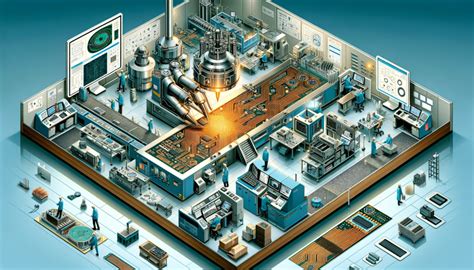
The Control Board Assembly Process
The assembly of control boards involves several stages, each requiring precision and attention to detail. Here’s an overview of the typical assembly process:
1. PCB Fabrication
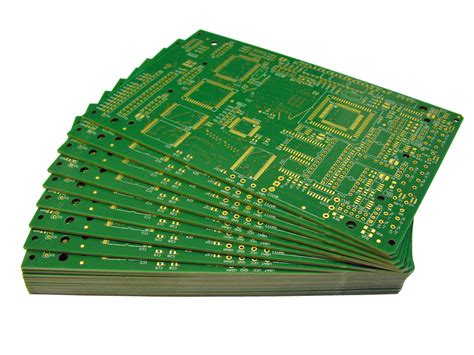
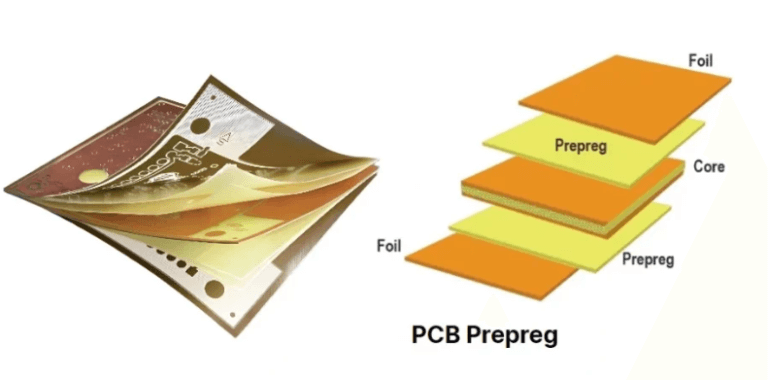
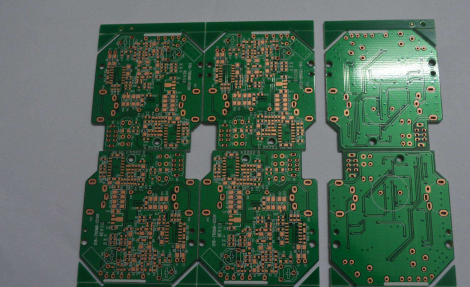
The process begins with the fabrication of the bare PCB. This involves creating the board’s substrate, etching copper traces, and applying solder mask and silkscreen layers. The quality of the PCB is critical to the success of the assembly process.
2. Solder Paste Application
Solder paste, a mixture of tiny solder particles and flux, is applied to the PCB using a stencil. The paste is deposited onto the pads where components will be placed.
3. Component Placement
Surface-mount components are placed onto the PCB using automated pick-and-place machines. These machines use vision systems to ensure accurate placement of components, even at high speeds.
4. Reflow Soldering
The PCB is passed through a reflow oven, where the solder paste is melted to form permanent electrical connections between the components and the board. The temperature profile is carefully controlled to prevent defects such as solder bridges or cold joints.
5. Through-Hole Component Assembly
For components that cannot be surface-mounted, through-hole technology (THT) is used. This involves inserting components into pre-drilled holes and soldering them manually or using wave soldering machines.
6. Inspection and Testing
After assembly, the control board undergoes rigorous inspection and testing to ensure quality and functionality. Common methods include:
- Automated Optical Inspection (AOI): Detects defects such as missing or misaligned components.
- X-Ray Inspection: Examines solder joints under components like BGAs.
- Functional Testing: Verifies that the board performs as intended.
7. Conformal Coating and Enclosure
To protect the control board from environmental factors such as moisture, dust, and vibration, a conformal coating may be applied. The board is then enclosed in a protective casing if required.
Challenges in Control Board Assembly
Control board assembly presents several challenges that must be addressed to ensure quality and reliability:
- Component Miniaturization
The trend toward smaller and more compact devices requires the use of tiny components, making assembly more complex and increasing the risk of defects. - High-Density Designs
Control boards often feature high-density layouts with multiple layers and tightly spaced components, which can complicate soldering and inspection processes. - Thermal Management
Managing heat dissipation in control boards, especially those used in high-power applications, is critical to preventing component failure. - Supply Chain Issues
Component shortages and supply chain disruptions can delay production and increase costs. Effective inventory management and sourcing strategies are essential. - Quality Assurance
Ensuring the reliability of control boards requires comprehensive testing and inspection, which can be time-consuming and costly.
Best Practices for Control Board Assembly
To overcome these challenges and achieve high-quality control board assembly, consider the following best practices:
- Collaborate with Experienced Manufacturers
Partner with assembly providers who have expertise in control board manufacturing and a proven track record of delivering reliable products. - Optimize Design for Assembly (DFA)
Simplify the design to reduce assembly complexity and minimize the risk of defects. Use standard components and avoid unnecessary complexity. - Implement Robust Testing Protocols
Develop a comprehensive testing plan that includes both automated and manual inspections to identify and address defects early in the process. - Invest in Advanced Equipment
Use state-of-the-art assembly equipment, such as high-precision pick-and-place machines and reflow ovens, to ensure accuracy and consistency. - Monitor Supply Chain Risks
Stay informed about potential supply chain disruptions and maintain a diversified supplier base to mitigate risks. - Prioritize Thermal Management
Incorporate effective thermal management techniques during the design phase to prevent overheating and ensure long-term reliability.
Future Trends in Control Board Assembly
The control board assembly industry is evolving rapidly, driven by advancements in technology and changing market demands. Some key trends to watch include:
- Increased Automation
The use of robotics and AI in assembly processes is improving efficiency, reducing errors, and lowering costs. - Adoption of IoT and Smart Technologies
Control boards are becoming more sophisticated to support IoT-enabled devices and smart systems, requiring advanced assembly techniques. - Sustainability Initiatives
Manufacturers are adopting eco-friendly practices, such as using lead-free solder and recyclable materials, to meet environmental regulations. - Miniaturization and High-Density Interconnects
The demand for smaller, more powerful devices is driving the development of advanced assembly techniques for high-density designs. - Customization and Flexibility
Customers are increasingly seeking customized solutions, prompting manufacturers to offer more flexible and scalable assembly services.
Conclusion
Control board assembly is a complex and highly specialized process that plays a critical role in the functionality and reliability of electronic systems. By understanding the key considerations, challenges, and best practices involved in control board assembly, businesses can ensure the production of high-quality, reliable products. As technology continues to advance, staying informed about industry trends and adopting innovative assembly techniques will be essential for maintaining a competitive edge in the electronics manufacturing landscape. Whether you are designing a control board for a consumer device or an industrial machine, partnering with experienced assembly providers and prioritizing quality at every stage of the process will help you achieve success.