Copper core pcb
Advantages Of Using Copper Core PCBs In High-Power Applications
Copper core printed circuit boards (PCBs) have emerged as a pivotal innovation in the realm of high-power applications, offering a multitude of advantages that make them indispensable in various industries.
One of the primary benefits of using copper core PCBs is their exceptional thermal management capabilities.
In high-power applications, components often generate significant amounts of heat, which, if not properly dissipated, can lead to reduced performance, component failure, and even catastrophic system breakdowns. Copper, known for its excellent thermal conductivity, effectively dissipates heat away from critical components, thereby enhancing the overall reliability and longevity of the electronic device.
Moreover, copper core PCBs exhibit superior electrical conductivity compared to their traditional counterparts.
This characteristic is particularly crucial in high-power applications where efficient power transmission is essential. The low electrical resistance of copper ensures minimal energy loss, thereby improving the overall efficiency of the system. This efficiency translates into better performance and reduced operational costs, making copper core PCBs a cost-effective solution in the long run.
In addition to thermal and electrical advantages, copper core PCBs also offer enhanced mechanical stability.
The robust nature of copper provides a sturdy foundation that can withstand the mechanical stresses often encountered in high-power applications. This durability is especially beneficial in environments subject to vibrations, shocks, and other physical impacts, ensuring that the PCB maintains its structural integrity and continues to function optimally.
Furthermore, the use of copper core PCBs can lead to a reduction in the overall size and weight of electronic devices.
Traditional PCBs often require additional components such as heat sinks and cooling fans to manage thermal issues. However, the inherent thermal management properties of copper core PCBs can eliminate the need for these extra components, resulting in more compact and lightweight designs. This miniaturization is particularly advantageous in applications where space and weight are critical factors, such as in aerospace and portable electronic devices.
Another significant advantage of copper core PCBs is their ability to support high-density interconnects.
As electronic devices become increasingly complex, the demand for more intricate and densely packed circuitry grows. Copper core PCBs can accommodate this need by providing a reliable platform for high-density interconnects, thereby enabling the development of more advanced and sophisticated electronic systems.
Additionally, the environmental benefits of copper core PCBs should not be overlooked.
Copper is a recyclable material, and the use of copper core PCBs can contribute to more sustainable manufacturing practices. By opting for copper core PCBs, manufacturers can reduce their environmental footprint and promote the recycling and reuse of materials, aligning with global efforts towards sustainability.
In conclusion, the advantages of using copper core PCBs in high-power applications are manifold. Their superior thermal management, excellent electrical conductivity, enhanced mechanical stability, potential for size and weight reduction, support for high-density interconnects, and environmental benefits collectively make them an ideal choice for a wide range of industries. As technology continues to advance and the demand for high-performance electronic devices grows, the adoption of copper core PCBs is likely to become increasingly prevalent, driving innovation and efficiency in high-power applications.
Manufacturing Process Of Copper Core PCBs: A Step-By-Step Guide
The manufacturing process of copper core PCBs is a meticulous and intricate procedure that demands precision and expertise. Copper core PCBs, known for their superior thermal management and electrical performance, are widely used in high-power applications. The process begins with the selection of high-quality raw materials, which is crucial for ensuring the reliability and efficiency of the final product. The core material, typically a copper plate, is chosen for its excellent thermal conductivity and mechanical strength.
Once the core material is selected, the next step involves the preparation of the copper core.
This entails cleaning and polishing the copper plate to remove any impurities or oxidation that could affect the adhesion of subsequent layers. The cleaned copper core is then laminated with a dielectric layer, which serves as an insulating barrier between the copper core and the conductive layers that will be added later. This dielectric layer is typically made of a high-temperature resistant material to withstand the thermal stresses during the PCB’s operation.
Following the lamination process, the next phase is the application of the conductive layers.
This is achieved through a process called electroless copper plating, where a thin layer of copper is deposited onto the dielectric surface. This initial copper layer serves as a foundation for the subsequent electroplating process, which builds up the thickness of the copper layers to the desired specifications. The electroplating process involves immersing the PCB in a copper sulfate solution and applying an electric current, which causes copper ions to deposit onto the PCB surface, forming a uniform and robust conductive layer.
After the conductive layers are established, the PCB undergoes a patterning process to create the desired circuit layout.
This is typically done using a photolithographic technique, where a photosensitive resist is applied to the copper surface and exposed to ultraviolet light through a photomask. The exposed areas of the resist are then developed, revealing the underlying copper, which is subsequently etched away using a chemical solution. This leaves behind the desired copper traces that form the electrical pathways of the PCB.
The next step in the manufacturing process is the drilling of holes for vias and through-hole components.
Precision drilling machines are used to create these holes, which are then plated with copper to establish electrical connections between different layers of the PCB. This is followed by the application of a solder mask, which is a protective layer that prevents solder bridges and short circuits during the assembly process. The solder mask is typically applied using a screen-printing technique and then cured using ultraviolet light.
Once the solder mask is in place, the final step is the application of surface finishes, such as HASL (Hot Air Solder Leveling), ENIG (Electroless Nickel Immersion Gold), or OSP (Organic Solderability Preservative). These finishes protect the exposed copper surfaces from oxidation and enhance solderability during the assembly process. The finished PCB is then subjected to rigorous testing and inspection to ensure it meets the required specifications and quality standards.
In conclusion, the manufacturing process of copper core PCBs involves a series of carefully controlled steps, each critical to the performance and reliability of the final product. From the selection of raw materials to the application of surface finishes, every stage requires precision and expertise to produce high-quality PCBs that meet the demanding requirements of modern electronic applications.
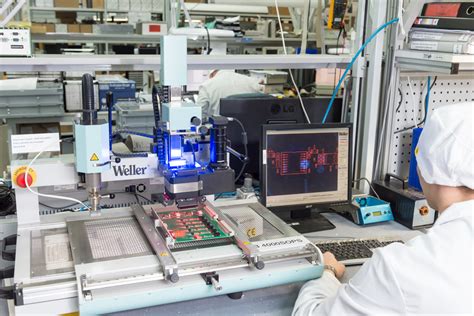
Thermal Management Solutions With Copper Core PCBs
Copper core printed circuit boards (PCBs) have emerged as a pivotal solution in the realm of thermal management, addressing the escalating demands of modern electronic devices. As electronic components become increasingly powerful and compact, the need for efficient heat dissipation mechanisms has never been more critical. Copper core PCBs, with their superior thermal conductivity, offer a robust solution to this challenge, ensuring the longevity and reliability of electronic systems.
One of the primary advantages of copper core PCBs is their exceptional ability to conduct heat away from sensitive components.
Copper, known for its high thermal conductivity, effectively dissipates heat, preventing the overheating of components that could lead to system failures. This characteristic is particularly beneficial in high-power applications, such as LED lighting, power supplies, and automotive electronics, where managing heat is crucial for maintaining performance and safety.
In addition to their thermal management capabilities, copper core PCBs also enhance the mechanical stability of electronic assemblies.
The copper core provides a rigid structure that can withstand mechanical stresses, reducing the risk of damage during manufacturing and operation. This durability is essential in applications subjected to harsh environmental conditions, such as industrial machinery and aerospace systems, where reliability is paramount.
Moreover, the integration of copper core PCBs into electronic designs can lead to significant improvements in overall system efficiency.
By effectively managing heat, these PCBs help maintain optimal operating temperatures for components, which can enhance their performance and extend their lifespan. This efficiency translates into cost savings for manufacturers and end-users, as it reduces the need for additional cooling mechanisms and minimizes the risk of component failure.
Furthermore, the versatility of copper core PCBs makes them suitable for a wide range of applications.
They can be designed to meet specific thermal and mechanical requirements, offering flexibility in terms of thickness, layer configuration, and copper weight. This adaptability allows engineers to tailor the PCB design to the unique needs of their application, ensuring optimal performance and reliability.
Despite their numerous advantages, it is important to consider the potential challenges associated with copper core PCBs.
The manufacturing process for these PCBs can be more complex and costly compared to traditional PCBs, due to the need for specialized equipment and materials. However, the long-term benefits of improved thermal management and enhanced reliability often outweigh the initial investment, making copper core PCBs a worthwhile consideration for many applications.
In conclusion, copper core PCBs represent a significant advancement in thermal management solutions for modern electronic devices. Their superior thermal conductivity, mechanical stability, and versatility make them an ideal choice for high-power and high-reliability applications. While the manufacturing process may present some challenges, the long-term benefits of using copper core PCBs, including improved system efficiency and reduced risk of component failure, make them a valuable asset in the design and development of advanced electronic systems. As technology continues to evolve, the role of copper core PCBs in ensuring the performance and reliability of electronic devices will undoubtedly become increasingly important.

Comparing Copper Core PCBs To Traditional FR4 PCBs
Copper core printed circuit boards (PCBs) and traditional FR4 PCBs serve as the backbone of modern electronic devices, yet they differ significantly in their construction, performance, and applications. Understanding these differences is crucial for engineers and designers when selecting the appropriate material for their specific needs. Copper core PCBs, as the name suggests, incorporate a copper core within the board, which provides enhanced thermal conductivity and mechanical stability. In contrast, traditional FR4 PCBs are composed of a woven fiberglass cloth with an epoxy resin binder, which is less efficient in heat dissipation.
One of the primary advantages of copper core PCBs is their superior thermal management capabilities.
The copper core acts as a heat sink, efficiently dissipating heat away from critical components. This is particularly beneficial in high-power applications where excessive heat can lead to component failure or reduced performance. For instance, in LED lighting systems, power amplifiers, and automotive electronics, the ability to manage heat effectively is paramount. On the other hand, FR4 PCBs, while adequate for many low to moderate power applications, often require additional thermal management solutions such as heat sinks or cooling fans, which can add to the overall cost and complexity of the design.
Moreover, copper core PCBs offer enhanced mechanical strength and durability.
The copper core provides a rigid structure that can withstand mechanical stresses and vibrations, making them ideal for use in harsh environments. This robustness is particularly advantageous in aerospace, military, and industrial applications where reliability and longevity are critical. In contrast, FR4 PCBs, while generally durable, may not offer the same level of mechanical resilience, especially in extreme conditions.
Another significant difference lies in the electrical performance of these two types of PCBs.
Copper core PCBs can offer lower electrical resistance due to the high conductivity of copper, which can be beneficial in high-frequency applications. This can result in improved signal integrity and reduced power losses, which are essential in telecommunications and high-speed computing. Conversely, FR4 PCBs, while suitable for a wide range of applications, may not provide the same level of electrical performance, particularly in demanding high-frequency environments.
However, it is important to consider the cost implications when comparing copper core PCBs to traditional FR4 PCBs.
Copper core PCBs are generally more expensive to manufacture due to the cost of copper and the complexity of the production process. This higher cost can be a limiting factor for budget-sensitive projects or applications where the enhanced performance of copper core PCBs is not necessary. In contrast, FR4 PCBs are more cost-effective and widely used in consumer electronics, where cost efficiency is a primary concern.
In conclusion, while both copper core PCBs and traditional FR4 PCBs have their respective advantages and limitations, the choice between the two ultimately depends on the specific requirements of the application. Copper core PCBs excel in thermal management, mechanical strength, and electrical performance, making them suitable for high-power, high-frequency, and harsh environment applications. On the other hand, FR4 PCBs offer a cost-effective solution for a broad range of low to moderate power applications. By carefully considering the unique demands of their projects, engineers and designers can make informed decisions that optimize performance, reliability, and cost.