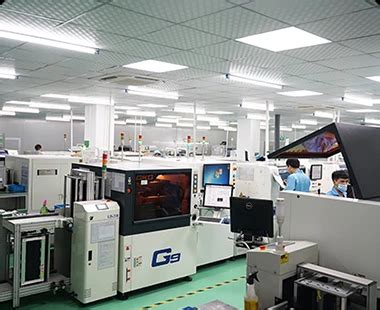
Cost-Effective PCB Assembly Solutions for Electronics Manufacturing
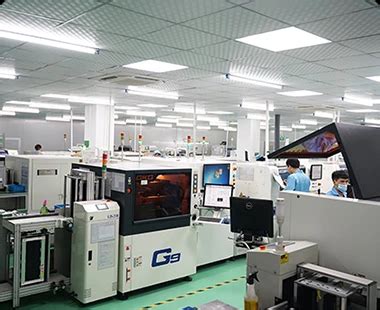
Key Takeaways
Understanding the core strategies for PCB assembly cost efficiency is critical for manufacturers and startups aiming to optimize production budgets. The foundation lies in balancing design simplicity with material selection, ensuring components are both functional and economical. Leveraging PCBA providers with scalable solutions enables businesses to adjust order volumes without compromising turnaround times.
Advanced techniques like surface-mount technology (SMT) and automated optical inspection (AOI) streamline workflows, reducing labor costs while maintaining precision. Partnering with suppliers offering volume discounts or panelization services further trims expenses. Additionally, design-for-manufacturing (DFM) principles minimize errors, avoiding costly rework.
For startups, prioritizing prototype-friendly pricing models and flexible minimum order quantities (MOQs) ensures affordability during early-stage testing. Meanwhile, established manufacturers benefit from supply chain optimization and vendor consolidation to reduce overhead. By integrating these approaches, businesses achieve low-cost PCB assembly without sacrificing reliability—a balance explored in detail throughout this guide.
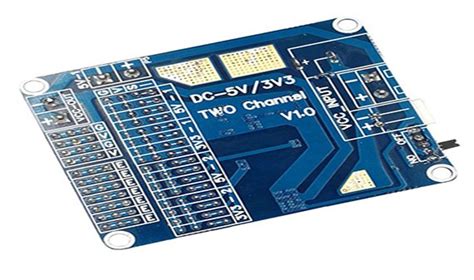
PCB Assembly Cost Reduction Tips
Reducing expenses in PCB assembly requires a strategic balance between design efficiency, material selection, and process optimization. One effective approach involves optimizing design for manufacturability (DFM) principles to minimize waste and rework. For instance, simplifying board layouts, standardizing component sizes, and avoiding overly complex trace routing can lower material costs and assembly time.
"Design teams should collaborate early with PCBA providers to identify cost-saving opportunities without compromising functionality," advises industry expert Maria Chen.
Another key tactic is leveraging economies of scale. Consolidating orders or partnering with suppliers for bulk purchasing of components often reduces per-unit costs. Additionally, selecting automated assembly processes over manual methods enhances precision and speed, further driving down labor expenses.
| Cost Factor | Traditional Approach | Optimized Strategy |
|---|---|---|
| Component Sourcing | Multiple suppliers | Consolidated vendor agreements |
| Assembly Method | Manual placement | Automated pick-and-place systems |
| Testing | Post-assembly checks | In-line automated inspection |
Material selection also plays a critical role. Opting for cost-effective substrates or alternative finishes (e.g., HASL instead of ENIG) can yield savings while maintaining performance for non-critical applications. Finally, implementing panelization—grouping multiple boards into a single panel—reduces handling time and material waste during fabrication. By integrating these strategies, manufacturers achieve significant cost reductions while preserving the reliability of their PCB assembly workflows.
Low-Cost PCB Assembly Strategies
Achieving affordability in PCB assembly requires a combination of strategic planning, process optimization, and supplier collaboration. One fundamental approach involves design simplification—minimizing complex layouts or unnecessary features that escalate production costs. For instance, standardizing component sizes and reducing layer counts in PCBA designs can lower material expenses without compromising functionality.
Another critical strategy is leveraging economies of scale through bulk ordering. Partnering with suppliers that offer volume discounts on components or substrates ensures per-unit cost reductions, particularly for high-volume projects. Manufacturers like Ultimate PCB Assembly often provide tiered pricing models tailored to startups and mid-sized enterprises, enabling seamless scalability.
Implementing automated assembly processes further drives down costs. Advanced pick-and-place machines and reflow soldering systems minimize human error and accelerate throughput, reducing labor overheads. Additionally, adopting design-for-manufacturability (DFM) principles ensures boards are optimized for automated production, avoiding costly redesigns.
Material selection also plays a pivotal role. Opting for cost-effective yet reliable substrates, such as FR-4 instead of high-frequency alternatives, balances performance and budget. Finally, collaborating with PCB assembly providers that utilize just-in-time inventory management reduces warehousing costs and mitigates component obsolescence risks. By integrating these strategies, businesses can achieve low-cost PCB assembly while maintaining the precision required for modern electronics.
Quality Low-Cost PCB Assembly Services
Achieving high-quality PCB assembly at reduced costs requires a strategic balance between precision engineering and cost optimization. Modern PCBA providers leverage economies of scale, standardized processes, and strategic supplier partnerships to minimize expenses without compromising reliability. For instance, automated pick-and-place systems and reflow soldering technologies ensure consistent accuracy while reducing labor costs. Additionally, bulk purchasing of components and optimized panelization techniques further lower material waste.
A critical factor in maintaining quality is adherence to rigorous quality control protocols, such as automated optical inspection (AOI) and functional testing. These steps identify defects early, preventing costly rework. Providers specializing in low-cost PCB assembly services often streamline workflows by integrating design-for-manufacturability (DFM) feedback, ensuring designs are optimized for efficient production. Startups and established manufacturers alike benefit from flexible pricing models that scale with order volumes, offering affordability for prototypes and large batches.
By prioritizing lean manufacturing principles and investing in advanced equipment, trusted PCBA partners deliver dependable solutions that meet both budgetary constraints and performance expectations. This approach demystifies the myth that affordability necessitates compromise, proving cost-effective assembly can coexist with industrial-grade reliability.
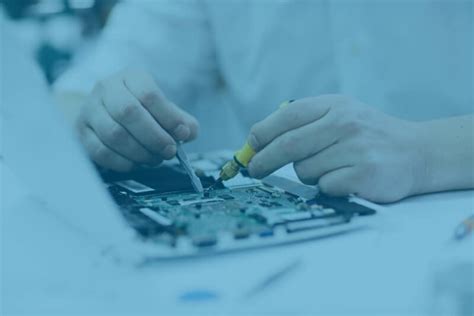
Efficient PCB Assembly Process Optimization
Streamlining PCB assembly workflows begins with strategic design integration and automated manufacturing protocols. Modern PCBA providers achieve cost efficiency by implementing robotic pick-and-place systems that reduce manual labor errors while accelerating production cycles. Component standardization plays a pivotal role, as using common package sizes minimizes procurement delays and lowers material costs. Advanced planning tools optimize panelization layouts to maximize board yield per substrate, directly reducing waste.
Equally critical is the adoption of surface-mount technology (SMT), which enables higher component density and faster assembly compared to through-hole methods. Pairing SMT with automated optical inspection (AOI) ensures defect detection at early stages, preventing costly rework. For startups, leveraging design-for-manufacturability (DFM) checks during prototyping eliminates redesign expenses post-production.
By synchronizing material logistics with just-in-time inventory practices, manufacturers avoid overstocking while maintaining seamless PCB assembly throughput. This approach not only aligns with budget constraints but also scales efficiently for high-volume orders, ensuring consistent quality across batches. Such optimizations underscore how PCBA efficiency directly translates to measurable cost savings without compromising technical rigor.
Advanced Tech for Affordable PCB Production
Modern advancements in PCB assembly processes are revolutionizing cost-efficient electronics manufacturing. By leveraging automated pick-and-place systems and high-speed surface-mount technology (SMT), manufacturers can drastically reduce labor costs while improving precision. These innovations minimize errors and material waste, directly lowering expenses for PCBA projects. Additionally, AI-driven quality control tools enable real-time defect detection, ensuring reliability without the need for costly post-production rework.
Adopting panelization techniques further optimizes material usage, allowing multiple boards to be processed simultaneously. This method not only accelerates production but also reduces per-unit costs—a critical advantage for startups and large-scale manufacturers alike. For instance, advanced assembly services often integrate design-for-manufacturability (DFM) software to identify potential inefficiencies early, preventing budget overruns.
Emerging technologies like 3D solder paste inspection (SPI) and predictive maintenance systems also contribute to affordability. By maintaining equipment performance and minimizing downtime, these tools ensure consistent output quality while keeping operational costs competitive. As a result, low-cost PCB assembly no longer requires compromising on performance, enabling businesses to scale production sustainably.
Budget-Friendly PCB Solutions for Startups
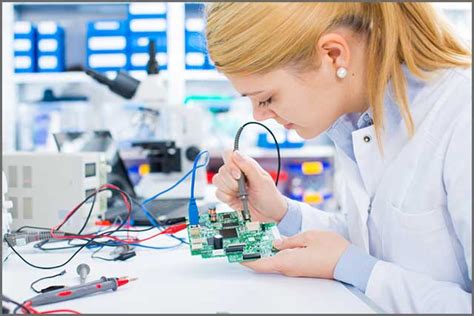
For startups navigating the competitive electronics market, minimizing upfront costs without compromising quality is critical. Leveraging PCB assembly services that specialize in low-volume production can significantly reduce expenses while ensuring precision. Many PCBA providers now offer tiered pricing models, allowing smaller companies to benefit from economies of scale typically reserved for larger manufacturers. By optimizing design simplicity—such as reducing layer counts or standardizing component sizes—startups can further lower material and labor costs.
Collaborating with suppliers that provide prototyping discounts or bundle PCB assembly with testing services ensures early-stage validation without overspending. Additionally, opting for panelization (grouping multiple boards into a single array) maximizes material usage and reduces waste. Startups should prioritize vendors with transparent pricing structures and expertise in design-for-manufacturability (DFM) principles, which streamline the PCBA process and prevent costly redesigns.
Emerging technologies like automated assembly lines and AI-driven quality checks also contribute to affordability by minimizing human error and accelerating turnaround times. By aligning with partners who balance innovation with cost efficiency, startups can allocate resources to core R&D while maintaining reliable production pipelines.
Balancing Cost and Quality in PCB Assembly
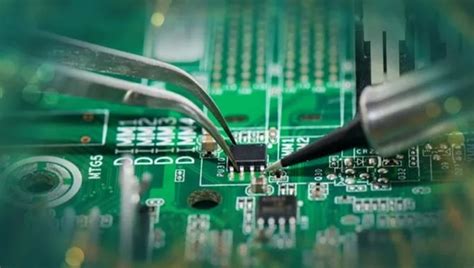
Achieving the ideal equilibrium between affordability and reliability in PCB assembly requires a methodical approach to design, material selection, and production workflows. While cost reduction remains a priority for manufacturers and startups, compromising on critical quality benchmarks can lead to long-term expenses from defects or product failures. One effective strategy involves optimizing PCBA designs for manufacturability—simplifying layouts, standardizing component sizes, and minimizing complex layer counts to reduce material waste and assembly time.
Leveraging automated PCB assembly processes, such as surface-mount technology (SMT) and precision pick-and-place systems, ensures consistent accuracy while lowering labor costs. However, pairing automation with rigorous quality control protocols—like automated optical inspection (AOI) and X-ray testing—helps identify potential flaws early, preventing costly rework. Additionally, selecting cost-effective yet certified components from trusted suppliers balances upfront savings with long-term durability.
For startups, partnering with PCBA providers offering scalable solutions—such as panelized assembly or shared batch orders—can further distribute fixed costs without sacrificing quality. By aligning design choices with production capabilities and prioritizing transparent communication with assembly partners, businesses can maintain competitive pricing while delivering electronics that meet performance expectations. This synergy between efficiency and precision underscores the core principle of modern electronics manufacturing: optimized value without compromise.
Expert Techniques for Electronics Cost Savings
Implementing design optimization early in the PCB assembly process remains one of the most effective ways to reduce expenses. By prioritizing Design for Manufacturability (DFM) principles, engineers can minimize material waste, avoid complex layouts, and standardize component footprints—all of which streamline PCBA workflows. For instance, consolidating similar components or selecting surface-mount devices (SMDs) over through-hole parts can lower labor costs and accelerate production timelines.
Another critical strategy involves strategic component sourcing. Partnering with suppliers offering bulk pricing for common ICs or passive elements directly impacts low-cost PCB assembly viability. Additionally, leveraging automated assembly technologies, such as high-speed pick-and-place systems or Gold Phoenix PCB, ensures precision while reducing manual labor requirements. Advanced techniques like panelization—grouping multiple boards into a single panel—optimize material usage and cut per-unit costs significantly.
For startups, adopting modular designs or reusing proven circuit blocks minimizes prototyping iterations, aligning with budget-friendly PCB solutions. Finally, rigorous testing protocols, including in-circuit testing (ICT) and automated optical inspection (AOI), prevent costly rework by catching defects early. These expert methods collectively balance cost-efficiency with reliability, ensuring scalable production without compromising quality in PCB assembly workflows.
Conclusion
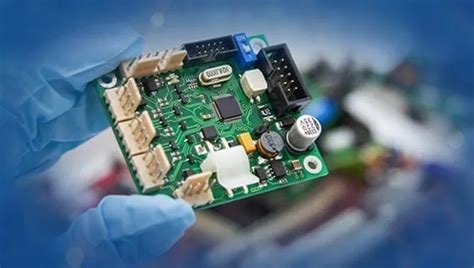
Achieving cost efficiency in PCB assembly requires a strategic blend of innovative processes and smart material sourcing. By leveraging PCBA solutions that integrate automated workflows and scalable production models, manufacturers can significantly reduce overhead without compromising on precision. The key lies in partnering with providers that prioritize low-cost PCB assembly services while maintaining rigorous quality controls, ensuring components meet industry standards for durability and performance.
For startups and established firms alike, adopting modular design principles and standardized components further drives down expenses. Advanced technologies like surface-mount device (SMD) placement and AI-driven defect detection streamline assembly cycles, minimizing waste and rework costs. Additionally, consolidating orders or opting for batch production through platforms like Rocket PCB can unlock volume-based discounts.
Ultimately, the goal is to strike a balance where PCB assembly costs align with project budgets while delivering reliable, high-performance electronics. By staying informed about evolving techniques and collaborating with experienced PCBA partners, businesses can sustain competitiveness in an increasingly cost-sensitive market.
FAQs
What factors influence pricing in low-cost PCB assembly?
Total costs depend on PCB design complexity, component sourcing strategies, and order volume. Streamlined PCBA workflows leveraging automated assembly and bulk material procurement often achieve 20-40% cost reductions versus traditional methods.
How do manufacturers maintain quality with budget-friendly solutions?
Reputable providers combine DFM (Design for Manufacturing) principles with multi-stage testing protocols. Advanced AOI (Automated Optical Inspection) systems and cross-functional engineering reviews ensure PCB assembly reliability while optimizing production efficiency.
What distinguishes PCB fabrication from PCBA services?
PCB fabrication refers to manufacturing blank circuit boards, whereas PCBA involves populating boards with components. Integrated providers offering both stages typically deliver better cost synergies through unified process controls.
Can startups benefit from economical PCB solutions?
Yes. Scalable turnkey PCBA services allow startups to access prototyping discounts and flexible MOQs (Minimum Order Quantities). Some suppliers offer free DFM analysis to eliminate redesign costs post-production.
What technologies enable affordable high-mix PCB assembly?
Modular SMT (Surface Mount Technology) lines with quick-change tooling and AI-driven component placement algorithms reduce setup times. Cloud-based supply chain platforms further minimize delays in sourcing uncommon parts.
Explore Tailored Solutions for Your Project
For optimized low-cost PCB assembly strategies matching your technical requirements, please click here to consult our engineering team.