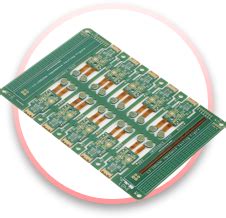
Cost of custom pcb
Understanding The Factors That Influence Custom PCB Costs
The cost of custom printed circuit boards (PCBs) is a multifaceted subject influenced by a variety of factors, each contributing to the overall expense in different ways. Understanding these factors is crucial for businesses and individuals looking to optimize their design and manufacturing processes while managing costs effectively.
One of the primary determinants of custom PCB cost is the complexity of the design.
As the intricacy of the circuit increases, so does the need for advanced manufacturing techniques and more sophisticated materials, which inevitably raises the cost. For instance, multilayer PCBs, which are essential for compact and high-performance electronic devices, require additional materials and more complex fabrication processes compared to single-layer boards.
In addition to design complexity, the size of the PCB also plays a significant role in determining cost.
Larger boards require more raw materials and longer production times, which can increase expenses. Conversely, smaller boards may be less costly in terms of materials but could require more precise manufacturing techniques, potentially offsetting any savings. Furthermore, the choice of materials used in the PCB can significantly impact the cost. High-quality materials, such as those with superior thermal or electrical properties, tend to be more expensive. However, they may be necessary for certain applications where performance and reliability are critical, justifying the additional expense.
Another important factor is the volume of production.
Generally, higher production volumes lead to lower costs per unit due to economies of scale. Manufacturers can spread the fixed costs of setup and tooling over a larger number of units, reducing the cost per board. However, for small production runs or prototypes, these fixed costs can be substantial, leading to higher per-unit costs. Additionally, the choice of manufacturer can influence the cost of custom PCBs. Different manufacturers may offer varying levels of expertise, quality, and pricing structures. It is essential to select a manufacturer that aligns with the specific requirements of the project, balancing cost with quality and reliability.
The turnaround time for production is another critical consideration.
Expedited manufacturing services are available for those who require quick delivery, but these services often come at a premium. Planning ahead and allowing for standard production times can help mitigate these additional costs. Moreover, the inclusion of special features or requirements, such as specific surface finishes, solder masks, or silkscreen details, can also affect the cost. Each additional feature requires extra processing steps, which can increase both the time and cost of production.
Finally, it is important to consider the impact of design revisions and testing.
Iterative design processes, where multiple revisions are necessary, can lead to increased costs due to repeated manufacturing runs. Thorough initial design and testing can help minimize the need for revisions, thereby controlling costs. In conclusion, the cost of custom PCBs is influenced by a myriad of factors, including design complexity, size, material choice, production volume, manufacturer selection, turnaround time, special features, and design revisions. By understanding and carefully managing these factors, businesses and individuals can make informed decisions that balance cost with performance and quality, ultimately leading to successful and cost-effective PCB projects.
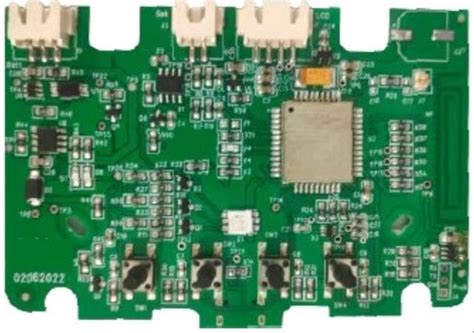
How To Optimize Design For Cost-Effective Custom PCBs
Designing custom printed circuit boards (PCBs) can be a complex and costly endeavor, but with careful planning and strategic decision-making, it is possible to optimize the design process for cost-effectiveness. The first step in achieving a cost-effective custom PCB design is to thoroughly understand the specific requirements and constraints of the project.
This involves defining the functionality, size, and performance criteria of the PCB, as well as considering any regulatory or industry standards that must be met. By clearly outlining these parameters from the outset, designers can avoid unnecessary revisions and ensure that the final product meets all necessary specifications.
Once the project requirements are established, selecting the right materials is crucial for cost optimization.
The choice of substrate material, for instance, can significantly impact the overall cost of the PCB. While high-performance materials may offer superior electrical properties, they often come at a premium price. Therefore, it is essential to balance performance needs with budget constraints. Additionally, considering the use of standard board thicknesses and sizes can help reduce material costs, as custom dimensions typically incur additional expenses.
Another important aspect of cost-effective PCB design is component selection.
Opting for readily available, off-the-shelf components can lead to significant savings, as custom or rare components tend to be more expensive and may require longer lead times. Furthermore, minimizing the number of unique components on the board can streamline the assembly process and reduce costs associated with inventory management. Designers should also consider the placement and orientation of components to facilitate efficient assembly and testing, which can further contribute to cost savings.
In addition to material and component considerations, the complexity of the PCB layout plays a pivotal role in determining the overall cost.
Simplifying the design by reducing the number of layers can lead to substantial savings, as multi-layer boards are generally more expensive to manufacture. However, it is important to ensure that the design still meets all functional requirements. Employing design for manufacturability (DFM) principles can help identify potential issues early in the design process, allowing for adjustments that can prevent costly rework or delays during production.
Moreover, collaborating closely with the PCB manufacturer during the design phase can provide valuable insights into cost-saving opportunities.
Manufacturers can offer guidance on design choices that align with their production capabilities, potentially reducing manufacturing time and costs. Engaging in open communication with the manufacturer can also help identify any potential design constraints or limitations that could impact the final product.
Finally, leveraging design automation tools and software can enhance the efficiency and accuracy of the design process.
These tools can assist in optimizing the layout, checking for errors, and ensuring compliance with industry standards, ultimately reducing the likelihood of costly mistakes. By utilizing advanced design technologies, designers can streamline the development process and achieve a more cost-effective outcome.
In conclusion, optimizing the design of custom PCBs for cost-effectiveness requires a comprehensive approach that encompasses careful planning, strategic material and component selection, simplification of the layout, and collaboration with manufacturers. By considering these factors and employing best practices throughout the design process, it is possible to create high-quality, custom PCBs that meet both performance and budgetary requirements.
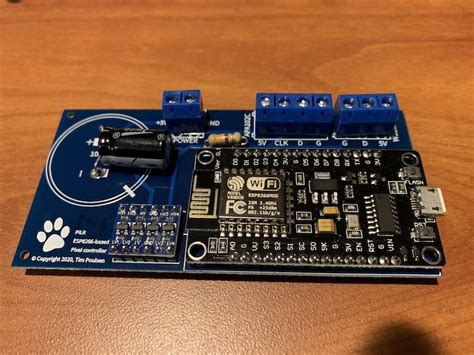
Comparing Custom PCB Costs: Prototyping Vs. Mass Production
When considering the cost of custom printed circuit boards (PCBs), it is essential to distinguish between the expenses associated with prototyping and those incurred during mass production.
Understanding these differences can significantly impact budgeting and decision-making processes for businesses and engineers alike. Initially, the prototyping phase is crucial for testing and validating the design of a PCB.
During this stage, the focus is on creating a small number of units to ensure that the design functions as intended.
Consequently, the cost per unit is typically higher in prototyping than in mass production. This is primarily due to the setup costs, which include the creation of custom tooling and the programming of machines to handle the specific design requirements. These initial expenses are spread over a limited number of units, resulting in a higher cost per board.
Moreover, prototyping often involves multiple iterations to refine the design, which can further increase costs.
Each iteration may require adjustments to the design, necessitating additional setup and production runs. However, despite the higher costs, prototyping is an indispensable step in the development process, as it allows for the identification and rectification of potential issues before committing to large-scale production.
Transitioning from prototyping to mass production, the cost dynamics shift significantly. In mass production, the primary advantage lies in economies of scale. As the volume of PCBs produced increases, the cost per unit decreases. This reduction is due to the distribution of setup costs over a larger number of units, as well as the increased efficiency of production processes optimized for high-volume output.
Furthermore, suppliers often offer discounts for bulk orders, further driving down the cost per unit.
It is also worth noting that during mass production, manufacturers can leverage advanced manufacturing techniques and automated processes, which contribute to cost savings. These efficiencies are not typically feasible during the prototyping phase due to the smaller scale of production.
However, it is important to consider that while mass production offers cost advantages, it also requires a significant upfront investment.
Businesses must be prepared to commit to larger quantities of PCBs, which can tie up capital and resources. Therefore, careful planning and forecasting are essential to ensure that the demand justifies the investment in mass production.
In addition, the choice of materials and complexity of the PCB design can influence costs in both prototyping and mass production.
High-quality materials and intricate designs may increase expenses, but they can also enhance the performance and reliability of the final product. Thus, it is crucial to balance cost considerations with the desired quality and functionality of the PCB. In conclusion, comparing the costs of custom PCBs in prototyping versus mass production reveals distinct financial implications for each phase. Prototyping, while more expensive per unit, is vital for design validation and refinement. On the other hand, mass production offers cost efficiencies through economies of scale but requires a substantial initial investment. By understanding these differences, businesses and engineers can make informed decisions that align with their project goals and budgetary constraints.
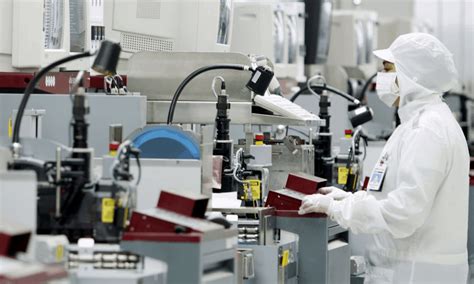
Hidden Costs In Custom PCB Manufacturing And How To Avoid Them
When embarking on the journey of custom PCB manufacturing, many businesses focus primarily on the apparent costs associated with design, materials, and production. However, hidden costs can significantly impact the overall budget, often catching companies off guard. Understanding these hidden expenses and learning how to mitigate them is crucial for maintaining financial efficiency and ensuring the success of your project.
One of the most overlooked hidden costs in custom PCB manufacturing is the expense associated with design revisions.
During the design phase, it is common for engineers to make multiple iterations to optimize the PCB layout. Each revision can incur additional costs, especially if changes are made after the initial design has been finalized.
To avoid these expenses, it is essential to invest time in thorough initial design planning and validation.
Utilizing advanced simulation tools and conducting comprehensive design reviews can help identify potential issues early, reducing the need for costly revisions later in the process.
Another hidden cost arises from the choice of materials. While it may be tempting to select the cheapest materials to minimize upfront costs, this decision can lead to increased expenses in the long run.
Low-quality materials may result in higher failure rates, leading to additional costs for rework and replacement. Moreover, they can affect the performance and reliability of the final product, potentially damaging your brand’s reputation. To avoid these pitfalls, it is advisable to choose materials that balance cost with quality, ensuring that the PCBs meet the necessary performance standards without compromising on durability.
The manufacturing process itself can also harbor hidden costs, particularly in terms of production yield.
A low yield rate means that a significant percentage of the manufactured PCBs do not meet quality standards, necessitating rework or disposal. This not only increases material costs but also extends production timelines. To enhance yield rates, it is crucial to work with experienced manufacturers who employ rigorous quality control measures. Additionally, designing for manufacturability (DFM) can help streamline the production process, reducing the likelihood of defects and improving overall efficiency.
Logistics and supply chain issues represent another area where hidden costs can emerge.
Delays in the delivery of components or finished PCBs can disrupt project timelines, leading to increased labor costs and potential penalties for late delivery.
To mitigate these risks, it is important to establish strong relationships with reliable suppliers and to maintain a buffer stock of critical components. Furthermore, considering local manufacturing options can reduce lead times and transportation costs, providing greater control over the supply chain.
Finally, compliance and testing costs can add up if not properly accounted for.
Ensuring that your custom PCBs meet industry standards and regulatory requirements is essential, but it can be expensive if not planned for in advance. Investing in compliance testing early in the design process can prevent costly redesigns and delays later on. Additionally, working with manufacturers who are familiar with the relevant standards can streamline the compliance process, reducing both time and expense.
In conclusion, while the initial costs of custom PCB manufacturing are often the focus, it is the hidden costs that can have a more significant impact on the overall budget.
By understanding and addressing these potential expenses through careful planning, strategic material selection, efficient manufacturing practices, robust supply chain management, and proactive compliance testing, businesses can avoid unexpected financial burdens and ensure the success of their custom PCB projects.