Create Your Own PCBs: The Ultimate Guide to Easy PCB Makers
Key Takeaways
Creating your own printed circuit boards (PCBs) can seem daunting, but understanding the basics can set you on the right path. Whether you’re a beginner or looking to expand your skills, knowing the options for easy PCB makers will simplify the process significantly. As you dive into the world of PCB manufacturing, remember that the quality of components and designs greatly influences your projects. Familiarize yourself with PCB manufacturing companies and their offerings, as they vary in aspects like cost and features. By assessing these factors, you can find a service that aligns with your project’s requirements without exceeding your budget.
Moreover, when exploring the PCB manufacturing cost, it’s essential to account for all aspects that might influence pricing—including design complexity and material choices. If you’re contemplating starting a PCB manufacturing business, this knowledge will be invaluable in ensuring competitive pricing while maintaining quality. So as you embark on designing your first PCB, keep these key points in mind to enhance both efficiency and creativity in your electronic projects.
Understanding PCB Basics: A Beginner’s Guide
When embarking on your journey into the world of PCBs (Printed Circuit Boards), it’s essential to grasp the fundamental concepts that will guide your designs. At its core, a PCB serves as a foundation for electronic components, facilitating connections and functionality within a circuit. Understanding the basic elements—like traces, pads, and vias—will empower you to create efficient layouts.
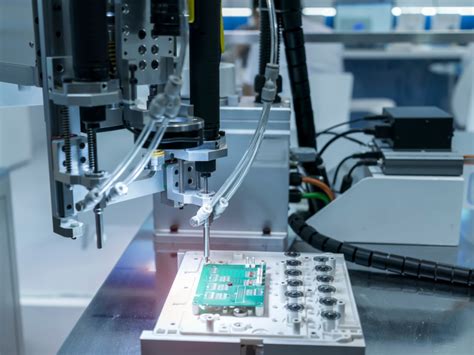
To start, familiarize yourself with the pcb manufacturing process. This involves transforming your design files into physical boards. As you explore pcb manufacturing companies, you’ll learn about the varying options available and how each affects pcb manufacturing cost. Many companies offer tools that allow for streamlined designs, reducing errors and expediting production.
| Element | Function |
|---|---|
| Traces | Conduct electrical signals between components |
| Pads | Provide attachment points for components |
| Vias | Allow connections between layers |
Additionally, understanding the intricacies of design rules—such as spacing between traces and pad sizes—will enhance your ability to create professional-grade PCBs. As you delve deeper, consider how choosing different materials can impact your designs; even small changes can lead to significant differences in performance and cost.
“Learning about PCB fundamentals not only enhances your design capabilities but also sharpens your awareness of manufacturing nuances.”
As you grow more comfortable with these concepts, you’ll find that engaging with resources on pcb manufacturing businesses can provide further insights into industry standards and best practices. Whether you’re moving from hobby projects to small-scale production or seeking partnerships for larger endeavors, understanding these basics will position you well in the field of electronics design.
Top Easy PCB Makers: Features and Comparisons
When delving into PCB design, choosing the right easy PCB maker is essential for simplifying your workflow. Many PCB manufacturing companies offer user-friendly tools that can cater to both beginners and experienced designers. It’s important to compare features like design flexibility, ease of use, and compatibility with various components. Keep in mind the PCB manufacturing cost, as price can vary significantly depending on the complexity of your design and the materials used. For those considering a PCB manufacturing business, opting for software that streamlines your workflow can give you a competitive edge in this growing market. Additionally, selecting a platform that integrates well with other tools will enable you to enhance your project efficiency, ensuring that you can focus more on creativity rather than technical hurdles. Many resources are available online to help you navigate these options effectively; for instance, check out Andwin PCB for insights into professional services in the field. Understanding these aspects will enable you to make informed decisions tailored to your specific needs in PCB creation.
Step-by-Step Process for Designing Your First PCB
Designing your first PCB can be an exciting venture, and understanding how to navigate through the process is key to making it enjoyable and efficient. Start by selecting a user-friendly easy PCB maker software that suits your skill level. Once you’ve installed your software, familiarize yourself with the interface, focusing on key tools you’ll utilize throughout the design process. Next, outline a schematic; this serves as a blueprint for your PCB. Be sure to incorporate all necessary components such as resistors and capacitors.
After creating the schematic, you will move on to layout the PCB. Here, it’s crucial to adhere to best practices in component placement to enhance signal integrity and overall functionality. This is where you may start considering PCB manufacturing cost; remember that complex designs might lead to higher production costs later on. Once you complete the layout, run a design rule check to catch any potential issues like short circuits or unconnected pins.
When satisfied with your design, export it in a format compatible with PCB manufacturing companies you plan to work with; this is essential for ensuring smooth transition from design to production. As you familiarize yourself with these steps, keep in mind that each experience adds value—your knowledge will grow as you encounter various challenges inherent in the PCB manufacturing business. Embrace these challenges, refine your design skills, and prepare yourself for the rewarding process of bringing your electronic projects to life!
Essential Tips for Efficient PCB Creation
Creating your own printed circuit boards (PCBs) can be a fulfilling endeavor, but it requires careful planning and execution to ensure success. To streamline your PCB creation process, it’s important to understand essential tips that can significantly improve efficiency. Firstly, choose a reliable PCB manufacturing company that aligns with your project requirements. Doing some research into the PCB manufacturing cost can help you budget effectively. Make sure to utilize pre-existing libraries within your PCB design software; these libraries often contain common components which can save you time when assembling your design.
Additionally, focus on keeping the design as straightforward as possible. This not only makes the prototype phase smoother but also reduces issues during PCB manufacturing. If you find yourself facing challenges as you work through this process, don’t hesitate to consult online forums or community resources; many experienced designers share valuable insights. Finally, once your design is finalized and ready for production, ensure that you have thoroughly checked connections and compatibility with your intended components before sending it off for PCB manufacturing. This diligence will enhance the overall quality of your PCB and keep your PCB manufacturing business running efficiently.
Utilizing Libraries and Components in Your Design
When designing your own PCBs, one of the most vital aspects involves effectively utilizing libraries and components. Libraries are collections of pre-made parts and components that can drastically reduce your design time. By integrating these libraries into your workflow, you can easily drag and drop components needed for your project, ensuring that you’re using intuitively designed parts that align with industry standards. This not only enhances your efficiency but also minimizes the likelihood of errors in sizing or footprint.
Additionally, selecting the right parts from reputable PCB manufacturing companies can help you maintain quality throughout the production process. Familiarize yourself with various component specifications during the design phase to avoid potential issues with compatibility later on. Knowing the pcb manufacturing cost associated with different components can also guide your choices as you aim to keep your project within budget while ensuring high performance.
As you build out your design, consider the long-term implications of selecting certain components—how they will perform, their availability from different pcb manufacturing businesses, and their overall reliability in various applications. Remember that a well-structured library will not only aid in immediate design processes but also serve as a valuable reference for future projects, ultimately optimizing both time and expenses related to PCB creation. Taking these steps will allow you to transition smoothly from conception to production, providing a solid foundation for any electronic venture.
Troubleshooting Common PCB Design Issues
When you embark on your journey to create your own printed circuit boards (PCBs), you may encounter several challenges along the way. Understanding and resolving these issues is crucial to ensuring a smooth PCB manufacturing process. One common problem is the misalignment of components, which can lead to ineffective connections and increased PCB manufacturing costs. To avoid this, double-check your layout against the schematic before finalizing your design. Additionally, thermal issues can arise, especially in densely populated areas of your PCB; thus, incorporating proper heat management techniques is essential.
Another frequent dilemma involves incorrect pad sizes that don’t fit the components well, which can hinder production with many PCB manufacturing companies. Make sure to consult the datasheets for the parts you’re using to determine appropriate pad dimensions. Debugging and testing also play an integral role in design validation; utilizing simulation tools can help identify potential issues before physical prototypes are produced.
Finally, it’s wise to familiarize yourself with a few basic standards and best practices that govern PCB manufacturing business operations. Keeping up with industry guidelines not only enhances your design but also aids in smoother transitions from concept to production. By taking these steps to troubleshoot effectively, you pave the way for a more efficient and successful PCB creation experience.
Resources and Tutorials for Further Learning
When venturing into the world of PCB manufacturing, it’s essential to equip yourself with a variety of resources that can enhance your understanding and skills. Numerous online platforms offer in-depth tutorials, video guides, and forums where you can connect with experienced designers. Websites dedicated to PCB manufacturing companies often share their insights on the latest trends, technologies, and best practices within the industry. Engaging with these resources not only expands your knowledge but also offers practical advice tailored to your projects.
You might also consider enrolling in online courses focused on PCB design and manufacturing. These courses typically address the entire workflow, from initial design through to production. When examining the PCB manufacturing cost, you should gather data from multiple sources to ensure you’re getting a fair rate for services provided by various companies. Remember that investing time in learning about resin types, layer thicknesses, and even solder mask technology could significantly impact your PCB’s performance.
Moreover, joining user communities or participating in workshops can be beneficial. Here, you can share ideas, ask questions, and receive feedback on your designs from peers who share your enthusiasm for electronics. Connecting with others in the PCB manufacturing business can provide valuable insights into navigating challenges as well.
In summary, utilizing a mix of digital resources alongside community engagements will greatly enhance your capabilities in PCB creation and ensure you are well-prepared for every step of the process.
From Design to Production: Getting Your PCBs Manufactured
Once you have completed the design phase of your project, the next step is pcb manufacturing. This stage is critical, as it brings your blueprint to life. To initiate the pcb manufacturing process, you’ll need to collaborate with reliable pcb manufacturing companies that can understand your specifications and produce your design accurately. It’s essential to request quotes from several manufacturers to compare pcb manufacturing costs, as this can impact your project’s overall budget.
When selecting a company, consider their capabilities in terms of materials and technology. Some may specialize in certain types of boards or have limitations based on volume. Assessing their reputation through reviews and past projects can help you choose a manufacturer that suits your needs while ensuring quality and reliability.
If you’re considering starting a pcb manufacturing business, understanding the market demands and establishing effective channels for sourcing materials will be crucial for success. Additionally, building relationships with suppliers can lead to more favorable pricing and support flexible production schedules. Whether you’re doing this for personal projects or commercial purposes, being informed about different manufacturers’ services will help you navigate this intricate process seamlessly, ensuring that your electronic creations reach their full potential in functionality and design.
Conclusion
In summary, exploring the world of PCB manufacturing offers you incredible opportunities to bring your electronic designs to life. Whether you’re diving into the realm of pcb manufacturing companies or considering launching a pcb manufacturing business, understanding the key elements involved is vital for success. By familiarizing yourself with the pcb manufacturing cost, you can better budget your projects and optimize your resources. This insight not only streamlines your process but also helps you make informed decisions when selecting materials, components, and services. Additionally, engaging with user-friendly tools can significantly enhance your experience in creating designs that meet industry standards, ultimately leading to rewarding solutions for your electronic innovations. As you venture into this field, remember the importance of thorough research, and never hesitate to tap into the vast resources available at your fingertips to ensure a successful journey in PCB creation and production.
FAQs
What is PCB manufacturing?
PCB manufacturing refers to the process of creating printed circuit boards, which are essential components in electronic devices. This includes everything from design to fabrication.
How do I choose a PCB manufacturing company?
When selecting a PCB manufacturing company, consider factors such as their reputation, customer reviews, pricing, and lead times. It’s important to choose a company with a proven record to ensure quality and reliability.
What is the typical PCB manufacturing cost?
The PCB manufacturing cost can vary greatly depending on complexity, size, and material type. Simple boards might cost as little as a few dollars each, while more intricate designs can reach higher price points.
Can I start my own PCB manufacturing business?
Yes, starting a PCB manufacturing business can be rewarding if you have the right knowledge and resources. You’ll need to understand the complexities of PCB design and fabrication processes to meet market demands effectively.
What are common challenges in PCB design?
Some common challenges include ensuring signal integrity, managing layer stack-up correctly, and adhering to design rules. Utilizing resources and software can significantly aid in overcoming these obstacles.
For those interested in exploring more about PCB manufacturing, please click here: Andwin PCB Manufacturing.