Custom Flex PCB Solutions for Versatile and Efficient Design

Key Takeaways
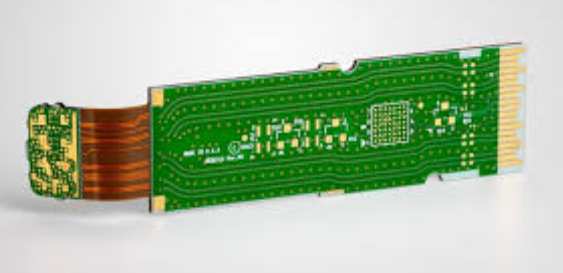
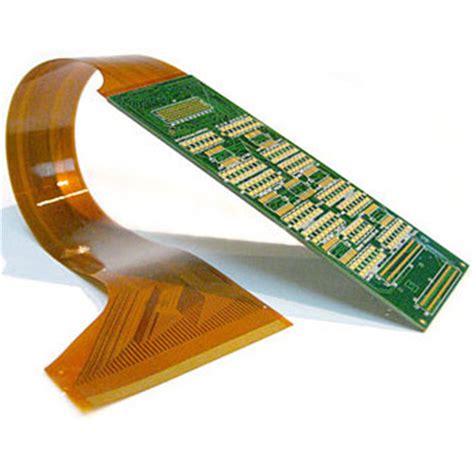
Custom Flex PCBs bring distinct advantages that make them a compelling choice in today’s dynamic electronics landscape. By opting for flexible solutions, you can benefit from a notable reduction in weight and size, which is essential for portable devices. Additionally, the flexibility of these circuits allows for intricate designs that can fit into tight spaces or conform to various shapes, something rigid boards are unable to achieve. This adaptability enhances overall performance and opens the door to innovative applications across industries.
When considering pcb manufacturing, it’s crucial to evaluate the capabilities of different pcb manufacturing companies as they may vary significantly in terms of technology and costs. Understanding the pcb manufacturing cost is essential not only for budgeting but also for ensuring that you are investing in quality solutions that meet your specific needs. Partnering with a reputable pcb manufacturing business can mitigate risks associated with production while maintaining design integrity.
“Choosing the right PCB partner can greatly influence your project’s success.”
Incorporating custom flex PCBs can thus transform interconnectivity like never before, simplifying complex projects and improving reliability. As technology continues to advance, staying informed about customer flex PCB developments will position you to take full advantage of these innovative solutions.

Custom Flex PCB Advantages: Why Choose Flexible Solutions?
When considering your next project, custom flex PCBs offer a myriad of advantages that can greatly enhance both functionality and design flexibility. The primary benefit of using flexible printed circuits is their ability to adapt to various shapes and sizes, making them ideal for compact spaces where traditional rigid boards may falter. This adaptability leads to reduced space requirements, which is critical in modern electronics where miniaturization is often a key objective.
In addition, custom flex PCBs can also contribute to a decrease in the overall PCB manufacturing cost by minimizing the need for additional connectors and reducing assembly complexity. Fewer components mean less time spent in assembly and testing, which can make your project more economical. This advantage highlights why you might want to consider partnering with reputable PCB manufacturing companies that specialize in flexible solutions.
Moreover, the durability of flexible circuits allows them to withstand bending and flexing, a property not typically found in rigid designs. In applications where repeated movement is required, such as wearables or portable devices, this quality can significantly extend the product’s lifespan while ensuring consistent performance.
Here’s a quick overview of the benefits:
| Advantage | Description |
|---|---|
| Adaptability | Can fit into unique spaces |
| Cost Efficiency | Reduces components and assembly time |
| Durability | Withstands bending and flexing |
By choosing custom flex PCB solutions, you not only embrace cutting-edge technology but also enable innovative applications that could transform your project’s interconnectivity. As you explore options, it’s essential to connect with experienced professionals in the PCB manufacturing business, who can guide you through integrating flexible solutions into your designs. Consider visiting Andwin PCB for insights into advanced manufacturing processes and tailored solutions to optimize your project’s potential.
Innovative Applications of Custom Flex PCBs in Modern Electronics
The increasing demand for versatile and efficient design solutions in electronics has led to innovative applications of custom flex PCBs that stretch beyond conventional uses. These flexible printed circuits, which seamlessly conform to contours and limited spaces, allow for a myriad of designs tailored specifically to your project needs. Imagine integrating complex circuitry into wearable technology or compact devices such as drones, where optimizing space is critical. The adaptability of flex PCBs fosters creativity in product design, enabling you and your team to explore unique features that standard rigid boards cannot accommodate, all while contributing to reduced PCB manufacturing costs. Many PCB manufacturing companies recognize this shift and are increasingly investing in the capabilities required for this specialization. It is essential to understand how these custom solutions can benefit your projects by ensuring not only functionality but also enhancing user experience through innovative applications in consumer electronics, automotive systems, and even medical devices. As the landscape of electronics continues to evolve, leveraging the unique advantages offered by custom flex PCBs can set your designs apart in a competitive PCB manufacturing business environment.
Designing for Efficiency: Key Considerations in Custom Flex PCB Development
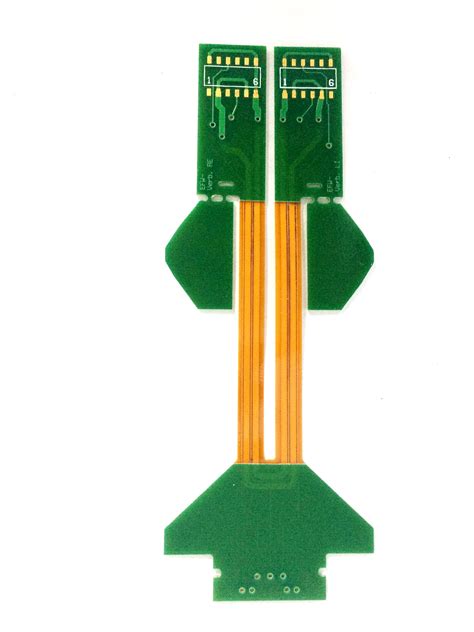
When it comes to designing custom flex PCBs, there are several crucial considerations that can significantly impact the performance and overall success of your project. One of the first aspects to evaluate is the pcb manufacturing process itself; understanding the capabilities and limitations of various pcb manufacturing companies can help you select a partner that aligns with your project’s goals. Cost analysis also plays a vital role; hence, determining the pcb manufacturing cost early on allows for better budgeting and decision-making. Furthermore, you should focus on material choices, as different substrates can offer distinct benefits in terms of flexibility and durability. Additionally, keep in mind factors such as layer count, pad design, and trace width; these elements not only affect functionality but also influence the overall cost associated with your pcb manufacturing business. By prioritizing these key considerations during the development phase, you can create custom flex PCBs that deliver maximum versatility while maintaining efficiency across various applications.
Transforming Connectivity: The Role of Custom Flex PCBs in Complex Projects
When embarking on complex projects, custom flex PCBs serve as a game changer by significantly enhancing interconnectivity and design flexibility. Unlike traditional solutions, these flexible printed circuits allow you to navigate tight spaces and unique configurations that rigid boards simply cannot accommodate. This capability is crucial in sectors such as healthcare, aerospace, and consumer electronics where space efficiency and lightweight designs are paramount. The adaptability of custom flex PCBs not only streamlines your design process but also reduces pcb manufacturing cost, placing them ahead of their rigid counterparts in many applications. This makes them an intelligent choice for those looking to optimize both performance and budget. When collaborating with pcb manufacturing companies, understanding how flexible circuit designs can be integrated into your project can lead to innovative solutions that elevate your product offerings. As you explore various options, consider how the choice of custom flex circuits can ultimately transform your connectivity strategies, offering a pathway to more intricate and effective designs tailored to the demands of modern electronics.
Comparing Rigid and Flexible Circuits: A Guide to Making the Right Choice
When it comes to selecting between rigid and flexible circuits, you need to consider the specific requirements of your project. Rigid PCBs are typically known for their robustness and ability to support complex components but can limit design flexibility. In contrast, custom flex PCBs offer unparalleled adaptability, allowing for intricate shapes and configurations that can easily be integrated into compact spaces. This is particularly beneficial in applications where weight reduction and space efficiency are crucial. The pcb manufacturing process for flexible circuits often involves advanced technologies that enhance design versatility, enabling features that rigid boards simply cannot accommodate. Additionally, while pcb manufacturing companies might present varying costs, the long-term benefits of implementing custom flex PCBs—such as lower overall production costs in high-volume scenarios—become evident as you explore your options. Understanding the nuances between these two circuit types could not only influence your immediate project outcomes but also shape the direction of your pcb manufacturing business moving forward. By carefully evaluating your needs in light of interconnectivity demands, you can make a more informed decision that aligns with both performance goals and budget constraints.
Manufacturing Processes for Custom Flex PCBs: What You Need to Know
When diving into pcb manufacturing for custom flex PCBs, it’s essential to understand the various processes involved that contribute to their uniqueness and performance. The manufacturing process typically begins with the selection of appropriate materials, including polyimide or PET, which are favored for their flexibility and thermal resistance. During fabrication, choosing the right pcb manufacturing company can significantly influence your product quality and turnaround time. Look for companies that utilize advanced techniques like laser cutting and screen printing to ensure precision in every layer of your circuit. It’s also crucial to consider the pcb manufacturing cost, which can fluctuate based on material expenses and complexity of design; incorporating fewer layers may reduce costs while maintaining functionality. The pcb manufacturing business landscape has evolved, so working with a provider who embraces innovation can help you leverage the transformative potential of custom flex PCBs in your projects. This adaptability opens up new avenues in design possibilities, allowing you to effectively tackle complex connectivity challenges that rigid alternatives simply cannot fulfill. Understanding these processes enables you to better navigate the intricacies of flex PCB production and ultimately elevate your electronic designs to meet today’s demanding technological standards.
Future Trends in Custom Flex PCB Solutions and Technology
As technology continues to advance, the custom flex PCB landscape is evolving, presenting exciting opportunities in design and functionality. One significant trend is the integration of smart materials into flexible printed circuits, allowing for enhanced performance and adaptability in various environments. This adaptation not only improves the efficiency of electronic devices but also addresses the growing demand for lightweight and space-saving solutions. In your pursuit of innovation, consider how pcb manufacturing companies are prioritizing sustainability in their processes. Eco-friendly materials and waste-reduction techniques are becoming increasingly common, which can reduce the overall pcb manufacturing cost. Additionally, automation in pcb manufacturing is streamlining production, enabling faster turnaround times while maintaining high quality. Keeping an eye on these trends will be pivotal as you navigate the complexities of your pcb manufacturing business, positioning yourself to leverage the unique advantages that custom flex PCBs can offer for myriad applications across industries. With these advancements, you can anticipate a future where design flexibility not only meets but exceeds traditional limitations, enabling truly innovative products that resonate with a tech-savvy market.
Conclusion
In today’s dynamic electronics landscape, custom flex PCBs stand out as a significant advancement in technology, offering unparalleled versatility and efficiency in design. By choosing flexible solutions, you are not just enhancing your device’s performance; you’re also optimizing the PCB manufacturing process. The ability of flexible printed circuits to fit into challenging spaces allows for unique applications that rigid boards simply cannot accommodate. Understanding the importance of partnering with the right PCB manufacturing companies can help you manage both the design intricacies and the potential PCB manufacturing costs effectively. As you explore this innovative realm, remember that cutting-edge PCB manufacturing business practices also pave the way for future trends and applications that will revolutionize your projects. Embracing these advancements ensures that you remain at the forefront of technology, capable of transforming connectivity in ways previously thought impossible. Your strategic approach to integrating custom flex PCBs will ultimately define your project’s success and lead to groundbreaking outcomes in modern electronics.
FAQs
What is the significance of using Custom Flex PCBs in your designs?
Custom Flex PCBs provide unparalleled versatility, allowing you to create intricate layouts that traditional rigid boards cannot accommodate. This flexibility enables you to design lighter and more compact devices, essential for modern electronics.
How do Custom Flex PCBs compare to traditional rigid PCBs?
In terms of pcb manufacturing, custom flex PCBs stand out by offering enhanced adaptability. Their ability to bend and fold means they can fit into unique spaces without compromising functionality, unlike rigid boards that may pose limitations.
What are the key considerations when developing Custom Flex PCBs?
When engaging with pcb manufacturing companies, you need to consider factors such as the intended application, material selection, and pcb manufacturing cost. Prioritizing these aspects can significantly enhance efficiency and performance in your project.
How can I estimate the cost of Custom Flex PCB manufacturing?
The pcb manufacturing cost for custom flex designs typically ranges based on complexity, materials used, and volume. Engaging with reputable pcb manufacturing companies can provide you with detailed quotes that reflect your project’s specific requirements.