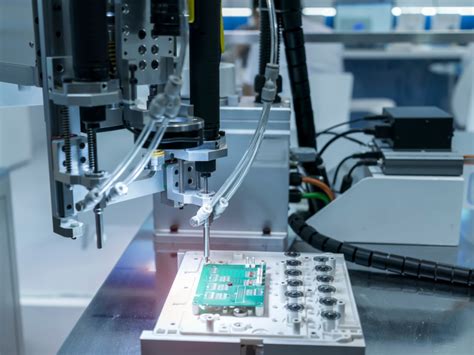
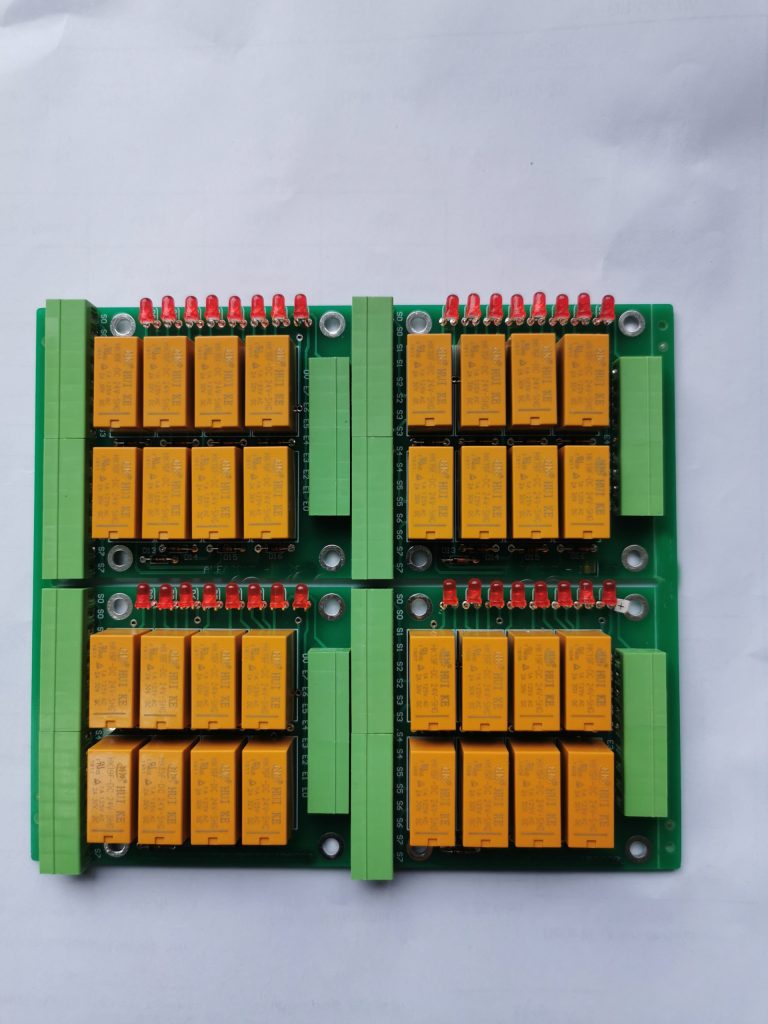
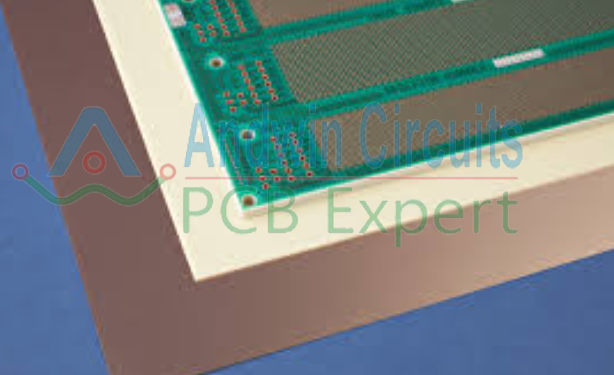
Custom high density rogers pcb circuits board
Advantages Of Custom High Density Rogers PCB Circuits In Modern Electronics
Custom high-density Rogers PCB circuits have become a cornerstone in the advancement of modern electronics, offering a multitude of advantages that cater to the ever-evolving demands of technology.
As electronic devices continue to shrink in size while increasing in functionality, the need for efficient and reliable circuit boards has never been more critical. Rogers PCBs, known for their superior performance in high-frequency applications, provide a robust solution that meets these stringent requirements.
One of the primary advantages of custom high-density Rogers PCB circuits is their exceptional thermal management capabilities.
In high-frequency applications, managing heat dissipation is crucial to maintaining the performance and longevity of electronic components. Rogers materials are engineered to have low dielectric loss and excellent thermal conductivity, which ensures that heat is effectively dissipated. This characteristic is particularly beneficial in applications such as RF and microwave circuits, where maintaining signal integrity is paramount.
Moreover, the customization aspect of Rogers PCBs allows for tailored solutions that meet specific design requirements.
This flexibility is invaluable in industries such as aerospace, telecommunications, and medical devices, where unique specifications are often necessary. By customizing the PCB layout and material properties, engineers can optimize the performance of the circuit board to suit the particular needs of the application. This level of customization not only enhances the functionality of the device but also contributes to its overall reliability and efficiency.
In addition to thermal management and customization, high-density Rogers PCBs offer superior electrical performance.
The materials used in these PCBs have a low dielectric constant and low signal loss, which are critical for high-speed and high-frequency applications. This ensures that signals are transmitted with minimal distortion, thereby improving the overall performance of the electronic device. Furthermore, the high-density nature of these PCBs allows for more components to be integrated into a smaller area, which is essential for the miniaturization of electronic devices.
Another significant advantage of using Rogers PCBs is their durability and resistance to environmental factors.
These circuit boards are designed to withstand harsh conditions, including extreme temperatures and humidity, making them ideal for use in challenging environments. This durability ensures that the electronic devices remain operational and reliable over extended periods, reducing the need for frequent maintenance and replacements.
The integration of custom high-density Rogers PCB circuits also contributes to cost-effectiveness in the long run.
Although the initial investment may be higher compared to traditional PCBs, the enhanced performance, reliability, and longevity of Rogers PCBs result in lower overall costs. This is particularly important in industries where downtime and maintenance can lead to significant financial losses.
In conclusion, the advantages of custom high-density Rogers PCB circuits in modern electronics are manifold.
Their superior thermal management, electrical performance, customization capabilities, and durability make them an ideal choice for a wide range of applications. As technology continues to advance, the demand for efficient and reliable circuit boards will only increase, solidifying the role of Rogers PCBs as a critical component in the development of cutting-edge electronic devices. By leveraging these benefits, industries can ensure that their products remain competitive and meet the ever-growing expectations of consumers and businesses alike.
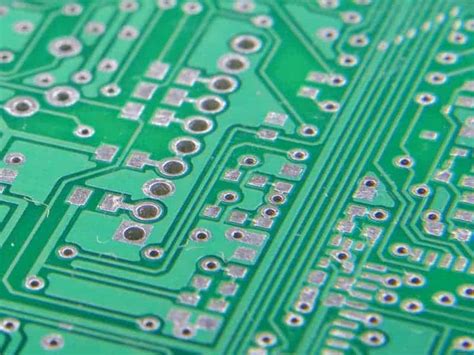
Design Considerations For High Density Rogers PCB Circuits
When designing high-density Rogers PCB circuits, several critical considerations must be taken into account to ensure optimal performance and reliability. Rogers PCBs are renowned for their superior electrical properties, making them ideal for high-frequency applications. However, the complexity of high-density designs necessitates a meticulous approach to various design elements, including material selection, signal integrity, thermal management, and manufacturability.
To begin with, the choice of substrate material is paramount in high-density Rogers PCB designs.
Rogers materials are preferred for their low dielectric constant and low loss tangent, which are essential for maintaining signal integrity at high frequencies. These materials offer a stable dielectric constant over a wide frequency range, which minimizes signal distortion and ensures consistent performance. Additionally, the low loss tangent reduces signal attenuation, which is crucial for maintaining signal strength over long distances. Therefore, selecting the appropriate Rogers material that aligns with the specific frequency requirements of the application is a fundamental step in the design process.
Transitioning to signal integrity, it is imperative to consider the layout and routing of traces on the PCB.
High-density designs often involve closely spaced traces, which can lead to crosstalk and electromagnetic interference (EMI) if not properly managed. To mitigate these issues, designers should employ techniques such as controlled impedance routing, differential signaling, and the use of ground planes.
Controlled impedance routing ensures that the characteristic impedance of the traces matches the impedance of the connected components, thereby minimizing reflections and signal loss.
Differential signaling, on the other hand, helps reduce EMI by using pairs of traces to carry signals in opposite phases, effectively canceling out noise. Ground planes provide a return path for signals and help shield sensitive traces from external interference.
In addition to signal integrity, thermal management is another critical consideration in high-density Rogers PCB designs.
As the density of components increases, so does the potential for heat generation, which can adversely affect the performance and longevity of the PCB. Effective thermal management strategies include the use of thermal vias, heat sinks, and thermal interface materials. Thermal vias are plated holes that facilitate the transfer of heat from the surface of the PCB to the inner layers or to an external heat sink. Heat sinks are attached to components that generate significant heat, dissipating it into the surrounding environment. Thermal interface materials, such as thermal pads or pastes, enhance the thermal conductivity between components and heat sinks, ensuring efficient heat transfer.
Finally, manufacturability is a crucial aspect that must not be overlooked in high-density Rogers PCB designs.
The complexity of these designs can pose challenges during the manufacturing process, potentially leading to defects or increased production costs. To address these challenges, designers should collaborate closely with manufacturers to ensure that the design is optimized for fabrication. This includes adhering to design for manufacturability (DFM) guidelines, which encompass aspects such as minimum trace width and spacing, via sizes, and layer stack-up. By considering manufacturability early in the design process, potential issues can be identified and addressed, resulting in a more efficient and cost-effective production process.
In conclusion, designing high-density Rogers PCB circuits requires a comprehensive approach that addresses material selection, signal integrity, thermal management, and manufacturability. By carefully considering these factors, designers can create PCBs that meet the demanding requirements of high-frequency applications while ensuring reliability and performance.

Manufacturing Challenges In Custom High Density Rogers PCB Circuits
The manufacturing of custom high-density Rogers PCB (Printed Circuit Board) circuits presents a unique set of challenges that require specialized knowledge and precision. As the demand for more compact and efficient electronic devices continues to grow, the need for high-density PCBs has become increasingly critical.
Rogers PCBs, known for their superior performance in high-frequency applications, are particularly favored in industries such as telecommunications, aerospace, and defense. However, the process of manufacturing these advanced circuit boards is fraught with complexities that must be meticulously managed to ensure optimal functionality and reliability.
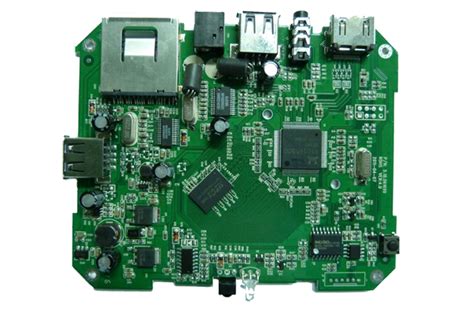
One of the primary challenges in manufacturing custom high-density Rogers PCBs is the precise handling of materials
Rogers materials, unlike traditional FR-4 substrates, possess unique dielectric properties that make them ideal for high-frequency applications. However, these materials are also more sensitive to environmental factors such as temperature and humidity.
Therefore, maintaining a controlled manufacturing environment is crucial to prevent any adverse effects on the material properties, which could compromise the performance of the final product. Additionally, the lamination process must be carefully controlled to avoid any warping or distortion, which can be particularly challenging given the thinness and flexibility of Rogers materials.
Another significant challenge is the intricate design and layout required for high-density PCBs.
As devices become more compact, the need to fit more components into a smaller area increases. This necessitates a highly detailed and precise design process, where even the slightest error can lead to significant issues in the final product. Advanced computer-aided design (CAD) software is often employed to create these complex layouts, but the transition from digital design to physical board can still present difficulties. Ensuring that the design is accurately translated into the manufacturing process requires close collaboration between design engineers and manufacturing technicians.
Furthermore, the drilling and plating processes in high-density Rogers PCB manufacturing are particularly demanding.
The need for smaller vias and tighter tolerances means that traditional drilling techniques may not be sufficient. Laser drilling is often used to achieve the necessary precision, but this technology requires significant investment and expertise. Additionally, the plating process must be carefully controlled to ensure uniformity and reliability, as any inconsistencies can lead to failures in the field.
Testing and quality assurance also pose challenges in the manufacturing of custom high-density Rogers PCBs.
Given the critical applications in which these boards are often used, rigorous testing is essential to ensure that they meet the required specifications and standards. This involves not only electrical testing but also environmental and mechanical testing to simulate the conditions the boards will face in real-world applications. The complexity of these tests, combined with the high stakes of potential failures, makes quality assurance a particularly demanding aspect of the manufacturing process.
In conclusion, the manufacturing of custom high-density Rogers PCB circuits is a complex and challenging endeavor that requires a high level of expertise and precision. From material handling and design to drilling, plating, and testing, each step of the process presents its own set of challenges that must be carefully managed to ensure the production of reliable and high-performing circuit boards. As technology continues to advance and the demand for high-density PCBs grows, manufacturers must continue to innovate and refine their processes to meet the evolving needs of the industry.
Applications Of High Density Rogers PCB Circuits In Advanced Technologies
High density Rogers PCB circuits have become a cornerstone in the development of advanced technologies, offering unparalleled performance and reliability. These circuit boards are renowned for their exceptional electrical properties, which make them ideal for a wide range of applications in cutting-edge fields. As technology continues to evolve, the demand for high-performance materials like Rogers PCBs has surged, driven by the need for faster, more efficient, and more reliable electronic devices.
One of the primary applications of high density Rogers PCB circuits is in the telecommunications industry.
With the advent of 5G technology, there is an increasing need for circuit boards that can handle high-frequency signals with minimal loss. Rogers PCBs are particularly well-suited for this purpose due to their low dielectric constant and low signal loss characteristics. These properties enable the efficient transmission of high-frequency signals, which is crucial for the seamless operation of 5G networks. As a result, telecommunications companies are increasingly incorporating Rogers PCBs into their infrastructure to ensure optimal performance and reliability.
In addition to telecommunications, high density Rogers PCB circuits are also extensively used in the aerospace and defense sectors.
The demanding environments in which aerospace and defense systems operate require materials that can withstand extreme conditions while maintaining high performance. Rogers PCBs offer excellent thermal stability and mechanical strength, making them ideal for use in applications such as radar systems, satellite communications, and avionics. Their ability to maintain performance under high temperatures and pressures ensures that critical systems remain operational, even in the most challenging environments.
Moreover, the automotive industry has also recognized the benefits of high density Rogers PCB circuits, particularly in the development of advanced driver-assistance systems (ADAS) and electric vehicles (EVs).
As vehicles become more technologically advanced, the need for reliable and efficient electronic systems has become paramount. Rogers PCBs provide the necessary performance characteristics to support the complex electronic systems found in modern vehicles. Their high thermal conductivity and low signal loss are particularly beneficial in managing the heat generated by high-power components, ensuring the longevity and reliability of automotive electronics.
Furthermore, the medical field has seen significant advancements through the use of high density Rogers PCB circuits.
Medical devices, such as imaging equipment and diagnostic tools, require precise and reliable electronic components to function effectively. Rogers PCBs offer the high-frequency performance and stability needed for these applications, enabling the development of more accurate and efficient medical technologies. As the demand for advanced medical devices continues to grow, the role of Rogers PCBs in this sector is expected to expand further.
In conclusion, the applications of high density Rogers PCB circuits in advanced technologies are vast and varied, spanning industries such as telecommunications, aerospace, defense, automotive, and healthcare. Their unique properties, including low dielectric constant, low signal loss, and excellent thermal stability, make them indispensable in the development of high-performance electronic systems. As technology continues to advance, the demand for Rogers PCBs is likely to increase, driving further innovation and development in these critical sectors. The versatility and reliability of Rogers PCBs ensure that they will remain a key component in the evolution of advanced technologies for years to come.