Custom PCB Assembly: A Guide to Efficient Design and Production
Key Takeaways
When considering custom PCB assembly (PCBA), there are several key points that can significantly impact both design efficiency and manufacturing quality. First, understanding the fundamentals of PCB assembly is crucial for optimizing the workflow. Familiarity with key design principles helps in mitigating common mistakes and enhancing the functionality of the final product. Additionally, incorporating the right set of essential tools and materials can streamline operations and ensure that quality is maintained throughout each stage of production.
Furthermore, embracing best practices for quality assurance plays a vital role in minimizing errors in both design and assembly processes. Identifying common challenges early on allows for timely interventions, thus improving overall project outcomes. Finally, it’s essential to stay abreast of future trends in PCB assembly technology, as these developments can provide opportunities for innovation and efficiency.
In summary, focusing on these areas helps professionals and enthusiasts alike to achieve excellence in PCBA, ensuring successful outcomes for their electronic projects.
Introduction to Custom PCB Assembly
Custom PCB assembly (PCBA) is a vital component in the realm of electronics, enabling the creation of tailored solutions for a variety of applications. This process not only involves the production of printed circuit boards but also encompasses the arrangement and integration of electronic components to meet specific functional requirements. Understanding the essentials of PCBA ensures that designers and manufacturers can optimize their workflows, leading to superior product quality and efficiency.
One key aspect that guides successful PCB assembly is the emphasis on meticulous design principles. Effective design serves as the backbone of any assembly project, ensuring that all elements work harmoniously together. A well-structured approach during this phase reduces errors and production delays later on. The selection of appropriate materials and tools is equally crucial; opting for high-quality components significantly enhances the reliability and performance of the final product.
Moreover, staying informed about emerging technologies in PCB assembly can provide companies with an edge in a competitive landscape. The combination of traditional practices with innovative techniques allows for better scalability and adaptability within processes.
“Prioritizing design clarity not only streamlines production but also elevates overall quality.”
Incorporating feedback loops throughout the assembly process can lead to continuous improvements, ensuring that any challenges are swiftly identified and addressed. After all, the journey from concept to completion hinges on robust assembly practices that embrace flexibility and precision.
| Principle | Description |
|---|---|
| Design Consistency | Ensures uniformity in layouts to avoid discrepancies |
| Component Selection | High-quality components enhance durability and performance |
| Quality Control Measures | Regular checks reduce defects during assembly |
In conclusion, understanding custom PCB assembly is essential for creating high-quality electronic products tailored to diverse needs. By focusing on effective design strategies, selecting suitable materials, and embracing best practices, manufacturers can elevate their offerings in an increasingly complex market.
Key Design Principles for PCB Manufacturing
Effective PCB assembly relies heavily on adherence to key design principles that ensure both functionality and manufacturability. One fundamental principle is the importance of a thoughtful layout. A well-structured layout not only optimizes the use of space but also minimizes signal interference. When designing a PCBA, it is crucial to consider component placement; components should be arranged to enhance performance and simplify the soldering process.
Another important aspect is thermal management. As electronic components generate heat, thoughtful design can prevent overheating and ensure reliability. Choosing the right materials, such as effective heat sinks or thermal vias, can greatly aid in dissipating heat efficiently.
Furthermore, following the guidelines of the design rules can significantly impact yield rates during production. For example, maintaining appropriate trace widths and spacing reduces the risk of manufacturing defects, ensuring that the pcb assembly process runs smoothly.
In addition, incorporating test points into your design facilitates easier testing and debugging during both assembly and later usage. This proactive approach helps catch potential issues early in production, saving time and resources.
Lastly, anticipating future revisions or upgrades in your design can save additional costs later on. By planning for modularity and flexibility within your PCBA, you can adapt to new technologies or market demands without complete redesigns.
Overall, embracing these principles will help streamline the entire PCB assembly process, contribute to higher product quality, and ultimately lead to more successful electronic products.
Essential Tools and Materials for Custom PCB Assembly
When embarking on a project involving custom PCB assembly (or PCBA), selecting the right tools and materials is paramount to achieving optimal results. First and foremost, a reliable soldering station is essential for ensuring strong connections between components. A quality solder, often made from a combination of tin and lead, or lead-free alternatives, is equally important to maintain the integrity of the pcb assembly. In addition to soldering equipment, having an assortment of hand tools, such as wire strippers, tweezers, and pliers, facilitates precise handling of tiny components that are often used in advanced circuit designs.
Moreover, one cannot underestimate the value of proper workspace organization, which can significantly enhance efficiency during the assembly process. Materials such as printed circuit boards (PCBs) themselves must be carefully chosen based on the specific electrical requirements and environmental considerations of the project. For instance, materials with higher thermal conductivity might be necessary for heat-sensitive applications.
To guarantee an effective workflow in your custom PCBA project, investing in a quality multimeter for testing connections post-assembly is crucial. This ensures that each part functions correctly before integrating them into larger systems. Finally, utilizing appropriate software tools for design—such as schematic capture and layout programs—can streamline the initial stages of production, paving the way for a smoother assembly process. By selecting adequate tools and materials tailored to your project’s needs, you set a solid foundation for successful pcb assembly, ultimately enhancing the overall quality of your electronic products.
Step-by-Step Production Techniques
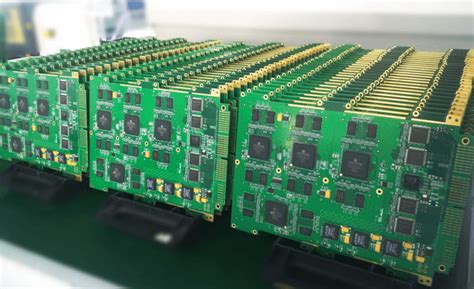
When it comes to custom PCB assembly (PCBA), adhering to a structured production process is crucial for achieving high-quality results. The first step is to ensure that the design files are verified and finalized before beginning the assembly. This verification prevents costly errors and streamlines the workflow. Next, careful selection of materials and components is vital; using reliable suppliers ensures that you have high-quality parts that meet your specifications.
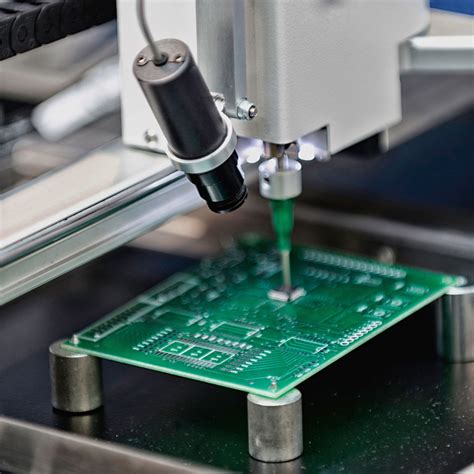
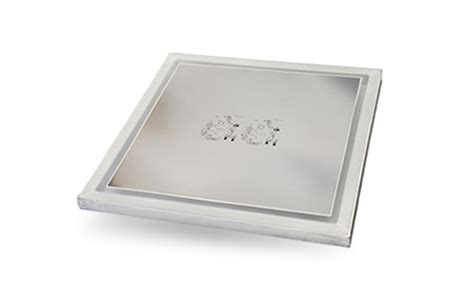
Once you have gathered all necessary materials, the production can advance to the next stage: solder paste application. This process can be performed manually or through a stencil, depending on the complexity and volume of the assembly. Following this, accurately placing components on the PCB using a placement machine or by hand will set the stage for effective soldering.
The next critical phase involves reflow soldering, which solidifies connections between components and the PCB. This should be monitored closely to ensure optimal temperatures are maintained, preventing damage to sensitive parts. After soldering, it is advisable to conduct thorough inspections through techniques like X-ray analysis or visual inspection to validate that all connections are solid and free of defects.
Finally, any required cleaning or conformal coating can enhance durability and prevent environmental factors from affecting performance. By adhering to these step-by-step production techniques in PCB assembly, manufacturers can significantly improve both efficiency and product quality while minimizing challenges along the way.

Best Practices for Quality Assurance in PCB Assembly
Ensuring top-notch quality in PCB assembly is paramount for the production of reliable electronic products. Adopting best practices throughout the PCBA process can significantly reduce defects and enhance overall performance. First and foremost, implementing a robust design-for-manufacturing (DFM) approach can preemptively address potential issues during assembly. This involves thorough simulation and testing during the design phase to ensure that all components fit and function as intended.
Next, regular training and certification for assembly line staff play a critical role in maintaining quality. Employees should be proficient in the latest PCB assembly techniques and standards, thus minimizing human error. Furthermore, incorporating automated inspection systems can aid in real-time quality checks, identifying defects that might be missed by the naked eye.
Another vital aspect is maintaining stringent control over materials. Sourcing high-quality components from reputable suppliers ensures that each element of the PCBA is reliable, reducing the likelihood of failures down the line. Additionally, establishing a clear traceability system allows manufacturers to track components throughout production, facilitating quicker responses to potential issues.
Finally, feedback loops with testing stages must be integrated into the workflow for continuous improvement. Post-assembly testing stages such as functional tests and stress tests are essential to verify that the final product meets its performance specifications. Emphasizing these best practices will not only enhance product reliability but also foster greater customer satisfaction in an increasingly competitive market.
Common Challenges and Solutions in PCB Design
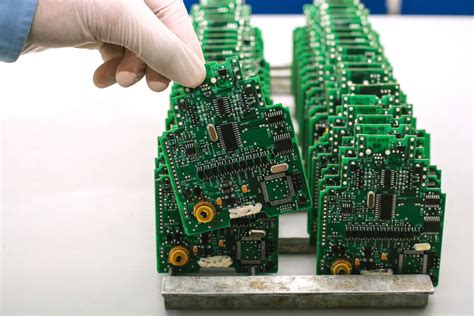
In the realm of custom PCB assembly (PCBA), several challenges frequently arise during the design process, often impacting the efficiency of production and overall product quality. One common challenge is layout density, where the limited space of a PCB can lead to complications in component placement. This can result in heat dissipation issues or signal integrity problems. An effective solution is employing advanced design tools that facilitate auto-router functionalities, which optimize component placement and minimize trace lengths, ultimately enhancing performance.
Another prevalent issue is design-for-manufacturing (DFM) compliance. It’s essential to ensure that designs are not only functional but also manufacturable with existing capabilities. Collaborating with experienced manufacturers during the design phase can mitigate this risk, enabling designers to incorporate feedback on assembly constraints and production capabilities from the outset.
Moreover, managing the supply chain for components can present challenges, particularly with component shortages or long lead times affecting project timelines. Building strong relationships with suppliers and maintaining a ready inventory of critical components can alleviate these pressures, ensuring that production schedules remain on track.
Lastly, balancing cost efficiency while maintaining high-quality standards is a critical yet intricate challenge in PCBA projects. Implementing best practices such as thorough testing protocols and quality assurance checks can help strike this balance effectively. By identifying potential issues early in the process and rectifying them promptly, manufacturers can enhance both reliability and cost-effectiveness in their custom PCB assembly operations.
Case Studies: Successful Custom PCB Projects
Examining real-world examples of custom PCB assembly can provide invaluable insights into effective design and production strategies. One notable case involves a tech startup that developed an innovative wearable device. They employed PCB assembly techniques that emphasized compactness and durability, allowing for a lightweight yet resilient product. By collaborating closely with their PCBA provider, they ensured that every layer of the board was meticulously designed to accommodate a variety of sensors while maintaining an aesthetically pleasing profile.
Another interesting case study is a company specializing in medical devices, which faced stringent regulatory requirements. They turned to custom PCB assembly to create a complex circuit that integrated several functionalities while adhering to safety standards. The design phase was particularly crucial; the team made use of simulation software to predict performance under various conditions, ultimately leading to a high-quality prototype that passed all necessary tests.
Through these examples, it’s clear that successful pcba projects stem from paying careful attention to the design and production processes. Focusing on collaboration with experienced manufacturing partners can significantly enhance the efficiency of both workflow and output quality, leading to the creation of products that not only meet but exceed market expectations. Ultimately, these case studies underscore the importance of innovative strategies in driving progress within the realm of custom PCB assembly.
Future Trends in PCB Assembly Technology
As the world of electronics continues to evolve, custom PCB assembly (PCBA) techniques are also advancing at a rapid pace. One of the most significant trends is the integration of automation and robotics in pcb assembly processes. This shift not only enhances production speed but also minimizes human error, thereby improving overall quality. Another key trend is the adoption of advanced materials, such as flexible substrates and high-frequency laminates, which enable the creation of more sophisticated and compact designs. Additionally, the Internet of Things (IoT) is driving demand for smaller, more efficient pcba solutions. This means that companies must focus on designing smart assemblies that can communicate with one another while maintaining functionality in small spaces.
Sustainability is also becoming a priority in pcb assembly practices. Manufacturers are increasingly exploring eco-friendly materials and processes that reduce waste and energy consumption. Furthermore, innovations such as 3D printing are beginning to alter traditional pcb assembly workflows, allowing for rapid prototyping and reduced lead times. Emphasizing cost-effectiveness alongside these cutting-edge developments will be crucial for businesses looking to stay competitive in this digital age.
As we move forward, companies that embrace these trends will likely see enhanced efficiency and improved product offerings in the ever-changing landscape of custom PCB assembly.Adaptability will be key, as organizations must continuously refine their approaches to meet evolving consumer demands while maintaining high-quality standards in production.
Conclusion
In summary, understanding the nuances of custom PCB assembly (or PCBA) is crucial for those seeking to optimize their electronic products. Throughout this guide, we have explored various aspects of pcba, from the foundational principles of design to production techniques that facilitate efficiency. The key design principles emphasize the importance of precise specifications and layout considerations to ensure that the pcb assembly process is smooth and effective. Furthermore, being equipped with the right tools and materials enhances not only production speed but also overall project quality.
Adopting best practices for quality assurance plays a pivotal role in minimizing errors and meeting industry standards. By recognizing common challenges and applying innovative solutions, engineers can navigate potential pitfalls in the design phase effectively. Additionally, case studies that demonstrate successful pcba projects offer real-world insights into effective strategies that can be replicated.
As technology evolves, staying informed about future trends in PCB assembly technology will prepare manufacturers for upcoming shifts in the market. By integrating these insights into your workflow, you can enhance both productivity and product reliability in your electronic endeavors. Understanding these elements allows for a robust foundation in creating high-quality custom PCB assemblies, ultimately leading to more successful outcomes in your projects.
FAQs
What is PCB assembly?
PCB assembly (PCBA) is the process of connecting electronic components to a printed circuit board. This involves soldering components such as resistors, capacitors, and microchips to create a functional electronic device.
What are the different types of PCB assembly?
There are mainly two types of PCB assembly: surface mount technology (SMT) and through-hole technology (THT). SMT offers a more compact design, while THT is often used for larger components that require greater mechanical strength.
What materials are needed for custom PCB assembly?
Essential materials for custom pcb assembly include the printed circuit board itself, solder (either lead-based or lead-free), electronic components, and sometimes additional materials like solder paste and flux.
How can I ensure quality in PCB assembly?
To ensure quality in pcba, implement stringent testing methodologies such as automated optical inspection (AOI) and functional testing. These methods help identify any defects early in the production process.
What are common challenges faced during PCB design?
Common challenges include space limitations on the board, signal integrity issues, thermal management, and component layout optimization. Addressing these challenges can significantly improve the efficiency of your PCB assembly.