Custom PCB Printing Solutions for Your Electronic Projects
Key Takeaways
Understanding the essentials of custom PCB printing can significantly elevate your electronic projects, whether you’re an enthusiast or a professional in the field. One of the most crucial aspects is the relationship between PCB manufacturing cost, quality, and reliability. Several PCB manufacturing companies offer a variety of solutions that can cater to your specific needs, making it vital to explore your options thoroughly.
When considering a PCB manufacturing business, you should assess factors such as lead times, flexibility in design alterations, and their ability to meet quality standards. Engaging in a detailed dialogue with manufacturers about their processes allows you to uncover which materials and techniques best suit your project requirements. This foundational knowledge not only helps streamline your design process but also aligns your project goals with what the market offers.
Below is a simple table summarizing key considerations when selecting a PCB manufacturer:
| Criteria | Consideration |
|---|---|
| Quality Assurance | Certifications (ISO, IPC) and testing procedures |
| Cost Efficiency | Comparison of pricing models among different companies |
| Turnaround Time | Average lead time and flexibility for rush orders |
| Design Support | Available resources for design optimization and troubleshooting |
| Customer Reviews | Feedback from previous clients regarding reliability |
Utilizing this information can enhance your understanding of the PCB landscape and help you make informed decisions that contribute to the success of your electronic projects. As you navigate through various suppliers, remember that investing time in research can yield significant benefits for adopting high-quality practices in your work.

Introduction to Custom PCB Printing
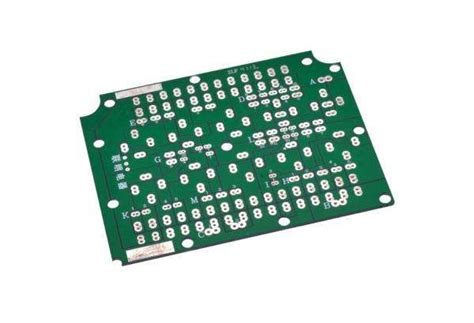
Custom PCB printing is a pivotal element in the realm of electronics, enabling you to bring your innovative ideas to life. Whether you’re a hobbyist or part of a larger pcb manufacturing operation, understanding the nuances of this process can significantly impact the success of your electronic projects. By choosing to invest in custom PCB printing solutions, you gain access to tailored designs that meet your specific requirements, allowing for enhanced creativity and functionality. Engaging with various pcb manufacturing companies can help you navigate through the complexities associated with design and production, ensuring that your projects are not only feasible but also high in quality.
When considering the pcb manufacturing cost, it’s essential to balance quality and affordability, as this can affect overall project budgets. By collaborating closely with manufacturers, you can discover strategies that optimize both aspects, ultimately benefiting your business. Furthermore, developing a comprehensive understanding of the materials and processes involved in custom PCB printing is crucial; this knowledge empowers you to make informed decisions that will influence the final product significantly. As you delve deeper into the intricacies of custom PCB creation, you’ll find that it opens doors to a world of possibilities for accomplishing your design objectives while addressing any arising challenges effectively.
Benefits of Custom PCB Printing for Electronic Projects
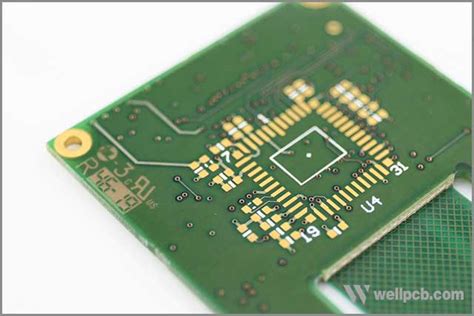
When embarking on electronic projects, the advantages of custom PCB printing cannot be overstated. By utilizing tailored solutions, you can significantly enhance the functionality and reliability of your circuits. One of the primary benefits is that custom PCBs are designed to meet your specific requirements, ensuring that the layout and components are perfectly suited for your project. This directly impacts production costs and efficiency, making it essential to consider pcb manufacturing as a key aspect of your development process.
Moreover, partnering with reputable pcb manufacturing companies allows for greater flexibility in terms of design adjustments and rapid prototyping. This adaptability is crucial, as it enables you to iterate on designs swiftly while maintaining quality control. Additionally, while producing custom printed circuit boards can involve higher upfront costs compared to standard models, the long-term savings in assembly times and reduced errors can make the pcb manufacturing cost justifiable.
Understanding the importance of a well-structured pcb manufacturing business helps you navigate through various options available in the market today. By focusing on custom solutions, you will ultimately create products that are not only innovative but also competitive in terms of performance and reliability. In this ever-evolving technological landscape, investing in custom PCB printing is a strategic choice that pays off by enhancing your project’s overall success.
The PCB Design Process: From Concept to Creation
The journey of designing your own printed circuit boards (PCBs) begins with a clear concept that outlines the functionality and purpose of the circuit. As you transition from this initial idea into the PCB manufacturing phase, you need to consider several key factors that will influence both the design and the overall PCB manufacturing cost. You should conduct thorough research on various PCB manufacturing companies to identify those that specialize in your project requirements, ensuring they have a solid reputation for quality and reliability.
During the design process, it’s essential to create detailed schematics and layouts, which not only help visualize your circuit but also serve as critical documentation for later stages. At this point, familiarize yourself with different software tools available for PCB design; these tools often include features that assist in optimizing your layout for manufacturability. When you’re ready to move into production, align your design specifications with the capabilities of your selected PCB manufacturing business. Understanding their technologies—including various materials and techniques used—will help you make informed decisions that enhance the quality of your final product.
Furthermore, be aware of common challenges that arise during PCB design and manufacturing. Issues like signal integrity, component placement, and thermal management can significantly impact performance. By proactively addressing these challenges in your design phase, you can streamline communication with manufacturers and reduce potential delays or added costs during production. Ultimately, maintaining an iterative approach throughout this process will empower you to refine your designs continually while leveraging insights gained from each iteration to enhance future projects. This methodical approach is key in crafting high-quality PCBs tailored to achieve exceptional performance in your electronic applications.

Materials and Techniques Used in Custom PCB Printing
When venturing into custom PCB printing, understanding the materials and techniques involved is essential for achieving high-quality results. The choice of materials directly impacts the performance and durability of your printed circuit boards. For instance, using FR-4 as a substrate is common due to its excellent electrical insulation properties and mechanical strength. Additionally, there are various types of copper cladding that can be selected according to the specific heat dissipation needs of your project.
In terms of techniques, the process begins with PCB manufacturing methods that include screen printing, photoengraving, and milling. Screen printing is widely used for applying solder masks and legends, whereas photoengraving offers precision in creating intricate designs on PCBs. Techniques such as multilayer PCB fabrication allow you to combine multiple layers into a single board, significantly reducing size and weight without sacrificing functionality.
Moreover, you should consider collaborating with reputable PCB manufacturing companies that employ advanced technologies such as laser drilling for vias, which enhances reliability in connections. While selecting a manufacturer, it is important to evaluate the overall PCB manufacturing cost, including factors like lead time and material costs that could influence your project’s budget.
The ongoing advancements in the PCB manufacturing business landscape mean staying updated on emerging materials like organic substrates or hybrids that integrate flex capabilities can be beneficial. This could lead to innovations in your designs while ensuring compliance with industry standards. By keeping these considerations in mind, you can take significant strides toward creating effective custom PCBs tailored to your project’s unique requirements.
Quality Assurance and Testing for Your PCBs
Ensuring the highest standards of quality assurance and testing for your PCBs is crucial in the pcb manufacturing process. Understanding the typical checks that are conducted can significantly enhance the reliability of your products. Initially, it’s vital to conduct thorough inspections throughout the entire pcb manufacturing business lifecycle—this ranges from verifying the initial designs to testing the final products. Common practices include automated optical inspection (AOI) which checks for visual defects, and electrical testing to ensure functionality aligns with specifications. Moreover, utilizing specialized pcb manufacturing companies often comes with advanced techniques and rigorous testing methods, helping you maintain industry standards.
To manage pcb manufacturing costs, you should integrate a testing phase early in your design process. This proactive approach not only saves time and resources but also mitigates risks associated with faulty components. Regular performance evaluations throughout production can lead to immediate identification of potential defects, allowing for quick corrective actions. Ultimately, prioritizing robust quality assurance practices will enhance your final product’s reliability, reduce costs associated with defects, and improve customer satisfaction—key components in sustaining a competitive edge in today’s marketplace.
Design Tips for High-Quality Printed Circuit Boards
Designing high-quality printed circuit boards (PCBs) is crucial for achieving the best performance in your electronic projects. When beginning your PCB manufacturing journey, it’s essential to consider several key factors that can influence the outcome significantly. Firstly, ensure that your design adheres to industry standards to facilitate smoother production processes, which helps in reducing the PCB manufacturing cost. Utilize appropriate software tools for layout; these can help prevent common errors in your designs. Additionally, pay close attention to trace widths and spacing based on the current requirements of each component.
Incorporate robust design rules and utilize PCB manufacturing companies that offer comprehensive design review services; this can catch potential issues before moving into production. It’s equally important to evaluate the selection of materials early on since the quality of materials directly affects not only durability and longevity but also the performance of your circuit boards. Moreover, consider using simulation tools to test and validate your designs before moving forward; this step can uncover faults that might arise from thermal or electrical constraints. Keep in mind that investing time in a well-thought-out design significantly pays off in terms of reliability and functionality, making your pcb manufacturing business more efficient overall. By following these tips, you’ll be well-equipped to create durable and effective printed circuit boards tailored specifically for your needs.
Common Challenges in Custom PCB Printing and Solutions
When embarking on custom PCB printing, you may encounter a variety of challenges that can impact the overall success of your projects. One common issue is the pcb manufacturing cost, which can escalate if not managed properly. It’s crucial to plan your budget carefully and choose pcb manufacturing companies that offer competitive pricing without compromising on quality. Another challenge relates to the complexity of design specifications that need to be closely followed during the manufacturing process. To tackle this, you should ensure clear communication with your pcb manufacturing business to align on design intentions and expected outcomes.
Another challenge is achieving consistency in quality across batches, which can lead to reliability issues. To address this, consider implementing stringent quality assurance practices during the printing process and conduct thorough testing before deployment. Furthermore, the choice of materials can affect both durability and performance of the printed circuit boards; thus, it’s essential to evaluate different options wisely. Engaging with professionals who have experience in navigating these challenges will also be beneficial as they can provide insight into effective solutions tailored for your specific needs.
By understanding these common hurdles and actively seeking solutions, you can significantly enhance the productivity of your electronic projects while ensuring that your custom PCBs meet high standards of quality and reliability.
Future Trends in Custom PCB Technology
As the pcb manufacturing landscape evolves, staying ahead of the curve is essential for your electronic projects. An increasing reliance on miniaturization and smart technology is pushing pcb manufacturing companies to innovate continuously. Emerging trends indicate a shift toward more sustainable practices, such as the use of eco-friendly materials and minimizing waste in the pcb manufacturing cost process. With advancements in technology, you can expect faster prototyping methods and enhanced automation that significantly reduce turnaround times. Additionally, integrating IoT capabilities into PCBs is becoming more common, allowing for greater connectivity and functionality within devices. This significant transformation means that your designs can incorporate smarter features that resonate with modern consumer needs.
“Embrace innovations in PCB technology to enhance functionality while keeping costs in check.”
As you delve deeper into the pcb manufacturing business, understanding these trends will enable you to make informed choices that enhance both performance and reliability. Staying updated with these advancements will not only benefit your current projects but also position you favorably for future opportunities in this dynamic field.
Conclusion
In summary, when embarking on your journey in custom PCB printing, it’s essential to recognize the intricacies involved in PCB manufacturing. Understanding the differences among various PCB manufacturing companies can help you select a partner that aligns with your project requirements. Each company has its own strengths and pricing structures, which can impact the overall PCB manufacturing cost. A well-informed decision can elevate the quality of your electronic projects while minimizing costs and reducing production time. Moreover, as you strategize for your PCB manufacturing business, considering trends such as automation and eco-friendly materials may yield competitive advantages in an evolving marketplace. Whether you are a hobbyist or a professional engineer, embracing these aspects will undoubtedly contribute to the success of your projects, ensuring that your printed circuit boards are not only reliable but also of superior quality tailored to meet your specific objectives.
FAQs
What is custom PCB printing?
Custom PCB printing refers to the specialized process of creating printed circuit boards (PCBs) tailored to meet specific requirements of your electronic projects. This includes the design, layout, and production of the boards to ensure they function optimally.
How do I choose a reliable PCB manufacturing company?
When looking for a reliable PCB manufacturing company, consider factors such as experience, customer reviews, certifications, and their ability to meet project timelines. It’s essential to partner with businesses that prioritize quality and reliability in their manufacturing processes.
What factors influence PCB manufacturing cost?
The PCB manufacturing cost can be influenced by several factors including the complexity of the design, quantity ordered, type of materials used, and any additional features such as surface finish or special tolerances. Discussing your project needs with manufacturers can help provide a clearer understanding of costs.
Can I design my own PCBs?
Yes, you can design your own PCBs using various CAD software tools. Many tools offer user-friendly interfaces that allow you to create layouts tailored for your specific needs. If you’re new to this field, consider starting with more straightforward designs and gathering resources on best practices in PCB manufacturing.
What common challenges do people face in PCB manufacturing?
Some common challenges include ensuring design accuracy, meeting lead times, and managing production costs. Addressing these challenges often requires clear communication with your PCB manufacturing business, staying aligned on expectations and potential adjustments throughout the process.