Custom PCB Production Solutions for Your Electronic Projects
Key Takeaways
Understanding custom PCB production is crucial for anyone involved in electronics. By investing time in learning about various PCB manufacturing companies, you can find the right partner that aligns with your project’s specific needs. The PCB manufacturing cost often varies based on complexity, materials, and volume; therefore, having a clear understanding of your project requirements will help you manage expenses effectively. Remember that there are essential techniques in designing high-quality PCBs that can directly influence the performance and reliability of your electronic projects. Also, keep in mind the importance of best practices in custom PCB manufacturing, as these can lead to increased efficiency and reduced errors during production.
“Choosing the right materials for your custom PCBs can dramatically impact both performance and cost-effectiveness.”
Exploring recent innovations in PCB technology is also vital, as advancements continue to revolutionize the industry. By staying informed, you can leverage cutting-edge solutions that enhance functionality and streamline the manufacturing process. Ultimately, running a successful PCB manufacturing business requires a blend of knowledge about production techniques, material selection, and staying current with industry trends to stay ahead of the competition.
Understanding Custom PCB Production: An Overview
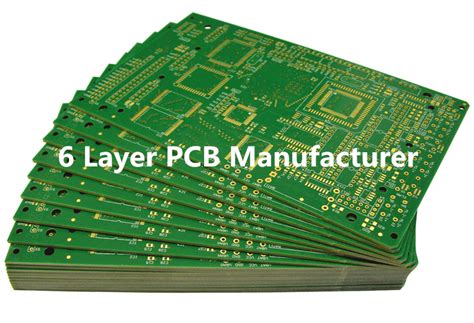
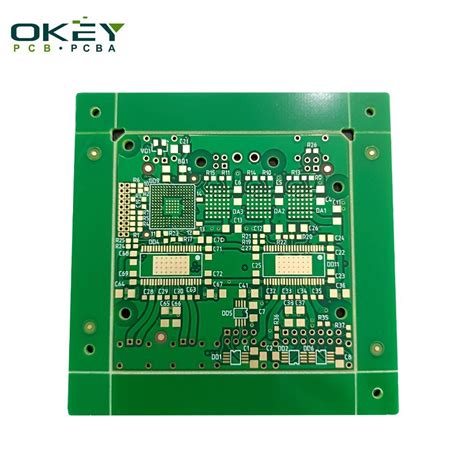
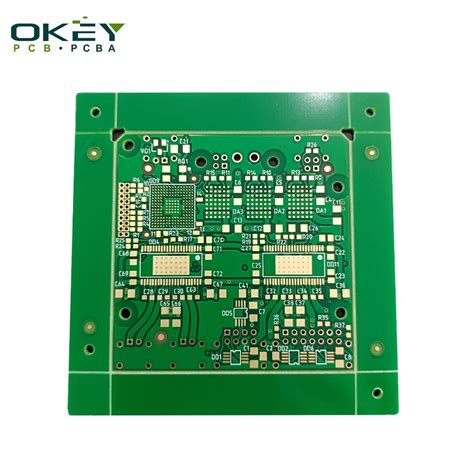
When embarking on your electronic projects, custom PCB production plays a crucial role in achieving high-quality results tailored to your specific requirements. Understanding the intricacies of the pcb manufacturing process is essential, as it encompasses various stages from design to fabrication. As you explore this landscape, it’s important to consider how different pcb manufacturing companies operate and the methods they utilize to craft effective solutions for your needs.
In the realm of pcb manufacturing, you’ll encounter a variety of production techniques that can affect the overall pcb manufacturing cost. For instance, conventional methods may differ significantly from advanced techniques such as surface mount technology or through-hole assembly, each contributing to the final pricing and efficiency of production.
| Technique | Description | Impact on Cost |
|---|---|---|
| Surface Mount Technology | Allows for compact designs with minimized board space | Moderate |
| Through-Hole Assembly | Provides stronger connections but requires more space | Higher |
| Rigid-Flex PCBs | Combines rigid and flexible circuits for versatile designs | Variable |
Incorporating best practices into your approach will ensure that you navigate potential challenges effectively, leading to optimal outcomes in your projects. Factors like selecting the right materials and understanding design specifications will provide a robust foundation for your production journey. As you delve deeper into understanding these dynamics, you’ll better grasp how selecting the right pcb manufacturing business can significantly influence both performance and cost efficiency in developing custom printed circuit boards that are perfectly suited to your electronic endeavors.
Key Benefits of Custom PCB Production for Electronic Projects
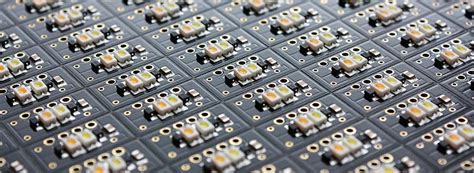
Choosing custom PCB production is essential for the success of your electronic projects, as it offers a multitude of benefits specifically designed to meet your unique requirements. One significant advantage is the flexibility in design, allowing you to create circuits that fit perfectly within your project specifications without being constrained by standard sizes. This degree of customization not only enhances the overall performance but also can lead to reductions in pcb manufacturing costs by optimizing the use of space and materials. Furthermore, collaborating with reputable pcb manufacturing companies often guarantees that you receive high-quality boards crafted with precision using advanced techniques and equipment. This can translate to improved reliability and longevity of your product, which is especially critical in high-performance applications. Additionally, having a tailored approach in your PCB design process means you can implement innovative features that set your project apart from others in the market. Whether you are involved in propping up a small pcb manufacturing business or working on a hobbyist project, investing time in custom solutions can yield substantial returns both in functionality and marketability. Ultimately, custom PCB production not only fulfills immediate electronic needs but also paves the way for future enhancements and scalability as technology continues to evolve.
Essential Techniques for Designing High-Quality PCBs
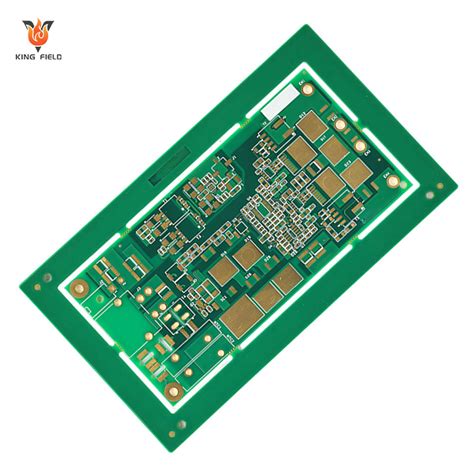
When embarking on your journey in pcb manufacturing, it’s crucial to adopt essential techniques that can significantly elevate the quality of your printed circuit boards. One of the foundational steps is creating a detailed schematic diagram that accurately represents the circuit’s functionality. This ensures that all components are correctly placed and connected, which is vital for reducing errors during production. Additionally, utilizing design rules and software tools tailored specifically for pcb manufacturing can help you avoid common pitfalls, such as trace width issues or clearance violations.
To further enhance the quality of your PCBs, consider implementing advanced techniques such as multilayer design, which can optimize space and improve performance by allowing more components to be integrated into a smaller area. Careful attention to thermal management during the design phase cannot be overlooked, as it plays a critical role in ensuring longevity and reliability by preventing overheating.
You should also take advantage of feedback from pcb manufacturing companies that specialize in providing insights on performance standards and industry benchmarks. Engaging them early in your design process not only helps you understand the pcb manufacturing cost more accurately but also ensures that you are adhering to industry best practices from the onset. By focusing on these essential techniques, you set a solid foundation for creating high-quality PCBs tailored to meet your specific project requirements.
Best Practices in Custom PCB Manufacturing
When engaging in pcb manufacturing, adhering to best practices can significantly enhance the outcome of your electronic projects. First and foremost, you should ensure that your design files are meticulously prepared. This includes using the right tools and following industry standards to guarantee accuracy in your designs. Consider collaborating with reputable pcb manufacturing companies that offer extensive design guidelines and support, as their experience can help optimize your layout for manufacturability.
Furthermore, it’s imperative to select components that are not only high-quality but also readily available. This approach reduces the potential for delays caused by component shortages, ultimately influencing your pcb manufacturing cost positively. Evaluating your pricing structure during the design phase and understanding where you can make strategic cuts without compromising quality will aid in keeping your pcb manufacturing business efficient.
It is also vital to conduct thorough testing throughout the production process. Implementing rigorous testing protocols early on allows you to identify and rectify any issues before they evolve into larger problems down the line. Additionally, maintaining clear communication with your chosen pcb manufacturing companies ensures that any adjustments or modifications required during production can be handled promptly, minimizing waste and maximizing efficiency.
By adhering to these best practices in custom PCB manufacturing, you empower yourself to produce high-quality printed circuit boards that effectively meet the specific needs of your projects while also optimizing time and cost resources.
Common Challenges in PCB Production and How to Overcome Them
When it comes to pcb manufacturing, you might encounter several challenges that can affect the quality and efficiency of your project. Understanding these common obstacles is crucial for any pcb manufacturing business. One prevalent issue is the cost associated with the materials and processes involved. You may often find that pcb manufacturing cost can escalate quickly, especially if you are opting for high-quality components. To mitigate this, it’s essential to conduct thorough research to identify reputable pcb manufacturing companies that offer competitive pricing without compromising quality.
Another challenge is achieving precise specifications and tolerances in your designs. Ensuring that your custom PCBs match your initial designs requires careful attention during the design phase as well as collaboration with your chosen manufacturer. Utilizing advanced design software can help eliminate potential errors before production begins.
Additionally, you may face delays in production schedules, especially if changes are made mid-project. Developing a clear communication strategy with your pcb manufacturing partners, establishing timelines, and adhering to a well-defined project scope can significantly minimize these risks.
Lastly, understanding the technology behind printed circuit boards is vital in overcoming challenges in design and assembly processes. Staying informed about emerging trends and innovations in pcb manufacturing can empower you to make smarter decisions that enhance your project’s outcome. By being proactive about these challenges, you set the stage for a successful electronic project delivery.
Selecting the Right Materials for Your Custom PCBs
When embarking on your custom PCB production journey, one of the most critical steps is selecting the right materials. The choice of materials significantly influences the performance, durability, and overall cost-effectiveness of your printed circuit boards. Typically, two fundamental materials come into play: the substrate and the conductive material. FR-4 is one of the most popular substrate materials due to its balance between cost and performance, making it favorable for both hobbyist projects and professional applications. However, you may also consider alternative substrates like polyimide for high-temperature applications or Teflon for circuits requiring low dielectric loss.
In addition to substrate choices, you must consider the type of conductive material you will use. Copper is by far the most commonly used material due to its excellent conductivity and relatively low manufacturing cost. However, if you’re venturing into high-frequency applications or have specific durability requirements, exploring other options like gold or silver plating may be advisable.
It’s essential to evaluate your project’s specific requirements carefully before finalizing your decision. Furthermore, engaging with reputable PCB manufacturing companies can provide access to material specifications that meet stringent industry standards. Not only will this help in maintaining quality but also in keeping your PCB manufacturing costs within budget while ensuring optimal functionality for your design.
Choosing appropriate materials does not merely affect performance but also impacts timelines and overall project success in the PCB manufacturing business landscape. Understanding these variables will enable you to implement a more strategic approach to selecting materials that align well with both current needs and future scalability in your electronic projects.
Innovations in PCB Technology: What’s New in the Industry
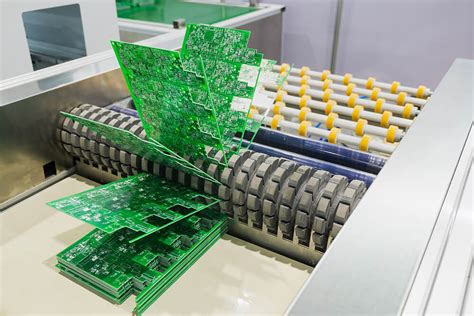
The world of PCB manufacturing is continuously evolving, with new technologies and methodologies emerging to enhance the production process. As you delve into the realm of custom PCB production, it’s crucial to stay informed about these innovations to make informed decisions for your electronic projects. Recent advancements include the integration of automation and smart manufacturing techniques, which not only streamline processes but also significantly reduce the PCB manufacturing cost. Additionally, advancements in materials, such as the use of flexible and ultra-thin substrates, allow for more versatile designs that are essential for modern electronic devices.
Moreover, sustainable practices are becoming a priority within PCB manufacturing companies, as they aim to minimize their environmental impact through eco-friendly materials and waste reduction techniques. The introduction of advanced simulation software is another noteworthy innovation that enables designers to test various scenarios before final production, ultimately leading to higher quality results and diminished risks during the PCB manufacturing business lifecycle. Staying ahead in this dynamic landscape means leveraging these cutting-edge technologies, ensuring not only efficiency but also delivering products that meet the evolving needs of your consumers.
Conclusion
In summary, navigating the landscape of custom PCB production can be pivotal for the success of your electronic projects. Understanding the various aspects of pcb manufacturing not only helps you streamline your design but also ensures you achieve a high standard of quality. You have learned that partnering with reputable pcb manufacturing companies can lead to significant advantages, including access to advanced technologies and expert support. Moreover, a deep understanding of pcb manufacturing cost allows you to effectively budget your projects while maximizing efficiency and performance. With this knowledge, you can confidently approach your pcb manufacturing business, ensuring that your printed circuit boards are tailored precisely to meet your specific requirements while adhering to best practices in the industry. As you move forward, remember that staying updated with current innovations in PCB technology will help you maintain a competitive edge and successfully bring your projects to fruition.
FAQs
What is PCB manufacturing?
PCB manufacturing refers to the process of designing and fabricating printed circuit boards, which are essential components in electronic devices. These boards connect various electronic components, allowing for functionality and performance in your projects.
What should I consider when choosing PCB manufacturing companies?
When selecting PCB manufacturing companies, consider their experience, production capabilities, certifications, and customer reviews. Additionally, evaluate their pricing to ensure the PCB manufacturing cost aligns with your project budget.
How can I reduce PCB manufacturing costs?
To reduce PCB manufacturing costs, focus on simplifying your design and using standard materials. Sourcing large quantities can also lead to cost savings, as well as seeking multiple quotes from different manufacturers to compare prices.
What is the typical timeline for PCB manufacturing?
The timeline for PCB manufacturing business varies based on complexity and volume. Typically, it can range from a few days to several weeks. Efficient planning and communication with your chosen manufacturer can help expedite the process.
Can I get a prototype before mass production?
Yes, most manufacturers offer prototyping services that allow you to test a small batch of your designed PCBs before committing to mass production. This step is crucial in identifying any design flaws early on.