Cutting-Edge PCB Laminate Manufacturers Shaping Modern Electronics
Key Takeaways
When evaluating PCB manufacturing partners, you’ll find that material innovation directly impacts product performance. Leading PCB manufacturing companies prioritize advanced laminates to meet demands for thermal stability and signal integrity—critical for aerospace and IoT applications. For instance, next-gen materials like polyimide blends reduce PCB manufacturing cost by extending component lifespan in high-temperature environments.
"Material selection isn’t just about specs; it’s about aligning with your device’s operational lifecycle," notes a senior engineer at a top-tier laminate supplier.
Here’s a quick comparison of common laminate types and their applications:
| Material | Key Strength | Ideal Use Case |
|---|---|---|
| FR-4 | Cost Efficiency | Consumer Electronics |
| Polyimide | Thermal Resistance | Aerospace Systems |
| Rogers RO4000® | Signal Integrity | 5G & High-Frequency IoT |
Balancing PCB manufacturing business priorities—like durability standards and budget—requires partnering with suppliers offering tailored solutions. For example, low-loss laminates minimize signal distortion in high-speed circuits, while halogen-free options meet eco-compliance needs. Always verify certifications (e.g., UL 94V-0) to ensure materials align with industry benchmarks.
Transitioning to advanced laminates might raise initial costs, but their long-term reliability often offsets this, especially in mission-critical sectors. As you explore suppliers, prioritize those investing in R&D to future-proof your designs.
Cutting-Edge PCB Laminate Innovations
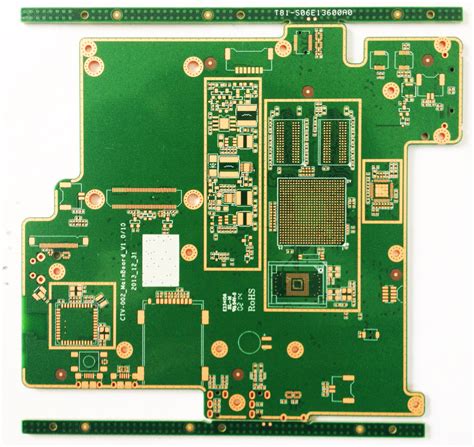
When you’re sourcing materials for PCB manufacturing, the choice of laminates directly impacts performance, reliability, and PCB manufacturing cost. Leading PCB manufacturing companies now prioritize advanced laminates with low dielectric loss and enhanced thermal conductivity to meet the demands of high-frequency applications like 5G and AI-driven devices. Innovations such as halogen-free resins and ultra-thin prepregs not only improve signal integrity but also align with sustainability goals—a critical factor for scaling your PCB manufacturing business.
For instance, breakthroughs in polyimide-based laminates enable aerospace applications by withstanding extreme temperatures, while *liquid crystal polymer (https://www.andwinpcba.com) can also lower long-term production expenses by minimizing rework rates—a key consideration when balancing performance and PCB manufacturing cost.
As you explore next-gen electronics, understanding how these laminates enhance thermal stability and durability becomes essential. Suppliers are now embedding nano-ceramic fillers to dissipate heat more efficiently, addressing challenges in high-power modules. This evolution ensures your designs stay competitive in markets where reliability and miniaturization are non-negotiable.
Top Global Laminate Suppliers 2023
When evaluating PCB manufacturing partnerships, you’ll find 2023’s top laminate suppliers prioritizing materials that balance performance and PCB manufacturing cost efficiency. Companies like Shengyi Technology and Isola Group dominate the market with substrates engineered for high-frequency applications and extreme thermal resistance, critical for aerospace and IoT devices. Their innovations directly impact PCB manufacturing companies by enabling thinner, lighter designs without compromising durability—a key factor in reducing assembly complexities.
Rogers Corporation and Panasonic lead in developing low-loss laminates that enhance signal integrity, addressing 5G and AI hardware demands. For PCB manufacturing businesses, these materials translate to fewer signal distortions and improved reliability in high-speed circuits. Meanwhile, Taiwan Union Technology (TUC) focuses on eco-friendly halogen-free options, aligning with global sustainability trends while maintaining competitive pricing.
You’ll notice suppliers now offer customizable dielectric constants and thermal conductivity profiles, allowing engineers to tailor materials to specific project needs. This flexibility reduces prototyping cycles and optimizes PCB manufacturing cost structures. As miniaturization accelerates, these suppliers are redefining what’s possible in PCB manufacturing, ensuring their laminates meet both mil-spec durability and the precision required for next-gen wearables and medical devices.
Aerospace-Grade Material Breakthroughs
When you’re designing electronics for aerospace applications, the margin for error vanishes. PCB manufacturing companies are now pioneering aerospace-grade laminates that withstand extreme temperatures, radiation, and mechanical stress while maintaining signal integrity. These materials, often polyimide-based or ceramic-filled, reduce PCB manufacturing cost by minimizing layer counts through enhanced dielectric properties. For instance, newer low-loss laminates enable thinner traces without compromising performance, directly addressing weight-to-performance ratios critical in satellites and aircraft.
Leading suppliers have also optimized thermal conductivity in laminates, allowing heat dissipation without bulky heatsinks—a game-changer for compact avionics systems. This innovation not only elevates durability but reshapes the PCB manufacturing business by meeting MIL-spec standards at commercial production scales. As aerospace demands push toward higher frequencies, materials with stable Dk/Df values across temperature swings are becoming non-negotiable. The result? Laminates that survive re-entry conditions while powering next-gen navigation and communication systems—proving that reliability in the skies starts at the substrate level.
IoT Device Laminate Advancements
As IoT devices evolve to become smaller, smarter, and more energy-efficient, pcb manufacturing processes must adapt to meet stringent performance demands. Leading pcb manufacturing companies are pioneering laminates optimized for high-frequency signal transmission and low power consumption, critical for wearables, smart sensors, and connected home systems. These advanced materials reduce pcb manufacturing cost by minimizing signal loss and enabling simpler designs, while maintaining compliance with industry durability standards.
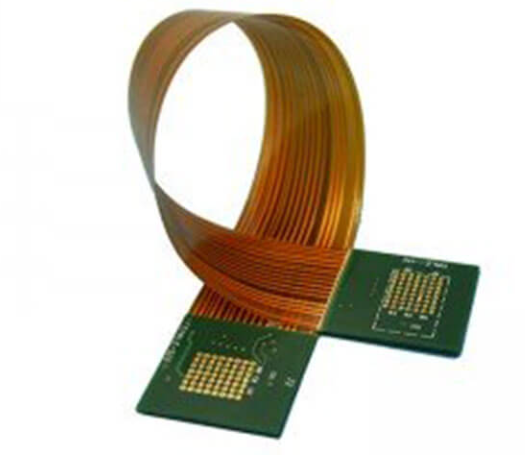
To support ultra-thin form factors, manufacturers now offer laminates with enhanced flexibility and thermal dissipation—key for devices operating in fluctuating environments. Innovations like halogen-free substrates also align with sustainability goals, a growing priority in the pcb manufacturing business. By balancing miniaturization with reliability, these laminates ensure IoT electronics withstand mechanical stress and electromagnetic interference without compromising signal integrity.
Transitioning from aerospace-grade materials to consumer-focused solutions, suppliers are redefining how IoT ecosystems scale. Whether you’re prototyping a medical sensor or mass-producing industrial monitors, selecting the right laminate directly impacts device longevity and connectivity—a testament to how material science drives modern electronics forward.
Thermal Stability in Modern Electronics
When designing high-performance electronics, you need materials that withstand extreme temperatures without compromising functionality. This is where PCB manufacturing relies on advanced laminates engineered for thermal stability—a critical factor in devices operating under prolonged heat stress, such as aerospace systems or IoT sensors. Leading PCB manufacturing companies now prioritize laminates with high glass transition temperatures (Tg) and low thermal expansion rates, ensuring boards remain structurally intact even during rapid thermal cycling.
Balancing PCB manufacturing cost with performance requires innovative material formulations. For instance, polyimide-based laminates offer superior heat resistance but are traditionally expensive. However, newer ceramic-filled resins provide comparable durability at reduced costs, enabling PCB manufacturing businesses to meet stringent industry standards without inflating budgets. These materials also minimize signal loss in high-frequency applications, bridging the gap between thermal management and signal integrity.
As power densities rise in compact devices, thermal management becomes inseparable from reliability. By selecting laminates with optimized thermal conductivity, you ensure heat dissipates efficiently, preventing hotspots that degrade component lifespan. This approach not only aligns with evolving durability benchmarks but also supports the scalability of next-gen electronics—a priority for manufacturers navigating both technical and economic challenges.
Signal Integrity Solutions Redefined
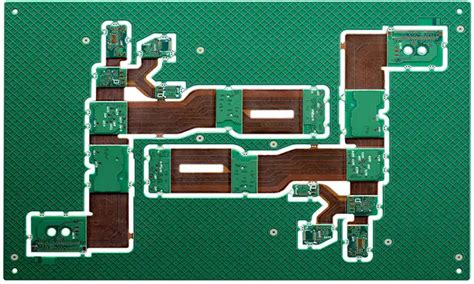
When designing high-speed circuits, signal integrity becomes the cornerstone of reliable performance. Leading PCB manufacturing companies are tackling challenges like crosstalk, insertion loss, and impedance mismatches by reengineering laminate materials. Advanced substrates now leverage ultra-low-loss dielectrics and tightly controlled Dk (dielectric constant) values, ensuring minimal distortion even in multi-gigabit applications.
For industries like 5G infrastructure or autonomous vehicles, maintaining signal integrity isn’t optional—it’s a requirement. Modern laminates incorporate hybrid resin systems and precision copper foils to reduce attenuation, enabling cleaner signal transmission across densely packed boards. This innovation directly impacts PCB manufacturing cost, as higher-performing materials reduce the need for post-production corrections or costly redesigns.
Your designs benefit from laminates engineered for frequency stability, which combat temperature-induced variations that degrade performance. By integrating these materials early in the PCB manufacturing business workflow, you avoid bottlenecks during prototyping. Suppliers also offer simulation-ready material databases, allowing you to model signal behavior before fabrication—a critical step for cutting-edge applications.
As speeds push beyond 100 GHz, the collaboration between designers and PCB manufacturing specialists becomes pivotal. The right laminate choice doesn’t just meet specs—it future-proofs your electronics against tomorrow’s bandwidth demands.
Next-Gen Electronics Material Leaders
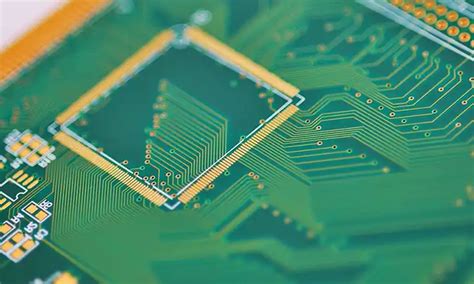
When evaluating PCB manufacturing advancements, you’ll find that leading PCB manufacturing companies are prioritizing materials that balance performance and PCB manufacturing cost. By focusing on next-gen laminates, these innovators address critical challenges like thermal management and signal loss—key pain points in high-frequency and miniaturized designs. For instance, breakthroughs in low-loss dielectrics enable faster data transmission, a necessity for 5G infrastructure and AI-driven devices.
The shift toward sustainable practices is also reshaping the PCB manufacturing business, with suppliers integrating recyclable resins and halogen-free substrates. This not only aligns with global environmental regulations but also reduces long-term production risks. Collaborations between material scientists and PCB manufacturing teams have yielded laminates with enhanced dimensional stability, crucial for multilayer boards in aerospace and automotive applications.
Meanwhile, cost-efficiency remains paramount. Advanced manufacturing techniques like automated layup systems optimize material usage, directly lowering PCB manufacturing cost without compromising quality. As demand grows for IoT sensors and wearable tech, these material leaders ensure their laminates meet ultra-thin and flexible requirements while maintaining durability standards. By redefining what’s possible in substrate technology, they empower your designs to stay ahead in an increasingly connected world.
Durability Standards for High-Tech Devices
When selecting materials for high-tech devices, meeting stringent durability standards becomes non-negotiable. Leading PCB manufacturing companies prioritize laminates that endure extreme thermal cycling, resist moisture absorption, and maintain structural integrity under mechanical stress. These specifications directly influence PCB manufacturing cost, but investing in robust materials reduces long-term failures in aerospace, automotive, or medical applications.
Advanced laminates now integrate halogen-free resins and low-loss dielectrics, balancing performance with environmental resilience. For instance, in 5G infrastructure or industrial IoT systems, laminates must withstand prolonged exposure to heat and vibration without degrading signal quality. This focus on durability reshapes the PCB manufacturing business, as clients demand materials certified for mission-critical environments.
By adhering to MIL-PRF-31032 or IPC-4101E standards, manufacturers ensure their products meet industry benchmarks for reliability. These protocols validate everything from thermal conductivity to flame resistance, enabling PCB manufacturing to align with evolving safety regulations. As a result, even minor compromises in material quality can escalate operational risks—underscoring why durability isn’t just a feature but a foundational requirement for next-gen electronics.

Conclusion
As you evaluate the evolving landscape of modern electronics, it becomes clear that advancements in pcb manufacturing rely heavily on cutting-edge laminate solutions. Leading pcb manufacturing companies now prioritize materials that balance thermal stability with signal integrity, ensuring devices meet the rigorous demands of aerospace, IoT, and next-gen applications. While pcb manufacturing cost remains a critical factor, investing in high-performance laminates can reduce long-term expenses by minimizing failures in high-stress environments.
For businesses navigating this space, partnering with innovators who redefine durability standards is key to staying competitive. Whether you’re optimizing your pcb manufacturing business for consumer electronics or mission-critical systems, the right laminate supplier directly impacts product reliability and lifecycle. By aligning with manufacturers that push material science boundaries, you position your projects at the forefront of technological progress—where performance, cost-efficiency, and innovation converge.
FAQs
How do PCB manufacturing companies ensure material durability for aerospace applications?
Top suppliers leverage aerospace-grade laminates with enhanced thermal stability, rigorously tested under extreme conditions. These materials maintain performance while reducing PCB manufacturing costs through optimized production processes.
What factors influence PCB manufacturing cost in high-frequency devices?
Material selection, layer count, and signal integrity requirements directly impact expenses. Leading PCB manufacturing businesses use advanced laminates to minimize signal loss, balancing performance and affordability for IoT and 5G applications.
Why is partnering with specialized PCB manufacturing firms critical for next-gen electronics?
Experts integrate cutting-edge laminate technologies to address heat dissipation and miniaturization challenges. Their R&D focus ensures compliance with evolving durability standards, crucial for medical devices and automotive systems.
Can PCB manufacturing companies customize solutions for low-volume prototyping?
Yes, many offer flexible scaling options, using rapid-turn fabrication to test new laminate formulations. This approach reduces upfront PCB manufacturing cost while validating performance for niche applications.
Ready to Optimize Your PCB Projects?
For tailored solutions that align with your PCB manufacturing business goals, please click here to explore advanced laminate technologies and cost-efficient strategies.