Design rigid flex pcb
Advantages Of design Rigid Flex PCBs In Modern Electronics
Rigid-flex printed circuit boards (PCBs) have emerged as a pivotal innovation in the realm of modern electronics, offering a multitude of advantages that cater to the evolving demands of contemporary technology. These hybrid circuits, which combine the benefits of both rigid and flexible PCBs, are increasingly being adopted across various industries due to their unique properties and superior performance.
One of the primary advantages of rigid-flex PCBs is their enhanced design flexibility.
By integrating rigid and flexible substrates into a single board, designers can create more complex and compact electronic assemblies. This capability is particularly beneficial in applications where space constraints are a critical consideration, such as in medical devices, aerospace, and consumer electronics. The ability to bend and fold the flexible sections allows for more efficient use of available space, leading to smaller and lighter devices without compromising functionality.
In addition to design flexibility, rigid-flex PCBs offer improved reliability and durability.
The seamless integration of rigid and flexible sections eliminates the need for connectors and cables, which are often points of failure in traditional PCB assemblies. This reduction in interconnects not only enhances the mechanical stability of the board but also minimizes the risk of connection failures due to vibration, shock, or thermal cycling. Consequently, devices utilizing rigid-flex PCBs tend to exhibit longer lifespans and greater resilience in harsh operating environments.
Moreover, the use of rigid-flex PCBs can lead to significant cost savings over the product lifecycle.
Although the initial manufacturing costs may be higher compared to traditional PCBs, the overall cost of ownership is often lower. This is attributed to the reduced need for additional components, such as connectors and cables, and the associated labor costs for assembly and maintenance. Furthermore, the enhanced reliability and durability of rigid-flex PCBs translate to fewer repairs and replacements, thereby reducing long-term maintenance expenses.
Another notable advantage of rigid-flex PCBs is their superior electrical performance.
The elimination of connectors and cables not only enhances mechanical reliability but also improves signal integrity. By reducing the number of interconnects, signal paths are shortened, leading to lower signal loss and reduced electromagnetic interference (EMI). This is particularly advantageous in high-frequency applications, where maintaining signal integrity is crucial for optimal performance. As a result, rigid-flex PCBs are increasingly being utilized in high-speed communication devices, advanced computing systems, and other applications that demand high-performance electronics.
Furthermore, rigid-flex PCBs offer greater design freedom and innovation potential.
The ability to create three-dimensional circuit designs opens up new possibilities for product development, enabling designers to explore novel form factors and functionalities. This is especially relevant in the development of wearable technology, where the integration of electronics into flexible and conformable substrates is essential for user comfort and device performance. The versatility of rigid-flex PCBs allows for the creation of innovative products that meet the growing consumer demand for compact, lightweight, and multifunctional devices.
In conclusion, the advantages of using rigid-flex PCBs in modern electronics are manifold. From enhanced design flexibility and improved reliability to cost savings and superior electrical performance, these hybrid circuits offer a compelling solution for a wide range of applications. As technology continues to advance and the demand for more sophisticated electronic devices grows, the adoption of rigid-flex PCBs is poised to become increasingly prevalent, driving innovation and shaping the future of electronics.

Design Guidelines For Rigid-Flex PCBs: Best Practices And Tips
Design rigid flex PCB requires a meticulous approach to ensure both functionality and durability. These hybrid circuits, which combine rigid and flexible substrates, offer significant advantages in terms of space savings, weight reduction, and enhanced reliability. However, the complexity of their design necessitates adherence to specific guidelines and best practices to achieve optimal performance.
To begin with, understanding the application and environment in which the rigid-flex PCB will operate is crucial.
This initial step informs decisions regarding material selection, layer stack-up, and overall design architecture. For instance, the choice of materials for both the rigid and flexible sections must be compatible to avoid issues such as delamination or thermal mismatch. Polyimide is commonly used for the flexible layers due to its excellent thermal stability and mechanical properties, while FR4 is typically employed for the rigid sections.
Transitioning to the layout phase, it is essential to maintain a clear distinction between the rigid and flexible areas.
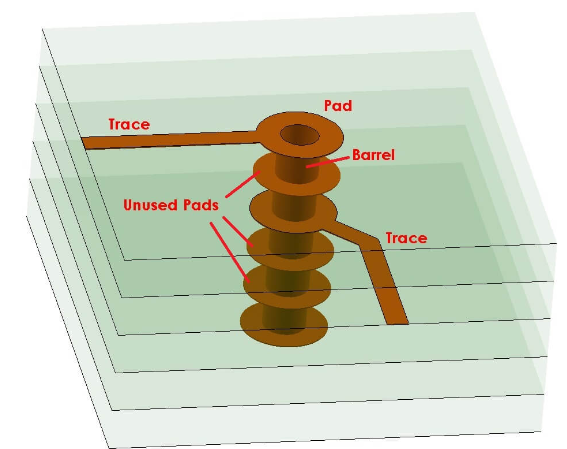
This demarcation helps in managing the mechanical stresses that occur during bending and flexing. Designers should avoid placing vias, pads, or other critical components near the bend areas to prevent potential damage. Additionally, incorporating teardrop-shaped pads at the transition points can enhance mechanical strength and reduce stress concentration.
Another critical aspect is the layer stack-up configuration.
A balanced stack-up is vital to ensure mechanical stability and signal integrity. For instance, symmetrical layer arrangements can help mitigate warping and bowing during the manufacturing process. Furthermore, the use of cross-hatching in the flexible areas can provide additional mechanical support without significantly increasing the overall thickness.
Signal routing in rigid-flex PCBs also demands careful consideration.
High-speed signals should be routed on the rigid sections whenever possible to minimize signal degradation. When routing through the flexible areas is unavoidable, maintaining consistent trace widths and spacing is imperative to preserve signal integrity. Additionally, designers should employ controlled impedance techniques and consider the use of ground planes to reduce electromagnetic interference (EMI).
Thermal management is another critical factor in rigid-flex PCB design.
The combination of rigid and flexible materials can lead to varying thermal expansion rates, potentially causing mechanical stress and failure. To mitigate this, designers should incorporate thermal reliefs and consider the use of thermal vias to facilitate heat dissipation. Proper thermal management ensures the longevity and reliability of the PCB, especially in high-power applications.
Manufacturability is a key consideration throughout the design process.
Collaborating closely with the PCB manufacturer can help identify potential issues early and ensure that the design adheres to manufacturing capabilities and tolerances. For example, understanding the minimum bend radius for the flexible sections can prevent cracking and delamination during assembly and operation. Additionally, specifying appropriate coverlay materials and thicknesses can protect the flexible circuits from environmental factors and mechanical wear.
In conclusion, designing rigid-flex PCBs involves a delicate balance of electrical, mechanical, and thermal considerations. By adhering to best practices such as careful material selection, strategic layout planning, and thorough thermal management, designers can create robust and reliable PCBs that meet the demands of modern electronic applications. Close collaboration with manufacturers and a thorough understanding of the application environment further enhance the likelihood of success, ensuring that the final product performs optimally in its intended use case.
Common Challenges In Rigid-Flex PCB Manufacturing And How To Overcome Them
Rigid-flex PCB manufacturing is a sophisticated process that combines the best attributes of both rigid and flexible circuit boards. However, this complexity introduces several challenges that manufacturers must navigate to ensure the production of high-quality, reliable PCBs. Understanding these common challenges and implementing strategies to overcome them is crucial for success in this field.
One of the primary challenges in rigid-flex PCB manufacturing is the precise alignment of the rigid and flexible layers.
Misalignment can lead to electrical failures and mechanical stress, compromising the integrity of the final product. To address this issue, manufacturers can employ advanced alignment techniques and equipment. Utilizing automated optical inspection (AOI) systems during the fabrication process ensures that each layer is accurately aligned before proceeding to the next stage. Additionally, implementing stringent quality control measures at every step can help detect and correct alignment issues early on.
Another significant challenge is managing the different material properties of rigid and flexible substrates.
These materials have distinct thermal expansion coefficients, which can cause warping or delamination during thermal cycling. To mitigate this risk, manufacturers should carefully select materials with compatible thermal properties. Conducting thorough thermal analysis and simulations during the design phase can also help predict and address potential issues. Furthermore, using adhesives and bonding techniques specifically designed for rigid-flex applications can enhance the durability and reliability of the final product.
The complexity of the design itself poses another challenge.
Rigid-flex PCBs often require intricate routing and precise placement of components to maximize space and functionality. This complexity can lead to signal integrity issues, such as crosstalk and electromagnetic interference (EMI). To overcome these challenges, designers should adhere to best practices for signal integrity, such as maintaining proper spacing between traces, using ground planes, and incorporating shielding techniques. Employing advanced design software that can simulate and optimize signal integrity can also be beneficial.
Manufacturing rigid-flex PCBs also involves intricate drilling and plating processes.
The transition from rigid to flexible sections requires precise drilling to avoid damaging the flexible substrate. Additionally, ensuring consistent plating thickness across both rigid and flexible sections is crucial for reliable electrical connections. Manufacturers can overcome these challenges by using high-precision drilling equipment and implementing controlled plating processes. Regular monitoring and calibration of equipment can further enhance the accuracy and consistency of these critical steps.
Cost management is another significant challenge in rigid-flex PCB manufacturing.
The complexity of the design, coupled with the need for specialized materials and equipment, can drive up production costs. To address this, manufacturers should focus on optimizing the design for manufacturability (DFM). Simplifying the design where possible, reducing the number of layers, and minimizing the use of expensive materials can help control costs. Collaborating closely with suppliers to negotiate better pricing for materials and components can also contribute to cost savings.
In conclusion, while rigid-flex PCB manufacturing presents several challenges, understanding and addressing these issues is essential for producing high-quality, reliable products. By employing advanced alignment techniques, carefully selecting compatible materials, adhering to best practices for signal integrity, using precise drilling and plating processes, and optimizing design for manufacturability, manufacturers can overcome these challenges effectively. As technology continues to advance, ongoing research and development will further enhance the capabilities and reliability of rigid-flex PCBs, solidifying their role in various high-performance applications.
Applications Of Rigid-Flex PCBs In Wearable Technology And Medical Devices
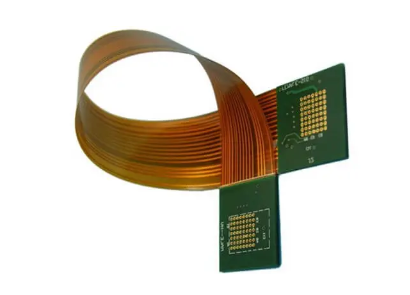
Rigid-flex printed circuit boards (PCBs) have emerged as a pivotal technology in the development of wearable technology and medical devices, offering a unique combination of flexibility and durability. These PCBs integrate the best features of both rigid and flexible circuits, enabling innovative designs that meet the stringent requirements of modern electronic applications. The applications of rigid-flex PCBs in wearable technology and medical devices are vast and varied, driven by the need for compact, reliable, and high-performance solutions.
In the realm of wearable technology, rigid-flex PCBs are instrumental in the creation of devices that are not only lightweight and compact but also robust enough to withstand the rigors of daily use. Wearable devices, such as fitness trackers, smartwatches, and health monitoring systems, demand a high degree of flexibility to conform to the contours of the human body. Rigid-flex PCBs provide this flexibility while maintaining the structural integrity required for reliable performance. The ability to bend and flex without compromising electrical connectivity is crucial for wearables, which often experience constant movement and stress.
Moreover, the miniaturization of electronic components has been a significant trend in wearable technology.
Rigid-flex PCBs facilitate this trend by allowing designers to create more compact and integrated circuits. The seamless integration of rigid and flexible sections within a single PCB reduces the need for connectors and interconnecting cables, thereby saving space and reducing the overall weight of the device. This integration also enhances the reliability of the device by minimizing potential points of failure, which is particularly important in wearables that are expected to operate continuously and reliably.
Transitioning to the medical field, rigid-flex PCBs play a crucial role in the development of advanced medical devices.
Medical devices often require a high level of precision and reliability, as they are used in critical applications such as patient monitoring, diagnostic equipment, and implantable devices. Rigid-flex PCBs meet these requirements by offering a robust and reliable platform for complex electronic circuits. The flexibility of these PCBs allows for innovative designs that can be tailored to specific medical applications, such as flexible sensors that can be attached to the skin or implanted within the body.
In addition, the biocompatibility of materials used in rigid-flex PCBs is a significant advantage for medical applications. These materials are designed to be safe for use in contact with human tissue, making them suitable for a wide range of medical devices. The ability to withstand sterilization processes is another critical factor, as medical devices must be thoroughly sterilized to prevent infections. Rigid-flex PCBs are designed to endure these processes without degradation, ensuring the longevity and reliability of the medical device.
Furthermore, the integration of rigid-flex PCBs in medical devices enhances their functionality and performance. For instance, in diagnostic equipment, the use of rigid-flex PCBs allows for the incorporation of multiple sensors and electronic components within a compact and flexible form factor. This integration enables more accurate and comprehensive monitoring of patient health, leading to better diagnostic outcomes. Similarly, in implantable devices, the flexibility and durability of rigid-flex PCBs ensure that the device can function reliably within the challenging environment of the human body.
In conclusion, the applications of rigid-flex PCBs in wearable technology and medical devices are extensive and transformative. These PCBs provide the necessary flexibility, durability, and reliability required for the development of advanced electronic devices. As technology continues to evolve, the role of rigid-flex PCBs in enabling innovative and high-performance solutions in both wearable technology and medical devices will undoubtedly expand, driving further advancements in these critical fields.