Double sided aluminum pcb
Advantages Of Double Sided Aluminum PCB In LED Applications
Double-sided aluminum PCBs have emerged as a pivotal component in the realm of LED applications, offering a multitude of advantages that enhance performance, reliability, and efficiency. These printed circuit boards, characterized by their aluminum core and conductive layers on both sides, are particularly well-suited for high-power and high-heat environments, making them an ideal choice for LED technology.
One of the primary advantages of double-sided aluminum PCBs in LED applications is their superior thermal management capabilities.
LEDs generate significant amounts of heat during operation, which, if not properly dissipated, can lead to reduced performance and a shorter lifespan. The aluminum core in these PCBs acts as an excellent heat sink, efficiently conducting heat away from the LED components. This thermal conductivity ensures that the LEDs operate within their optimal temperature range, thereby enhancing their longevity and maintaining consistent light output.
In addition to thermal management, double-sided aluminum PCBs offer enhanced electrical performance.
The dual-layer design allows for more complex and compact circuit layouts, which is particularly beneficial in LED applications where space is often at a premium. This increased circuit density can lead to improved electrical conductivity and reduced signal interference, ensuring that the LEDs function reliably and efficiently. Furthermore, the aluminum substrate provides a stable and robust platform that can withstand the mechanical stresses associated with LED installations, such as vibrations and impacts.
Another significant advantage of double-sided aluminum PCBs is their cost-effectiveness.
While the initial manufacturing costs may be higher compared to traditional PCBs, the long-term benefits often outweigh these expenses. The improved thermal management reduces the need for additional cooling mechanisms, such as heat sinks and fans, which can be costly and cumbersome. Moreover, the enhanced reliability and longevity of LEDs mounted on double-sided aluminum PCBs can lead to lower maintenance and replacement costs over time, making them a financially prudent choice for many LED applications.
The environmental benefits of double-sided aluminum PCBs should not be overlooked.
The efficient thermal management and reduced need for additional cooling components contribute to lower energy consumption, which is a critical consideration in today’s eco-conscious world. Additionally, aluminum is a recyclable material, aligning with sustainable manufacturing practices and reducing the environmental impact of electronic waste.
Furthermore, the versatility of double-sided aluminum PCBs makes them suitable for a wide range of LED applications.
From automotive lighting and streetlights to indoor lighting and display screens, these PCBs can be tailored to meet the specific requirements of various projects. Their ability to handle high power levels and dissipate heat effectively ensures that they can support the demanding needs of modern LED technology.
In conclusion, double-sided aluminum PCBs offer a host of advantages that make them an indispensable component in LED applications. Their superior thermal management, enhanced electrical performance, cost-effectiveness, environmental benefits, and versatility collectively contribute to the improved performance and reliability of LED systems. As LED technology continues to evolve and expand into new applications, the role of double-sided aluminum PCBs is likely to become even more critical, underscoring their importance in the future of lighting and electronic design.
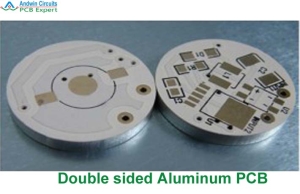
Thermal Management Solutions With Double Sided Aluminum PCB
Double-sided aluminum PCBs have emerged as a pivotal solution in the realm of thermal management, addressing the growing need for efficient heat dissipation in electronic devices. As electronic components become increasingly compact and powerful, the challenge of managing heat effectively has intensified. Double-sided aluminum PCBs offer a robust solution by combining the thermal conductivity of aluminum with the versatility of double-sided circuitry, thereby enhancing both performance and reliability.
The core advantage of double-sided aluminum PCBs lies in their superior thermal conductivity.
Aluminum, known for its excellent heat dissipation properties, serves as the base material, effectively drawing heat away from critical components. This is particularly crucial in high-power applications where excessive heat can lead to component failure or reduced lifespan. By efficiently managing thermal loads, double-sided aluminum PCBs help maintain optimal operating temperatures, ensuring the longevity and reliability of electronic devices.
In addition to thermal management, double-sided aluminum PCBs offer significant benefits in terms of mechanical stability and durability.
The aluminum base provides a sturdy foundation, reducing the risk of warping or mechanical damage. This is especially important in applications subjected to harsh environmental conditions or mechanical stress. The robust construction of these PCBs ensures that they can withstand the rigors of demanding applications, from automotive electronics to industrial machinery.
Moreover, the double-sided design of these PCBs allows for greater circuit density and complexity.
By utilizing both sides of the board, designers can incorporate more components and interconnections within a given area. This not only enhances the functionality of the PCB but also contributes to miniaturization, a key trend in modern electronics. The ability to pack more functionality into a smaller footprint is invaluable in applications where space is at a premium, such as in portable devices and wearable technology.
Transitioning to the manufacturing process, double-sided aluminum PCBs are produced using advanced techniques that ensure precision and reliability.
The process typically involves laminating a thin layer of dielectric material between two layers of copper, which are then bonded to the aluminum base. This multi-layer construction provides excellent electrical insulation while maintaining high thermal conductivity. The use of advanced fabrication methods, such as laser drilling and precision etching, allows for the creation of intricate circuit patterns with high accuracy.
Furthermore, the adoption of double-sided aluminum PCBs is driven by their cost-effectiveness. While the initial material costs may be higher compared to traditional FR4 PCBs, the long-term benefits in terms of performance, reliability, and reduced cooling requirements often outweigh the initial investment. The improved thermal management can lead to lower energy consumption and reduced need for additional cooling solutions, resulting in overall cost savings.
In conclusion, double-sided aluminum PCBs represent a significant advancement in thermal management solutions for modern electronics. Their superior thermal conductivity, mechanical stability, and ability to support complex circuitry make them an ideal choice for a wide range of applications. As electronic devices continue to evolve, the demand for efficient and reliable thermal management solutions will only grow, solidifying the role of double-sided aluminum PCBs in the future of electronic design and manufacturing.
Manufacturing Process Of Double Sided Aluminum PCB
The manufacturing process of double-sided aluminum PCBs is a sophisticated and intricate procedure that demands precision and expertise. This type of printed circuit board (PCB) is highly valued in various industries due to its excellent thermal conductivity, mechanical stability, and ability to support high-power applications. To understand the manufacturing process, it is essential to delve into each step, from material selection to final inspection, ensuring a comprehensive grasp of the intricacies involved.
Initially, the process begins with the selection of high-quality aluminum as the base material.
Aluminum is chosen for its superior heat dissipation properties, which are crucial for applications involving high thermal loads. The aluminum base is typically coated with a dielectric layer, which serves as an insulating barrier between the conductive layers and the metal core. This dielectric layer is essential for maintaining electrical isolation while allowing efficient heat transfer.
Following the preparation of the aluminum base, the next step involves the application of a copper foil on both sides of the dielectric layer.
This copper foil acts as the conductive material for the PCB. The copper is laminated onto the dielectric layer using a combination of heat and pressure, ensuring a strong bond. This lamination process is critical as it determines the overall durability and performance of the PCB.
Once the copper foil is securely laminated, the next phase is the patterning process.
This involves the application of a photoresist material onto the copper surface. The photoresist is a light-sensitive substance that allows for the precise transfer of circuit patterns onto the copper foil. Through a process known as photolithography, the PCB is exposed to ultraviolet light through a mask that contains the desired circuit design. The exposed areas of the photoresist harden, while the unexposed areas remain soft and can be easily removed.
Subsequently, the PCB undergoes an etching process, where a chemical solution is used to remove the unprotected copper areas, leaving behind the desired circuit pattern. This step is crucial for defining the electrical pathways on the PCB. After etching, the remaining photoresist is stripped away, revealing the intricate copper circuitry.
To ensure electrical connectivity between the two sides of the PCB, through-hole plating is employed.
This involves drilling holes through the PCB at specific locations and then plating the inner walls of these holes with copper. This creates conductive pathways that connect the circuits on both sides of the PCB, enabling complex and multi-layered designs.
Following the through-hole plating, the PCB undergoes a series of cleaning and surface treatment processes to remove any residues and prepare the surface for soldering. This includes processes such as chemical cleaning, micro-etching, and the application of a solder mask. The solder mask is a protective layer that prevents solder bridges and short circuits during the assembly process.
Finally, the PCB is subjected to a series of rigorous inspections and testing procedures to ensure its quality and functionality. These tests include electrical testing, thermal cycling, and mechanical stress tests. Any defects or inconsistencies are identified and rectified to ensure that the final product meets the required specifications and standards.
In conclusion, the manufacturing process of double-sided aluminum PCBs is a meticulous and multi-faceted procedure that involves several critical steps. From material selection to final inspection, each phase is essential for producing high-quality PCBs that meet the demanding requirements of modern electronic applications. The use of aluminum as a base material, combined with advanced manufacturing techniques, ensures that these PCBs offer superior performance, reliability, and thermal management capabilities.
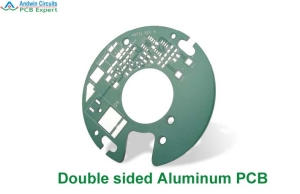
Cost-Effectiveness Of Double Sided Aluminum PCB In High-Power Electronics
Double-sided aluminum PCBs have emerged as a cost-effective solution in the realm of high-power electronics, offering a blend of performance, durability, and economic efficiency. These printed circuit boards, characterized by their aluminum core and conductive layers on both sides, are increasingly favored in applications where heat dissipation and mechanical stability are paramount. The cost-effectiveness of double-sided aluminum PCBs can be attributed to several key factors, including their thermal management capabilities, material efficiency, and manufacturing processes.
One of the primary advantages of double-sided aluminum PCBs is their superior thermal management.
High-power electronic components generate significant amounts of heat, which, if not properly managed, can lead to reduced performance, component failure, and shortened lifespan. Aluminum, known for its excellent thermal conductivity, effectively dissipates heat away from critical components, maintaining optimal operating temperatures. This inherent property reduces the need for additional cooling mechanisms, such as heat sinks or fans, thereby lowering the overall system cost. Furthermore, the enhanced thermal performance ensures that components can operate at higher power levels without compromising reliability, making these PCBs particularly suitable for applications such as LED lighting, power supplies, and automotive electronics.
In addition to thermal management, the material efficiency of double-sided aluminum PCBs contributes to their cost-effectiveness.
Aluminum is not only abundant but also relatively inexpensive compared to other metals like copper. The use of aluminum as a core material reduces the overall cost of the PCB while still providing the necessary mechanical strength and durability. Moreover, the double-sided design allows for more compact and efficient circuit layouts. By utilizing both sides of the PCB, designers can achieve higher component density and more complex circuitry without increasing the board size. This compactness translates to reduced material usage and lower production costs, making double-sided aluminum PCBs an economically attractive option for high-power applications.
The manufacturing processes involved in producing double-sided aluminum PCBs also play a crucial role in their cost-effectiveness.
Advances in fabrication techniques have streamlined the production of these PCBs, resulting in higher yields and lower defect rates. Techniques such as surface mount technology (SMT) and automated assembly processes enable precise placement of components and efficient soldering, reducing labor costs and minimizing the risk of errors. Additionally, the robustness of aluminum PCBs allows for more straightforward handling and assembly, further decreasing production time and costs. The combination of efficient manufacturing processes and the inherent properties of aluminum ensures that double-sided aluminum PCBs can be produced at a competitive price point without sacrificing quality or performance.
Moreover, the long-term reliability and durability of double-sided aluminum PCBs contribute to their overall cost-effectiveness.
The robust construction of these PCBs ensures that they can withstand harsh operating conditions, including high temperatures, mechanical stress, and exposure to moisture. This durability translates to longer product lifespans and reduced maintenance costs, providing significant savings over the lifecycle of the electronic device. In high-power applications where reliability is critical, the use of double-sided aluminum PCBs can result in fewer failures and less downtime, further enhancing their economic appeal.
In conclusion, the cost-effectiveness of double-sided aluminum PCBs in high-power electronics is driven by their exceptional thermal management, material efficiency, advanced manufacturing processes, and long-term reliability. These factors collectively make double-sided aluminum PCBs a compelling choice for designers and manufacturers seeking to optimize performance while minimizing costs. As the demand for high-power electronic applications continues to grow, the adoption of double-sided aluminum PCBs is likely to increase, solidifying their position as a cornerstone in the field of cost-effective, high-performance electronics.