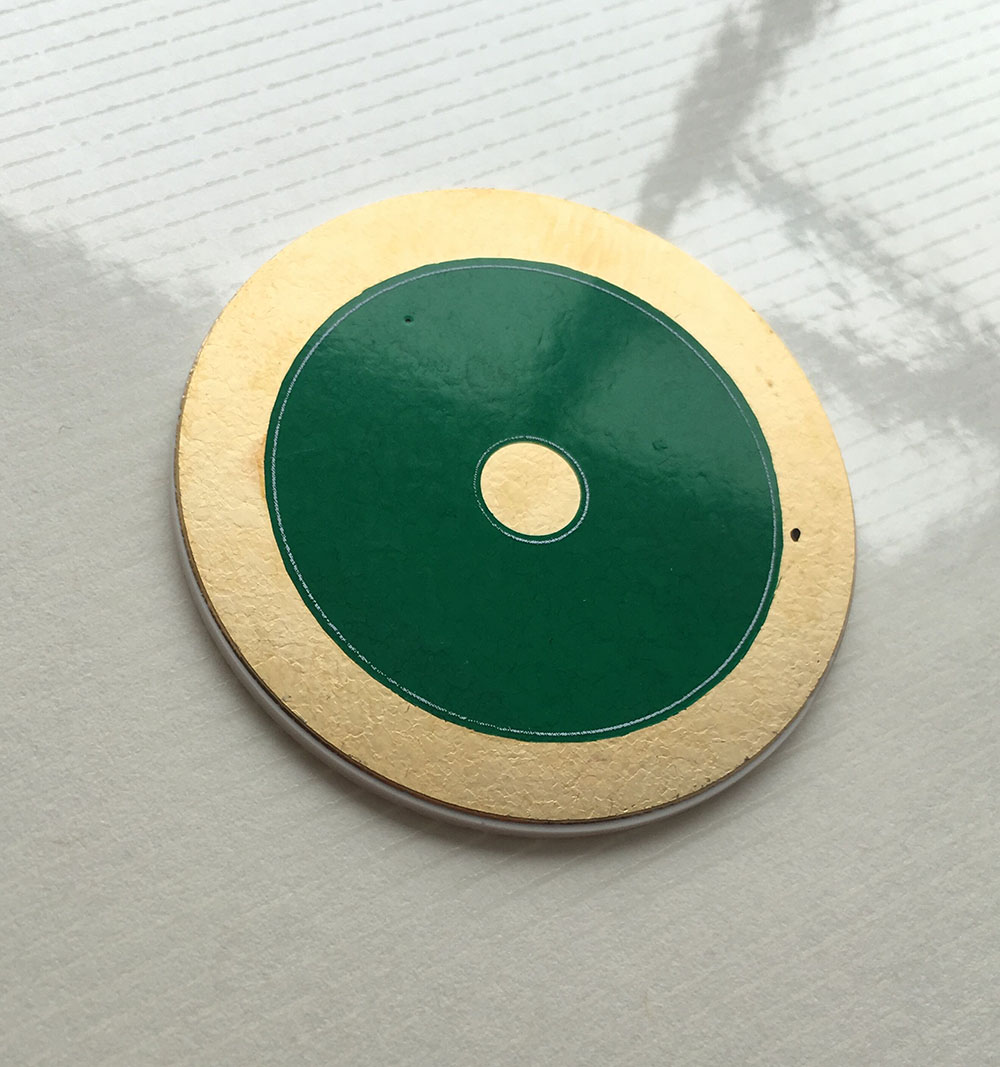
Eagle pcb thermal pad
In Eagle PCB design software, a thermal pad is a copper pad on a PCB that is connected to a thermal plane or ground plane.
The thermal pad is used to dissipate heat generated by a component on the PCB, such as a power amplifier or voltage regulator.
The thermal pad is usually connected to a large copper area on the PCB,
which acts as a heat sink to dissipate the heat away from the component.
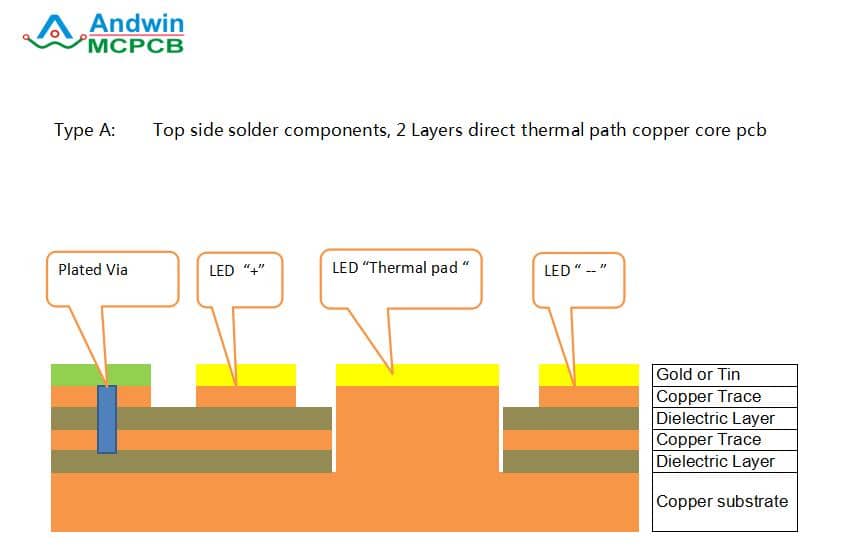
To add a thermal pad in Eagle PCB, you can follow these steps:
1. Open your Eagle PCB design file.
2. Select the component that requires a thermal pad.
3. Click on the “Pad” button in the toolbar.
4. In the “Pad Properties” dialog box, select the “Thermal” option.
5. Set the size of the thermal pad and the size of the hole in the center of the pad.
6. Connect the thermal pad to a thermal plane or ground plane on the PCB using the “Net” tool.
Once you have added the thermal pad to your PCB layout, you can adjust its properties and position as needed to ensure proper heat dissipation.
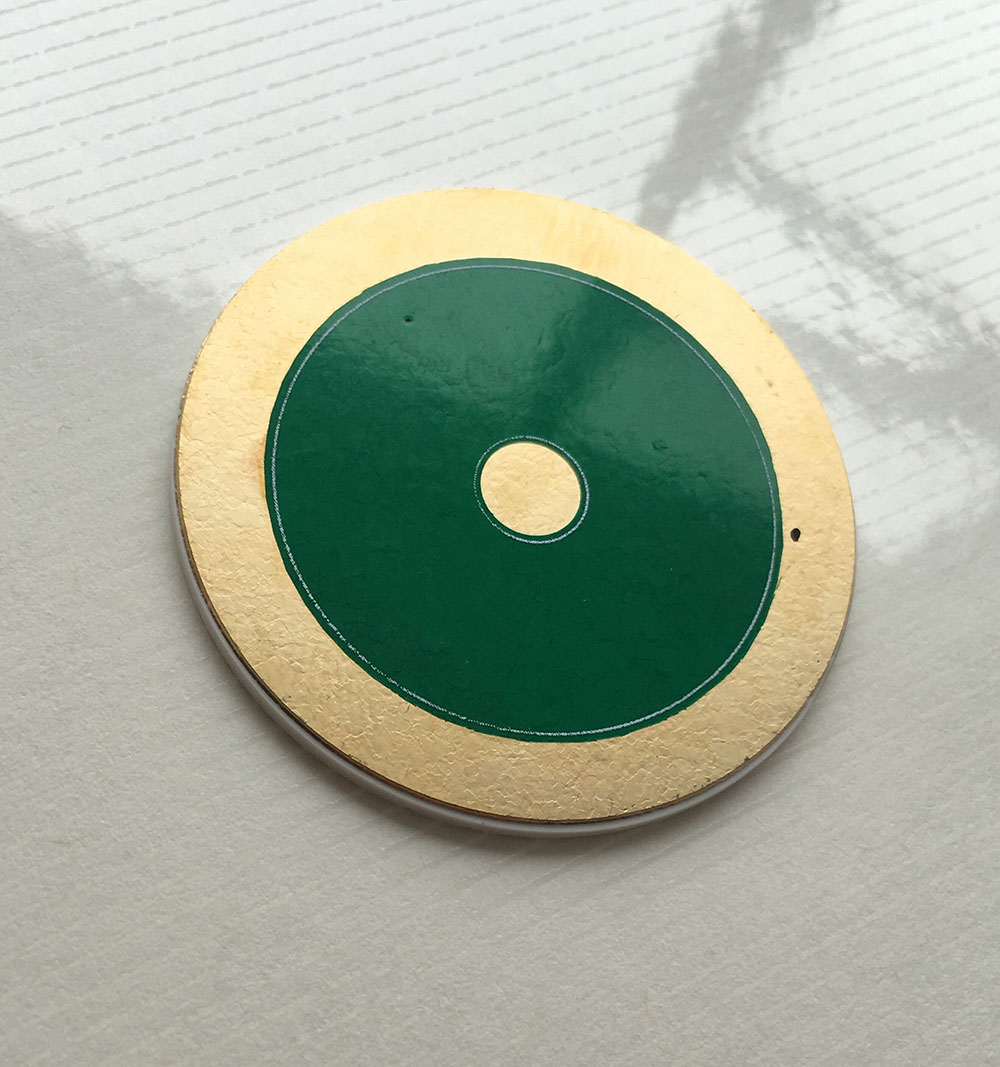
the role of eagle pcb thermal pad
The role of an Eagle PCB thermal pad is to dissipate heat generated by a component on the PCB.
When a component generates heat, it can cause the temperature of the PCB to rise,
which can affect the performance and reliability of the circuit.
The thermal pad is designed to provide a low-resistance path for the heat to flow away from the component and into the surrounding copper area or thermal plane.
The thermal pad also helps to improve the thermal conductivity between the component and the PCB,
which can improve the overall thermal performance of the circuit.
By providing a large copper area for the heat to flow into,
the thermal pad can help to reduce the temperature of the component and prevent it from overheating.
In addition, the thermal pad can also help to improve the mechanical stability of the component on the PCB.
By providing a larger surface area for the component to be soldered to, the thermal pad can help to distribute the mechanical stress more evenly,
which can reduce the risk of damage to the component or the PCB.
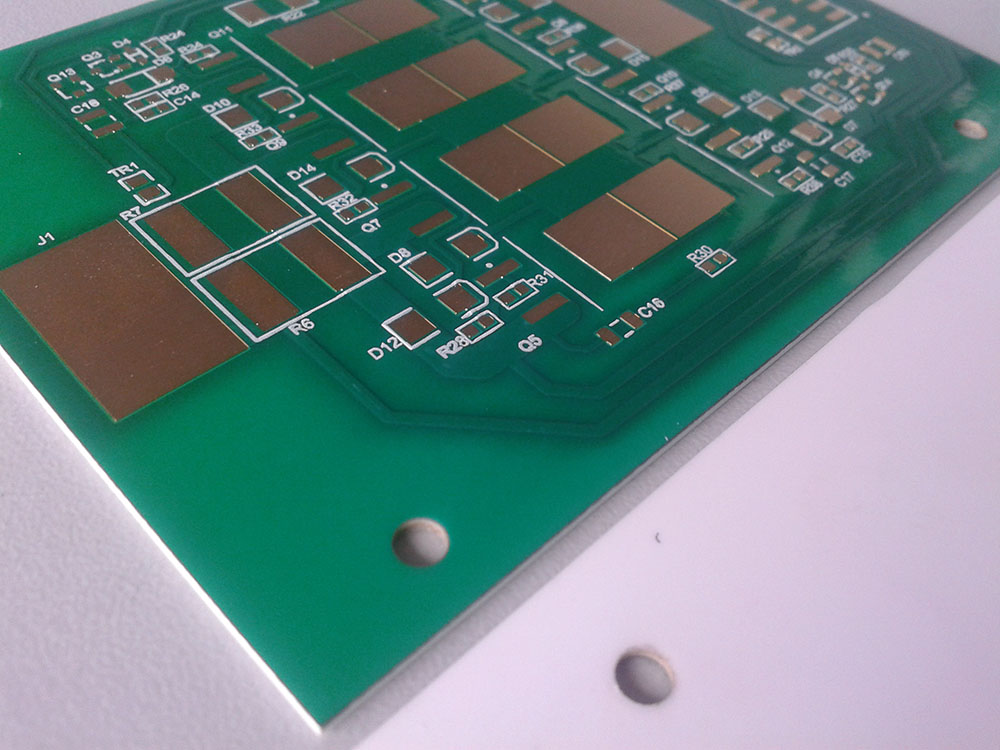
thermal pad for pcb
A thermal pad for PCB (Printed Circuit Board) is a type of material that is used to transfer heat from a component on the PCB to the PCB itself or to a heatsink.
It is a thin layer of material that is placed between the component and the PCB.
The thermal pad is made of a material that has high thermal conductivity, such as silicone or graphite.
The purpose of the thermal pad is to provide a low thermal resistance path for heat to flow from the component to the PCB or heatsink,
which helps to dissipate the heat and prevent the component from overheating.
Thermal pads are commonly used in electronic devices such as computers, smartphones, and other electronic gadgets.
where is the thermal pad for pcb used?
Thermal pads for PCBs are used in electronic devices where heat dissipation is a concern.
They are commonly used in devices such as computers, smartphones, gaming consoles, and other electronic gadgets.
Some specific applications where thermal pads are used include:
1. CPUs and GPUs:
Thermal pads are used to transfer heat from the processor and graphics card to the heatsink or fan.
2. Power electronics:
Thermal pads are used to transfer heat from power transistors, diodes, and other components to the PCB or heatsink.
3. LED lighting:
Thermal pads are used to transfer heat from LED chips to the PCB or heatsink.
4. Automotive electronics:
Thermal pads are used to transfer heat from electronic components in the engine compartment to the chassis or other heat sinks.
In general, thermal pads are used wherever there is a need to transfer heat from a component to a heat sink or other thermal management system.