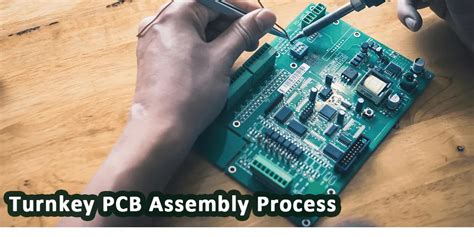
Effective Techniques for PCB SMD Assembly Explained

Key Takeaways
Understanding the fundamentals of PCB SMD assembly is crucial for achieving superior electronic performance. The efficiency and quality of the pcb assembly process are significantly impacted by both the techniques employed and the tools selected. To streamline your operations, it is essential to implement best practices that promote accuracy and reliability during the assembly of surface-mounted devices (SMD). Ensure that you are familiar with essential equipment, such as pick-and-place machines and soldering tools, which are vital for leveraging advanced manufacturing capabilities.
Additionally, staying alert to common challenges in the pcba process can lead to proactive solutions that mitigate errors and delays. For instance, recognizing the intricacies of component placement and soldering techniques can greatly enhance production efficiency while reducing waste. Moreover, continual innovation in materials and technologies in PCB SMD assembly ensures that professionals remain equipped to tackle evolving industry demands.
Ultimately, mastering these techniques not only supports effective pcb assembly but also fosters long-term success in delivering high-quality electronic products. As you refine your skills and knowledge in this domain, consider exploring emerging trends to stay ahead of competitors while ensuring exceptional performance in your electronic assemblies.

Introduction to PCB SMD Assembly: Fundamentals and Importance
PCB SMD assembly, or Surface Mount Device assembly, is a crucial process in the manufacturing of modern electronic devices. This technique involves mounting electronic components directly onto the surface of printed circuit boards (PCBs), referred to as pcba in professional contexts. Understanding the fundamentals of SMD assembly is essential as it not only influences the efficiency and speed of production but also impacts the overall performance and reliability of electronic products.
One of the primary advantages of SMD assembly is its capability to accommodate a higher density of components compared to traditional through-hole methods, allowing for more compact designs that are vital in today’s smaller electronic devices. Moreover, with advancements in manufacturing technologies, the use of automated equipment has become more prevalent, significantly enhancing precision during the assembly process.
| Benefit | Description |
|---|---|
| Reduced Size | Facilitates smaller and lighter device designs |
| Increased Component Density | Allows for more complex functionality within limited space |
| Enhanced Performance | Improved electrical performance due to shorter interconnections |
To excel in PCB assembly, it is important for manufacturers to stay updated on best practices and techniques that can lead to superior outcomes. Moreover, emphasizing quality at every step ensures that products not only function effectively but also meet consumer expectations. Adhering to these foundational principles will ultimately lead to a more efficient production cycle and heightened satisfaction among end-users.
“Quality is not an act; it is a habit.” – Aristotle
By embracing these principles, stakeholders can contribute significantly to advancing electronic manufacturing processes that are both effective and reliable. Overall, understanding the significance of effective SMD assembly techniques lays a solid groundwork for future innovations in electronics manufacturing.
Key Techniques for Efficient PCB SMD Assembly
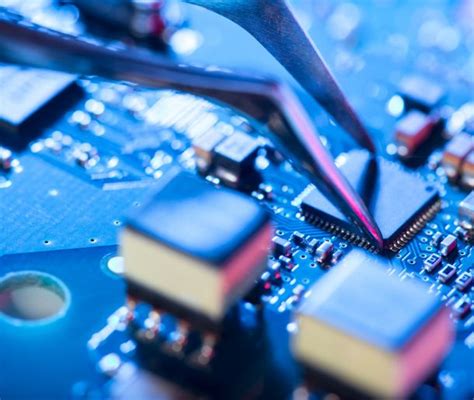
To achieve a successful PCB SMD assembly, it is essential to focus on several key techniques that enhance the overall effectiveness of the process. One of the most crucial techniques is component placement; ensuring that each component is accurately positioned can significantly reduce the likelihood of errors. Utilizing automated pick-and-place machines can greatly improve placement precision and speed, making it a preferred choice for high-volume production.
Another important aspect is managing solder paste application. The correct amount of solder paste applied can prevent defects such as voids or insufficient solder, which directly impacts the reliability of the final product. Techniques such as stencil printing and using a solder paste inspection system are recommended for achieving optimal results.
Additionally, ensuring proper thermal management during the reflow process can enhance the bonding between components and the PCB, thereby improving durability. Utilizing an appropriate thermal profile that accommodates various components helps to mitigate thermal stress.
Lastly, employing regular inspections throughout the assembly process, including testing through Automated Optical Inspection (AOI), can catch errors early on, ensuring that each PCBA (printed circuit board assembly) meets quality standards. By integrating these techniques into your workflow, you not only streamline operations but also enhance the efficacy and reliability of your PCB assembly results.

Essential Tools and Equipment for PCB SMD Assembly
In the realm of PCB SMD assembly, having the right tools and equipment is crucial for achieving high-quality and efficient production. The process often begins with a reliable printing press for applying solder paste accurately onto the printed circuit boards (PCBs). This foundational step sets the stage for subsequent assembly operations. Once the solder is in place, tools like automated pick-and-place machines ensure precise positioning of surface-mount devices (SMDs), thereby enhancing productivity and reducing errors during pcb assembly. Additionally, infrared reflow ovens play a vital role in ensuring proper soldering of components by evenly distributing heat across the assembly. Another indispensable tool is a test fixture, which allows manufacturers to verify functionality post-assembly, ensuring that each pcba performs to specifications before it reaches consumers. To complement these tools, proper workstations equipped with antistatic mats and necessary fixtures contribute significantly to an organized and efficient assembly process. Emphasizing these essential tools not only improves workflow but also ensures that quality and reliability remain forefront throughout the production of printed circuit assemblies.
Best Practices for Quality Assurance in PCB SMD Assembly
Ensuring quality in PCB SMD assembly is paramount for achieving optimal performance in electronic devices. One of the foundational practices is to implement a rigorous testing protocol throughout the pcb assembly process. This includes visual inspections, functional testing, and automated optical inspection (AOI) to detect defects early, thereby minimizing potential failures in the final product. Additionally, utilizing suitable pcba materials that meet industry standards is crucial; high-quality solder paste and components contribute significantly to the reliability of the assembly.
Another vital aspect is maintaining a clean workspace. Contaminants can severely affect soldering quality and overall assembly integrity, so regular cleaning and maintenance of equipment and work areas are important practices to adopt. Furthermore, training staff on best practices and establishing a culture of continuous improvement helps to foster a mindset focused on quality assurance.
Finally, documentation plays a key role; maintaining detailed records of processes and inspections allows for better traceability and facilitates the identification of recurring issues. By adhering to these best practices, manufacturers can enhance their PCB SMD assembly processes, leading to greater efficiency and superior electronic performance.
Common Challenges in PCB SMD Assembly and How to Overcome Them
In the realm of PCB SMD assembly, several challenges can affect the overall efficiency and quality of the process. One prevalent issue is the misalignment of components during the placement stage, which can lead to poor connections and functionality in the final product. To combat this, utilizing advanced pick-and-place machines that offer precise alignment features is essential. Furthermore, managing thermal profiles during soldering is critical; improper temperatures can cause damage to sensitive components or result in subpar solder joints. Implementing a robust thermal management strategy ensures that components endure optimal heat exposure while soldering, thereby enhancing the reliability of your pcb assembly.
Moreover, ensuring cleanliness on the circuit boards is crucial for achieving high-quality results. Contaminants can lead to reduced adhesion and even failures in solder joints. A structured cleaning process prior to assembly using suitable solvents can mitigate these risks significantly. Another challenge lies in component availability; low inventory levels may hinder production schedules for your pcba projects. Establishing strong relationships with suppliers and incorporating just-in-time inventory practices will aid in maintaining a steady flow of necessary components.
Lastly, the integration of testing protocols during different assembly stages allows for early detection of defects, thereby minimizing wastage and rework later on. Adopting these strategies can significantly alleviate common obstacles faced during PCB SMD assembly, ultimately leading to superior electronic performance and enhanced customer satisfaction.

Innovations in PCB SMD Assembly: Trends and Future Directions
As technology continues to evolve, innovations in pcb assembly techniques transform the landscape of PCBA (Printed Circuit Board Assembly). Manufacturers now embrace advanced automation solutions to enhance precision and speed, reducing human error significantly. SMD (Surface Mount Device) technology has gained traction due to its compact size and efficiency, allowing for higher component density on boards. The rise of smart factories utilizes the Internet of Things (IoT) to monitor processes in real time, thus optimizing the assembly workflow. Additionally, advancements in materials science have led to the development of solder paste with enhanced thermal properties, ensuring better connectivity and durability in pcb assembly applications. Emerging trends also include the use of Artificial Intelligence (AI) for predictive maintenance and quality control, providing new insights into efficiency improvements. With these innovations spearheading the future of PCBA, a more integrated approach combining hardware with intelligent analytics will likely drive new levels of performance in electronic devices. As companies adapt to these changing technologies, they can achieve superior electronic performance while meeting the increasing demands for quality and reliability in various industries.
Case Studies: Successful PCB SMD Assembly Applications
Examining real-world applications of PCB SMD assembly provides valuable insights into the effectiveness of various techniques and tools in enhancing electronic performance. One notable case involved a leading consumer electronics manufacturer that sought to improve its product’s reliability while reducing manufacturing costs. By transitioning to SMD technology and employing advanced PCB assembly techniques, the company achieved significant improvements in both efficiency and product quality. They utilized sophisticated automated pick-and-place machines that ensured precise component placement, which minimized defects and accelerated production timelines.
Another example can be found in the automotive industry, where a prominent vehicle manufacturer adopted SMD assembly for its electronic control units. This switch allowed for more compact designs and greater functionality within limited space, ultimately leading to lighter vehicle weight without sacrificing performance. The integration of quality assurance processes throughout the PCB assembly stages—such as X-ray inspection for hidden solder joints—ensured that each unit met rigorous safety standards. These case studies underscore the importance of choosing appropriate methods and employing state-of-the-art tools to achieve optimal outcomes in PCBA, reflecting their crucial role in modern electronics manufacturing.
Conclusion
In summary, understanding the intricacies of PCB SMD assembly is paramount for anyone involved in the pcb assembly process. By adopting the techniques outlined in this guide, professionals can significantly enhance both efficiency and quality in their PCBA efforts. Emphasizing the importance of effective tools and meticulous quality assurance practices can not only streamline operations but also lead to superior electronic performance. As the industry continues to evolve, staying informed about innovations and emerging trends will provide a competitive advantage. By applying best practices and addressing common challenges head-on, individuals and organizations can look forward to achieving successful outcomes in their PCB SMD assembly projects.

FAQs
What is PCB SMD assembly?
PCB SMD assembly refers to the process of mounting surface-mount devices (SMDs) directly onto printed circuit boards (PCBs). This method is highly favored for its efficiency in producing compact electronic assemblies, known as PCBA.
Why is PCB SMD assembly important?
This technique is crucial for modern electronics as it allows for smaller, lighter, and more complex circuit designs. It enhances the overall electronic performance and reliability of pcb assemblies.
What tools are essential for PCB SMD assembly?
Essential tools include soldering equipment, pick-and-place machines, reflow ovens, and inspection systems. These tools optimize the pcb assembly process by increasing productivity and ensuring quality in manufacturing.
What are common challenges faced in PCB SMD assembly?
Common challenges encompass misalignment of components during placement, solder defects, and efficient thermal management. Understanding these obstacles helps improve the overall quality of pcba production.
How can I improve the quality assurance in PCB SMD assembly?
Implementing rigorous testing methods such as automated optical inspection (AOI) and X-ray inspection can significantly enhance quality assurance. Regular training for staff on best practices is also essential for maintaining high standards in pcb assembly processes.
For more detailed information on techniques and resources related to PCB SMD assembly, please click here: Andwin PCB Assembly.