Efficient Circuit Card Manufacturing Process Explained
Key Takeaways
Understanding the pcb manufacturing process is essential for anyone involved in the production of circuit cards. By grasping the key aspects, you can make informed decisions regarding your pcb manufacturing business. One of the most significant elements is recognizing the cost factors associated with pcb manufacturing cost; being aware of these can help you budget effectively and ensure profitability. Moreover, choosing the right pcb manufacturing companies plays a critical role in achieving high-quality production. Factors such as lead times, technological capabilities, and customer support should be considered carefully when selecting a partner for your circuit card needs. With insights into these essential components, you can streamline your operations and enhance the efficiency of your circuit card production process, ultimately leading to better outcomes for your projects and clients.
Efficient Circuit Card Design Techniques
In the realm of pcb manufacturing, effective design techniques play a crucial role in the overall success of the product. Understanding how to properly design a circuit card can significantly impact the pcb manufacturing cost and ultimately determine the efficiency of production. First and foremost, utilizing advanced software tools can streamline the design process, enabling you to create detailed schematics and layout designs that minimize errors. Key design principles, such as adhering to proper spacing between traces and incorporating robust grounding techniques, can not only enhance performance but also improve yield rates during production.
Additionally, you should consider selecting pcb manufacturing companies that utilize state-of-the-art technologies. This can greatly influence the quality and reliability of your final product. For example, integrating surface-mount technology (SMT) into your designs allows for higher component density and improved electrical performance while reducing overall size.
Moreover, balancing complexity with functionality is essential; elaborate designs may increase costs but could be justified based on application requirements. It’s also advisable to engage with pcb manufacturing business professionals early in the design phase to ensure manufacturability without compromising on innovation.
| Design Technique | Impact on Manufacturing |
|---|---|
| Use of High-Fidelity CAD Tools | Reduces design errors |
| Adopting SMT | Enhances component density |
| Grounding Techniques | Improves signal integrity |
By employing these techniques while keeping an eye on cost-efficiency and manufacturability, you’ll set a strong foundation for successful pcb manufacturing endeavors. Whether you’re embarking on small-scale projects or large-scale productions, thoughtful circuit card design techniques will lead to better outcomes in your manufacturing process. For more information on efficient pcb manufacturing, visit Andwin PCB.
Key Materials Used in Circuit Card Manufacturing
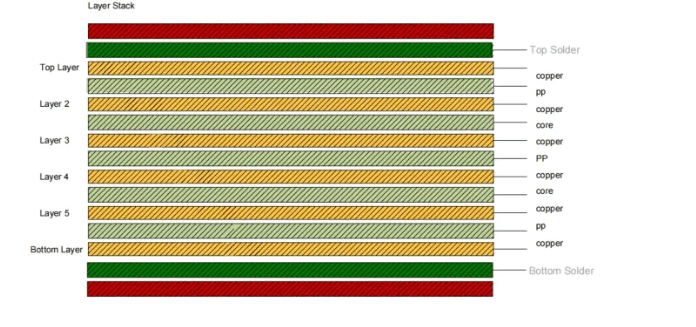
In the realm of pcb manufacturing, the selection of materials is crucial for producing circuit cards that meet both performance and durability standards. The core component, the printed circuit board (PCB) itself, is typically made from materials like FR4, a glass-reinforced epoxy laminate. This material offers excellent electrical insulation and is widely favored for its robustness. Other options, such as polyimide and Teflon, are used in specialized applications due to their superior thermal stability and low dielectric loss. Moreover, pcb manufacturing companies often integrate various conductive materials, including copper for traces and pads, to ensure optimal electrical connectivity. The choice of these key materials not only influences the performance of the final product but also impacts the overall production cost. When evaluating pcb manufacturing cost, remember that advanced materials can contribute to increased expenses but can provide significant benefits in terms of reliability and performance in high-demand environments. Additionally, incorporating advanced substrates can be a strategic move for your pcb manufacturing business, allowing you to meet specific requirements across diverse sectors such as telecommunications, automotive, and consumer electronics. By understanding these essential materials, you can better navigate the complexities of circuit card production while making informed decisions that enhance the value and functionality of your products.
Step-by-Step Guide to the Assembly Process
In the pcb manufacturing process, understanding the assembly stage is crucial for ensuring that the final product meets quality and performance standards. You start by preparing the printed circuit board (PCB), which serves as the foundation for all electronic components. Once your components are selected, you will typically follow two primary methods: surface-mount technology (SMT) and through-hole technology, based on your project requirements. As you position components accurately on the PCB, leveraging a solder paste, precision is key to reducing pcb manufacturing cost while ensuring functionality.
After placement, the boards undergo soldering – a process that may utilize reflow ovens for SMT or wave soldering techniques for through-hole components. Proper temperature management is essential to avoid damaging sensitive parts during this phase. Once soldered, you’ll inspect each board meticulously; any issues detected during this quality control step could lead to increased costs or project delays if not addressed promptly.
Finally, as your assembly process concludes, consider engaging with reputable pcb manufacturing companies that focus on cost-effective solutions while maintaining high standards of production quality. This approach not only enhances your pcb manufacturing business but also helps build a positive reputation in an increasingly competitive market. By paying attention to these steps and leveraging cutting-edge techniques, you can efficiently produce reliable circuits suitable for a wide range of applications.
Quality Control Measures in Circuit Card Production
In pcb manufacturing, maintaining high standards of quality is essential to ensure that the final products perform reliably in various applications. One of the primary quality control measures involves rigorous testing of the circuit cards throughout the pcb manufacturing process. Initially, you should implement thorough inspections during each phase, including component placement and soldering. This ensures that any defects are identified and addressed before they escalate into more significant issues.
Additionally, employing automated optical inspection (AOI) technology can significantly enhance your ability to detect errors, such as misaligned components or solder defects. Regular audits and process reviews by pcb manufacturing companies are also critical; these not only assess the adherence to established protocols but also help identify opportunities for improvement in pcb manufacturing cost efficiency. Moreover, utilizing well-defined metrics for product reliability and performance can provide you with valuable insights into the quality of your circuit cards, facilitating a focus on continuous improvement.
Lastly, fostering a culture of quality within your pcb manufacturing business ensures that every team member is committed to upholding high standards. This collective responsibility for quality helps mitigate risks associated with defects and enhances overall customer satisfaction with your products. By implementing these comprehensive quality control measures, you can produce high-quality circuit cards that excel in performance and longevity.
Innovations in Surface-Mount Technology (SMT)
In the realm of circuit card manufacturing, Surface-Mount Technology (SMT) has revolutionized how components are assembled onto printed circuit boards (PCBs). Unlike traditional methods, SMT allows for components to be mounted directly onto the surface of PCBs, which significantly reduces the overall pcb manufacturing cost and enhances production efficiency. You might be surprised to learn that many leading pcb manufacturing companies are now investing heavily in advanced SMT equipment and techniques, aimed at optimizing their assembly processes. These innovations not only increase density on circuit boards but also improve reliability and performance—a crucial factor for your products.
By integrating automated pick-and-place machines, these companies can ensure that each component is accurately positioned, further minimizing human error and enhancing quality control measures in circuit card production. The speed and precision exhibited in SMT not only streamline operations but also reduce lead times, enabling your business to respond more swiftly to market demands. As you explore the options available in the pcb manufacturing business, it is essential to consider how these advancements can contribute to better outcomes for your projects. Embracing Surface-Mount Technology may become a cornerstone of your strategy as you aim for optimized performance and cost-effectiveness in circuit card assembly.
Through-Hole Technology: Benefits and Applications
Through-hole technology has been a cornerstone in pcb manufacturing for several decades, offering distinct advantages that cater to various applications. This method involves the insertion of component leads through holes drilled into the circuit board, which are then soldered to pads on the opposite side. One significant advantage of this technique is its mechanical strength; the components are securely anchored, making it ideal for applications subjected to vibration and stress. Furthermore, pcb manufacturing companies often utilize through-hole technology for components needing robust mounting, such as connectors or large capacitors.
With respect to performance, through-hole designs can handle higher power levels compared to surface-mounted devices, which is why they remain prevalent in industries like aerospace and military. However, it’s essential to note that while the pcb manufacturing cost may be higher due to the additional labor and time required for assembly, the durability and reliability typically justify this investment.
“Choosing the right manufacturing technique is fundamental to ensuring the success of your pcb manufacturing business.”
Through-hole technology can also integrate well with other methods, allowing you to leverage its benefits while also utilizing surface-mount technology as needed. Embracing a balanced approach can provide you with a more versatile product line that meets diverse market needs while maintaining cost-efficiency and performance standards.
Challenges in Circuit Card Manufacturing and Solutions
In the competitive landscape of pcb manufacturing, various challenges can arise that affect the quality and efficiency of produced circuit cards. One significant issue is the complexity involved in the design phase, which can lead to costly mistakes if not addressed properly. To navigate this, collaborating closely with experienced pcb manufacturing companies can provide valuable insights and mitigate potential drawbacks early in the process. Another challenge stems from material sourcing, where fluctuating prices can impact your pcb manufacturing cost. To combat this, consider establishing long-term relationships with reputable suppliers to ensure stability in pricing and quality.
Furthermore, the assembly process often presents pitfalls, particularly with intricate designs that require precise placement of components. Adopting advanced technologies such as surface-mount technology (SMT) can enhance assembly accuracy and reduce errors significantly. While these technologies may come with a higher initial investment, they ultimately bolster your pcb manufacturing business by increasing production speed and minimizing rework.
Lastly, maintaining stringent quality control measures is crucial to overcome defects that may arise during production. Implementing a robust testing protocol throughout the assembly line not only helps in identifying flaws early but also ensures that your products meet industry standards. By addressing these challenges head-on through strategic partnerships, innovative technologies, and rigorous quality processes, you can significantly improve your circuit card manufacturing outcomes and set your business up for success in an evolving market.

Future Trends in Circuit Card Production
As you explore the evolving landscape of pcb manufacturing, it’s essential to understand the trends shaping the future of this industry. One significant trend is the increasing demand for high-density interconnect (HDI) designs, which allow for more complex circuit cards while saving space. This demand is driven by advancements in consumer electronics, telecommunications, and automotive technologies. As pcb manufacturing companies innovate, they are focusing on improving production efficiency through automation and smart technologies that enable faster turnaround times without compromising quality.
There’s also a notable shift towards eco-friendly materials and processes, as sustainability becomes a priority for many manufacturers. This change not only affects material selection but also involves implementing practices that reduce waste and energy consumption across the pcb manufacturing business spectrum. Furthermore, as technology progresses, you may see a rise in advanced materials such as flexible substrates that cater to specialized applications in wearables and IoT devices.
In addition to these developments, pcb manufacturing costs are likely to be influenced by global supply chain dynamics and trade policies. Companies will need to navigate these factors carefully to maintain profitability while continuing to innovate and meet market demands. Staying informed about these trends will allow you to better evaluate potential partnerships with pcb manufacturing companies as they adapt to a rapidly changing environment while striving for excellence in production processes.

Conclusion
In summation, a well-structured approach to pcb manufacturing is essential for achieving high-quality circuit cards that meet diverse application needs. By understanding the intricacies involved in the pcb manufacturing business, you can make informed choices that enhance efficiency and reduce the pcb manufacturing cost. Whether you are sourcing materials or selecting partnerships with reliable pcb manufacturing companies, it is crucial to evaluate each aspect of the process meticulously. Innovations in technology, such as surface-mount and through-hole methods, continue to shape the landscape of circuit card production. Emphasizing quality control measures will not only ensure the reliability of your products but also position you favorably in a competitive market. Whether you’re focusing on design or seeking scalability in production, a strategic outlook on your pcb manufacturing journey can lead to substantial benefits and long-term success.
FAQs
What is PCB manufacturing?
PCB manufacturing refers to the process of producing printed circuit boards (PCBs), which are essential for the assembly of electronic components in various devices. It involves designing, fabricating, and assembling circuit cards that support the electronic functions of equipment.
How do I choose a reliable PCB manufacturing company?
When selecting PCB manufacturing companies, consider factors such as their industry reputation, quality assurance practices, production capabilities, and customer reviews. It’s also beneficial to compare their PCB manufacturing cost with your budget while ensuring they meet the necessary quality standards.
What are the typical costs involved in PCB manufacturing?
The PCB manufacturing cost can vary significantly based on several factors, including the complexity of the design, the materials used, and the volume of production. Basic boards might have lower costs compared to intricate designs requiring advanced technologies.
Can I start my own PCB manufacturing business?
Yes, starting a PCB manufacturing business is feasible if you have a clear understanding of industry requirements and market demand. You will need to invest in equipment and skilled personnel while also developing relationships with suppliers for materials.
What technologies are commonly used in PCB manufacturing?
The two predominant technologies in PCB manufacturing are Surface-Mount Technology (SMT) and Through-Hole Technology (THT). Both methods have distinct advantages depending on your specific applications and design needs.