Efficient Fabrication of PCB Prototypes for Rapid Development
Key Takeaways
When it comes to PCB manufacturing, understanding the key takeaways from efficient fabrication techniques can significantly impact your project’s success. One of the primary aspects to consider is the role of innovative techniques for efficient PCB fabrication. These methods not only save time but also enhance the overall quality of your prototypes. As you dive into the world of PCB manufacturing companies, keeping an eye on technology advancements that streamline processes will surely benefit you in reducing pcb manufacturing cost.
For instance, exploring rapid prototyping tools allows for quicker iterations, paving the way for effective decision-making during product development phases. Using these tools efficiently can make a noticeable difference in the pcb manufacturing business, especially when it comes to meeting tight deadlines without sacrificing quality.
In addition, consider forming strategic partnerships with recognized PCB manufacturing companies that are dedicated to providing cutting-edge services and optimizing your PCB manufacturing efforts. Investing in reliable tools and maintaining effective workflows is crucial; an organized approach can significantly speed up the prototyping process.
“The right tools and partnerships in your PCB manufacturing strategy can elevate productivity beyond expectations.”
Here’s a quick overview to keep in mind:
| Aspect | Importance |
|---|---|
| Innovative Techniques | Enhances efficiency and quality |
| Cost Control | Reduces pcb manufacturing cost |
| Strategic Partnerships | Offers access to advanced resources |
| Effective Workflow | Accelerates prototyping process |
In summary, focusing on these key components can propel your efforts forward in achieving rapid development without compromising on expenses or product integrity.
Introduction to PCB Prototype Fabrication
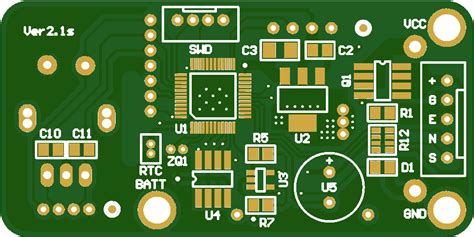
In the realm of PCB manufacturing, understanding the nuances of PCB prototype fabrication is crucial for anyone looking to bring innovative designs to life. You may find that mastering this area not only enhances your skills but also plays a vital role in the efficiency of your PCB manufacturing business. Rapid development in PCB design necessitates swift prototyping, and it is here that effective techniques come into play. By adopting streamlined approaches, you can reduce the PCB manufacturing cost, allowing for cost-effective experimentation and refinement of your designs. Additionally, collaborating with reputable PCB manufacturing companies can further expedite this process, ensuring high-quality prototypes that meet industry standards. Whether you are refining a prototype or transitioning to production, the essential practices of fabrication will empower you to innovate and adapt in an increasingly competitive market. Ultimately, a deeper understanding of pcb manufacturing processes will significantly contribute to your success in achieving timely and efficient outcomes for your projects.
Importance of Rapid Development in PCB Design
In today’s fast-paced technological landscape, the importance of rapid development in PCB design cannot be overstated. As you embark on your PCB manufacturing journey, the ability to quickly prototype your designs enables you to test concepts and iterate faster than ever before. This speed is crucial, particularly for PCB manufacturing companies that need to remain competitive and responsive to market changes. The overall efficiency gains from quick prototyping can significantly impact the PCB manufacturing cost, as it allows for more effective use of resources and reduces the time spent on each project. Moreover, in a thriving pcb manufacturing business, adopting rapid development practices equips you to respond swiftly to customer feedback and changing requirements, ultimately leading to better product offerings. By prioritizing rapid prototyping, you not only enhance your design process but also position yourself favorably in a landscape where innovation is key.
Innovative Techniques for Efficient PCB Fabrication
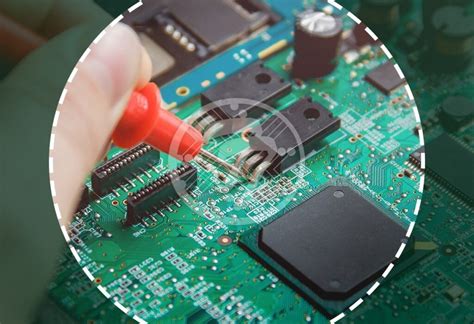
In the ever-evolving realm of PCB manufacturing, you are likely aware of the increasing demand for faster and more cost-effective solutions. To stay competitive, it’s essential to explore innovative techniques that can significantly enhance your prototype fabrication processes. One effective approach is implementing advanced automation technologies, which not only increase productivity but also reduce manual errors, ultimately lowering the overall pcb manufacturing cost. Additionally, utilizing computer-aided design (CAD) tools can streamline the design process, allowing for more precise layouts and quicker revisions. By collaborating with leading pcb manufacturing companies, you can gain insights into best practices that drive efficiency. It’s also beneficial to adopt flexible manufacturing practices that enable rapid adjustments to production lines based on project requirements and material availability. This adaptive approach not only caters to urgent demands but also aligns well with your development timelines, ensuring that your pcb manufacturing business remains agile in a competitive market. As you incorporate these techniques, keep an eye on emerging tools that promise further enhancements in workflow and output quality, assisting you in achieving shorter lead times and optimizing resources effectively.
Cost-Effective Methods for Prototype Development
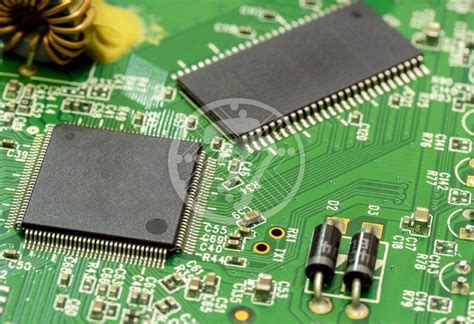
When it comes to pcb manufacturing, you must consider several cost-effective methods that can significantly enhance your prototype development process. By leveraging techniques that optimize resource allocation and production efficiency, you can minimize the pcb manufacturing cost and speed up the overall workflow. One effective approach is to utilize rapid prototyping technologies, which allow you to create functional models quickly without incurring high expenses usually associated with traditional methods. Additionally, partnering with reputable pcb manufacturing companies can provide access to advanced tools and technologies that further streamline the process. These collaborations often lead to lower material costs and faster turnaround times, making your pcb manufacturing business more competitive in a rapidly evolving market. Furthermore, adopting design-for-manufacturing principles can ensure that your initial designs are more aligned with fabricational capabilities, ultimately leading to smoother production runs. By embracing these innovative strategies, you position yourself for success in a challenging environment while maintaining high standards of quality and efficiency.
Tools and Technologies Enhancing PCB Production
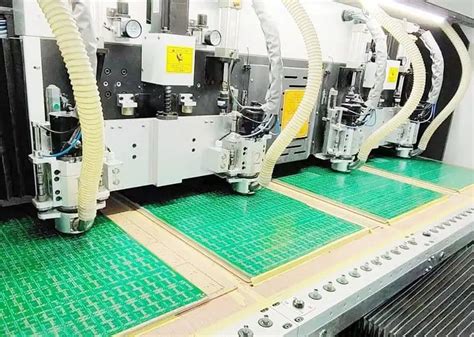
In today’s fast-paced market, leveraging the right tools and technologies is essential for optimizing PCB manufacturing processes. You can enhance your production capabilities by integrating advanced software solutions that enable precise design simulation and layout verification. These tools not only reduce errors but also significantly speed up the prototyping phase, allowing you to bring your designs to life faster. Additionally, consider investing in automation technologies that streamline processes such as drilling, routing, and assembly. By collaborating with top PCB manufacturing companies, you can gain access to state-of-the-art machinery that improves efficiency while keeping your PCB manufacturing cost in check. Choosing the right partners in the PCB manufacturing business allows you to share resources and expertise, ultimately leading to more innovative solutions. With a focus on continual improvement and adopting cutting-edge technologies, you can ensure that your production processes are not only efficient but also adaptable to future demands in the industry.
Streamlining Workflow for Faster Prototyping
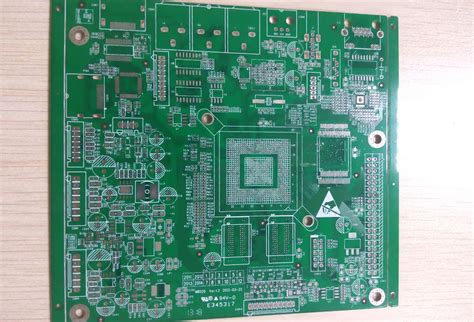
To achieve faster prototyping in PCB fabrication, you must consider several strategies that can streamline your workflow significantly. First, implementing automated processes can greatly reduce the time taken from concept to prototype. This might include using software tools that simplify design tasks or integrate with PCB manufacturing companies to expedite your designs. Moreover, adopting a modular approach allows you to break down the prototype into manageable parts, making it easier to iterate quickly based on feedback.
Utilizing just-in-time (JIT) production methods can also help lower your PCB manufacturing costs by ensuring that materials are available when needed without incurring excess inventory. This approach not only enhances efficiency but also allows for better cash flow management in your PCB manufacturing business. Furthermore, maintaining clear communication with your suppliers is crucial; strong relationships can lead to priority service for urgent requests and timely fulfillment of materials.
By leveraging innovative tools and optimizing your workflow, you not only increase productivity but also position yourself favorably within the competitive landscape of PCB manufacturing. Embrace these methodologies to ensure that you consistently meet deadlines while delivering high-quality prototypes efficiently.
Case Studies: Successful PCB Prototype Projects
When exploring successful PCB prototype projects, it is essential to recognize the impact of efficient pcb manufacturing practices adopted by various pcb manufacturing companies. For example, a leading tech firm recently streamlined its prototype development process by leveraging advanced software tools that enhanced design precision and reduced iteration cycles. By utilizing a cost-effective approach to pcb manufacturing, they minimized the overall pcb manufacturing cost, allowing for substantial budget allocations on innovative features instead of basic prototyping expenses. Another case study highlighted how a small startup gained a competitive edge in the market through swift pcb manufacturing business strategies. By partnering with efficient pcb manufacturing companies, they could quickly produce prototypes, test functionalities, and implement feedback—all within tight deadlines. These successful projects underscore the necessity of innovative techniques and tools that not only enhance productivity but also foster innovation in product development while keeping costs manageable. By focusing on these aspects, you can replicate such success in your own projects.
Future Trends in PCB Prototyping and Fabrication
As you look ahead in the realm of PCB prototyping and fabrication, it’s essential to recognize the shifts that are reshaping the industry landscape. The continued evolution of technology is leading to more agile methods, significantly enhancing efficiency in PCB manufacturing. Companies are increasingly adopting automation and machine learning to streamline processes, reducing both time and labor costs associated with pcb manufacturing.
Moreover, as environmental concerns gain prominence, there is a push towards sustainable practices that can minimize the overall pcb manufacturing cost while still delivering high-quality prototypes. Innovative materials will play a crucial role, as manufacturers explore eco-friendly options without sacrificing performance or durability. By engaging with leading pcb manufacturing companies, you can gain insights into these emerging trends and incorporate best practices into your own development processes.
Additionally, investing in collaborative design platforms is becoming a standard practice. These platforms not only facilitate improved communication among teams but also allow for rapid iterations of designs, further accelerating product development timelines. This collaboration is vital for businesses looking to stay competitive in the fast-paced landscape of pcb manufacturing business.
In summary, embracing these upcoming trends will empower you to advance your capabilities in PCB prototyping and fabrication, ensuring that you remain at the forefront of innovation while effectively managing costs and resources.
Conclusion
In summary, embracing efficient fabrication processes in PCB manufacturing can significantly enhance your capacity for rapid development and innovation. As you explore various pcb manufacturing companies, you’ll discover that the integration of cutting-edge tools and cost-effective methods not only accelerates your workflow but also reduces the overall expenses associated with pcb manufacturing costs. Understanding how each stage of the pcb manufacturing business contributes to timely project completion allows you to make informed decisions that drive your projects forward. By applying the innovative techniques discussed throughout this article, you can ensure that your prototypes are not only reflective of high-quality standards but also ready to meet market demands swiftly and effectively. The insights gained here will equip you with the knowledge needed to lead in an increasingly competitive landscape where efficiency and cost management are paramount.
FAQs
What is the importance of PCB manufacturing in rapid prototype development?
PCB manufacturing is crucial for rapid prototype development as it allows for faster iterations and testing of electronic designs. This agility in the development process helps you achieve quicker product launches and innovations.
How do I choose the right PCB manufacturing company?
Selecting a suitable PCB manufacturing company involves assessing their capabilities, turnaround time, quality of materials used, and their track record in delivering prototypes that meet specifications. Look for companies that also offer competitive pricing to ensure that you can manage your pcb manufacturing cost effectively.
What are the typical costs associated with PCB manufacturing?
The pcb manufacturing cost varies depending on several factors such as design complexity, material selection, quantity ordered, and lead time required. Understanding these factors will help you budget appropriately for your pcb manufacturing business needs.
Can I reduce costs when developing PCB prototypes?
Yes, costs can be minimized by optimizing your designs for manufacturability, choosing cost-effective materials, and working with experienced pcb manufacturing companies that offer competitive pricing without compromising quality.
What tools are essential for efficient PCB fabrication?
Essential tools for efficient PCB fabrication include design software like CAD tools, simulation software, and reliable fabrication machines capable of precise cuts. Incorporating these will enhance your overall tightening workflow during prototype development.