Efficient Flex Circuit Prototyping for Next-Gen Applications
Key Takeaways
When exploring flex circuit prototype technology, it’s essential to understand how these advancements can influence various industries. By focusing on efficient methodologies, you can significantly improve your pcb manufacturing processes. Many pcb manufacturing companies are prioritizing flexibility and adaptability in their production techniques, allowing them to meet the demands of next-gen applications.
Reducing the pcb manufacturing cost is not just about cheaper materials; it’s about optimizing design and production workflows to create more value. This involves employing innovative approaches in flex circuit design, where you can strategically align performance enhancement techniques with your overall goals.
Moreover, the ability to accelerate product development hinges on understanding the nuances of pcb manufacturing business strategies and methodologies. By integrating these elements into your development cycle, you’ll be better equipped to launch products that meet market needs swiftly and efficiently.
“In today’s fast-paced market, staying ahead means embracing new technologies while keeping costs manageable.”
By concentrating on these key takeaways, you’ll gain insights that not only promote efficiency but can also establish a competitive edge in the realm of flex circuits.
Introduction to Flex Circuit Prototyping
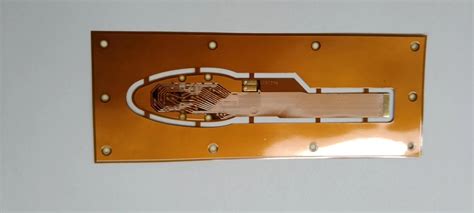
In the ever-evolving landscape of technology, flex circuit prototyping has emerged as a crucial component for various applications, especially in fields requiring compact and lightweight designs. As you delve into this realm, understanding the intricacies of pcb manufacturing becomes pivotal. The transition from traditional circuit boards to flex circuits offers significant advantages, such as superior flexibility and adaptability in diverse environments. This shift not only enhances performance but also presents unique opportunities for reducing manufacturing costs and improving time-to-market through streamlined processes. Partnering with reputable pcb manufacturing companies ensures that your prototypes are crafted with precision and efficiency, ultimately aligning with your project goals. As you navigate the complexities of the pcb manufacturing business, embracing these advanced methodologies will empower you to overcome common challenges, thus fostering innovation and growth within your ventures. Implementing efficient strategies in flex circuit prototype development can lead to remarkable outcomes, making it a worthwhile pursuit for those aiming to stay ahead in next-gen applications.
Advancements in Flex Circuit Technology
The flex circuit prototype landscape continues to evolve, influenced significantly by advancements in pcb manufacturing techniques. Your ability to leverage these advancements can drastically enhance the quality and efficiency of your prototypes. PCB manufacturing companies are increasingly adopting innovative methods that not only improve the fidelity of designs but also streamline production processes. This is particularly crucial in a competitive market where reducing the pcb manufacturing cost can give your business a significant edge.
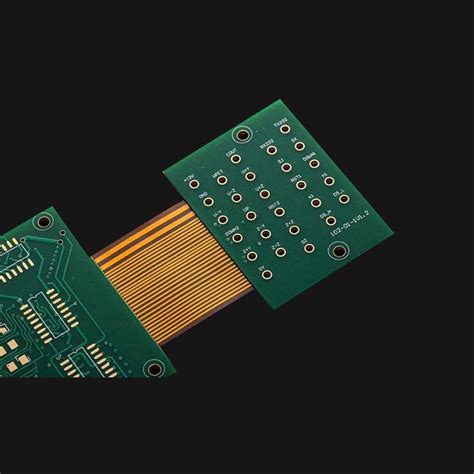
For instance, advanced material technologies have emerged, enabling designers to create more compact and lightweight circuits without compromising on performance. You might find new substrate materials that offer improved thermal management and electrical performance, which are essential for next-gen applications in sectors such as wearables, medical devices, and IoT gadgets.
In addition to embracing new materials, many manufacturers are focusing on automation in their production lines. This shift can lead to increased consistency and fewer defects in your prototypes. By understanding these trends and integrating them into your workflow, you can effectively accelerate product development cycles while maintaining high-quality standards.
Moreover, an investment in state-of-the-art design software allows for more rapid iterations of your flex circuit designs. You should consider this when collaborating with pcb manufacturing business partners as well—having access to sophisticated simulation tools can aid significantly in optimizing designs before they ever reach the production stage.
In summary, staying informed about the latest trends in flex circuit technology not only helps you enhance your product designs but also positions you advantageously against competitors. By making strategic decisions about materials and production techniques based on current advancements, you are better equipped to meet the demands of next-gen applications efficiently. For more insights into navigating these changes, consider exploring additional resources like Andwin PCB Assembly.
Methodologies for Efficient Prototype Development
In the realm of flex circuit prototyping, adopting efficient methodologies is crucial for enhancing the overall efficacy of your design and manufacturing processes. To optimize performance and minimize expenses, it is advisable to leverage streamlined communication between pcb manufacturing teams and designers. This collaboration will not only help in identifying potential challenges early on but also in mitigating the pcb manufacturing cost significantly. Utilizing advanced software tools can aid in creating precise prototypes, allowing you to simulate various scenarios and test their effectiveness before committing to full-scale pcb manufacturing operations. Moreover, engaging with reputable pcb manufacturing companies can provide invaluable insights into best practices, enabling you to tap into innovative approaches while ensuring your designs are cost-effective. By focusing on these methodologies, you can accelerate development timelines and enhance product reliability, which is paramount in today’s fast-paced market driven by next-gen applications. Adaptation of such strategies will put your pcb manufacturing business ahead in a landscape where efficiency and innovation are key to success.
Innovative Approaches in Flex Circuit Design
The design of flex circuits has evolved significantly, driven by the need for adaptability and performance in various applications. One innovative approach includes the incorporation of advanced materials that not only enhance electrical performance but also allow for greater flexibility and integration in compact spaces. By leveraging these materials, you can achieve reduced weight and a thinner profile, which is essential for modern devices. Additionally, utilizing 3D modeling software aids in visualizing complex designs before actual production, enabling more efficient revisions.
Moreover, when considering your pcb manufacturing, selecting a supplier who excels in this area is vital. Partnering with reputable pcb manufacturing companies that specialize in flex circuit prototyping can bring your concepts to life more efficiently. These companies embrace modern technologies and methodologies that can significantly lower your pcb manufacturing cost, streamlining processes from design to production. This integration not only benefits the quality of the end product but also accelerates your time to market.
Incorporating automation into your design process serves as another frontier in innovation. Automated systems facilitate precise assembly of components onto flex circuits, reducing human error and labor costs. With an eye on continuous improvement and staying ahead in the competitive landscape of the pcb manufacturing business, honing these innovative design approaches will ensure you are well-equipped to tackle next-generation applications with confidence.
Performance Enhancement Techniques for Flex Circuits
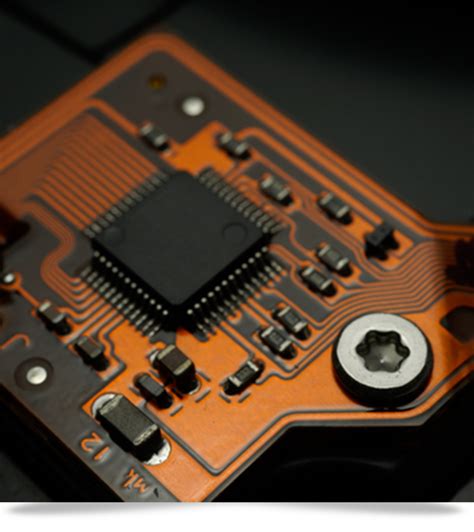
Enhancing the performance of flex circuits is pivotal for ensuring they meet the demands of next-gen applications. You can implement various techniques to achieve significant improvements. One effective method is optimizing design layouts, which allows for better current handling and signal integrity. By integrating high-frequency materials, you can reduce losses and improve overall functionality. Furthermore, working with reputable PCB manufacturing companies can yield better results, as they often offer advanced production techniques that ensure precision in your flex circuit prototypes.
Additionally, utilizing simulation software enables you to predict performance outcomes and troubleshoot design flaws early in the development process. This proactive approach helps in reducing pcb manufacturing costs by minimizing the need for multiple prototype iterations. For those of you managing a pcb manufacturing business, focusing on material selection is crucial; opting for lightweight and durable materials can significantly enhance not just the performance but also the lifespan of your final product. By incorporating these strategies, you can not only improve circuit performance but also position your products favorably in a competitive market.
Cost Reduction Strategies in Prototype Manufacturing
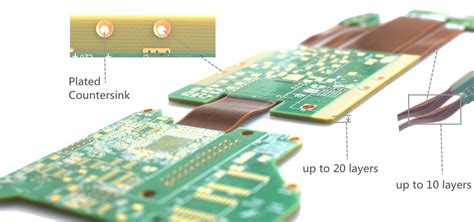
In the realm of flex circuit prototyping, cost efficiency plays a crucial role in staying competitive within the pcb manufacturing landscape. You can significantly reduce pcb manufacturing costs by adopting streamlined processes that focus on minimizing waste and optimizing material usage. Collaborating with reputable pcb manufacturing companies can further enhance this efficiency, as experienced partners often present innovative solutions that reduce production timelines and expenses. Integrating advanced methodologies such as automated inspection systems or just-in-time inventory management can also lead to a marked decrease in your overall manufacturing costs. By carefully analyzing your pcb manufacturing business, you can identify specific areas where adjustments can be made to reduce expenditure without compromising quality. An agile approach to product development enables you to respond quickly to market demands, ensuring that cost-effective practices are embedded in every phase of prototype manufacturing. Remember, the ultimate goal is not only to lower costs but also to enhance the overall performance of your products in the marketplace, which is essential for long-term success.
Accelerating Product Development with Flex Circuits
In today’s fast-paced technological landscape, speeding up product development is crucial for maintaining a competitive edge. One way you can achieve this is through the use of flex circuits, which allow for more compact and flexible designs compared to traditional PCB methods. Leveraging advanced pcb manufacturing techniques not only enhances the performance of your devices but also streamlines the overall development process. By integrating flex circuits into your designs, you can reduce the weight and size of your products, allowing for innovative applications that were previously unattainable. Moreover, collaborating with reputable pcb manufacturing companies can lead to significant research and prototyping efficiencies, enabling you to rapidly iterate on design concepts without incurring exorbitant pcb manufacturing costs. This means that not only can you enhance functionality, but you also optimize your resources effectively within the pcb manufacturing business paradigm. As a result, your products are brought to market faster, meeting consumer demands while maintaining high standards of quality and performance.
Future Trends in Flex Circuit Prototyping for Next-Gen Applications
As you look ahead in the field of flex circuit prototyping, it’s essential to recognize the emerging trends that are shaping the future of pcb manufacturing. One significant trend is the integration of advanced materials that enhance flexibility and performance, allowing your designs to withstand greater stress without sacrificing functionality. Additionally, pcb manufacturing companies are increasingly adopting automated processes that streamline production and reduce turnaround times. This shift not only enhances efficiency but also lowers the pcb manufacturing cost, enabling you to allocate resources more effectively. Furthermore, as the demand for small, compact electronics grows, there is a strong emphasis on developing prototypes that meet these needs without compromising on quality or durability. By staying informed about these trends and implementing innovative approaches in your pcb manufacturing business, you can position yourself at the forefront of technology and ensure that your next-gen applications meet evolving market demands while optimizing performance and cost-efficiency.
Conclusion
In summary, as you navigate the evolving landscape of flex circuit prototyping, it’s essential to keep abreast of the latest advancements that can significantly impact your projects. By employing efficient methodologies and innovative approaches, you are in a position to not only enhance performance but also effectively reduce the PCB manufacturing cost associated with your prototypes. Collaborating with reputable PCB manufacturing companies can streamline your design and development processes, ensuring that you achieve high-quality outputs without excessive expenditure. Furthermore, understanding various strategies to optimize your designs and production phases will empower you to remain competitive in the ever-changing market. The integration of flex circuits into next-gen applications will undoubtedly alter product development timelines for the better, driving forward your business in a sector that demands swift adaptability. Whether you’re managing a small startup or a more established PCB manufacturing business, leveraging these modern techniques is crucial for staying ahead of the curve.
FAQs
What is a flex circuit prototype?
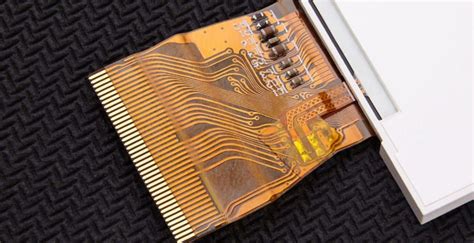
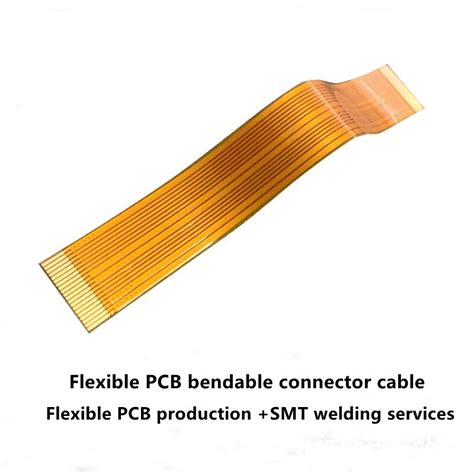
A flex circuit prototype refers to a flexible printed circuit board that is designed for various applications. It allows for the integration of electronic components in a lightweight and adaptable format, making it ideal for next-gen technology.
Why is flex circuit prototyping important for my project?
Employing flex circuit prototyping can significantly enhance the performance of your product while also enabling a more streamlined design process. By utilizing advanced methodologies, you can reduce the pcb manufacturing cost, which is crucial for ensuring your project’s overall viability.
How can I minimize pcb manufacturing costs?
To decrease pcb manufacturing costs, focus on efficient design practices and choose reliable pcb manufacturing companies that offer competitive pricing without compromising on quality. Consider volume production runs, which can often lead to substantial savings in overall costs.
What should I expect from leading pcb manufacturing companies?
Leading pcb manufacturing companies typically provide comprehensive services that include rapid prototyping, high-quality materials, and adherence to strict quality control measures. They should also be able to assist you with innovative solutions tailored to your specific flex circuit needs.
Are there specific methodologies I should follow for efficient prototype development?
Yes, there are several established methodologies in the field of flex circuit prototyping aimed at enhancing efficiency. Techniques such as Design for Manufacturing (DFM) and Design for Assembly (DFA) are essential principles that help streamline the development process and reduce time-to-market.
For more information on comprehensive pcb manufacturing services, please click here: Andwin PCB Manufacturing