Efficient One Stop PCB Assembly Solutions for Your Projects
Key Takeaways
When exploring the realm of PCB assembly, it becomes evident that understanding its fundamentals is crucial for optimizing your project outcomes. A one stop PCB assembly solution not only simplifies the logistics involved but also enhances efficiency throughout the production stages. Utilizing pcba services can greatly benefit your project by reducing lead times and consolidating various steps into a seamless process. Emphasizing innovative techniques in PCB manufacturing prepares teams to tackle complex designs while maintaining high standards of quality control. Moreover, the significant advantages of these all-in-one solutions include cost-effectiveness, which allows for the maximization of value in your projects without compromising on quality. By integrating such systems into your workflow, you are better equipped to navigate common challenges in the PCB assembly process, ultimately leading to successful project completions that meet both time and budgetary constraints.
Understanding the Basics of PCB Assembly
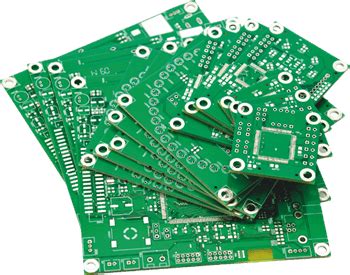
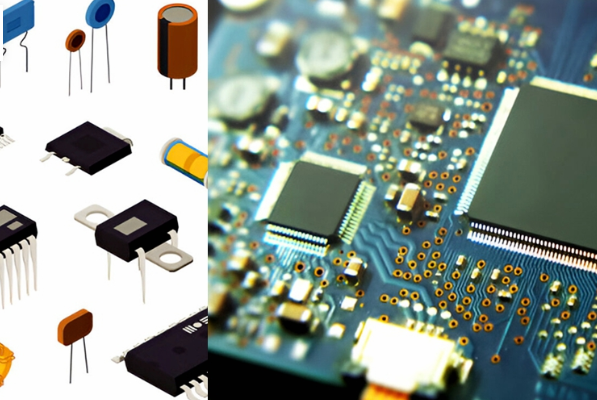
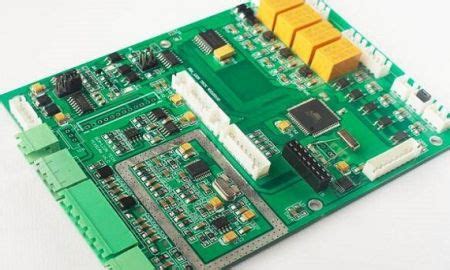
PCB assembly, often referred to as PCBA, is a fundamental process in the creation of electronic devices. It involves the mounting and connecting of various electronic components onto a printed circuit board (PCB) to form a functional circuit. The process can be divided into several key stages that include design, component sourcing, assembly, and testing.
At its core, PCB assembly begins with a well-thought-out design that leverages Electronic Design Automation (EDA) tools. These tools allow engineers to create schematics and layout designs that dictate where each component will be placed on the board. A critical factor in successful PCB assembly involves selecting high-quality components from reliable suppliers. When sourcing parts, it’s essential to consider factors such as availability, cost, and compatibility which can directly impact the overall efficiency and effectiveness of your PCBA process.
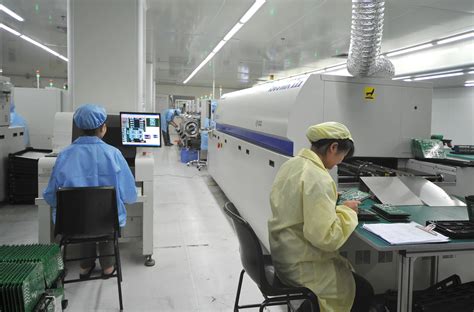
The assembly stage itself is where various techniques come into play. From manual soldering to advanced machine placement, different methods can yield varying results in terms of accuracy and speed. Companies often turn to one-stop PCB assembly services to streamline these processes, bringing together all necessary skills and resources under one roof. This consolidation not only facilitates faster turnaround times but also simplifies communication between teams involved in different stages of production.
Lastly, once assembled, thorough testing is paramount. This stage ensures that every aspect of the PCBA meets quality standards before it’s delivered for final use. Adopting rigorous quality control measures during this phase helps mitigate potential issues that could arise later on during product deployment.
Summary Table: Stages of PCB Assembly
| Stage | Description |
|---|---|
| Design | Creation of circuit schematics using EDA tools |
| Component Sourcing | Selecting reliable electronic components |
| Assembly | Mounting components using various techniques |
| Testing | Conducting quality checks on assembled PCBs |
Understanding these foundational aspects is crucial for anyone looking to engage in or improve their PCB assembly processes effectively.

The Benefits of One Stop PCB Assembly Services
Utilizing one stop PCB assembly services offers a multitude of advantages for businesses seeking efficiency and quality in their electronic projects. By consolidating various stages of the PCB assembly process under one roof, companies can significantly streamline operations. This results in reduced lead times, as well as a more integrated approach to project management.
One notable benefit is the enhancement of communication and collaboration throughout the development cycle. When all aspects of PCBA—from design to fabrication and final assembly—are handled by a single provider, teams can easily share insights and address issues promptly. This continuity often leads to better alignment with project goals, ensuring that quality standards are upheld throughout.
Moreover, one stop services often incorporate cutting-edge technologies that contribute to innovation in the production process. These innovative techniques can lead to more efficient manufacturing methods and improved product performance. Implementing such advancements not only fosters higher quality products but also reduces waste, resulting in more sustainable practices.
Cost-effectiveness is another significant advantage of adopting one stop PCB assembly solutions. By minimizing the number of vendors involved, organizations can realize substantial savings on logistics and overhead costs. Additionally, bulk procurement options generally available through a single supplier may help lower material costs.
“Streamlining your processes not only saves time but also enhances overall productivity.”
In conclusion, embracing one stop PCB assembly services supports companies in executing their projects with enhanced efficiency—and ultimately leads to stronger market competitiveness through upholding high standards while effectively managing resource allocation.
Streamlining Your Design Process for PCB Assembly
To achieve effective PCB assembly outcomes, it is crucial to optimize the design process right from the start. The objective is to create a streamlined workflow that integrates seamlessly with PCBA needs. By utilizing advanced design software that accommodates industry standards, engineers can enhance collaboration among team members, ensuring that all stakeholders are on the same page. Furthermore, early engagement with one-stop PCB assembly services allows for valuable feedback during the design stage. This proactive approach helps identify potential issues before they escalate into costly delays during production. Incorporating design for manufacturability (DFM) principles can significantly improve efficiency by simplifying the manufacturing process and reducing errors. Adopting these practices not only fosters innovation but also ensures that each step from concept to prototype to final assembly is executed with precision, ultimately driving more effective project outcomes in a increasingly competitive marketplace. By prioritizing these elements in your design process, you can leverage the full potential of PCB assembly capabilities while maintaining high quality and cost-effectiveness throughout your projects.
Innovative Techniques in PCB Manufacturing
In the evolving field of PCB assembly, innovation plays a pivotal role in enhancing production efficiency and quality. One of the most significant advancements is the use of automated assembly techniques, which streamline the placement of components on printed circuit boards. These techniques not only reduce assembly time but also increase precision, ensuring that each component is accurately positioned, thereby minimizing the risk of errors. Additionally, embracing surface mount technology (SMT) allows for more compact designs and better electrical performance, making it an essential aspect of modern PCBA processes.
Furthermore, advancements in testing methods have greatly improved quality control throughout the PCB assembly process. Techniques such as Automated Optical Inspection (AOI) and X-ray inspection provide thorough evaluations at various stages of production, ensuring that defects are identified early. This proactive approach not only bolsters the overall reliability of products but also significantly reduces costs associated with rework and scrappage.
Integration with sophisticated software solutions is another key development in PCB manufacturing innovation. These tools assist in design verification, simulation, and layout optimization, leading to a more seamless transition from design to production. By utilizing such technologies, firms can enhance their capacity to produce high-quality PCBA efficiently while adhering to stringent timelines and budget constraints. Ultimately, incorporating these innovative techniques into the manufacturing process not only boosts productivity but also fosters a competitive edge in the fast-paced electronics market.
Quality Control Measures in One Stop PCB Solutions
In the realm of pcb assembly, maintaining stringent quality control measures is paramount to ensure the final product meets both industry standards and customer expectations. One of the core components of an effective pcba process is the implementation of rigorous testing protocols throughout various stages of assembly. This includes pre-assembly inspections where raw materials and components are vetted for compliance with specified guidelines. During the assembly phase, employing automated optical inspection (AOI) systems allows for real-time monitoring to detect any discrepancies or potential defects in solder joints and component placements. Additionally, functional testing post-assembly ensures that the finished product operates correctly under specified conditions.
By incorporating these measures into a one-stop PCB assembly solution, manufacturers can significantly reduce the likelihood of faults reaching clients. Utilizing state-of-the-art equipment and technology fosters a continuous feedback loop that not only identifies issues but also informs future improvements in both design and manufacturing processes. Furthermore, thorough documentation of all quality checks serves as an assurance for clients about the reliability and durability of their electronic products. Implementing such comprehensive quality control procedures ultimately enhances customer satisfaction while promoting confidence in using pcba services efficiently and effectively.
Cost-Effectiveness: Maximizing Value in Your Projects
In the realm of PCB assembly services, cost-effectiveness plays a pivotal role in determining the success of your projects. By opting for a one-stop PCB assembly solution, companies can significantly reduce expenses associated with component sourcing, manufacturing, and logistics. This integrated approach not only streamlines processes but also encourages bulk purchasing of materials, leading to lower costs per unit. Furthermore, efficient PCBA practices ensure that resources are utilized effectively and waste is minimized, resulting in a more sustainable operation. When every aspect of the production line is synchronized—from design verification to final assembly—clients can expect not only significant savings but also faster turnaround times. Innovative techniques in production and quality control contribute to maximized value, allowing for rapid adjustments based on feedback and market demands. Ultimately, investing in one-stop PCB assembly solutions enhances value not just through reduced costs but also through improved quality and reliability in your projects.
Real-World Applications of Efficient PCB Assembly
In today’s fast-paced technological environment, the applications of PCB assembly or PCBA are vast and varied, serving numerous industries such as automotive, consumer electronics, healthcare, and telecommunications. One notable example is in the automotive sector, where efficient PCB assembly processes are crucial for the development of sophisticated electronic control units that manage everything from engine performance to safety systems. Using a one-stop PCB assembly service allows manufacturers to streamline their production lines, reduce lead times, and ensure superior quality control. This integration is particularly vital in healthcare devices where reliability is paramount; medical equipment such as ultrasound machines and monitoring devices rely heavily on precision-engineered PCBs. Similarly, in consumer electronics, companies leverage the benefits of PCBA to enhance features while minimizing costs, ensuring they remain competitive. Furthermore, as telecommunications evolve with 5G technology and beyond, innovative manufacturing techniques and comprehensive assembly solutions pave the way for advanced connectivity devices. By adopting a one-stop PCB assembly approach, businesses can not only improve their production efficiency but also significantly accelerate their time to market while adhering to rigorous quality standards across all applications.
Navigating Challenges in the PCB Assembly Process
In the intricate realm of PCB assembly, numerous challenges can arise, potentially impacting the success of your project. One of the primary obstacles is ensuring the compatibility of various components within the printed circuit board assembly (PCBA). This requires a deep understanding of both design specifications and component specifications to prevent issues such as signal integrity loss. Another considerable challenge is managing production timelines. Delays can occur due to unforeseen circumstances like supply chain disruptions, which can hinder timely delivery and escalate costs. Thus, having a reliable one stop PCB assembly provider becomes essential for streamlined workflows and efficient handling of such disruptions.
Additionally, maintaining stringent quality control measures is critical throughout each phase of the PCBA process. This includes thorough inspections during design, prototyping, and final assembly to identify any defects or deviations early on. When quality assurance fails to meet standards, it can lead to failure in subsequent testing phases—all too often resulting in increased costs and timelines as rework becomes necessary.
Furthermore, as technology evolves rapidly, staying current with innovative techniques in PCB manufacturing can also pose a challenge for many organizations. Companies must be proactive in adopting these advancements to remain competitive while also ensuring their processes are adaptable enough to incorporate changes efficiently. By embracing a comprehensive one stop PCB assembly solution that addresses these challenges head-on, organizations can not only enhance their project outcomes but also capitalize on cost-effectiveness and quality assurance throughout the entire assembly process.
Conclusion
In summary, embracing one stop PCB assembly services can significantly enhance the efficiency of your projects. By integrating various stages of pcb assembly into a single, streamlined process, businesses can reduce lead times and improve communication among teams. This approach not only expedites the transition from design to production but also fosters innovation through the application of advanced techniques in pcba. Quality control is paramount; therefore, implementing robust quality measures at each phase ensures that the final product meets or exceeds industry standards. Moreover, cost-effectiveness is realized as resources are optimized and waste minimized, ultimately maximizing value in your PCB projects. As you navigate the complexities of traditional assembly methods, consider the advantages offered by a comprehensive one stop solution, which supports sustainability and responsiveness in an ever-evolving marketplace.
FAQs
What is PCB assembly?
PCB assembly, or PCBA, is the process of connecting electronic components to a printed circuit board (PCB) to create a functioning electronic device. This process involves various steps, including component placement, soldering, and testing.
What are the benefits of using one-stop PCB assembly services?
One-stop PCB assembly services simplify the manufacturing process by providing all necessary steps under one roof. This approach enhances efficiency, reduces communication errors, and can lead to significant cost savings through streamlined operations.
How can I streamline my design process for PCB assembly?
You can streamline your design process by utilizing advanced design software and collaborating with your PCB assembly provider early in the project. This proactive communication helps address potential issues before they arise, improving overall production efficiency.
What innovative techniques are used in PCB manufacturing?
Innovative techniques in PCB assembly include automation in component placement, advanced soldering technologies like selective soldering, and the use of 3D printing for rapid prototyping. These methods enhance precision and reduce lead times.
What quality control measures should be considered for one-stop PCB solutions?
Quality control measures include rigorous testing protocols such as Automated Optical Inspection (AOI), X-ray inspection for solder joints, and functional testing at various stages of production to ensure high reliability and performance.
How can I maximize cost-effectiveness in my projects involving PCBA?
Maximizing cost-effectiveness involves optimizing design for manufacturability (DFM), choosing the right materials without compromising quality, and leveraging bulk purchasing options with your PCB assembly provider.
What are some real-world applications of efficient PCB assembly?
Efficient PCBA processes are utilized across various industries such as consumer electronics, automotive applications, healthcare devices, and telecommunications equipment. Each application benefits from tailored solutions that enhance performance while controlling costs.
If you have more questions or need a detailed understanding of one-stop PCB assembly, please explore our services further by clicking on this link: please click here.