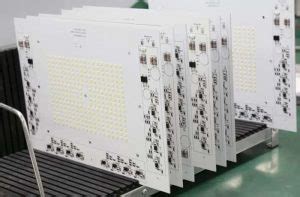
Efficient PCB Assembly for LED Tube Light Manufacturing
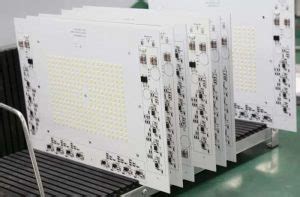
Key Takeaways
Efficient PCB assembly for LED tube lights is essential for maximizing both reliability and performance. As the demand for energy-efficient lighting solutions increases, manufacturers need to focus on optimizing their PCBA processes. Key takeaways include the importance of selecting high-quality materials that not only meet electrical requirements but also endure the specific environmental conditions they are subjected to. Techniques such as automation in the assembly line can significantly enhance production speed while ensuring precision. Additionally, employing rigorous quality control measures at various stages of PCB assembly is critical in identifying potential defects early on, thereby reducing waste and enhancing overall product quality. Understanding common issues in PCBA can also help manufacturers refine their processes, leading to improved efficiency and lower costs over time.
| Key Aspect | Importance |
|---|---|
| Material Quality | Crucial for durability and performance |
| Automation | Increases speed and accuracy |
| Quality Control | Reduces waste and defects |
| Troubleshooting | Enhances efficiency in production |
By honing these aspects of PCB assembly, companies can remain competitive within the LED manufacturing landscape while delivering high-quality products to meet consumer expectations.
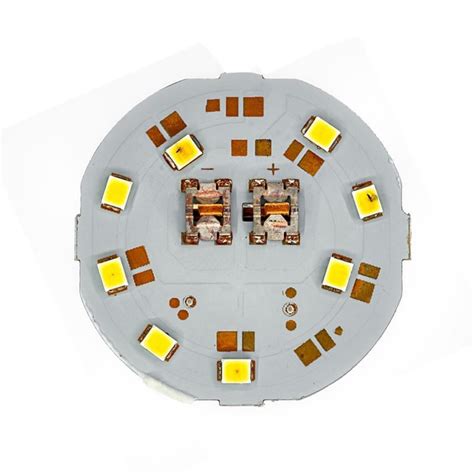
Introduction to LED Tube Light PCB Assembly
In the modern world of energy-efficient lighting, LED tube lights have gained immense popularity, primarily due to their longevity and lower energy consumption compared to traditional lighting solutions. At the heart of these advanced lighting systems lies the intricacies of pcb assembly. The PCB (Printed Circuit Board) assembly process plays a critical role in ensuring that the components are integrated efficiently to guarantee optimal performance and reliability. During the pcba process for LED tube lights, various factors come into play, including component placement precision and soldering quality. Proper assembly techniques not only enhance electrical connectivity but also impact thermal management and light output efficiency. Innovations in materials, such as improved solder masks and thermally conductive substrates, further elevate the performance of these assemblies. Understanding the nuances of LED tube light PCB assembly allows manufacturers to not only meet industry standards but also push towards greater sustainability and energy efficiency, ultimately contributing to a brighter future with more advanced lighting solutions.
Key Components of LED Tube Light PCBs
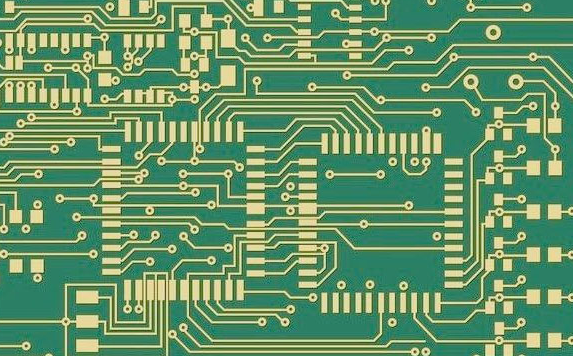
The PCB assembly process for LED tube lights involves several critical components that contribute to both functionality and performance. At the core of each lighting fixture is the printed circuit board (PCB) itself, which serves as the backbone for connecting various electronic components. These include LED chips, which are responsible for light emission, and resistors that help regulate current flow. Additionally, the integration of capacitors is essential for stabilizing voltage levels, thus ensuring consistent lighting output. To enhance energy efficiency, many designs incorporate driver circuits, which manage power delivery to the LEDs effectively.
Another vital element in PCBA (printed circuit board assembly) is the use of high-quality substrates that maintain durability while facilitating efficient thermal management. The choice of material can significantly influence heat dissipation, thereby impacting the overall life expectancy and reliability of the LED tube lights. Moreover, incorporating features such as surface mount technology (SMT) can optimize space on the PCB, allowing for more compact designs without compromising performance.
An essential consideration in PCB design is maintaining electrical continuity and signal integrity, which are crucial for minimizing energy loss during operation. This involves not just selecting the right components but also ensuring that they are placed strategically on the board to achieve optimal performance.
Overall, understanding these key components is fundamental in achieving a robust and efficient pcb assembly process that meets industry standards while delivering high-quality LED tube lighting solutions.
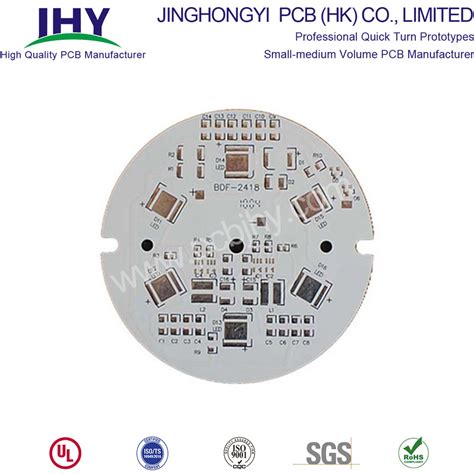
Best Practices in PCB Design for LED Tubes
When it comes to PCB assembly for LED tube lights, adopting best practices in design is crucial to ensuring optimal performance and longevity of the products. First and foremost, it is essential to consider the layout of the PCBA; this includes strategically placing components to minimize signal loss and heat generation. Utilizing a thermal management strategy, such as placing heat-sensitive components away from potential heat sources, can significantly improve the overall efficiency of the product.
Another important aspect of effective design is selecting appropriate materials. High-quality substrates can enhance electrical performance and durability. For instance, using materials that offer good thermal conductivity can help dissipate heat more effectively, thereby prolonging the lifespan of LEDs within the tube light.
It’s also advisable to adhere strictly to industry standards during both design and manufacturing stages. This ensures that every PCB assembly meets safety and performance benchmarks, which are critical for consumer confidence and regulatory compliance.
To further optimize the design process, employing simulation tools can be highly beneficial. These tools allow engineers to visualize electrical performance and make adjustments before committing to physical prototypes. As a wise suggestion from experts in the field: > “Simulate before you assemble; it saves time and resources in your PCB assembly journey.”
By focusing on these areas—layout optimization, material selection, adherence to standards, and utilizing simulation practices—manufacturers can achieve a more reliable PCBA that stands out in quality within the competitive market of LED tube lights.
Techniques for Efficient Assembly Processes
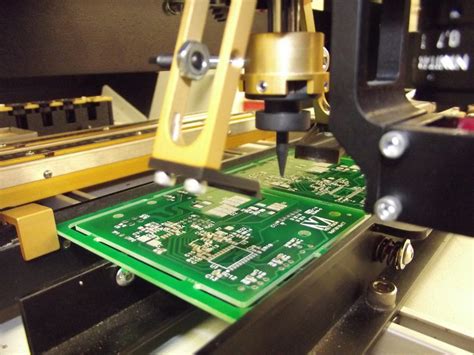
Efficient pcb assembly processes are critical in the production of LED tube lights, where precision and speed are paramount. One effective technique is the adoption of automated assembly machinery, which enhances efficiency by minimizing human error and increasing throughput. Additionally, implementing the principles of lean manufacturing can significantly reduce waste during the pcba process. By carefully analyzing workflow and adhering to just-in-time principles, manufacturers can streamline operations and improve productivity. Another essential method involves using surface mount technology (SMT), which allows for higher density designs and greater reliability in component placement on PCBs. Maintaining a clean working environment is also crucial; contamination can have detrimental effects on solder quality and functionality. Training personnel in best practices for handling components helps ensure that quality standards are met throughout the assembly process. Overall, these techniques not only bolster operational efficiency but also contribute to higher-quality pcb assembly outcomes for LED tube light manufacturing.
Innovations in Materials and Technology for LED PCBs
The landscape of LED tube light PCB assembly has evolved significantly due to advancements in materials and technology. These innovations not only streamlining the pcba process but also significantly enhance the overall performance and sustainability of the products. For instance, the integration of high thermal conductivity materials allows for better heat dissipation, thereby increasing the longevity and reliability of LED tube lights. Additionally, flexible printed circuit boards (PCBs) have emerged as a versatile solution, providing easier deployment in various lighting fixtures while maintaining high efficiency.
Technological enhancements, such as the use of surface mount technology (SMT), have optimized assembly line processes, resulting in tighter tolerances and improved component placement accuracy. This precision is crucial for ensuring that all elements of the pcba work harmoniously together. Innovations in soldering methods, including laser soldering, provide cleaner joints with reduced risk of thermal damage to sensitive components. Furthermore, advancements in automated testing solutions are pivotal in identifying defects early in the assembly process, minimizing waste and enhancing quality assurance.
As these trends continue to evolve, manufacturers are encouraged to adopt new materials that not only meet industry standards but also promote environmental sustainability. Incorporating lead-free solder options is one way to make production processes safer for both workers and consumers alike. These evolving technologies within LED PCB assembly reflect a commitment to continual improvement and innovation, ultimately leading to superior quality products that cater effectively to market demand.
Quality Control Measures in PCB Assembly
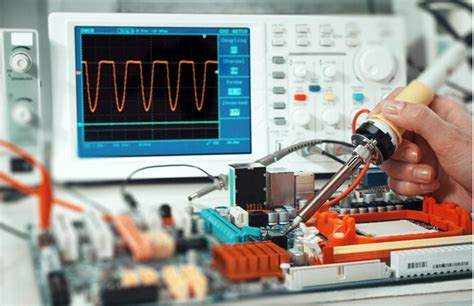
Quality control in PCB assembly for LED tube lights is paramount to ensuring the reliability and effectiveness of the final product. A robust quality control system encompasses various stages of the pcba process, starting right from the design phase. Implementing rigorous testing protocols during assembly can help identify defects early, significantly reducing costs and delays associated with rework. The use of automated optical inspection (AOI) systems has become standard practice, allowing for real-time verification of components and solder joints on the PCB before further assembly progresses. Furthermore, maintaining a clean and controlled environment is critical; this involves monitoring humidity and temperature to safeguard against issues that could compromise component integrity. Regular audits and adherence to industry standards such as IPC-A-610 ensure that all assemblies meet strict quality benchmarks. In addition, fostering a culture of quality among all team members through training and shared best practices can lead to continuous improvements in processes. This proactive approach not only enhances performance but also builds confidence among manufacturers and end-users regarding the longevity and safety of LED tube lights produced with meticulous attention to pcba quality control measures.
Troubleshooting Common Issues in PCB Manufacturing
In the realm of pcba for LED tube lights, various challenges can arise during the manufacturing process that can affect both efficiency and product quality. One common issue is component misalignment, which often occurs due to inaccuracies during the pcb assembly stage. Proper calibration of placement machinery is essential to minimize this risk. Another frequent problem is solder irregularities, including insufficient solder or cold solder joints, which can lead to inadequate electrical performance. Employing automated soldering techniques and ensuring the use of high-quality pcba materials can mitigate these issues significantly. Additionally, quality control measures should include regular inspections and testing at various stages of production to catch and address these problems early on. Moreover, environmental factors such as temperature and humidity levels in the manufacturing facility can impact the integrity of components and materials. Thus, maintaining optimal conditions is crucial for successful pcb assembly workflows. By understanding these common pitfalls and implementing strategic solutions, manufacturers can enhance their processes and ensure robust performance in LED tube light production.

Future Trends in LED Tube Light Manufacturing and PCB Assembly
As the demand for energy-efficient lighting solutions continues to rise, the manufacturing of LED tube lights and their associated PCB assembly processes are also evolving. In this dynamic landscape, innovative materials and advanced manufacturing techniques are playing a pivotal role. One of the most significant trends is the integration of smart technology into LED tube lights, allowing for features such as adjustable brightness and color temperature control. This integration often relies on enhanced PCBA designs that incorporate miniaturized components, ensuring that performance remains uncompromised while maximizing space efficiency.
Furthermore, automation in PCB assembly, driven by advancements in robotics and artificial intelligence, is streamlining production workflows. This not only reduces human error but also increases throughput, making it possible to meet the growing market demands without sacrificing quality. Companies are also exploring sustainable practices by utilizing eco-friendly materials in both LED tubes and their associated pcba processes. As environmental concerns gain prominence, manufacturers are prioritizing energy-efficient processes that minimize waste and enhance recyclability.
Additionally, trends toward modular designs enable easier upgrades and repairs of PCB assemblies in LED tube lights. Such designs not only enhance the longevity of products but also foster a service-oriented approach that can lead to better customer satisfaction. In summary, as technology continues to advance and consumer preferences shift toward sustainable solutions, it is clear that the future of LED tube light manufacturing and PCB assembly will be characterized by continuous innovation aimed at enhancing quality, efficiency, and overall performance.
Conclusion
In summary, the efficiency of PCB assembly for LED tube lights plays a crucial role in determining the overall quality and performance of the final product. As seen throughout this article, the nuances of pcba processes can significantly impact production timelines, costs, and product longevity. Implementing best practices in design and incorporating cutting-edge innovations not only streamline pcb assembly but also foster improved reliability and effectiveness. Manufacturers are encouraged to emphasize rigorous quality control measures at each stage of pcb assembly, as this can prevent common issues that may arise during production. By continuously adapting to emerging trends and technologies in LED tube light manufacturing, companies can maintain a competitive edge while ensuring that their products meet the ever-increasing demands of consumers for efficiency and sustainability. As the market evolves, embracing these changes will be essential in achieving operational excellence within the realm of pcba.
FAQs
What is PCB assembly in the context of LED tube lights?
PCB assembly refers to the process of fitting and soldering electronic components onto a printed circuit board (PCB) designed specifically for LED tube lights. This process ensures that the components are securely attached and function optimally within the manufacturing.
Why is efficient PCB assembly important for LED tube lights?
Efficient PCBA directly impacts production costs and product quality. By streamlining assembly processes, manufacturers can reduce waste, minimize errors, and enhance overall performance, leading to superior LED tube light products.
What are some best practices for PCB design in LED tubes?
Best practices include optimizing the layout for thermal management, ensuring adequate space for components, and utilizing proper spacing to prevent electrical interference. These factors significantly enhance the reliability and efficiency of pcb assembly.
What challenges are commonly faced during PCB assembly?
Common challenges include component misalignment, soldering defects, and thermal issues. Addressing these concerns through rigorous quality control measures can greatly improve the outcomes in PCBA for LED lights.
How can innovations in materials affect PCB assembly?
Innovations such as advanced substrates or lead-free solder can enhance durability and performance characteristics; consequently, they play a crucial role in achieving superior results during pcba processes for LED tube lights.
Discover More About PCB Assembly
If you want to learn more about how efficient PCB assembly enhances manufacturing processes, please click here to explore insights and best practices!