Efficient Solutions for Quick PCB Assembly Processes
Key Takeaways
Understanding the significance of quick PCB assembly is crucial for anyone involved in electronic manufacturing. The advancements in PCBA processes contribute not only to reduced turnaround times but also to enhanced quality and reduced production costs. Adopting best practices such as meticulous planning and streamlined workflows is essential for optimizing the pcb assembly process. Innovative techniques, including the use of automated assembly methods and precise soldering techniques, further empower manufacturers to achieve high efficiency without compromising on quality.
The implementation of the latest technologies, such as robotics and artificial intelligence, plays a vital role in enhancing the pace and reliability of pcba processes. These integrations not only speed up production but also minimize human error, ensuring that every unit meets stringent quality standards. Moreover, robust quality control measures must be put in place at various stages of manufacturing to identify potential defects early and ensure that end products are reliable and durable.
| Aspect | Importance |
|---|---|
| Best Practices | Optimize planning and workflow |
| Innovative Techniques | Enable high efficiency and quality assurance |
| Technologies | Enhance speed and reduce human error |
| Quality Control | Ensure reliable end products |
In conclusion, embracing these approaches will undoubtedly lead to a more effective pcb assembly operation, fostering sustainability in production while ultimately supporting growth within the electronic manufacturing sector.
Introduction to Quick PCB Assembly: Importance and Benefits
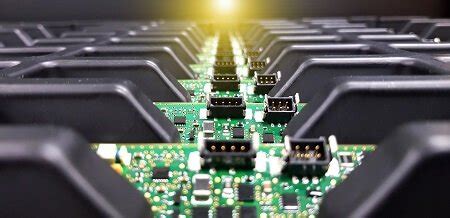
In today’s rapidly evolving technological landscape, quick PCB assembly has become a cornerstone of efficient electronic manufacturing. The importance of speed in the PCB assembly process cannot be overstated, as it directly impacts time-to-market for electronic products. As companies strive to deliver high-quality PCBA solutions while maintaining competitive pricing, the need for streamlined processes has grown more urgent. Quick PCB assembly allows manufacturers to respond swiftly to changing market demands, enabling them to seize opportunities and mitigate risks in an increasingly dynamic environment. Additionally, effective quick assembly practices contribute to improved cost management and resource allocation, ensuring that both time and materials are used efficiently. The benefits of adopting rapid assembly techniques extend beyond mere speed; they also encompass enhanced reliability and consistency in product quality. By focusing on the agility of production methods and leveraging state-of-the-art technologies, manufacturers position themselves favorably in a crowded marketplace while delivering exceptional value to their clients. Thus, understanding the multifaceted advantages of quick PCB assembly is essential for driving innovation and sustainability in electronic manufacturing today.

Best Practices for Streamlining PCB Assembly Processes
To achieve quick PCB assembly and enhance the efficiency of the PCBA process, several best practices can be adopted. First, optimizing the manufacturing workflow is crucial. This involves mapping out each step in the pcb assembly process and identifying potential bottlenecks. By analyzing these steps, manufacturers can implement strategies to eliminate delays and maximize productivity.
Additionally, ensuring that the design for manufacturability (DFM) principles are adhered to during the initial design phase can significantly reduce assembly time. This includes simplifying complex geometries and minimizing the number of layers or components wherever possible. An emphasis on standardizing components also plays a pivotal role; using common parts can reduce procurement times and permit faster replacements when necessary.
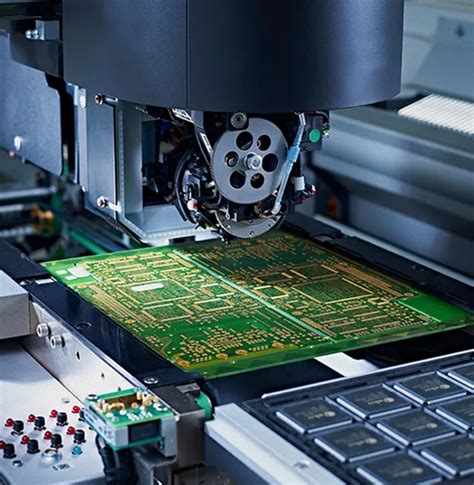
Another effective strategy is to invest in automation technologies. Incorporating machines for assembly processes, such as pick-and-place systems, can drastically decrease manual intervention while improving precision. Automated optical inspection (AOI) systems further enhance quality control by rapidly identifying defects early in production.
“Continuous improvement is key; routinely evaluating your processes helps maintain efficiency and quality.”
Lastly, fostering a skilled workforce through ongoing training in both traditional and advanced techniques is vital for maintaining a competitive edge in the PCB industry. Emphasizing effective communication among team members also facilitates quicker problem resolution during production, ultimately streamlining the entire PCBA process while ensuring high-quality outcomes. Through these best practices, companies can enhance their overall productivity and responsiveness to market demands in an ever-evolving technological landscape.
Innovative Techniques for Efficient PCB Production
In the realm of PCB assembly, the quest for efficiency and speed has led to the development of numerous innovative techniques that significantly enhance production capabilities. One noteworthy approach is the adoption of automated assembly systems, which utilize advanced robotics to position and solder components with remarkable precision. This not only accelerates the speed of PCBA operations but also minimizes human error, resulting in higher quality outcomes. Moreover, the integration of surface mount technology (SMT) has transformed traditional processes, allowing for denser component placement and a more compact design. This shift enables manufacturers to innovate while reducing assembly time. Another significant advancement is the implementation of data-driven production methodologies, which leverage real-time analytics to monitor processes and optimize workflows continuously. By analyzing data patterns, manufacturers can identify potential bottlenecks in their PCB assembly lines and make timely adjustments, ultimately leading to improved efficiency. As these techniques evolve, staying abreast of emerging technologies such as artificial intelligence (AI) and machine learning will further enhance rapid production capabilities while ensuring that quality remains uncompromised in the competitive landscape of electronic manufacturing.
Technologies Enhancing Quick PCB Assembly
The landscape of pcb assembly is rapidly evolving, thanks to innovative technologies that significantly enhance efficiency and precision in production. One such advancement is the adoption of automated soldering techniques, which minimize human error and increase throughput. Utilizing machines equipped with high-resolution cameras, manufacturers can achieve precise alignment of components, ensuring better results in the pcba process. Additionally, the integration of 3D printing in creating prototypes and even final products reduces lead times drastically. This method not only enables rapid iterations but also allows for complex geometries that traditional manufacturing methods cannot easily achieve.
Furthermore, the implementation of smart factories, which leverage the Internet of Things (IoT) and artificial intelligence, has transformed the way pcb assembly operations are managed. Real-time data analytics facilitate predictive maintenance and optimize supply chain management, hence decreasing downtime and ensuring that production workflows remain uninterrupted. Moreover, these technologies foster a more agile manufacturing environment where adjustments can be made on-the-fly to match changing production demands.
In this dynamic setting, practices such as Design for Manufacturability (DFM) have also gained prominence. By focusing on how designs impact manufacturing efficiency upfront, engineers can circumvent potential production challenges at later stages. This collaborative approach between design and manufacturing teams serves to enhance both quality and reliability in electronic manufacturing, ensuring that the output meets stringent industry standards while adhering to budgetary constraints.
As these technologies continue to evolve, they not only promise to streamline processes but also to maintain a high level of quality assurance within the rapid pcba environment. Ultimately, embracing these advancements positions manufacturers favorably within a competitive marketplace where speed and precision are paramount.
Quality Control in Rapid PCB Manufacturing
In the realm of quick PCB assembly, maintaining rigorous quality control is critical to ensuring the reliability of the final product. The pcba process begins with stringent quality checks at each stage, from the selection of raw materials to the final assembly. Utilizing advanced inspection techniques such as Automated Optical Inspection (AOI) and X-ray inspection plays a crucial role in identifying defects early on. These methods help detect issues like solder joint quality, component placement accuracy, and even hidden defects that may affect overall performance. Furthermore, implementing a robust testing protocol, including functional testing and environmental stress testing, guarantees that each pcb assembly meets or exceeds industry standards. Organizations also emphasize employee training and adherence to established procedures as part of their comprehensive quality management systems. By prioritizing these quality control measures within rapid manufacturing frameworks, companies can significantly enhance production efficiency while minimizing errors, thereby fulfilling customer demands for high-quality electronic solutions promptly. Achieving a balance between speed and quality not only streamlines production but also fosters trust in the end products among stakeholders and consumers alike.
Case Studies: Successful Quick PCB Assembly Implementations
In the dynamic world of electronics, real-world applications of PCB assembly exemplify how innovative strategies can significantly enhance production efficiency. One such case study involves a leading manufacturer that integrated automated PCBA lines to optimize their workflow. By deploying a combination of advanced robotics and sophisticated soldering techniques, they reduced the assembly time for complex circuit boards by over 30%. This transformation not only improved turnaround times but also maintained stringent quality standards, thus reinforcing their reputation in the market.
Another enlightening instance is that of a startup that leveraged cloud-based project management tools to streamline communication among team members throughout the PCB assembly process. By centralizing information and employing real-time tracking, they were able to identify bottlenecks and implement solutions swiftly. The result was a remarkable reduction in lead times, allowing them to respond more rapidly to market demands while ensuring that every completed project met industry standards for reliability.
These case studies highlight the importance of adopting best practices and utilizing innovative tools within PCBA processes. They illustrate how strategic decisions in technology implementation can lead to notable improvements in efficiency and product quality—an essential aspect as electronic manufacturing continues to evolve.
Future Trends in Electronic Manufacturing and PCB Assembly
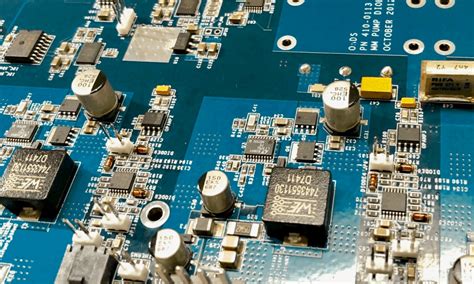
The landscape of electronic manufacturing is evolving rapidly, particularly in the realm of PCB assembly. As always, efficiency and quality remain at the forefront of industry demands. Companies are increasingly adopting smart manufacturing techniques that integrate advanced technologies such as Artificial Intelligence (AI) and the Internet of Things (IoT). These innovations not only enhance pcba processes but also provide real-time data analysis, allowing for immediate adjustments to production lines. Additionally, the trend toward using automated systems for solder paste application and component placement is becoming prevalent, significantly reducing human error and increasing speed. Limitations in traditional PCB assembly methods are being overcome through flexible manufacturing systems, which enable a more responsive approach to varying production volumes without compromising quality. Furthermore, as sustainability continues to gain importance in manufacturing practices, the introduction of eco-friendly materials is also noteworthy, promising a lower environmental impact while maintaining high standards of reliability in electronics. These emerging trends showcase a future where quick PCB assembly not only meets market demands but also sets new benchmarks for innovation and quality assurance in electronic manufacturing.
Conclusion: Maximizing Efficiency in PCB Production
Maximizing efficiency in PCB assembly processes is crucial for companies striving to stay competitive in the fast-paced world of electronics manufacturing. By implementing best practices that focus on each stage of the PCBA workflow, organizations can significantly reduce lead times while maintaining the desired quality standards. It is essential to embrace innovative techniques that facilitate quicker turnaround times, such as automated assembly systems, which not only enhance speed but also increase precision. Furthermore, leveraging advanced technologies like machine learning and AI-driven analytics can optimize production schedules, thereby minimizing downtime and waste. A robust approach to quality control cannot be overlooked; ensuring that each component meets stringent specifications is vital for reliability. Ultimately, drawing insights from successful case studies can guide businesses in refining their own PCB assembly processes. By committing to continual improvement and adaptation to emerging trends, manufacturers can ensure their operations are not just efficient but also sustainable for future growth.
Conclusion: Maximizing Efficiency in PCB Production
In the realm of pcb assembly, maximizing efficiency is essential for maintaining competitive advantage and meeting market demands. Implementing best practices in the assembly line, such as optimizing workflows and utilizing automation, can significantly reduce lead times. Additionally, embracing innovative techniques like surface mount technology (SMT) allows manufacturers to produce PCBA more swiftly while minimizing human error. The integration of advanced technologies, such as AI-driven inspection systems and real-time monitoring, enhances the reliability and quality of pcba processes. As highlighted throughout this discussion, focusing on quality control is imperative; consistent inspections and rigorous testing protocols ensure that products meet stringent standards before they reach the market. By embracing these measures, companies can effectively streamline their pcb assembly operations, leading to better output, higher customer satisfaction, and sustained growth in the competitive landscape of electronic manufacturing.
FAQs
What is PCB assembly and why is it important?
PCB assembly, often abbreviated as PCBA, refers to the process of soldering electronic components onto a printed circuit board to create a functional electronic device. Its importance lies in the fact that quality PCB assembly ensures the reliability and efficiency of electronic products, making it a critical component in the manufacturing process.
What are the best practices for quick PCB assembly?
Effective best practices for quick PCB assembly include thorough planning and design optimization, utilizing automated processes, and maintaining stringent quality control measures. Implementing these practices can significantly reduce production time while enhancing overall output quality.
What innovative techniques can enhance PCB production efficiency?
Innovative techniques include using advanced pick-and-place machines that increase placement speed and precision, employing surface mount technology (SMT) for compact designs, and utilizing rapid prototyping methods that allow for testing iterations before final production.
How do technologies enhance quick PCB assembly?
Technological advancements such as machine learning algorithms for predicting production bottlenecks, robotic automation for component placement, and improved CAD software for precise design layouts greatly enhance the speed and accuracy of PCB assembly, making processes more efficient.
How is quality control maintained during rapid PCB manufacturing?
Quality control during rapid PCB manufacturing is maintained through various processes like automated optical inspection (AOI), testing at different production stages, and implementing strict standards such as IPC guidelines to ensure reliability in the final product.
Are there case studies demonstrating successful quick PCB assembly implementations?
Yes, numerous case studies highlight successful PCBA implementations, showcasing companies that have adopted automation and lean manufacturing techniques which led to drastic reductions in lead times while maintaining high-quality standards.