Efficient Solutions for Small Volume PCB Assembly
Key Takeaways
In the realm of small volume PCB assembly, understanding and implementing effective strategies is crucial for industries that require low-quantity production. The primary goal is to achieve a balance between quality and cost, which can be managed through various cost-effective techniques. By leveraging efficient methods such as selective soldering and surface mount technology, manufacturers can significantly reduce the financial burden associated with PCBA while maintaining a high standard of workmanship.
One of the essential aspects of successful pcb assembly in small volumes is the streamlining of processes. This can involve the adoption of automated solutions where feasible, thereby minimizing manual labor while improving accuracy. Utilizing software tools for design revision and production planning also aids in enhancing operational efficiency.
Moreover, innovative solutions play a pivotal role in addressing specific challenges faced by small volume PCB producers. These may include flexible PCB design options that allow for easy modifications without extensive setup time or costs. When coupled with stringent quality assurance practices, these adaptations ensure that even low-volume productions meet or exceed industry standards.
It’s also imperative to recognize that as industries evolve, so do the methodologies associated with small volume PCB assembly. Staying abreast of future trends—such as integrating advanced materials or adopting enhanced manufacturing techniques—will further bolster production capabilities. The following table summarizes key factors essential for effective management of small volume PCBA:
| Factor | Importance |
|---|---|
| Cost Control | Reduces financial impact |
| Process Automation | Enhances precision and efficiency |
| Quality Assurance Practices | Maintains product reliability |
| Innovation | Adapts to industry changes |
| Training and Expertise | Increase workforce competency |
By focusing on these key takeaways, companies can navigate the complexities associated with small volume PCB assembly, ensuring they meet market demands efficiently while upholding product integrity.
Understanding Small Volume PCB Assembly: An Overview
Small volume PCB assembly refers to the production processes dedicated to creating electronic circuits in limited quantities. This niche segment of the electronics manufacturing industry addresses specific needs, such as prototype development, testing new designs, or fulfilling unique market demands where larger batches are unnecessary or economically unfeasible. In contrast to high-volume production, which often benefits from reduced costs through economies of scale, small volume PCBA projects require a more tailored approach. Companies may utilize innovative methodologies that prioritize flexibility and adaptability in their assembly processes. By embracing automation and advanced technologies, manufacturers can enhance efficiency while ensuring high-quality standards are maintained. The focus on small-scale production enables electronics designers and engineers to iterate their designs rapidly, leading to improved products that meet evolving market needs without the burden of significant upfront investment.
Cost-Effective Techniques for Low-Quantity Production
In today’s competitive landscape, small volume PCB assembly (PCBA) has gained prominence, especially for startups and niche markets. Implementing cost-effective techniques is crucial for managing low-quantity production without sacrificing quality. One effective approach is to adopt modular design principles, which allow for easier modifications and reusability of components across different projects. This not only reduces the need for extensive redesigns but also minimizes material waste and costs. Utilizing automated processes can further enhance efficiency in PCB assembly by streamlining assembly lines and reducing labor-intensive tasks.
Additionally, outsourcing specific production phases to specialized PCB manufacturing services can provide access to advanced technologies at a fraction of the cost of in-house production. It’s essential to maintain a close relationship with suppliers who understand the intricacies of pcba production, ensuring that any adjustments or component changes can be addressed efficiently.
“Continuous improvement and innovation in techniques are vital for staying ahead in the game of low-volume PCB assembly.”
Moreover, investing time in training personnel on the latest assembly practices is equally important. Skilled labor can detect potential issues early on, thereby reducing overall costs associated with rework or defects. In conclusion, embracing these cost-effective techniques not only streamlines operations but also positions companies to respond swiftly to market changes while fulfilling client demands effectively.
Streamlining Processes in Small Volume PCB Assembly
In the realm of small volume PCB assembly, optimizing processes is crucial for achieving efficiency and effectiveness in production. Streamlined processes begin with precise planning and scheduling, which are vital for managing resources and timelines effectively. Utilizing advanced software tools can greatly enhance visibility into the production schedule, enabling manufacturers to allocate resources smartly, thus ensuring that each pcba is carefully monitored throughout its lifecycle.
Another important aspect of streamlining involves establishing a modular approach to assembly. By dividing the pcb assembly tasks into clearly defined modules, manufacturers can facilitate smoother workflows, reduce bottlenecks, and minimize downtime. This modular strategy not only accelerates the assembly process but also allows for easier integration of last-minute design changes without disrupting the overall production rhythm.
Investing in automation technologies for repetitive tasks is also instrumental in enhancing efficiency. Automated pick-and-place machines, along with soldering technologies, can drastically reduce human error while improving throughput rates. Adopting lean manufacturing principles helps to identify and eliminate waste, ensuring that each step in the pcba process adds value.
Moreover, a focus on ongoing employee training fosters a skilled workforce capable of adapting to innovative solutions that arise over time. By maintaining robust communication channels among team members involved in small volume PCB assembly, collective problem-solving becomes a norm, leading to further optimizations in how operations are conducted.
In summary, streamlining processes within small volume PCB assembly not only addresses immediate production challenges but also positions manufacturers favorably against competition by enhancing quality and reducing costs without compromising on standards.
Innovative Solutions to Enhance PCB Assembly Efficiency
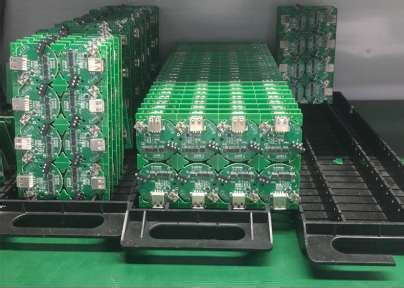
In the realm of small volume PCB assembly, companies are continually seeking innovative solutions that enhance the efficiency of their production lines. The integration of automation technologies, such as automated pick-and-place machines, has significantly streamlined the processes involved in pcba. These machines not only increase production speed but also improve placement accuracy, which is pivotal in low-quantity runs where precision is paramount. Moreover, implementing advanced software for design for manufacturing (DFM) can lead to optimizations that minimize waste and reduce costs associated with material handling. Additionally, employing modular assembly techniques allows for flexibility in production, enabling manufacturers to quickly adapt to varying customer needs without extensive reconfiguration time or significant investment. By utilizing these progressive methods, businesses can meet the demands of low-quantity production while adhering to stringent quality standards. The result is a more agile assembly process that not only meets market needs but positions companies favorably in an increasingly competitive landscape. As manufacturers navigate the complexities of small volume PCB assembly, these innovative strategies pave the way for heightened productivity and sustained quality in their outputs.
Quality Assurance in Small Volume Production
In the realm of small volume PCB assembly, maintaining high standards of quality is of utmost importance, especially when the production runs are low but still require precision and reliability. The challenge lies in balancing cost-effectiveness with robust quality assurance protocols. To achieve this, implementing automated testing procedures can significantly enhance the effectiveness of the PCBA process. By utilizing sophisticated technology, manufacturers can conduct thorough inspections without inflating costs. Moreover, regular training for staff on best practices not only improves their skills but also instills a culture of quality awareness throughout the organization. This is critical as even minor defects can have disproportionate impacts on low-quantity production runs. Additionally, employing advanced materials known for their durability and performance can contribute to minimizing defects during assembly. By closely monitoring each phase—from design to final inspection—manufacturers can ensure that each pcb assembly meets stringent quality criteria, thus safeguarding both reputation and customer satisfaction in a competitive landscape. In summary, a comprehensive approach to quality assurance in small volume PCB assembly entails investing in technology, training, and materials that together forge a pathway to reliability and excellence in production outputs.
Challenges and Solutions in Small Volume PCB Manufacturing
Navigating the landscape of small volume PCB assembly presents unique challenges that can affect both efficiency and cost. One predominant hurdle is the cost associated with materials and processes tailored to low-quantity production. Typically, high-volume runs benefit from economies of scale, making individual board costs lower; however, in small volume situations, this is not feasible, often resulting in increased per-unit expenses. To mitigate this issue, manufacturers can adopt cost-effective techniques such as using standardized components and investing in modular setups that allow for flexible configurations without extensive retooling.
Another significant challenge lies in achieving consistent quality across each batch, as the desire for immediate results can sometimes lead to rushed processes. By incorporating comprehensive quality assurance protocols throughout the PCBA process, manufacturers can ensure that each unit meets required standards despite lower quantities. Transitioning to automated inspection systems for small runs can further boost quality control while minimizing human error.
Finally, addressing the logistical challenges associated with sourcing materials for low-volume runs is crucial. Suppliers may often prioritize larger clients; thus, establishing strong partnerships with reliable suppliers who understand the dynamics of small volume PCB assembly is essential for consistent supply and timely production cycles. By focusing on these targeted strategies, companies engaged in small volume PCB manufacturing can successfully navigate obstacles while still delivering high-quality products that meet customer expectations.
Case Studies: Success Stories in Small Volume PCB Assembly
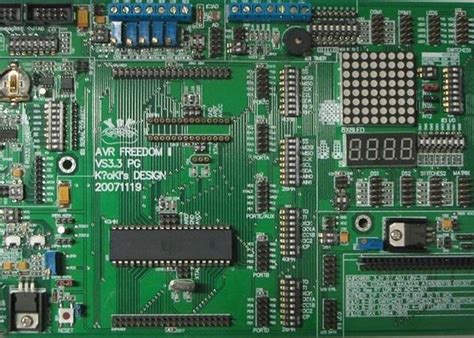
In the realm of small volume PCB assembly, numerous success stories exemplify the effectiveness of tailored strategies that cater to low-quantity production needs. One notable case involved a startup that required a series of prototypes for a novel consumer device. By employing innovative pcb assembly techniques, such as selective soldering and automated pick-and-place systems, they successfully brought their product to market within a tight timeline. This approach not only optimized their pcba process but also significantly reduced costs typically associated with low-volume runs. Another success story revolves around a medical device manufacturer facing stringent regulatory standards while producing limited quantities of highly specialized equipment. Through meticulous attention to quality assurance and streamlined workflows, they achieved compliance without sacrificing performance or reliability in their pcb assembly operations. These cases illustrate how companies can effectively leverage specialized solutions and practices in small volume PCB assembly to meet their unique challenges while maintaining high standards and operational efficiency.
Future Trends in Low-Volume PCB Production Solutions
As the demand for customized electronics continues to grow, the landscape of small volume PCB assembly is evolving rapidly. Increasingly, manufacturers are adopting advanced technologies such as automated systems and artificial intelligence to streamline their pcba processes. These innovations not only enhance efficiency but also enable higher precision in production. Another notable trend is the shift toward sustainable practices in pcb assembly, where companies are integrating environmentally-friendly materials and methods into their workflows. Furthermore, with the rise of Industry 4.0, real-time data analytics and IoT devices are revolutionizing how manufacturers monitor their production lines, lead times, and inventory management. As low-volume production solutions become more agile and adaptable, stakeholders can expect a significant reduction in costs associated with overproduction and material waste. Access to cloud-based platforms also facilitates seamless collaboration among teams scattered globally, allowing for a more integrated approach to designing and producing printed circuit boards efficiently. Hence, the future of small volume PCB assembly is characterized by an emphasis on technology-driven efficiency, sustainability, and collaboration—all crucial factors for remaining competitive in this dynamic market.
Conclusion
The landscape of small volume PCB assembly has evolved significantly, presenting unique opportunities and challenges for manufacturers and designers alike. By leveraging cost-effective techniques, it is possible to meet the demands of low-quantity production while maintaining the highest standards of quality. Efficient pcb assembly processes are essential; they not only reduce waste but also enhance turnaround times. Innovative solutions, such as automated testing and advanced design software, have emerged as crucial components in improving the overall efficiency of pcba operations. Moreover, understanding the intricacies of quality assurance in small volume production is key to delivering superior products. As manufacturers navigate the challenges inherent in low-quantity PCB production, they must stay adaptable and forward-thinking, preparing for future trends that will shape the industry landscape. With strategic planning and a commitment to excellence, businesses can thrive in the realm of small volume PCB assembly, ensuring that they meet client needs effectively without compromising on quality or efficiency.
FAQs
What is small volume PCB assembly?
Small volume PCB assembly, often referred to as PCBA, involves the fabrication and assembly of printed circuit boards in limited quantities. This approach caters to niche markets and prototypes requiring flexibility and efficiency.
Why is small volume PCB assembly important?
The importance of small volume PCB assembly lies in its ability to support innovation and rapid prototyping. By enabling quick iterations, businesses can test new concepts without the financial burden of large-scale production.
What are cost-effective techniques for low-quantity production?
Cost-effective techniques for low-quantity production include utilizing automated assembly processes combined with manual inspections. This hybrid approach reduces costs while maintaining quality in pcb assembly.
How can processes be streamlined in small volume PCB assembly?
Streamlining processes involves adopting digital tools for design verification and using modular equipment that adjusts easily to different production needs, thereby enhancing the overall efficiency of pcba.
What innovative solutions improve efficiency in PCB assembly?
Innovative solutions such as advanced robotics, real-time tracking systems, and modular manufacturing methods significantly enhance the efficiency of pcb assembly, allowing for quicker turnaround times.
How is quality assured in small volume production?
Quality assurance in small volume production is maintained through rigorous testing protocols and adherence to industry standards. Ensuring that every aspect of the pcba meets specified requirements prevents compromises on product integrity.
For more answers on PCB assembly techniques and innovations, please click here: AndwinPCB PCBA Solutions