Efficient Solutions in Contract Manufacturing for PCB Assembly
Key Takeaways
Contract manufacturing in PCB assembly has become a vital strategic approach for many companies in the electronics industry. By leveraging external resources, businesses can enhance quality while reducing costs, leading to overall operational efficiency. The key benefit of outsourcing pcba lies in the accessibility to specialized expertise and advanced technologies that are often not feasible for companies to develop in-house. Best practices such as clear communication with manufacturers, meticulous documentation, and regular oversight can ensure that projects run smoothly. Moreover, innovative techniques such as automated assembly processes and smart logistics not only improve turnaround times but also significantly enhance quality control measures. Following these best practices allows organizations to position themselves competitively in a rapidly evolving market while reaping the benefits of cost reduction strategies. Ultimately, understanding these elements provides a comprehensive view on how effective contract manufacturing can transform pcb assembly, making it a cornerstone for growth and sustainability in the electronics sector.
Introduction to Contract Manufacturing in PCB Assembly
In recent years, contract manufacturing has transformed the landscape of the pcb assembly industry, providing companies with flexible solutions to meet growing market demands. This approach allows businesses to outsource their electronics production processes, enabling them to focus on core competencies while leveraging the expertise of specialized manufacturers. By engaging in contract manufacturing for pcba, companies can benefit from reduced lead times and optimized production schedules.
Moreover, adopting contract manufacturing can significantly enhance quality control in the pcb assembly process. Specialized manufacturers often utilize advanced technologies and stringent quality measures, ensuring that products meet the necessary standards and regulations. The following table outlines key factors companies should consider when exploring contract manufacturing options for pcba:
| Key Factor | Description |
|---|---|
| Expertise | Look for manufacturers with proven experience in PCB assembly. |
| Technology Integration | Ensure they use up-to-date technology and tools for production. |
| Quality Assurance Processes | Verify their quality control measures and certifications. |
| Cost Competitiveness | Assess if their pricing aligns with your budget without sacrificing quality. |
“Success in pcb assembly outsourcing relies on careful selection of partners who align with your business values.”
By opting for contract manufacturing in the pcb assembly process, organizations can not only reduce costs but also adapt swiftly to the evolving market landscape, ultimately leading to increased competitiveness within the electronics sector. With continuous innovations and best practices emerging in this field, it’s essential for businesses to stay informed about how these strategies can be integrated into their operations effectively.
Best Practices for Streamlining PCB Assembly Processes
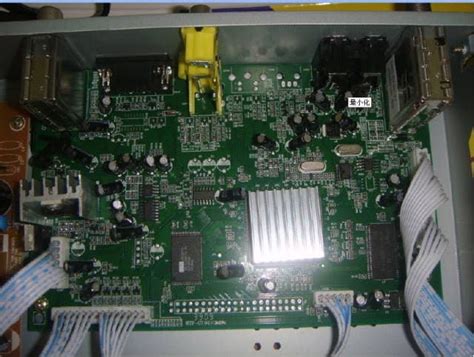
Effective pcb assembly is crucial for ensuring the performance and reliability of electronic devices. To streamline the pcba processes, manufacturers can adopt several best practices that enhance efficiency while maintaining high standards of quality. One essential approach is to implement a comprehensive design for manufacturability (DFM) strategy, which focuses on simplifying product designs and optimizing component placement to facilitate easier assembly. Additionally, utilizing automated assembly technologies can significantly reduce production time and minimize the risk of human error. Regular training sessions for staff can also play a vital role in improving skill sets, ensuring that teams are well-versed in the latest techniques and technologies relevant to pcb assembly.
Moreover, maintaining effective communication among design engineers, production teams, and quality control staff is essential for identifying potential issues early in the process. This proactive communication helps streamline workflows and enhances problem-solving capabilities when challenges arise. Another key practice involves conducting thorough pre-production testing to establish benchmarks and identify flaws before mass production begins. By integrating these best practices into their manufacturing processes, companies can not only optimize their pcba operations but also position themselves as competitive players within the electronics industry, ultimately leading to better product outcomes and customer satisfaction.
Innovative Techniques in PCB Production
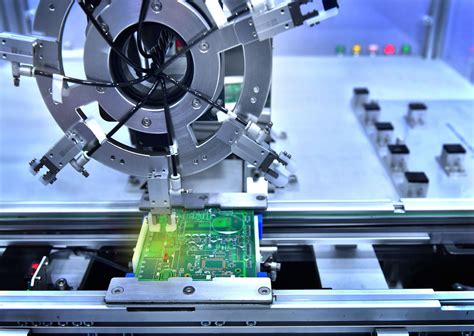
In the ever-evolving landscape of pcb assembly, leveraging innovative techniques is essential for staying competitive in the electronics industry. One prominent approach is the adoption of advanced automation technologies, which significantly enhance production efficiency. Automated pick-and-place machines, for instance, ensure precise component placement on PCBs, thereby reducing errors and increasing throughput. Additionally, the integration of Artificial Intelligence (AI) and machine learning into production lines allows for real-time data analysis and better decision-making processes. This not only optimizes workflow but also aids in identifying potential defects early in the pcba process. Another technique gaining traction is the use of surface mount technology (SMT), which enables a higher component density on boards while minimizing space requirements. By employing these innovative methods, manufacturers can not only improve the quality of their products but also achieve significant cost savings through reduced waste and enhanced production times. Ultimately, embracing such advances is crucial for companies aiming to maintain high standards in their PCB assembly operations while meeting increasing market demands.
The Advantages of Outsourcing PCB Assembly
Outsourcing PCB assembly provides several key advantages that can significantly enhance the efficiency and quality of electronic manufacturing processes. One of the most compelling benefits is access to specialized expertise in PCBA (printed circuit board assembly). Many contract manufacturers invest heavily in state-of-the-art technology and skilled personnel, resulting in optimized production methods and higher-quality end products. Moreover, these companies typically implement rigorous quality control measures that can be tailored to specific client needs, ensuring that each batch of PCB assembly meets stringent industry standards.
Additionally, outsourcing allows businesses to focus on their core competencies while leaving the technical complexities of PCBA to external specialists. This strategic allocation of resources not only supports innovation in product development but also shortens time-to-market, giving clients a competitive edge. In terms of cost efficiency, outsourcing can lead to substantial savings on labor and overhead costs associated with maintaining an in-house production facility. By leveraging the economies of scale that established contract manufacturers offer, businesses can reduce their overall expenditures while maintaining high standards for their PCB assembly processes.
In conclusion, the decision to outsource PCB assembly provides a multifaceted approach for companies looking to enhance operational efficiency, innovate product lines, and remain competitive in today’s fast-paced electronics industry. The ability to collaborate with experts in the field translates into superior quality control and cost-effectiveness that are essential for long-term success.
Quality Control Measures in Contract Manufacturing
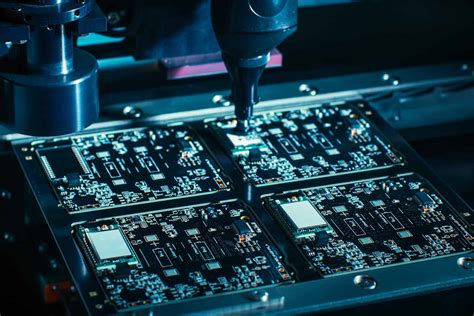
In the realm of contract manufacturing for pcb assembly, the implementation of robust quality control measures is paramount. Ensuring that every pcba meets stringent standards not only enhances reliability but also significantly reduces the risk of costly defects. A comprehensive quality control process typically involves regular inspections at multiple stages of production, from initial component sourcing to final assembly. This includes verifying the integrity of components used, ensuring adherence to specifications, and employing advanced testing methodologies such as Automated Optical Inspection (AOI) and X-ray inspection for hidden solder joints. Moreover, fostering a culture of continuous improvement within manufacturing teams can lead to innovative solutions that streamline processes and uphold quality. By leveraging real-time data analytics, manufacturers can monitor production metrics proactively and diagnose issues before they escalate. Through these methods, contract manufacturers can not only ensure superior quality in pcb assembly but also drive cost efficiency, solidifying their reputation as reliable partners in the electronics industry.
Cost Reduction Strategies in Electronics Production
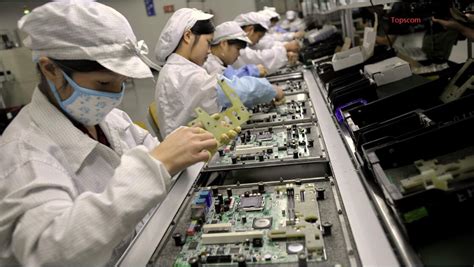
In the realm of pcb assembly, implementing effective cost reduction strategies has become essential for businesses aiming to maintain a competitive edge. Contract manufacturing has emerged as a viable solution for companies seeking to optimize their production processes while minimizing expenses. By outsourcing pcba production, manufacturers can take advantage of economies of scale, benefiting from the specialized expertise and advanced technologies offered by contract manufacturers. This not only leads to significant savings in materials and labor but also enhances the overall efficiency of the assembly process.
Moreover, careful selection of suppliers and establishing solid partnerships can yield a more reliable supply chain, reducing lead times and mitigating risks associated with production delays. Implementing lean manufacturing principles is another effective strategy, focusing on waste reduction throughout the pcb assembly workflow. This approach not only streamlines operations but also fosters a culture of continuous improvement, where teams consistently evaluate and refine their practices to enhance productivity and reduce costs further.
In addition, adopting automation technologies in pcba processes can significantly drive down labor costs while increasing precision. Automated systems not only accelerate production but also reduce errors associated with manual labor, ensuring a higher quality product at a lower price point. By integrating these strategies into their operations, businesses in the electronics industry can achieve substantial cost savings without compromising on quality or performance.
Case Studies: Successful Contract Manufacturing Partnerships
Examining successful partnerships in contract manufacturing for PCB assembly reveals a wealth of insights that can benefit industry players. One remarkable case is that of a startup electronics firm that collaborated with an established PCBA provider to scale its operations rapidly. By outsourcing the PCB assembly, the startup was able to focus on core competencies such as design and marketing, while the partner managed production. This partnership not only helped reduce lead times but also reduced costs significantly, allowing the startup to penetrate the market faster.
Another noteworthy example is a large consumer electronics company that optimized its supply chain through strategic alliances with multiple contract manufacturers. By diversifying its PCB assembly partners across different regions, the company mitigated risks associated with supply chain disruptions and showcased improved flexibility in responding to market demands. The innovative techniques used by these manufacturers—such as automation in assembly processes—led to elevated levels of precision and quality. These case studies underline the benefits of thoughtful collaboration in contract manufacturing for PCB assembly, demonstrating how effective partnerships can lead to enhanced product quality and substantial cost reductions in the highly competitive electronics industry.
Future Trends in PCB Assembly Outsourcing
As the electronics industry continues to evolve, the landscape of contract manufacturing for PCB assembly is undergoing significant transformations. One of the most notable trends is the integration of advanced technologies into the pcba processes. Automation and artificial intelligence are streamlining production, allowing for faster turnaround times and enhanced precision in pcb assembly operations. Furthermore, there is a growing emphasis on sustainability, with manufacturers increasingly seeking eco-friendly materials and processes to meet consumer demand and regulatory standards. Another trend is the rise of near-shoring, where companies prefer to contract local or regional manufacturers to reduce lead times and logistical complications. This shift not only fosters quicker response times but also strengthens supply chain resilience against global disruptions. As companies embrace a more data-driven approach, leveraging analytics will further refine decision-making processes related to outsourcing. This holistic strategy not only maximizes efficiency but also ensures that quality remains paramount in the pcba sector, paving the way for a more innovative and competitive future in contract manufacturing.
Conclusion
In summary, the landscape of contract manufacturing for PCB assembly has evolved significantly, offering various efficient solutions that can support electronics companies in optimizing their production processes. By leveraging best practices such as lean manufacturing and effective workflow management, organizations can streamline their pcba operations, ultimately leading to enhanced productivity. Implementing innovative techniques in PCB production, such as automation and advanced assembly methodologies, plays a pivotal role in achieving superior quality. Moreover, the advantages of outsourcing pcb assembly cannot be overstated; partnering with specialized manufacturers not only helps in reducing operational costs but also allows companies to focus on their core competencies. With effective quality control measures, manufacturers can ensure that the final products meet the highest standards. As organizations continue to navigate complex supply chains and fluctuating market demands, adoption of strategic cost reduction strategies will be essential. By recognizing these trends and preparing for future changes in the industry, stakeholders will be well-equipped to capitalize on the numerous benefits associated with contract manufacturing for PCB assembly.
FAQs
What is PCB assembly?
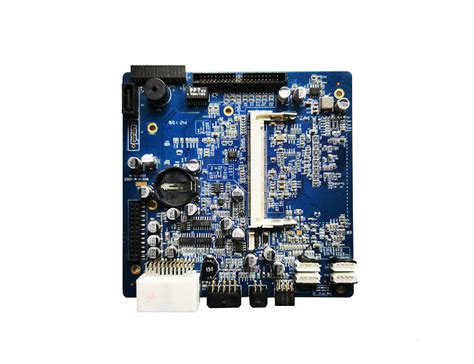
PCB assembly refers to the process of connecting electronic components to a printed circuit board (PCB) to create a functional electronic device. This crucial step transforms raw PCBs into complete products ready for various applications in the electronics industry.
Why should I consider contract manufacturing for PCB assembly?
Outsourcing to contract manufacturers for PCBA offers several advantages, including reduced production costs, access to advanced technology, and the ability to focus on core business operations while professionals handle the intricate processes involved in pcb assembly.
What are the best practices for ensuring quality in PCB assembly?
Implementing strict quality control measures, utilizing state-of-the-art equipment, and adhering to industry standards are imperative. Regular audits and rigorous testing can also enhance the reliability of your pcba, ensuring high-quality end products.
How can I reduce costs in my PCB assembly processes?
Adopting lean manufacturing techniques, optimizing production schedules, and sourcing materials efficiently can significantly streamline workflows. Utilizing contract manufacturing also helps cap overhead costs related to labor and machinery associated with pcb assembly.
Are there innovations in the PCB production process?
Yes! Innovations such as automated soldering techniques, surface mount technology (SMT), and advanced radiographic inspections have transformed traditional methods. These advancements not only improve efficiency but also elevate the quality of your pcba, making them more competitive in a crowded market.
For those interested in further exploring options for outsourcing PCB assembly solutions, please click here: Andwin PCB Assembly.