Efficient Solutions in Custom Electronic Assembly Services
Key Takeaways
In the fast-evolving world of custom electronic assembly, it is crucial to understand the various elements that contribute to efficient service delivery. A key aspect is the implementation of advanced pcb assembly techniques that leverage innovative methods to meet specific requirements. Utilizing pcba processes not only enhances precision but also streamlines production timelines, effectively adapting to the ever-changing demands of diverse industries. A comprehensive approach that integrates cutting-edge technology is vital for ensuring robust performance across various applications. Furthermore, maintaining rigorous quality assurance protocols ensures that every assembled unit meets operationally critical standards, reducing the likelihood of faults or failures. Tailoring solutions for specific projects can significantly enhance overall productivity, allowing companies to optimize resources while satisfying customer expectations. As industries continue to evolve, these foundational elements will play a pivotal role in shaping future trends within custom electronic assembly services.
Understanding Custom Electronic Assembly: An Overview
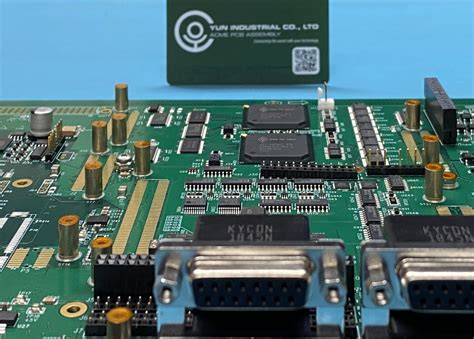
Custom electronic assembly, often referred to as pcb assembly or pcba, plays a critical role in various industries, enabling the production of specialized electronic components tailored to specific requirements. This process involves a meticulous integration of design, materials, and engineering techniques, ensuring that each assembly meets stringent performance and functionality standards. The importance of quality assurance in this sphere cannot be overstated, as it guarantees that not only the individual components but also the final assembled products are robust and reliable. By employing cutting-edge techniques, manufacturers are able to adapt their processes efficiently, balancing speed and quality.
“Investing in advanced technology is essential for staying competitive in the custom electronic assembly market.”
Incorporating the latest innovations such as automated visual inspection systems and real-time data analytics enhances productivity and reduces error rates significantly. Moreover, tailored approaches in custom assemblies allow businesses to meet diverse industrial demands effectively, catering to sectors ranging from telecommunications to medical devices. As companies continue to navigate ever-evolving market landscapes, understanding the nuances of custom electronic assembly will be fundamental in achieving strategic objectives while maintaining high consumer satisfaction levels.
Cutting-Edge Techniques in Electronic Assembly
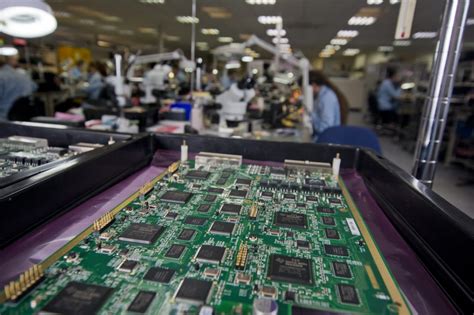
In the rapidly evolving world of custom electronic assembly, employing cutting-edge techniques is essential not only for enhancing efficiency but also for ensuring quality in the production of electronic components. Techniques such as surface mount technology (SMT), which optimally utilizes available board space, have transformed the landscape of pcb assembly. The incorporation of advanced automation tools has further streamlined the pcba process, allowing for faster assembly times and reduced human error.
One key component of these innovative techniques is the adoption of real-time monitoring systems that track the progress of assemblies and identify any potential issues before they escalate. This proactive approach significantly enhances overall reliability and helps maintain high-standard production norms.
| Technique | Description | Benefits |
|---|---|---|
| Surface Mount Technology | Places components directly onto the surface of PCBs | Space-efficient, faster |
| Real-Time Monitoring | Systems that provide ongoing oversight during assembly | Early problem detection, improved quality |
| Automated Optical Inspection (AOI) | Utilizes cameras to ensure accuracy in component placement | Reduces defects, enhances quality |
By integrating these state-of-the-art methods, companies can not only address their unique needs but also stay ahead in competitive markets, ensuring that every custom assembly reflects precision and innovation. The seamless collaboration between innovative techniques and evolving technology paves the way for a new era in electronic manufacturing, meeting diverse industry demands with remarkable effectiveness.
The Role of Quality Assurance in Custom Assemblies
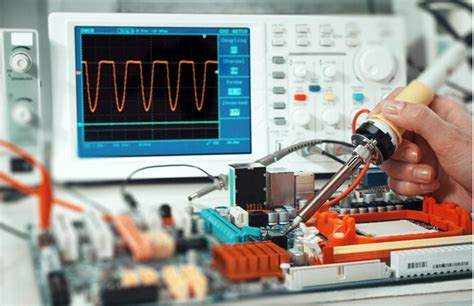
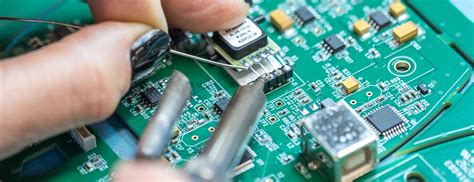
Quality assurance is a critical component in custom electronic assembly services, especially in the realm of pcb assembly and pcba. The complexity of modern electronic components necessitates rigorous testing and validation processes. Ensuring reliability and functionality from the start not only enhances the end product but also builds trust with clients across various industries. By implementing systematic quality checks at every stage of the custom assembly process, manufacturers can detect potential issues early, minimizing costly errors later on. Tools such as automated optical inspection (AOI) and in-circuit testing (ICT) are commonly employed to scrutinize assemblies for defects. Furthermore, adherence to established standards guarantees that each product meets specific regulatory requirements, bolstering the overall quality assurance framework. This proactive approach not only streamlines production workflows but also enhances customer satisfaction, as well-engineered assemblies are delivered with consistency and precision to meet diverse industry needs effectively. In a rapidly evolving technological landscape, prioritizing quality assurance in custom assemblies is not just beneficial but essential for maintaining a competitive edge in the market.
Advanced Technology in Electronic Assembly Services
In today’s fast-paced environment, advanced technology plays a crucial role in the realm of custom electronic assembly. Notably, the integration of sophisticated software tools and machinery in pcb assembly processes has revolutionized how companies approach production. PCBA techniques are continuously evolving, allowing for higher precision and faster turnaround times. Utilizing innovative materials and automation not only enhances efficiency but also significantly reduces the likelihood of errors during assembly. Furthermore, real-time monitoring systems provide critical data that can be leveraged for maintaining quality assurance standards. This level of real-time feedback is indispensable for managing complex projects and ensures that the final products meet stringent specifications tailored to various industry needs. Ultimately, embracing these advancements enables manufacturers to stay competitive while addressing the ever-changing demands of businesses across different sectors. The incorporation of such technologies is not only an investment in equipment but a commitment to providing exceptional service through custom assemblies that prioritize both quality and precision.
Tailored Approaches: Boosting Productivity
In the realm of custom electronic assembly, employing tailored approaches plays a pivotal role in enhancing productivity. By customizing strategies to meet specific project requirements, manufacturers can optimize the production process of pcb assembly, also known as pcba. This involves leveraging advanced planning techniques, such as just-in-time production and modular design, which allow for greater flexibility and efficiency. Moreover, integrating real-time data analytics enables teams to monitor workflows and make informed decisions swiftly. These bespoke solutions not only streamline operations but also minimize waste and lead times, ensuring that deadlines are met without sacrificing quality. As companies continue to innovate in their approach to custom electronic assembly, they effectively position themselves to respond to the ever-evolving demands of diverse industries, all while improving overall performance and scalability.
Meeting Diverse Industry Needs through Customization
In today’s rapidly evolving market, businesses are continually seeking tailored solutions to meet their unique demands. Custom electronic assembly offers significant advantages by enabling companies to adapt their products to specific applications. PCB assembly and PCBA processes stand at the forefront of this customization movement, empowering manufacturers to create specialized electronic components that cater to various industry requirements. By implementing cutting-edge techniques, such as surface-mount technology (SMT) and through-hole assembly, organizations can enhance their product performance while ensuring compliance with industry standards. Furthermore, a strong emphasis on quality assurance remains critical in these processes, as it guarantees that each assembly meets rigorous safety and reliability benchmarks. As sectors like healthcare, automotive, and consumer electronics evolve, personalized approaches in custom electronic assembly not only boost productivity but also foster greater innovation, allowing companies to stay competitive and responsive in a dynamic landscape. Ultimately, adopting such tailored methodologies serves to satisfy the diverse needs of clients while paving the way for future advancements in electronic technology.
Case Studies: Successful Implementations of Custom Assemblies
In recent years, the landscape of custom electronic assembly has evolved significantly, driven by innovative practices and a commitment to quality. Various industries have successfully implemented pcb assembly solutions to enhance their operational efficiency. For instance, a leading automotive manufacturer adopted a tailored pcba technique that optimized the connectivity and functionality of their vehicle systems. By utilizing advanced equipment and rigorous quality assurance protocols, they reported a remarkable reduction in assembly time while meeting stringent safety standards.
Similarly, a consumer electronics company harnessed custom electronic assembly services to streamline production for their flagship product. They incorporated cutting-edge soldering technologies that minimized errors and ensured high reliability in components. This resulted in not only a reduction in costs but also improved customer satisfaction due to the enhanced performance of their electronics.
These case studies highlight that leveraging tailored approaches in pcb assembly can significantly enhance productivity across various sectors. As industries continue to adapt to changing market demands, the integration of pcba solutions presents an effective strategy for organizations aiming to remain competitive while addressing diverse customer needs efficiently.
Future Trends in Custom Electronic Assembly Services
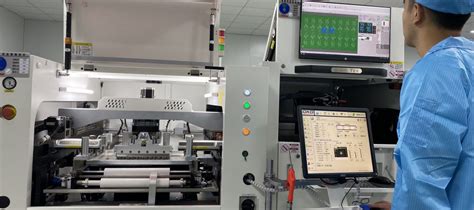
As industries continue to evolve, the ## Future Trends in Custom Electronic Assembly Services are expected to embrace innovations that enhance efficiency and quality. A significant focus will be on advanced PCB assembly techniques that integrate automation and robotics, optimizing processes and reducing lead times. Utilizing PCBA technologies alongside machine learning systems will allow for real-time monitoring, ensuring consistency and accuracy in assembled components. Furthermore, the rise of sustainable manufacturing practices is reshaping how assemblies are produced, leading to eco-friendly materials and waste reduction strategies becoming commonplace. Additionally, the demand for smarter devices necessitates a shift towards miniature designs and more complex assemblies. With growing customization needs across various sectors, from healthcare to consumer electronics, companies that can adapt their strategies to offer tailored solutions will remain competitive in an increasingly dynamic market. As we move forward, embracing these trends in custom electronic assembly will not only enhance productivity but also better meet the diverse requirements of global industries.
Conclusion
In evaluating the landscape of custom electronic assembly services, it is evident that ongoing advancements are paramount for meeting the dynamic needs of various industries. The integration of pcb assembly techniques has transformed traditional methods, making them more efficient and reliable. Emphasizing pcba processes ensures that each assembly is not only high in quality but also tailored to specific requirements, allowing manufacturers to achieve unparalleled precision. Furthermore, the application of cutting-edge technology complements these methods by accelerating production timelines and boosting overall productivity. As companies increasingly prioritize customization, the effectiveness of these tailored solutions becomes evident in their ability to foster innovation and competitiveness within the market. This adaptability highlights the critical role that quality assurance plays; it not only reinforces product integrity but also builds trust with clients who rely on these services for their unique projects. In conclusion, the future of custom electronic assembly is on a trajectory toward greater efficiency and customization, driven by technology and innovative practices that continually elevate industry standards.
FAQs
What is custom electronic assembly?
Custom electronic assembly refers to the tailored manufacturing process of assembling electronic components to create unique circuits or devices, including pcb assembly. It allows for adaptability to specific project requirements.
What advantages do custom assemblies offer?
Custom assemblies provide numerous benefits, such as enhanced flexibility, better cost management, and the ability to incorporate advanced technology tailored to project needs. This ensures that products can meet diverse industry demands.
How does quality assurance play a role in pcb assembly?
Quality assurance is critical in pcba services as it minimizes defects and enhances reliability. Through systematic testing and validation, manufacturers ensure that each unit meets stringent performance standards before delivery.
What are the cutting-edge techniques employed in electronic assembly?
Techniques such as surface-mount technology (SMT) and automated optical inspection (AOI) are at the forefront of custom electronic assembly. These methodologies increase efficiency and accuracy in the pcb assembly process.
How does technology enhance productivity in electronic assembly services?
The integration of automation and sophisticated software tools streamline production processes. Advanced machinery not only accelerates the workflow but also improves precision, leading to a better quality of pcba products.