Efficient Techniques for SMD Board Assembly in Electronics
Key Takeaways
Efficient SMD board assembly techniques are crucial for improving the overall production quality of electronic devices. By leveraging advanced pcb assembly methodologies, companies can achieve higher levels of precision and consistency. Utilizing specialized tools and equipment tailored for pcba can dramatically enhance the efficiency of assembly processes, allowing for quick adaptation to new designs and higher production rates. Moreover, incorporating best practices such as proper component placement and meticulous quality checks can significantly minimize errors, which in turn reduces waste and lowers costs. Organizations that proactively implement cost-reduction strategies in their smd board assembly processes will find themselves more competitive in the rapidly evolving electronics market. Furthermore, understanding common challenges faced during smd assembly — such as component misalignment or soldering issues — and developing effective solutions are essential for maintaining high standards of production. As the electronics industry continues to advance, staying informed about future trends will be key in optimizing SMD board assembly techniques, ensuring that manufacturers can keep pace with innovation while retaining a focus on quality and efficiency.
Introduction to SMD Board Assembly: Importance and Overview
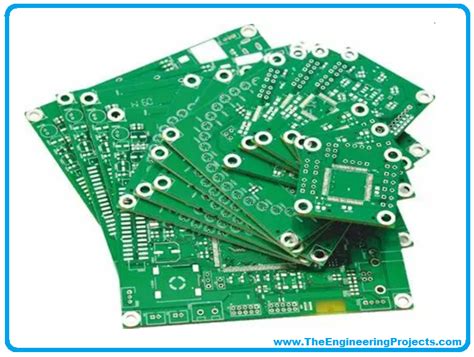
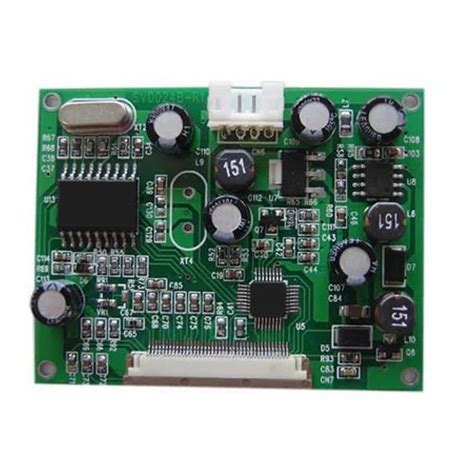
In the world of electronics, SMD board assembly plays a crucial role in the production of modern devices. As electronic components continue to shrink in size while increasing in complexity, Surface-Mount Technology (SMT) has emerged as a leading method for assembling printed circuit boards (PCBs). This technique allows for a higher density of components and improved electrical performance in devices. The significance of SMD assembly lies not only in its efficiency but also in its ability to enhance the overall reliability of electronic products. By minimizing the physical footprint of components, manufacturers can create pcba solutions that are both compact and efficient. Furthermore, the adoption of advanced methodologies and specialized tools has refined the SMD board assembly process, ensuring precise alignment and soldering of components on PCBs. As industries push for faster production cycles without compromising quality, understanding the importance of SMD assembly becomes imperative. The application of these techniques leads to a reduction in manufacturing costs and an increase in throughput, ultimately providing companies with a competitive edge in a rapidly evolving market. Through careful implementation and continuous improvement, organizations can maximize their efficiency and deliver high-quality electronics that meet consumer demands and regulatory standards.
Key Tools and Equipment for Effective SMD Board Assembly
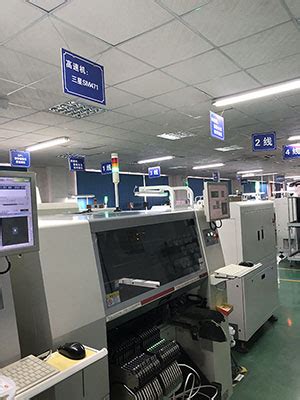
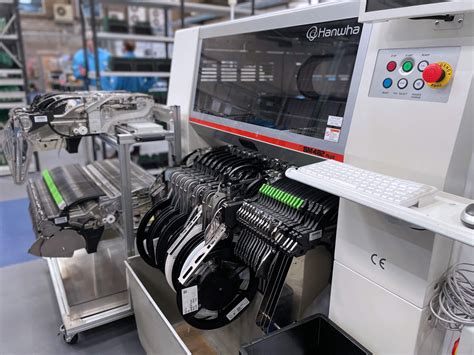
In the realm of SMD board assembly, selecting the right tools and equipment is crucial for achieving high-quality pcb assembly with minimal defects. A well-equipped workspace can significantly enhance efficiency and precision. Core tools include automated pick-and-place machines that enable rapid placement of surface-mount devices (SMDs) onto the printed circuit board (PCB) while maintaining alignment accuracy. Additional equipment, such as reflow ovens, plays a pivotal role in soldering the components, ensuring reliable connections that stand the test of time.
Moreover, the use of stencil printers for applying solder paste also contributes to the effectiveness of pcba. A common method involves using a stainless-steel stencil to precisely deposit solder paste onto designated pads before component placement. This approach not only reduces waste but also enhances the consistency of solder application.
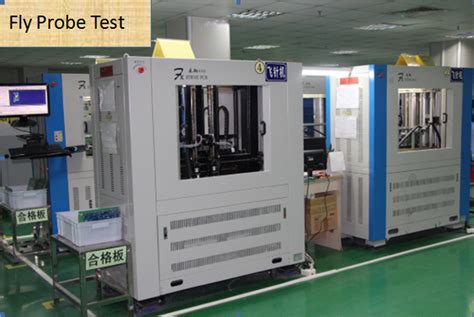
To further streamline operations, inspection tools such as automated optical inspection (AOI) systems are invaluable. AOI systems allow engineers to quickly identify defects or misalignments on a PCB after assembly, leading to timely corrections and minimizing rework costs.
Here is a brief overview table summarizing these essential tools:
| Tool/Equipment | Purpose |
|---|---|
| Pick-and-Place Machines | Automated placement of SMDs |
| Reflow Ovens | Soldering components onto PCB |
| Stencil Printers | Applying solder paste accurately |
| Automated Optical Inspection | Detecting defects for quality assurance |
Investing in these key tools not only promotes an optimized workflow but also ensures that manufacturers can meet rising demands in electronic production while adhering to superior quality standards. The combination of precision equipment and strategic assembly techniques positions companies competitively within the rapidly evolving landscape of SMD board assembly.
Best Practices for Enhancing Precision in SMD Assembly
To achieve high levels of accuracy in SMD board assembly, it is essential to adopt several best practices that cater specifically to the nuances of surface mount technology. One of the primary steps involves ensuring that the pcb assembly process is meticulously calibrated, using precise equipment such as pick-and-place machines which greatly reduce human error during placement. Furthermore, maintaining proper environmental conditions—including temperature and humidity control—can significantly affect soldering outcomes; thus, it is advisable to monitor these parameters continuously.
Another key practice is the implementation of robust inspection techniques. Employing Automated Optical Inspection (AOI) systems can help detect misalignments or defects early in the production line. In addition, careful management of components, such as utilizing anti-static bags for sensitive devices, can prevent damage that impairs functionality.
“Investing in quality control mechanisms not only enhances precision but also fosters reliability in PCB manufacturing.”
Educating staff on best practices related to handling and assembly processes ensures that they are equipped with the knowledge necessary for precise assembly. Training programs that emphasize best practices can significantly reduce errors associated with pcba, allowing for smoother and more efficient production cycles.
Lastly, frequently revisiting and refining these practices through feedback loops can help identify areas requiring improvement or adaptation to new technologies. By integrating these methodologies into everyday operation, manufacturers not only enhance their precision but also position themselves competitively in the dynamic market of electronic devices.
Cost-Reduction Strategies in SMD Board Manufacturing
In the highly competitive field of SMD board assembly, implementing effective cost-reduction strategies is crucial for manufacturers aiming to enhance their profit margins while maintaining product quality. One of the key approaches involves optimizing the pcb assembly process by selecting cost-effective components without compromising performance. Utilizing advanced techniques such as automated assembly not only reduces labor costs but also increases precision, thereby minimizing errors that can lead to expensive rework. Additionally, integrating a robust supply chain management system can streamline sourcing of materials, ultimately lowering procurement costs for components used in pcba. Furthermore, adopting lean manufacturing principles allows companies to identify and eliminate waste in production processes, which directly contributes to cost savings. By focusing on these strategic adjustments, manufacturers can effectively position themselves for success while delivering quality electronic devices that meet market demands.
Streamlining Production Processes for Modern Electronics
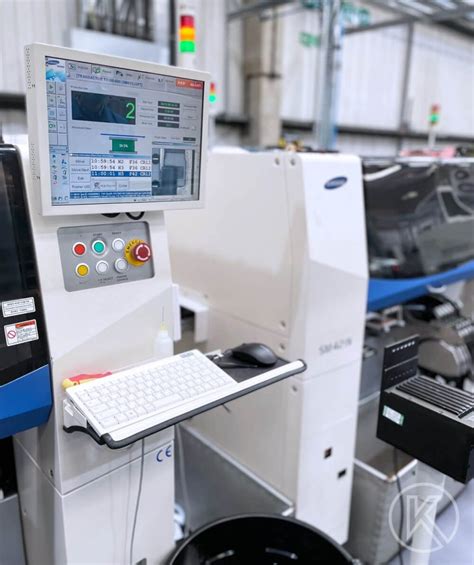
In the fast-paced world of electronics manufacturing, the need for efficient SMD board assembly processes is paramount. By optimizing production methods, companies can achieve significant improvements in quality and throughput. One effective approach involves the implementation of automated PCB assembly systems, which enhance speed while minimizing human error. These systems utilize advanced technologies, such as pick-and-place machines and automated optical inspection (AOI), to ensure that components are placed accurately on the pcba. Furthermore, integrating lean manufacturing principles can streamline workflows and eliminate waste. Techniques such as just-in-time inventory management and work-cell organization facilitate smoother operations for SMD board assembly, allowing for quick transitions between different product lines. By adopting these methods, manufacturers not only boost efficiency but also better align with customer demands for high-quality products delivered in shorter timeframes. Overall, enhancing production processes through strategic tools and methodologies is essential for companies aiming to maintain a competitive edge in the electronics market.
Common Challenges in SMD Assembly and Their Solutions
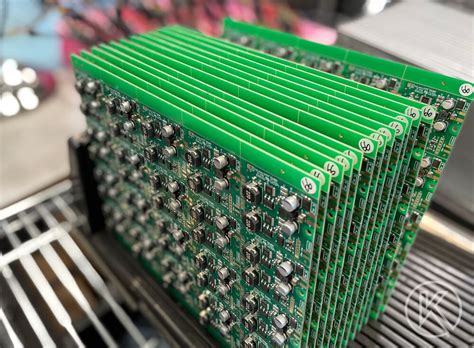
In the realm of SMD board assembly, manufacturers often encounter a variety of challenges that can impact both efficiency and product quality. One common issue is component misalignment, which can lead to poor solder joints and ultimately device failure. To combat this, investing in high-precision pcb assembly techniques, such as automated pick-and-place machines equipped with advanced vision systems, can ensure components are placed accurately. Another significant challenge is thermal discrepancies during soldering, which may result in component damage or insufficient solder joints. Implementing controlled thermal profiles during the reflow process, alongside the use of lead-free solders, has proven effective in mitigating these issues while also contributing to a more sustainable production process.
Furthermore, handling static-sensitive devices requires meticulous attention. Introducing anti-static measures, such as proper grounding techniques and using static-dissipative work surfaces, can significantly reduce the risk of damage to sensitive components during pcba operations. Additionally, ensuring that staff are adequately trained on handling protocols further enhances operational safety. Lastly, it is crucial to address quality control: regular inspection and testing throughout the assembly process can detect defects early on, reducing waste and ensuring higher quality outputs in SMD board assembly. By strategically addressing these challenges with tailored solutions, manufacturers can not only increase productivity but also maintain a competitive edge in the fast-evolving electronics market.
Future Trends in SMD Board Assembly Techniques
As the landscape of electronics evolves, SMD board assembly continues to witness transformative changes driven by technological advancements. One of the most significant trends is the integration of automation and robotics in pcb assembly processes. Automated systems enhance accuracy and efficiency, significantly reducing human error and increasing production speed. Alongside automation, there’s a marked emphasis on adopting advanced inspection techniques such as automated optical inspection (AOI) to ensure high-quality pcba outputs. Furthermore, the rise of Industry 4.0 has led to smarter manufacturing practices, such as real-time data analytics and cloud-based monitoring systems that allow manufacturers to optimize workflows dynamically.
Another prominent trend is the miniaturization of components, which challenges SMD assembly processes but also drives innovation in handling techniques and equipment design. With components becoming increasingly compact, new methodologies for precise placement and soldering are being developed, utilizing advanced technologies like laser soldering to accommodate these smaller parts effectively. Additionally, as sustainability becomes a critical focus within the electronics industry, eco-friendly materials and processes are gaining traction in pcb assembly, ensuring that production not only meets performance standards but also environmental responsibilities.
In conclusion, emerging trends in SMD board assembly reflect a shift towards enhanced automation, precision engineering, and sustainable practices that promise to reshape the future landscape of electronic manufacturing. As these trends advance, they will undoubtedly lead to improved efficiency and greater competitive advantages for companies willing to adapt to these innovations.
Conclusion: Optimizing SMD Assembly for Competitive Advantage
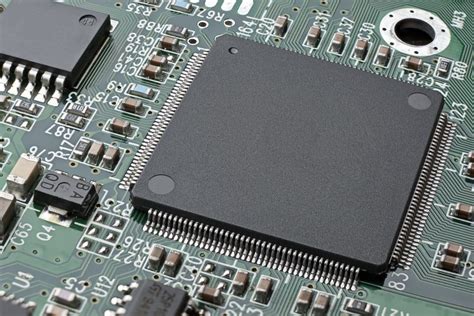
In the highly competitive field of electronics manufacturing, mastering SMD board assembly techniques is crucial for achieving a significant edge. By implementing efficient pcb assembly practices, companies can enhance their capabilities and improve the overall quality of their products. Emphasizing pcba methodologies not only aids in elevating precision during assembly but also contributes substantially to cost reduction and efficiency improvements. For instance, using advanced automation tools can streamline workflows, minimize human error, and ensure consistent quality across production runs. Additionally, addressing common challenges such as alignment issues or component placement can lead to better outcomes in the long term. By continuously refining these techniques and staying updated on industry trends, manufacturers not only boost their operational performance but also position themselves favorably in the market. As SMD board assembly becomes increasingly sophisticated, those who prioritize optimization will naturally gain a competitive advantage, ultimately achieving greater success in delivering high-quality electronic devices to consumers.
Conclusion: Optimizing SMD Assembly for Competitive Advantage
In the fast-evolving world of electronics, optimizing SMD board assembly is essential for maintaining a competitive edge. Employing advanced techniques in pcb assembly is key to achieving enhanced precision and reduced costs. By integrating automation in the pcba process, companies can streamline operations and improve throughput, ensuring that production meets rising market demands. Implementing best practices, such as proper component placement and the utilization of high-quality solder materials, can lead to significant enhancements in the reliability of electronic devices. Additionally, continuous training for technicians and leveraging modern inspection tools ensure that every SMD assembly meets stringent quality standards. As new trends emerge, staying ahead with innovative methodologies will not only optimize performance but also establish a strong foundation for future advancements in SMD board assembly techniques. This proactive approach to manufacturing will ensure that businesses not only survive but thrive in a competitive landscape.
FAQs
What is SMD board assembly?
SMD board assembly, commonly referred to as pcb assembly, involves placing and soldering surface mount devices (SMDs) onto a printed circuit board (PCB). This process is essential for manufacturing modern electronic devices and ensures that components are securely attached to the board for optimal functionality.
What are the advantages of using SMD technology in PCB assembly?
The primary advantages of using SMD technology in pcba include reduced overall size, improved electrical performance, and the ability to automate the assembly process. Additionally, SMDs are generally more cost-effective due to lower material costs and enhanced production efficiency.
How can precision be improved during SMD board assembly?
To enhance precision in SMD board assembly, it is important to utilize advanced tools such as automated pick-and-place machines and reflow ovens. Implementing stringent quality control measures and conducting regular inspections throughout the production process also contributes significantly to maintaining high precision levels.
What tools are essential for effective SMD board assembly?
Key tools for effective pcb assembly include solder paste printers, pick-and-place machines, reflow soldering systems, and automated inspection equipment. These tools help streamline the assembly process while ensuring high-quality results.
What common challenges are faced during SMD PCB assembly?
Some common challenges include misalignment of components, improper soldering techniques, and difficulties with heat dissipation. Addressing these issues often requires optimized processes and thorough training for operators involved in the pcba process.